

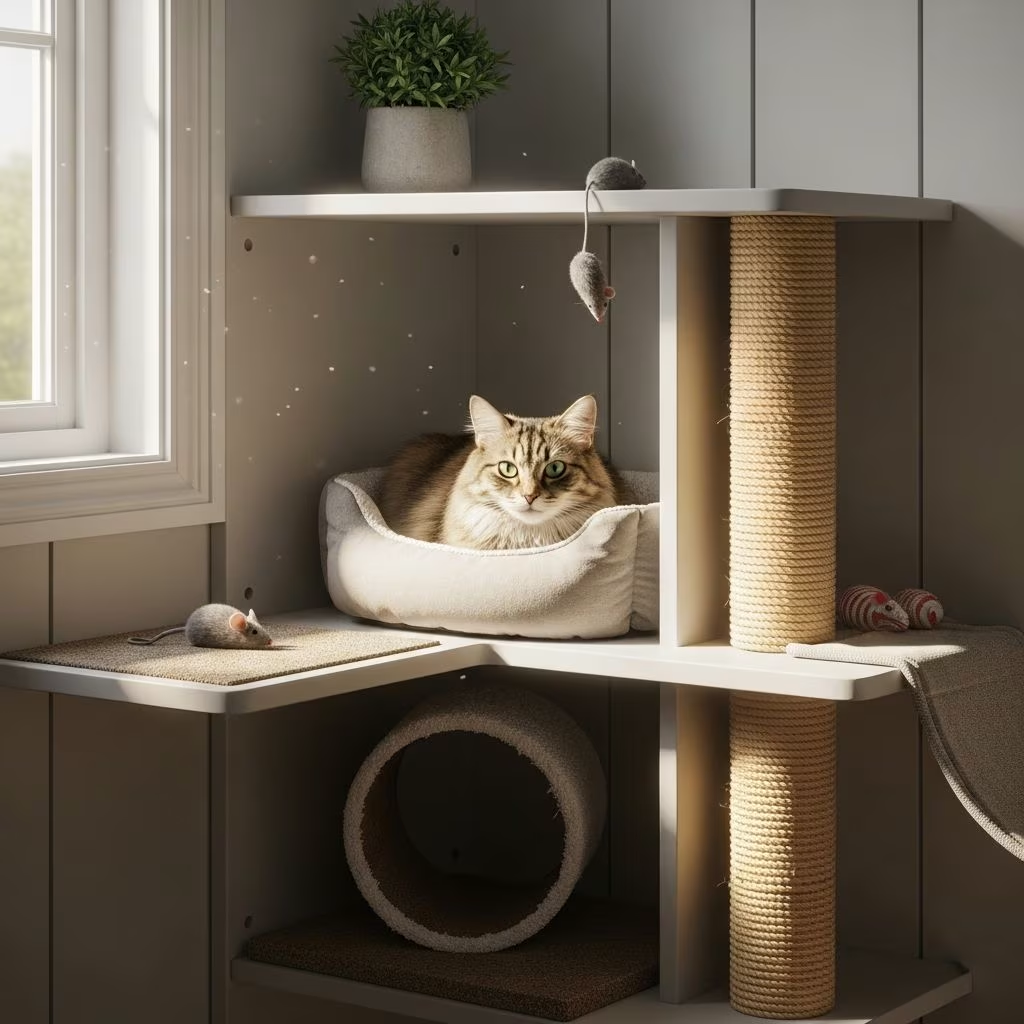
Cats can adapt remarkably well to smaller living spaces like apartments or studios, as they naturally seek out cozy, enclosed areas for comfort and stress relief. Unlike humans who crave legroom, felines thrive in compact environments when provided with strategic enrichments that meet their needs for climbing, scratching, hiding, and play. This guide draws from expert advice to help you transform your new, smaller home into a cat paradise, ensuring both you and your pet adjust smoothly without sacrificing floor space.
Understanding Your Cat’s Needs in Small Spaces
Cats are territorial creatures who prioritize vertical territory, privacy, and stimulation over sheer square footage. In a new smaller home, sudden changes can cause stress, leading to behaviors like excessive scratching or hiding. Experts note that cats in tiny studios can be perfectly content if given access to ‘highways’ up walls and secure hideouts. The key is maximizing unused vertical areas and multifunctional items to mimic their natural instincts for perching, observing, and retreating.
Start by observing your cat’s habits: do they love windows for bird-watching? Crave scratching outlets? Need hiding spots during transitions? Addressing these prevents destructive habits and eases the move. Consistency in routines, like playtime and praise for using approved scratchers, reinforces positive behaviors in confined areas.
Making Use of Vertical Space
Vertical space is the cornerstone of cat-friendly small homes, effectively tripling your cat’s usable territory without encroaching on floors. Install wall-mounted shelves or cat trees that reach from floor to ceiling, allowing cats to climb, lounge, and survey their domain. These setups turn blank walls into playgrounds, keeping cats off desks and furniture while providing safe perches near windows for entertainment.
- Cat shelves: Modular systems like those from IKEA, topped with carpet for traction, create climbing paths. Position them near windows for bird-viewing, using suction-cup perches if no sill exists.
- Tall cat trees: Choose narrow-base models secured to walls for stability. They serve as ladders to bookcases or cabinets, maximizing height in studios.
- Wall-mounted scratchers: Items like Katris kits hang like shelves, combining scratching and perching to save space.
For renters unable to drill, freestanding ladders leaned against walls or tension rods with hammocks offer alternatives. Praise cats lavishly when using these to deter furniture scratching. This approach not only enriches but also reduces stress during the adjustment to a new, smaller home.
Space-Saving Supplies for Playing and Sleeping
In limited spaces, opt for collapsible, multifunctional toys and beds that store easily. Cats need daily exercise and cozy retreats, but bulky items exacerbate clutter.
- Collapsible tunnels and toys: Foldable crinkle tunnels provide hiding and chasing fun, flattening for storage. Paper bags or boxes offer free, disposable alternatives.
- Covered beds: Igloo-style caves double as hideouts and sleep spots, flattening when not in use. Place near quiet corners with soft music for calming during your absence.
- Compact scratchers: Table-leg wraps or over-arm models protect furniture while storing remotes, killing two birds with one stone.
Incorporate a 15-minute daily play routine with wand toys to mimic hunting, burning energy without space-hogging gyms. These solutions keep playtime engaging while maintaining a tidy, human-friendly environment in your new downsized home.
Optimizing Furniture for Multi-Tasking
Transform everyday furniture into cat resources to avoid dedicated cat-only pieces that crowd small rooms. Multifunctional designs meet multiple needs—scratching, climbing, hiding—in one footprint.
| Furniture Type | Cat Adaptation | Benefits |
|---|---|---|
| Console tables | Add levels for napping; top for walking | Narrow profile; storage below |
| Bookshelves/cabinets | Install ramps or cutouts for climbing/hiding | Utilizes existing height; separates litter from food |
| Cat trees with built-ins | Scratch posts + perches + toys | One unit for multiple needs |
Source unique Etsy pieces or modify with over-arm scratchers. Ensure litter stays isolated from food/water zones, using vertical separation. This strategy frees floor space for human living while enriching your cat’s world during the transition.
Providing Hiding Spots and Stress Relief
Cats retreat to small, enclosed spaces when stressed, especially post-move. In smaller homes, provide multiple hideouts to prevent territorial disputes if multi-cat households.
- Paper bags, boxes, or under-bed tunnels for quick privacy.
- Covered beds or cabinet nooks lined with blankets.
- Window perches for safe outdoor gazing, reducing cabin fever.
During adjustment, maintain familiar scents with old blankets. Low-volume calming music aids relaxation when alone. These spots signal safety, helping cats claim the new space as their own.
Enrichment and Exercise in Tight Quarters
Daily stimulation prevents boredom-induced issues. Use puzzle feeders, treat-dispensing balls, or laser pointers for mental workouts. Bring nature indoors with bird feeders outside windows or TV cat videos.
- Vertical ramps to high shelves for exploration.
- Interactive play: 15 minutes twice daily with daisy-chain toys.
- Safe outdoor access via strollers or leashed hallway walks in pet-friendly buildings.
Rotate toys to keep interest high. These low-space activities fulfill hunting instincts, promoting health in compact new homes.
Optimizing Outdoor Access Safely
Even indoor cats benefit from controlled outdoor stimulation. Use folding strollers for park visits or balcony enclosures if allowed. Hallway leashes in apartments provide variety without full outdoor risks. Always supervise and use harnesses to build confidence during space adjustments.
Frequently Asked Questions (FAQs)
Can cats really be happy in a small apartment?
Yes, cats adapt well to small spaces like studios, as they prefer cozy nooks and vertical exploration over large floors. Provide enrichments to mimic wild instincts.
What’s the best vertical furniture for tiny homes?
Tall, narrow cat trees secured to walls or modular shelves offer maximum height with minimal footprint, ideal for apartments.
How do I stop my cat from scratching furniture in small spaces?
Install accessible scratchers (wall-mounted, table-leg wraps) and praise usage consistently to redirect natural behaviors.
Do I need a cat bed in a small home?
Not always—many cats prefer boxes or furniture. Opt for collapsible caves if desired, but prioritize hideouts over traditional beds.
How much playtime does my apartment cat need?
Aim for two 15-minute sessions daily with interactive toys to exercise body and mind, preventing stress in confined areas.
Is a window perch essential for small-space cats?
Highly recommended—cats love observing birds or traffic, reducing boredom and providing mental stimulation indoors.
References
- Cat-Friendly Apartments: Making the Most of a Small Space — Chewy.com. 2023-05-15. https://www.chewy.com/education/dog/pet-parenting/cat-friendly-apartments-making-the-most-of-a-small-space
- Living in a Small Space With a Cat — Theoretically Teddy. 2022-10-05. https://theoreticallyteddy.com/2022/10/05/living-in-a-small-space-with-a-cat/
- Living With Cats In Small Spaces — Class Act Cats. 2023-01-12. https://classactcats.com/blog/living-with-cats-in-small-spaces/
- How to Maximize a Small Living Space for Cats — Kitty Help Desk. 2024-03-20. https://www.kittyhelpdesk.com/help-desk/how-to-maximize-space-for-cats
- Small Apartment? 9 Ways To Keep Your Cat Happy (Even in 400 Sq Ft) — YouTube (Pet Expert Channel). 2023-07-10. https://www.youtube.com/watch?v=eI_zP1jkMCE



