

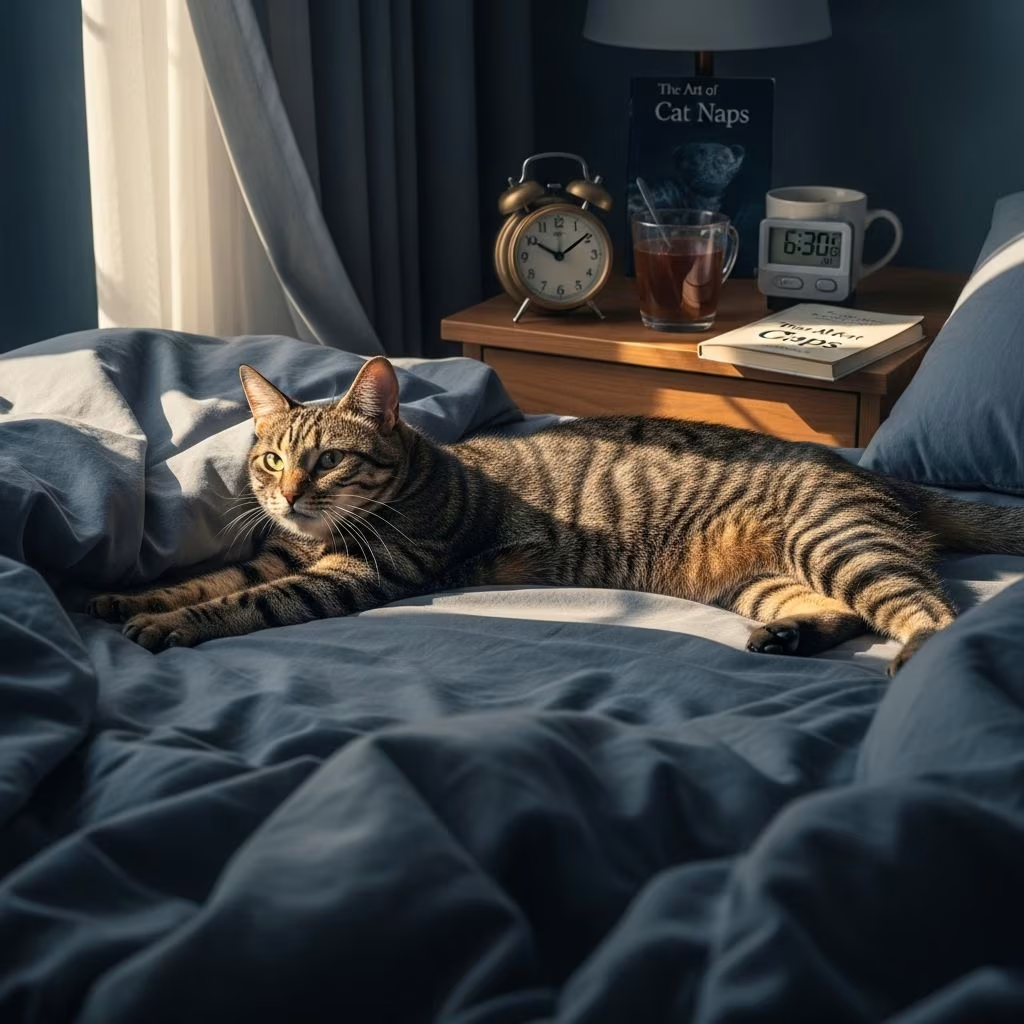
Tips for Adjusting Your Cat’s Sleep Schedule
Cats are crepuscular animals, meaning they are naturally most active during dawn and dusk. However, many cat owners find themselves frustrated by nocturnal pets who seem determined to disrupt their sleep with midnight zoomies, persistent meowing, or demands for attention. The good news is that cat sleep schedules are malleable and can be adjusted to align better with yours. With patience, consistency, and the right strategies, you can help your feline friend develop healthier sleeping habits that work for both of you.
If you’re tired of early morning wake-up calls or late-night disturbances, it’s time to take action. Understanding your cat’s natural instincts combined with deliberate behavioral modifications can transform nighttime chaos into peaceful rest for the entire household. This comprehensive guide will walk you through the essential steps to reset your cat’s sleep routine and establish a schedule that benefits everyone.
Understanding Your Cat’s Natural Sleep Patterns
Before you begin adjusting your cat’s sleep schedule, it’s important to understand why cats behave the way they do. Cats are natural hunters, and their ancestors were most active during twilight hours when prey was abundant. This crepuscular nature means your cat’s body is biologically programmed to be awake when you might be winding down for the evening or just waking up in the morning.
Additionally, cats are creatures of habit. They thrive on routine and consistency. When their schedule becomes unpredictable, they may develop behavioral issues or sleep disturbances. Understanding this fundamental aspect of feline psychology is crucial for successfully implementing changes to their sleep patterns.
How to Adjust a Cat’s Sleep Schedule
1. Address Any Health Concerns
Before attempting to adjust your cat’s sleep schedule through behavioral modifications, it’s essential to rule out underlying medical problems that could be causing nighttime wakefulness. Painful conditions, hormonal imbalances, flea infestations, eye conditions, and deafness can all make it difficult for your cat to sleep peacefully.
If your cat has recently changed their sleep patterns or exhibits signs of discomfort, schedule a veterinary check-up. Your veterinarian can conduct a thorough examination and rule out any health issues that might be interfering with sleep. This important first step ensures that behavioral modifications will be effective and that your cat isn’t suffering from an undiagnosed condition.
2. Burn Off Energy
One of the most effective ways to encourage nighttime sleep is to ensure your cat is adequately exercised during the day. Cats need daily stimulation, both mentally and physically, to maintain a healthy and balanced lifestyle. When cats haven’t expended sufficient energy, they’re more likely to be active when you want to sleep.
Strategic Play Sessions
Schedule dedicated play sessions throughout the day, with particular emphasis on evening playtime before bed. Playing active games with your cat during daylight hours is a proven method to burn off excess energy and reduce nighttime restlessness. Interactive toys like feather wands, chase toys, and laser pointers are particularly effective at engaging your cat’s hunting instincts.
A robust interactive play session right before your cat’s last meal of the night is especially beneficial. This approach mimics the natural “Hunt, Catch, Kill, Eat, Groom, Sleep” cycle that cats follow in the wild, signaling that the day’s activities are winding down.
Keeping Your Cat Awake During Late Afternoon
If you notice your cat taking long naps in the late afternoon or early evening, try gently waking them and encouraging play. By preventing these pre-bedtime naps, you increase the likelihood that your cat will be tired enough to sleep when you’re ready for bed. Use interactive toys and engaging activities to maintain their interest and keep them active.
Mental Stimulation
Physical exercise is only half the equation. Mental stimulation is equally important for maintaining a tired, content cat. Food puzzles, treat-dispensing toys, and interactive games that encourage problem-solving can help tire out your feline friend while also enriching their daily environment.
3. Establish a Bedtime Routine
Once you’ve exercised your cat, it’s important to establish a consistent bedtime routine that signals it’s time to settle down. Cats respond well to predictable patterns, and a structured routine helps regulate their internal clock.
Optimize Your Cat’s Sleep Environment
Create a calm, inviting sleep space for your cat. This might be a plush bed in a quiet corner, a sunny window perch, or a covered cat cave that provides a sense of security. Ensure this space is away from noise and activity to promote quality rest.
Environmental factors significantly impact sleep quality. Soft lighting, warm bedding, and a comfortable temperature all contribute to better sleep. Consider using white noise or a fan to mask household sounds that might disturb your cat. Some cats find a fan particularly soothing, as it both provides ambient sound and helps regulate temperature.
Feeding for Sleep
Cats often become sleepy after a substantial meal, so feeding your cat a filling dinner before bed can encourage sleep naturally. The timing of this meal is crucial. If your bedtime is 11 PM, aim to feed your cat’s final meal around 9:30 PM, giving them time to eat, groom, and settle down before your sleep time.
Establish a consistent feeding schedule with ideally three meals per day, with no longer than six to eight hours between meals. Consistency helps regulate your cat’s body clock and energy levels, making them more predictable and less likely to wake you at night.
Create a Calming Bedtime Atmosphere
As bedtime approaches, turn down lights and lower the volume on your television to create a quiet, calming environment. This signals to your cat that daytime activities are concluding and it’s time to rest. Avoid engaging in active play during this wind-down period, as this can stimulate your cat rather than relax them.
4. Consider a Timed Feeder
One of the most common reasons cats wake their owners at night is hunger. An automatic pet feeder can eliminate early morning wake-up calls and put your cat on a feeding schedule that aligns with their new sleeping habits. Programmable feeders allow you to set specific meal times, ensuring your cat is fed consistently without your intervention.
Automatic feeders offer several advantages: they provide portion control, maintain feeding consistency even when you’re away, and can be scheduled to dispense meals at times that support your cat’s new sleep schedule. This technological solution removes the guesswork from feeding times and helps reinforce the new routine.
5. Avoid Reinforcing Negative Nighttime Behavior
One of the most important things to remember when adjusting your cat’s sleep schedule is to avoid reinforcing negative nighttime behavior by giving into your cat’s pleas for attention. If your cat meows, paws at the door, or seeks affection during the night and you respond by petting, playing, or providing attention, you’re actually rewarding the behavior and making it more likely to continue.
The Power of Ignoring Nighttime Requests
When your cat wakes you at 2 AM demanding attention, resist the urge to respond. Your best option is to simply ignore your cat and try to go back to sleep. This might be challenging initially, as cats can be persistent, but consistency is key. Eventually, your cat will learn that nighttime is for sleep—they’ll get the love and attention they crave when the sun comes up.
Create a Sleep-Friendly Bedroom
Consider setting boundaries in your bedroom. Keep all cat toys out of the room and set the tone that the bedroom is a no-play zone. Keep the bedroom door closed while you sleep to minimize nighttime disturbances. If you’re a light sleeper, use a fan or sound machine to drown out any outside noises your cat might make.
6. Be Consistent and Patient
Routine is everything when adjusting your cat’s sleep schedule. Stick to the same daily rhythm of play, feeding, and quiet time, and your cat will gradually adapt. Just like with children, it can take time to establish new habits, but consistency pays off.
Understand that this adjustment process won’t happen overnight. Your cat has spent months or years following their natural crepuscular rhythm and established behaviors. Give your feline friend at least two to four weeks to adjust to the new routine. During this time, maintain unwavering consistency with feeding times, play sessions, and sleep environment modifications.
Frequently Asked Questions
Q: How long does it take to adjust a cat’s sleep schedule?
A: It typically takes two to four weeks of consistent effort for your cat to adjust to a new sleep schedule. Consistency is crucial during this period, so maintain the same feeding times, play sessions, and bedtime routines every day.
Q: What if my cat is free-fed? Should I change this?
A: Yes. Free-feeding allows your cat’s body to remain in a constant state of digestion, making their energy levels unpredictable. Switching to scheduled meals at specific times helps regulate your cat’s energy levels and makes them more likely to sleep at night when desired.
Q: Can I use supplements to help my cat sleep better?
A: Some holistic solutions like flower essence remedies may help your cat relax and adapt to a new nighttime routine. However, always consult with your veterinarian before introducing any supplements or remedies to ensure they’re safe for your cat.
Q: Is it normal for cats to be active at night?
A: Yes, cats are naturally crepuscular, meaning they’re most active at dawn and dusk. However, their sleep schedules can be adjusted through behavioral modifications to better align with human schedules.
Q: What should I do if my cat keeps waking me up at night?
A: The key is to ignore the behavior completely. Don’t provide attention, food, or play. Your cat will eventually learn that nighttime is for sleep. Ensure they’ve had adequate exercise during the day and a filling meal before bedtime.
Q: Can I keep my cat awake during the day to force them to sleep at night?
A: While preventing late-afternoon naps can help, forcing a cat to stay awake all day isn’t healthy. Instead, focus on scheduled play sessions throughout the day, particularly in the evening, combined with a filling meal and calming bedtime routine.
Key Takeaways for Success
Adjusting your cat’s sleep schedule requires a multifaceted approach combining several strategies:
- Rule out any underlying health issues with a veterinary check-up
- Provide adequate physical and mental exercise during daylight hours
- Establish consistent feeding times with meals scheduled three times daily
- Create a calm, comfortable sleep environment away from distractions
- Implement a structured bedtime routine that signals wind-down time
- Consider using an automatic feeder for consistency and convenience
- Completely ignore nighttime attention-seeking behavior to avoid reinforcement
- Maintain unwavering consistency for at least two to four weeks
- Be patient, as your cat’s adaptation takes time and persistence
Conclusion
While cats are naturally crepuscular creatures, their sleep schedules are far from fixed. By understanding your cat’s instincts and implementing these evidence-based strategies, you can successfully align your feline friend’s sleep schedule with your own. The combination of adequate daytime exercise, consistent feeding times, a calming bedtime environment, and the crucial practice of ignoring nighttime disruptions creates the perfect recipe for peaceful nights.
Remember that patience and consistency are your greatest allies in this journey. Your cat didn’t develop their current sleep patterns overnight, so they won’t change overnight either. However, with dedication and the strategies outlined in this guide, you can say goodbye to early morning yowling and late-night disturbances, welcoming instead a household where everyone—cats and humans alike—enjoys restful, uninterrupted sleep.
References
- How to Help Your Cat Adjust to a Sleep Schedule — North Road Veterinary Clinic. Accessed 2025-11-28. https://www.northroadvet.com.au/blog/cats-sleep-schedule
- Tips for Adjusting Your Cat’s Sleep Schedule — Chewy Education. Accessed 2025-11-28. https://www.chewy.com/education/cat/training-and-behavior/tips-adjusting-cat-sleep-schedules
- How to Change Cat’s Sleeping Schedule — Blue Buffalo. Accessed 2025-11-28. https://www.bluebuffalo.com/articles/cat/how-to-change-your-cats-nighttime-habits-so-you-can-sleep/
- Train Your Cat to Let You Sleep — Jackson Galaxy. Accessed 2025-11-28. https://www.jacksongalaxy.com/blogs/news/train-your-cat-to-let-you-sleep
- How To Get Your Cat to Sleep At Night — PetMD. Accessed 2025-11-28. https://www.petmd.com/cat/general-health/how-get-your-cat-sleep-night



