

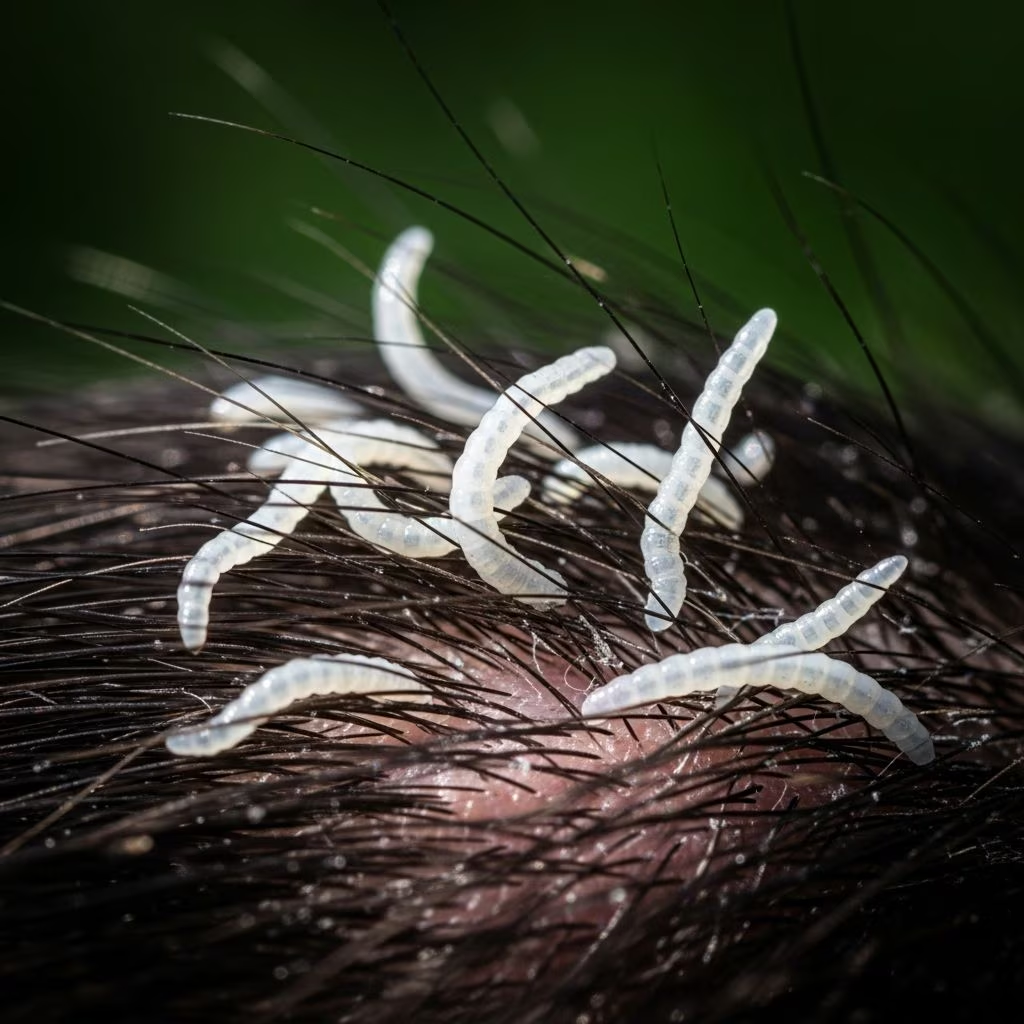
Spotting tiny white worms in your pet’s stool, around their rear, or on bedding can be distressing for any owner. These small parasites, often resembling grains of rice or short threads, are typically segments of tapeworms or fragments of other intestinal worms common in dogs and cats. Prompt identification and veterinary care are crucial to protect your pet’s health and prevent spread to other animals or humans.
Understanding Common Pet Parasites
Intestinal parasites thrive in the warm, nutrient-rich environment of a pet’s digestive tract. Among them, tiny white worms are most frequently linked to tapeworms, which shed mobile segments, or roundworms, which may appear as short white strands when broken. These invaders rob pets of vital nutrients, leading to discomfort and potential complications if ignored.
Tapeworms: The Segmented Intruders
Tapeworms are flat, ribbon-like organisms that anchor to the intestinal wall with hook-like mouths. In dogs and cats, the common species Dipylidium canis spreads via flea ingestion, as larvae develop inside fleas that pets swallow while grooming. Mature tapeworms release proglottids—egg-filled packets that look like tiny white rice grains, sometimes wriggling briefly after expulsion. These segments may dry out and turn yellow but are a clear sign of infestation.
Roundworms: Spaghetti-Like Threats
Roundworms, such as Toxocara canis in dogs, present as longer, cylindrical white worms but can fragment into shorter pieces mistaken for tiny worms. Puppies and kittens are especially vulnerable, acquiring them from their mother’s milk or placenta. Contaminated soil or prey also transmits them, making outdoor pets prime targets.
Other Possible Culprits
Less commonly, hookworms or whipworms might contribute to similar sightings, though they are microscopic and cause blood loss rather than visible segments. Hookworms latch with mouth hooks, while whipworms resemble threads with thickened ends. Always consult a vet for precise differentiation.
Recognizing Signs of Infestation
Beyond visible worms, pets exhibit behavioral and physical changes. Watch for these indicators to catch issues early:
- Frequent scooting on floors or carpets to relieve anal irritation from worm segments.
- Excessive licking or biting at the rear end.
- Visible weight loss despite normal appetite.
- Diarrhea, vomiting, or a pot-bellied appearance, especially in young animals.
- Dull, rough coat and lethargy from nutrient theft.
In heavy infections, worms may appear in vomit or stool en masse, signaling urgency. Puppies and immunocompromised pets face heightened risks like intestinal blockage.
How Pets Contract These Parasites
Parasite lifecycles are complex, often involving intermediate hosts. Key transmission routes include:
| Parasite Type | Primary Transmission | High-Risk Pets |
|---|---|---|
| Tapeworms | Ingestion of fleas or infected rodents/raw meat | Grooming dogs/cats with flea access |
| Roundworms | Contaminated soil, feces, mother’s milk/placenta | Puppies, kittens, outdoor hunters |
| Hookworms | Larvae in soil penetrating skin or ingestion | Dogs in warm, moist environments |
Flea control is paramount, as one infested flea can spark a tapeworm cycle. Zoonotic potential exists, particularly with roundworms, urging hygiene around playgrounds.
Steps for Accurate Diagnosis
Self-diagnosis risks misidentification; professional testing is essential. Veterinarians perform:
- Fecal Flotation Test: Stool sample mixed with solution, centrifuged, and microscopically scanned for eggs.
- Tape Test: Clear tape pressed to the anus collects segments for analysis.
- Follow-Up Exams: Parasites shed intermittently, so multiple samples may be needed.
Bring a fresh stool sample or photos of worms to speed the process. Blood tests detect severe cases.
Treatment Protocols for Worm Removal
Once identified, vets prescribe targeted dewormers. Common options:
- Praziquantel: Kills tapeworms by disrupting their skin; safe for dogs and cats.
- Fenbendazole or Pyrantel: Effective against roundworms and hookworms; often multi-day courses.
- Combination Therapies: Broad-spectrum products like Drontal cover multiple parasites.
Treat all household pets simultaneously, even if asymptomatic, and repeat doses per vet instructions to target newly hatched larvae. Flea treatments accelerate tapeworm clearance.
Prevention Strategies for a Worm-Free Home
Proactive measures minimize reinfection risks:
- Monthly broad-spectrum preventives (e.g., Heartgard Plus, Sentinel) guard against multiple worms.
- Rigorous flea control with topical/oral products and environmental cleaning.
- Regular fecal exams, especially for puppies (every 2-4 weeks until 6 months).
- Scoop waste daily, dispose securely, and avoid raw diets.
- Wash hands post-potty walks and keep pets from hunting/scavenging.
Pregnant pets need deworming to break transplacental cycles.
Health Impacts and When to Worry
Mild cases cause minor irritation, but untreated worms lead to malnutrition, anemia, and stunted growth in juveniles. Rare complications include blockages or migrations to organs. Humans risk visceral larva migrans from roundworm eggs, particularly children. Seek emergency care for severe symptoms like bloody stool or collapse.
FAQs on Tiny White Worms in Pets
Are tiny white worms contagious to humans?
Direct transmission is rare, but roundworm eggs pose zoonotic risk via fecal-oral route. Practice hygiene.
How long until treatment works?
Most pets improve in 24-48 hours; full clearance requires follow-up.
Can I use over-the-counter dewormers?
Not recommended without diagnosis; they may be ineffective or harmful.
What if my indoor cat has worms?
Fleas or rodents can infiltrate; check for segments regularly.
Do kittens need special care?
Yes, deworm at 2, 4, 6, and 8 weeks, then monthly.
This comprehensive approach ensures pets stay parasite-free, fostering happy, healthy lives. Consult your vet for tailored advice.
References
- Short White Worms in My Dog’s Poop. What Should I Do? — Minnieville Animal Hospital. 2023-05-15. https://minnievilleah.com/blog/short-white-worms-in-dog-poop/
- Short White Worms in Dog Poop — Pewaukee Veterinary Service. 2024-02-10. https://pewaukeeveterinaryservice.com/blog/short-white-worms-in-dog-poop/
- Worms in Dog Poop: Signs, Treatment Options, & Prevention — Spot & Tango. 2024-08-22. https://www.spotandtango.com/blog/worms-in-dogs-poop
- Worms in Dog Poop: How to Identify & Treat Them — Hill’s Pet Nutrition. 2023-11-01. https://www.hillspet.com/dog-care/healthcare/identifying-and-treating-worms-in-dog-poop
- How To Tell if Your Dog Has Worms: Symptoms, Treatment — PetMD. 2025-01-12. https://www.petmd.com/dog/general-health/how-to-tell-if-your-dog-has-worms
- Images of Intestinal Worms in Pets — Itch Pet. 2023-07-20. https://www.itchpet.com/blog/post/images-of-intestinal-worms-in-pets
- Tapeworms – Cat Owners — Pets & Parasites. 2024-03-05. https://www.petsandparasites.org/cat-owners/tapeworms/



