

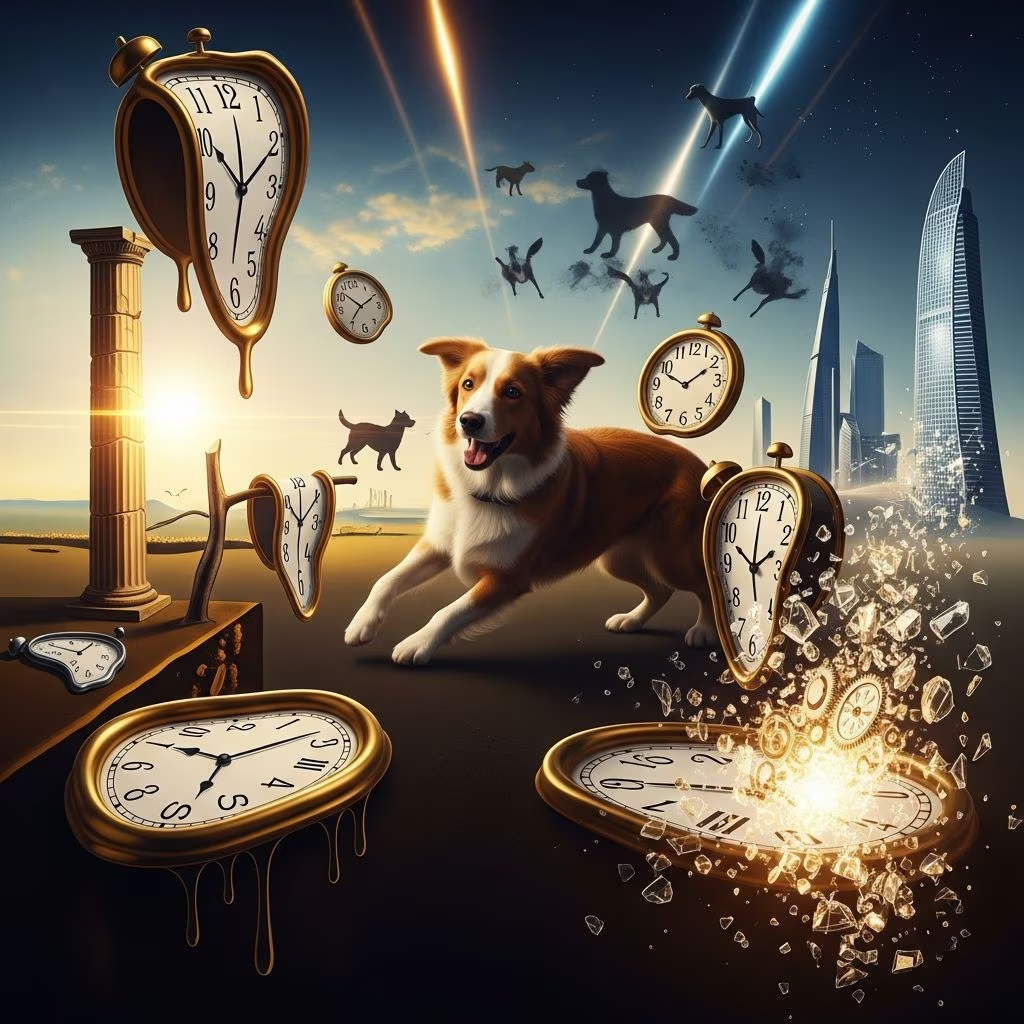
Dogs possess a finely tuned internal clock that governs their daily activities, and abrupt changes like daylight saving time can throw this rhythm into disarray. These shifts, occurring twice a year in many regions, alter light exposure and human schedules, prompting restlessness, altered appetites, and behavioral shifts in pets.
The Science Behind Your Dog’s Internal Rhythm
At the core of a dog’s daily life is the **circadian rhythm**, a 24-hour cycle influenced by light and darkness that regulates sleep, hunger, and activity levels. This biological timer helps dogs anticipate meals, walks, and rest, much like in humans. Research shows that disruptions to this rhythm, such as those from time changes, lead to measurable changes in behavior and physiology.
When external cues like clock adjustments misalign with natural light patterns, dogs may experience fragmented sleep, reducing their daytime alertness and playfulness while increasing inactivity and eating. A study on laboratory dogs revealed that sleep loss caused them to spend more time eating and less on active behaviors, highlighting the rhythm’s role in overall welfare.
Common Disruptions from Clock Changes
Time shifts create a cascade of issues for dogs accustomed to predictable routines. Here’s how they manifest:
- Feeding Schedule Confusion: Dogs link hunger to specific times; a one-hour shift can make meals feel delayed, sparking whining or refusal to eat.
- Sleep Pattern Interruptions: Circadian misalignment leads to early awakenings or nighttime restlessness, especially in puppies and seniors.
- Activity and Walk Timing Mismatches: Expecting walks at ‘old’ times results in pent-up energy, barking, or destructive chewing.
- Heightened Anxiety Levels: Routine breaks elevate stress hormones like cortisol, causing pacing and attention-seeking.
These effects are not uniform; breeds with high energy or anxiety-prone temperaments may struggle more, as do dogs with pre-existing health conditions.
Behavioral Signals of Rhythm Disturbance
Owners often spot subtle cues when their dog’s clock is off-kilter. Watch for:
- Excessive daytime napping or hyperactivity at odd hours.
- Pacing near food bowls or doorways ahead of schedule.
- Increased vocalization or clinginess.
- Indoor accidents from mistimed potty needs.
According to veterinary insights, darker evenings from fall time changes exacerbate reactivity during walks, while spring shifts cause premature wake-ups tied to dawn light.
Health Implications of Disrupted Schedules
Beyond behavior, internal clock disruptions carry health risks. Poor sleep quality correlates with weakened immunity and digestive upset in dogs. Inconsistent feeding heightens risks of obesity or malnutrition, while chronic stress from uncertainty raises cortisol, potentially leading to long-term anxiety disorders.
A peer-reviewed analysis confirmed that sleep fragmentation in dogs boosts inactivity and appetite, mimicking human responses to sleep deprivation. Multi-dog households face added tensions from desynchronized routines, like food guarding.
Proven Strategies to Smooth the Transition
Helping your dog adapt requires gradual adjustments and consistency. Implement these steps a week before and after the change:
- Incrementally Shift Schedules: Advance or delay meals, walks, and bedtime by 10-15 minutes daily.
- Maintain Light Consistency: Use dim lamps to mimic natural dusk or dawn, preserving circadian cues.
- Reinforce Bedtime Routines: Quiet environment, pheromone diffusers, and no pre-dawn responses to whines.
- Monitor and Adjust Exercise: Extra play sessions to burn mismatched energy, avoiding low-light risks with reflective gear.
| Time Change Type | Key Challenge | Adaptation Tip |
|---|---|---|
| Spring Forward | Earlier wake-ups | Gradual morning light exposure |
| Fall Back | Darker evenings | Safety lights for walks |
| Both | Feeding confusion | Fixed clock-based meal alarms |
Special Considerations for Vulnerable Dogs
Not all dogs bounce back equally. Puppies’ developing rhythms make them prone to prolonged fussiness, while seniors face amplified sleep issues and mobility challenges in dim light. Anxious or medically fragile pets benefit from vet-prescribed calming aids during transitions.
For working breeds or those in multi-pet homes, prioritize individual schedules to prevent conflicts. Track behaviors in a journal to identify patterns and tweak routines accordingly.
Long-Term Routine Mastery for Canine Well-Being
Beyond seasonal shifts, a rock-solid daily structure fortifies resilience. Align activities with natural light: morning walks post-sunrise, evening wind-downs pre-dusk. Consistent timing slashes stress hormones, enhancing trainability and mood.
Studies affirm that routine shelter dogs exhibit lower cortisol and better focus, principles applicable at home. Incorporate enrichment like puzzle feeders to bridge energy gaps during adjustments.
FAQs on Time Changes and Dogs
Do all dogs notice time changes?
Most do, due to circadian sensitivity, but highly adaptable or outdoor dogs may adjust faster.
How long does readjustment take?
Typically 3-7 days with gradual shifts; monitor for persistent issues.
Can time shifts cause potty accidents?
Yes, from confused internal cues leading to mistimed urges.
Should I change food type during transitions?
No; stick to routine to avoid compounding digestive stress.
What if my dog seems overly anxious?
Consult a vet for underlying issues or aids like diffusers.
Mastering these dynamics ensures your dog navigates time changes with minimal fuss, preserving their health and harmony year-round.
References
- 5 ways clocks changing might impact your dog — Vets Now. 2025-03. https://www.vets-now.com/2025/03/clocks-change-dogs/
- The cyclic interaction between daytime behavior and the sleep… — PMC (National Library of Medicine). 2022. https://pmc.ncbi.nlm.nih.gov/articles/PMC8748904/
- The Impact of Routine on Dog Behavior and Training — Dog Owners Academy. N/A. https://www.dogownersacademy.com/the-impact-of-routine-on-dog-behavior-and-training/
- Understanding Your Dog’s Daily Rhythm — The Hound HQ. N/A. https://thehoundhq.com/understanding-your-dogs-daily-rhythm-a-guide-for-omaha-pet-parents/
- How Time Changes Like Daylight Savings Can Affect Our Pets — Holiday Barn. N/A. https://holidaybarn.com/blog/how-time-changes-like-daylight-savings-can-affect-our-pets/
- How Does Daylight Saving Time Affect Dogs? — American Kennel Club. N/A. https://www.akc.org/expert-advice/home-living/daylight-savings-time-affect-dogs/



