

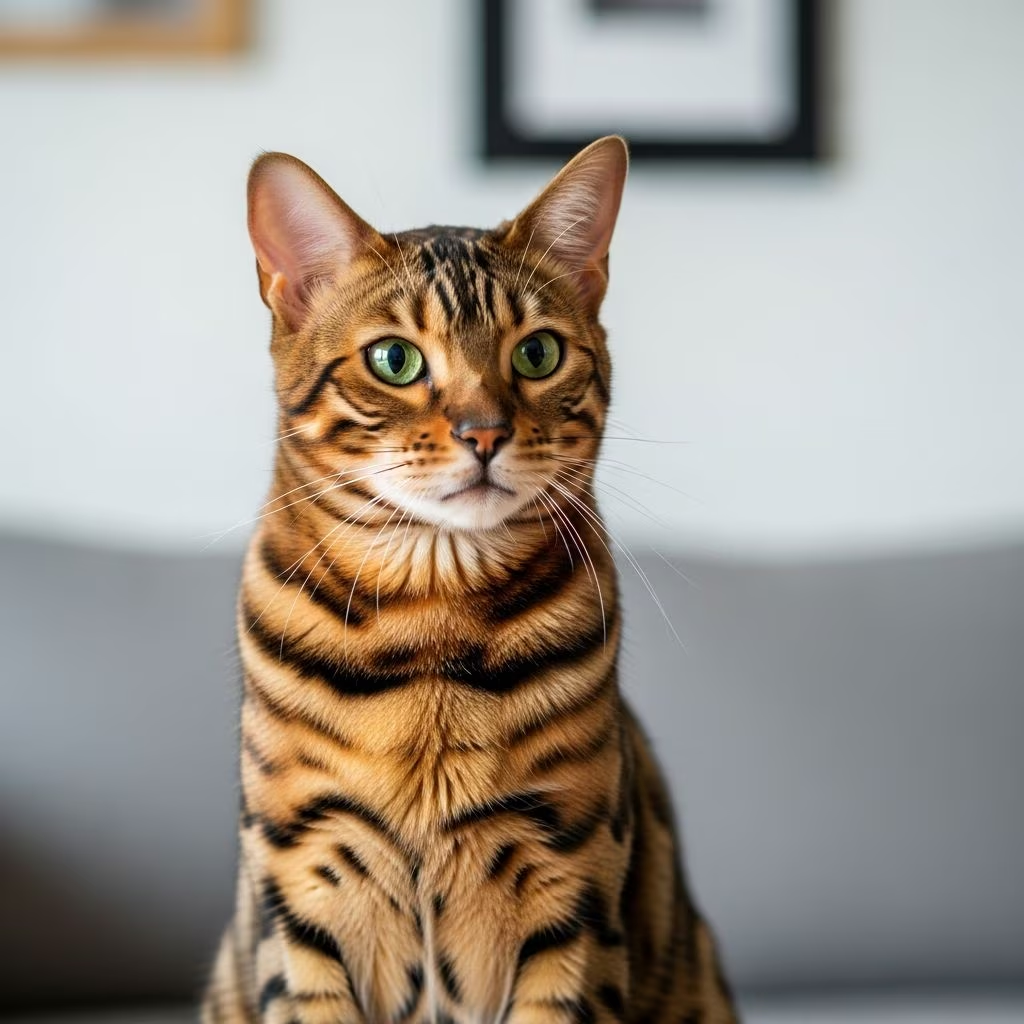
Tiger cats are not a specific breed but rather domestic cats featuring striking tabby patterns resembling tiger stripes, typically brown or orange coats with bold black or dark stripes. These popular felines are known for their outgoing, friendly nature, making them excellent companions for families, apartment dwellers, and multi-pet households.
Tiger Cat Breed Characteristics
| Attribute | Details |
|---|---|
| Height | 9–16 inches |
| Weight | 8–15+ pounds |
| Lifespan | 12–15 years |
| Colors | Brown with black stripes, orange with dark stripes, gray, silver, red, etc. |
| Suitable For | Families with or without children, seniors, apartment living |
| Temperament | Friendly, happy, intelligent, sassy, affectionate, feisty |
Tiger cats display high energy levels requiring mental and physical stimulation, though their temperament varies slightly by individual genetics and background.
Top 3 Unique Facts About Tiger Cats
1. There Are Many Distinct Tiger Cat Patterns
The iconic “M” marking on the forehead defines many tabby cats, but tiger cats exhibit diverse patterns beyond this classic feature. Key patterns include:
- Mackerel tabby: Vertical stripes with narrow lines branching off, resembling a tiger’s bold stripes—most common type.
- Classic tabby: Whorls and marbled swirls forming target-like shapes on the sides.
- Spotted tabby: Circular spots instead of stripes, often seen in breeds like Bengals but possible in domestics.
- Ticked tabby: Banded hairs creating a shimmering effect without bold stripes.
- Patched tabby: Large, irregular patches of color combined with stripes.
These patterns cover the body in stripes, swirls, or spots, always with the “M” on the forehead and agouti banding for a glowing coat.
2. Tiger Cats Are Extremely Social
Highly outgoing and people-oriented, tiger cats thrive in active households with interaction from humans and other pets. Their trusting, happy demeanor sets them apart from more aloof breeds, though they retain an independent streak.
3. Not a True Breed—But Toyger Comes Close
While most tiger cats are mixed tabbies, the Toyger breed was selectively bred to mimic miniature tigers, featuring broken, random stripes, muscular builds, and wild-cat-like features without any actual tiger ancestry.
Tiger Cat Temperament & Intelligence
Tiger cats boast a vibrant personality: friendly, affectionate, intelligent, and playfully sassy. They love playtime but dictate the schedule, often displaying bossy charm by pushing boundaries. Owners adore their feisty independence balanced with cuddly devotion.
Are Tiger Cats Good With Young Children?
Yes, tiger cats excel in family settings, nimble enough to dodge clumsy toddler hands yet patient with gentle petting. Always supervise young kids and pets to ensure safe interactions.
Does This Breed Get Along With Other Pets?
Tiger cats harmonize well with dogs and other cats, lacking the aggression implied by their name. However, their predatory instincts may target small animals like rodents or fish—best avoid housing with prey-like pets.
Training
Basic training succeeds easily: litter box use, scratching posts, and avoiding counters. Advanced tricks prove challenging due to their clever, willful nature—they prefer ruling the home over strict obedience.
Male vs. Female Personality and Temperament
Males tend larger (up to 15 inches, 12+ pounds), females slightly smaller. Personality differences are minimal, both sharing sass and affection, though individuals vary.
Health & Care
With a 12–15-year lifespan, tiger cats enjoy robust health as domestic shorthairs. Provide high-quality diet, regular vet checkups, dental care, and flea prevention.
Grooming & Coat Care
Short, dense coats require weekly brushing to reduce shedding and distribute oils. Minimal bathing needed; focus on nail trims biweekly and ear cleaning monthly.
Exercise & Play
High-energy tiger cats demand daily play: interactive toys, climbing trees, laser pointers. Prevent boredom-induced mischief with puzzle feeders and window perches.
Diet & Nutrition
Feed balanced wet/dry food suited to age and activity; portion control combats obesity risks in indoor cats. Fresh water always available.
Common Health Issues
- Dental disease from plaque buildup.
- Obesity if under-exercised.
- Hypertrophic cardiomyopathy (HCM) possible in some lines—screen via vet.
Tiger Cat History
Tabby patterns trace to ancient wildcats like the African wildcat (Felis silvestris lybica), domesticated 10,000 years ago. The mackerel (tiger-striped) pattern dominates globally, appearing in countless domestic cats. No formal “tiger cat” breed exists; it’s a coat descriptor.
In contrast, the Toyger emerged in the 1980s when breeder Judy Sugden crossed Bengals and domestic shorthairs to create tiger-like domestics, raising wild tiger conservation awareness. Foundation stock included striped domestics and imported cats; stripes are thicker, broken, and random vs. standard tabbies.
Size, Appearance & Coloration
Tiger cats range 9–16 inches tall, 8–15+ pounds, with athletic builds. Signature: bold stripes on legs, tail tip black, white belly, facial markings like “mascara” lines and spectacles.
Coat colors: primarily brown tabby (black stripes), orange/red tabby, also blue, silver. Patterns ensure uniqueness per cat.
Cost
Shelter/rescue tiger cats (as mixed tabbies) cost $50–$200 adoption fees. Pedigree Toyger kittens range $1,500–$5,000 from reputable breeders, reflecting selective breeding.
Tiger Cat Generations
As non-purebreds, no formal F1–F5 generations apply to standard tiger tabbies. Toygers track via pedigrees: early foundation crosses vs. later refined lines closer to ideal tiger mimicry.
Tiger Cat Frequently Asked Questions
Are tiger cats a specific breed?
No, tiger cats describe any domestic cat with mackerel tabby stripes resembling tigers; not a formal breed.
How long do tiger cats live?
Typically 12–15 years with proper care.
Are tiger cats good family pets?
Yes, outgoing and patient, ideal for children and apartments when supervised.
Do tiger cats get along with dogs?
Generally yes, with proper introductions; avoid small prey animals.
How do you care for a tiger cat’s coat?
Weekly brushing for short coat; low-maintenance grooming.
What’s the difference between tiger cats and Toygers?
Toygers are a bred variety engineered for enhanced tiger-like stripes and build; tiger cats are natural tabbies.
Tiger cats bring striped elegance and playful spirit to any home, blending wild aesthetics with domestic charm. Their adaptability suits diverse lifestyles, from bustling families to quiet seniors.
References
- Tiger Cat Breed: Info, Pictures, Care, Traits & Facts — Hepper. 2024-05-15. https://articles.hepper.com/tiger-cat/
- The Tiger-cat – TOYGER cat breed — YouTube (Sugden breeding details). 2023-11-20. https://www.youtube.com/watch?v=h1ErXOuRJzg
- Tiger Cat: Info, Pictures, Facts & Origins — Catster. 2025-03-10. https://www.catster.com/cat-breeds/tiger-cat/
- Tabby Cats: Colors, Patterns, Breeds, and Fun Facts — Cats.com. 2024-08-22. https://cats.com/tabby-cats



