

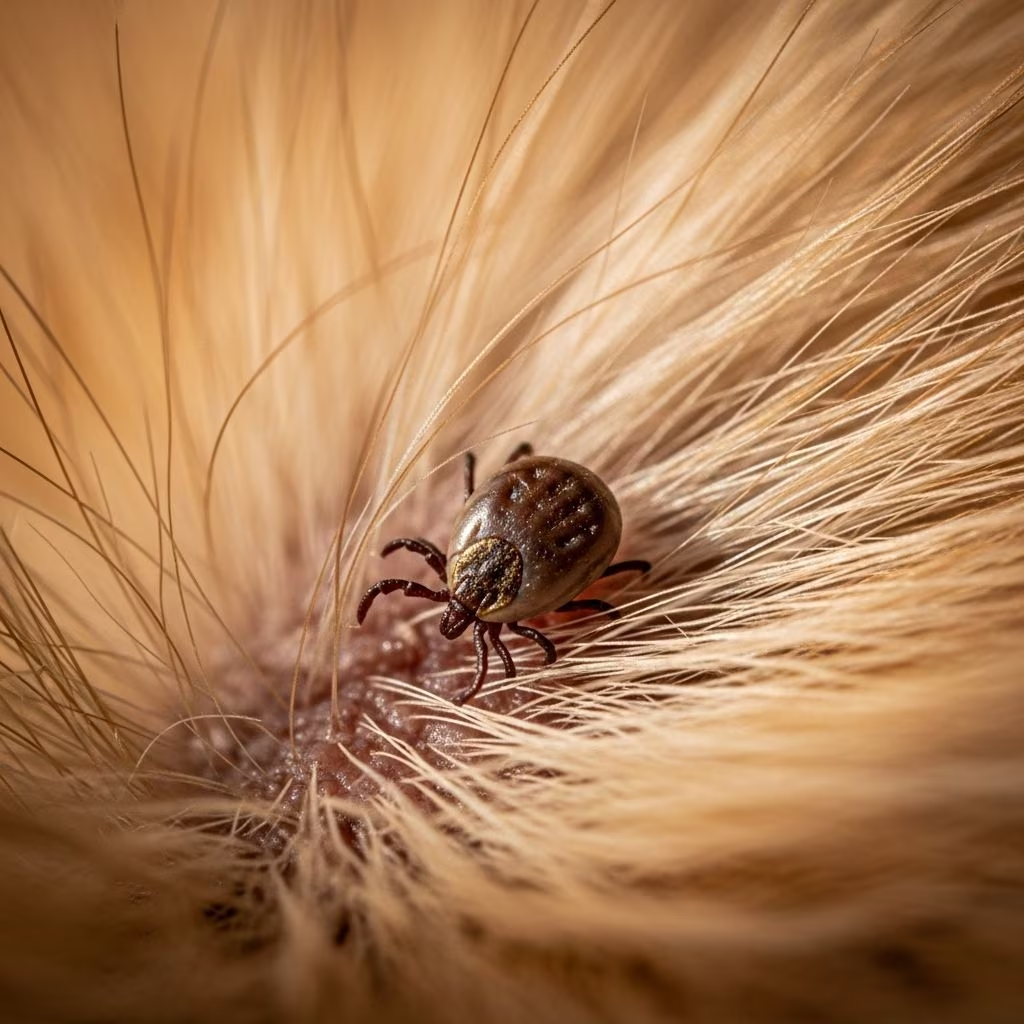
Understanding Ticks on Dogs: A Comprehensive Guide
Ticks are parasitic arachnids that pose significant health risks to dogs by transmitting diseases such as Lyme disease, ehrlichiosis, and Rocky Mountain spotted fever. As a responsible dog owner, understanding the nature of ticks, how to identify them, and implementing effective prevention and removal strategies is essential for maintaining your pet’s health and well-being. This comprehensive guide will walk you through everything you need to know about ticks on dogs, from identification to treatment options.
Identifying Ticks on Your Dog
The first step in protecting your dog from ticks is learning to identify them correctly. Ticks vary in appearance depending on their species, life stage, and whether they are engorged with blood. Most ticks have eight legs and a small, round or oval body that can range in color from brown to reddish-brown to black. Before feeding, ticks are typically small and flat, making them easy to miss during casual inspections. However, once they attach and begin feeding on your dog’s blood, they become visibly engorged and can grow to the size of a small bean.
Common tick species found on dogs include the American dog tick, deer tick (which transmits Lyme disease), brown dog tick, and Lone Star tick. Each species may have slightly different appearances and habitats, but all pose health risks to your canine companion. Regular tick checks are crucial for early detection and removal before ticks can transmit diseases to your pet.
Where Ticks Hide on Dogs
Ticks tend to attach to specific areas on your dog’s body where the skin is thinner and blood flow is closer to the surface. During your daily tick checks, pay special attention to these vulnerable areas:
- Behind and inside the ears
- Around the neck and collar area
- Under the front and back legs
- In the armpits
- Around the groin and rear end
- Between the toes and toe pads
- Under the tail
- Inside the belly and chest area
Running your hands over your dog’s body regularly will help you detect ticks early. For dogs with long or thick coats, this process may require patience and thoroughness, but it’s a critical part of tick prevention and early disease detection.
How to Remove Ticks from Your Dog
If you discover a tick attached to your dog, proper removal is essential. Incorrect removal techniques can leave tick mouthparts embedded in the skin or cause the tick to regurgitate potentially infectious material into your dog’s bloodstream, increasing disease transmission risk.
The proper tick removal process involves the following steps:
- Use fine-tipped tweezers or a specialized tick removal tool to grasp the tick as close to the skin as possible, ideally at the head or mouth area
- Pull straight upward with steady, firm pressure without twisting or jerking motions
- Do not squeeze, crush, or apply heat to the tick, as this may cause it to release infectious material
- After removal, place the tick in a sealed container or alcohol to kill it—do not crush it with your bare hands
- Clean the bite area with antiseptic or soap and water
- Wash your hands thoroughly after handling the tick
If the tick’s mouthparts remain embedded after removal, do not attempt to dig them out with a needle, as this can cause infection. Contact your veterinarian if you’re unable to remove the tick completely or if your dog shows signs of infection at the bite site.
Year-Round Tick Prevention Strategies
Preventing ticks is far more effective than dealing with infestations after they occur. While tick prevention is especially important during warmer months when ticks are most active, ticks can remain active even during cold weather, making year-round protection essential.
Tick Preventive Medications
The most effective way to protect your dog from ticks is to use veterinarian-recommended tick preventive medications. These products work by either killing ticks on contact or repelling them before they can attach and feed. Your veterinarian can recommend the best option based on your dog’s age, weight, health status, and lifestyle.
Oral Tick Preventatives (Chews): Popular oral options include Bravecto, Nexgard, Nexgard Spectra, Simparica, and Simparica Trio. These medications are administered as chewable tablets and typically provide protection for one to three months, depending on the product. Oral preventatives work systemically throughout your dog’s body.
Topical Tick Treatments (Spot-On): Spot-on treatments such as Advantix, Frontline Plus, and Bravecto are applied directly to your dog’s skin, typically at the back of the neck where your dog cannot lick it. These treatments usually provide protection for one month and kill ticks on contact or prevent them from attaching.
Tick Collars: Tick collars like Seresto emit strong repellents that kill or repel ticks upon contact. Modern tick collars can provide protection for up to eight months, making them a convenient long-term option for many dog owners.
It’s important to follow the specific instructions for each preventive product, as application methods, frequency, and age/weight requirements vary. Always consult with your veterinarian before starting any new tick prevention regimen to ensure you’re using the safest and most effective product for your individual dog.
Environmental Control Measures
In addition to using preventive medications, you can make your yard and home less inviting to ticks by implementing these environmental control strategies:
- Mow your lawn regularly to keep grass cut short, as ticks prefer dense vegetation
- Remove leaf litter, brush, and other debris from your yard where ticks may hide
- Trim back trees, shrubs, and plants to reduce shaded, moist areas where ticks thrive
- Avoid or minimize your dog’s exposure to dense wooded areas and tall grass, particularly during peak tick season
- Keep your dog’s bedding clean by washing it regularly in hot water
- Seal cracks and crevices in your dog’s kennel or outdoor shelter to eliminate tick hiding spots
- Create a tick-free zone in your yard by clearing a perimeter around play areas
Tick-Borne Diseases in Dogs
One of the most important reasons to maintain strict tick prevention and removal protocols is to protect your dog from potentially serious tick-borne diseases. Ticks can transmit multiple diseases, with Lyme disease being one of the most common and concerning.
Lyme Disease
Lyme disease is transmitted by infected deer ticks and typically requires 24 hours or more of attachment before the disease can be transmitted. Early removal of ticks significantly reduces the risk of Lyme disease transmission. Symptoms may not appear for weeks or months after infection and can include lameness, fever, loss of appetite, lethargy, and joint swelling.
If Lyme disease is suspected, your veterinarian will perform blood tests and may recommend antibiotic treatment. Early diagnosis and treatment with appropriate antibiotics are crucial for the best outcomes. If you live in an area where Lyme disease is common or if your dog spends significant time outdoors, your veterinarian may recommend annual screening as part of your dog’s regular health examination.
Other Tick-Borne Diseases
Ticks can also transmit ehrlichiosis, Rocky Mountain spotted fever, anaplasmosis, and babesiosis. These diseases can cause similar symptoms to Lyme disease and require prompt veterinary attention for diagnosis and treatment.
Treatment for Tick-Borne Disease
The key to successfully treating tick-borne disease is early diagnosis and prompt intervention. Dogs diagnosed with tick-borne illnesses are typically treated with broad-spectrum antibiotics that effectively target the causative organisms, especially when treatment begins in the early stages of infection. Your veterinarian will determine the appropriate antibiotic and duration of treatment based on your dog’s specific condition.
Since antibiotics can affect your dog’s beneficial digestive bacteria along with disease-causing organisms, your veterinarian may recommend administering probiotics during and after antibiotic treatment to prevent gastrointestinal issues. Some dogs may experience recurring tick-borne conditions, requiring ongoing monitoring through regular blood work to detect any recurrences as early as possible.
Daily Tick Checking Protocol
Establishing a daily tick-checking routine is one of the most effective ways to catch ticks before they transmit disease. The CDC recommends checking your dog daily for ticks, particularly after outdoor activities. A thorough tick check should include:
- Carefully running your hands over your entire dog’s body, feeling for small bumps
- Paying particular attention to the ears, neck, armpits, groin, and areas between toes
- Parting your dog’s fur to look for ticks on the skin
- Using a tick comb for long-haired dogs to help catch ticks more effectively
- Checking immediately after outdoor activities in wooded or grassy areas
For dogs that spend considerable time outdoors, conducting tick checks at least once or twice daily is recommended. Early detection and removal significantly reduce disease transmission risk.
Special Considerations for High-Risk Dogs
Certain dogs face elevated tick-borne disease risk due to their lifestyle or environment. Field dogs that spend extensive time in tick-infested environments require diligent year-round tick prevention. Before taking your dog on outdoor adventures in areas known for high tick populations, ensure they are current on all preventive medications and conduct thorough tick checks afterward.
Dogs in areas with high Lyme disease prevalence should receive extra attention regarding tick prevention and disease screening. If you live in or frequently visit such areas, discuss with your veterinarian whether additional preventive measures or more frequent disease screening might be appropriate for your dog.
Frequently Asked Questions About Ticks on Dogs
Q: How quickly can ticks transmit disease to my dog?
A: Most tick-borne diseases, including Lyme disease, require a tick to be attached for 24 hours or more before transmission occurs. This makes daily tick checks and prompt removal highly effective preventive measures.
Q: Is there a 100% effective tick prevention method?
A: No method offers 100% protection against ticks. However, combining prescription preventive medications with environmental controls, daily tick checks, and prompt removal provides comprehensive protection and significantly reduces disease risk.
Q: Can I use dog tick medication on my cat?
A: Never use dog tick medication on cats. Some dog tick treatments contain chemicals, such as permethrin, that are toxic to cats and can be fatal. Always use species-specific medications as recommended by your veterinarian.
Q: What should I do if I find multiple ticks on my dog?
A: If you discover multiple ticks on your dog or notice ticks in your home, contact a professional pest control company for assistance. Ensure your dog is on prescription tick preventatives and discuss the situation with your veterinarian.
Q: How often should my dog be screened for tick-borne diseases?
A: Annual screening for tick-borne diseases is recommended as part of your dog’s routine veterinary examination, especially if you live in areas where these diseases are common or if your dog spends significant time outdoors.
Q: Can natural remedies effectively kill ticks on dogs?
A: Most natural remedies for ticks are not effective and can even be harmful to your dog. The most effective natural method is manual removal using tweezers. For reliable tick control, use veterinarian-recommended preventive medications.
Creating a Tick Prevention Plan for Your Dog
Working with your veterinarian to develop a comprehensive tick prevention plan tailored to your dog’s specific needs, age, weight, health status, and lifestyle is essential. Your veterinarian can recommend the most appropriate preventive medications, discuss environmental control strategies specific to your area, and establish a disease screening schedule if needed.
Remember that tick prevention is an ongoing commitment that requires year-round vigilance. By combining prescription preventive medications, environmental management, daily tick checks, and prompt removal, you can effectively protect your dog from ticks and the diseases they transmit, ensuring your beloved companion enjoys a long, healthy life.
References
- Preventing Ticks on Pets — Centers for Disease Control and Prevention. 2025. https://www.cdc.gov/ticks/prevention/preventing-ticks-on-pets.html
- Ticks and Lyme Disease: Symptoms, Treatment, and Prevention — U.S. Food and Drug Administration. 2025. https://www.fda.gov/consumers/consumer-updates/ticks-and-lyme-disease-symptoms-treatment-and-prevention
- Canine Tick-Borne Disease — American Kennel Club Canine Health Foundation. 2025. https://www.akcchf.org/disease-history/canine-tick-borne-disease/
- Ticks on Dogs: Identification, Symptoms, Prevention & Treatment — Green Cross Vets. 2024. https://www.greencrossvets.com.au/pet-library/articles-of-interest/ticks-on-dogs-guide/
- The Complete Guide to Flea and Tick Prevention and Treatment for Dogs — PetMD. 2024. https://www.petmd.com/dog/general-health/flea-and-tick-prevention-and-treatment-dogs
- Ticks on Dogs and Cats — RSPCA. 2024. https://www.rspca.org.uk/adviceandwelfare/pets/general/ticks



