

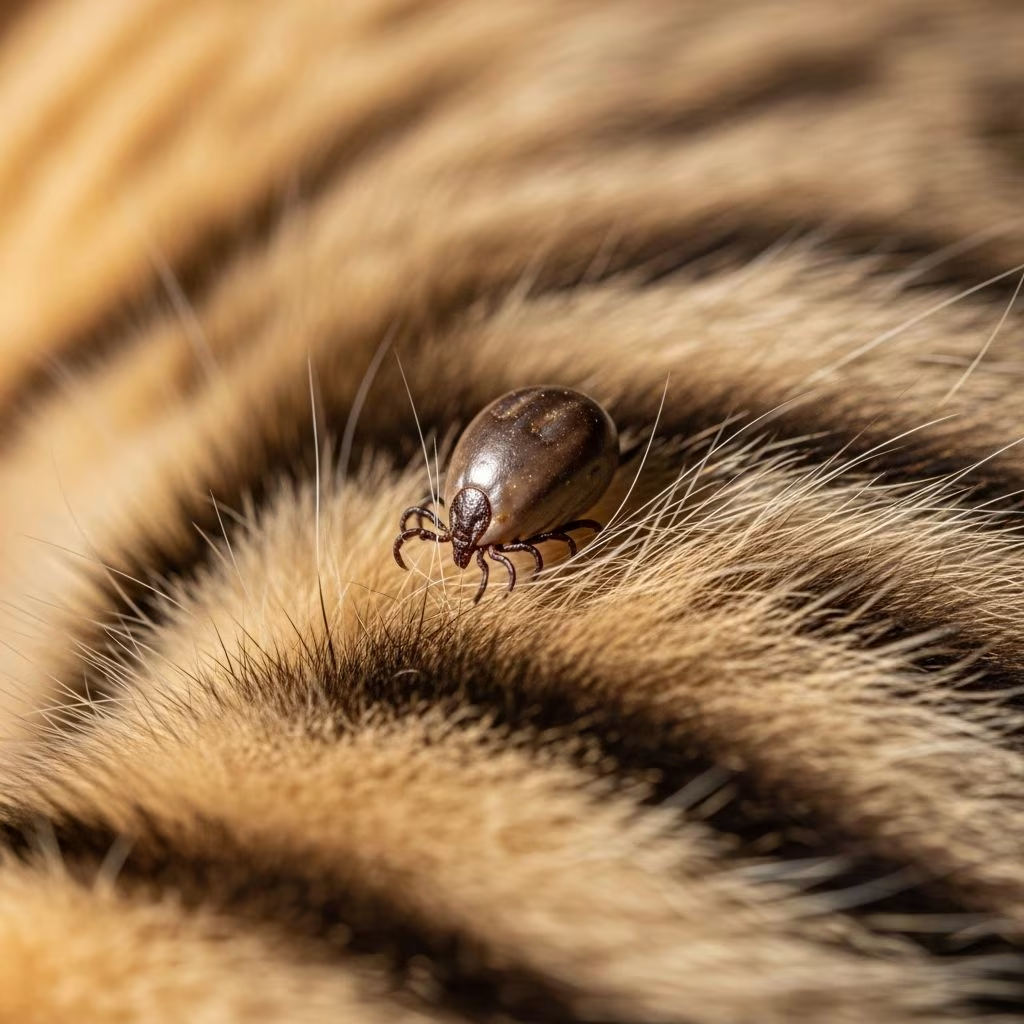
Ticks represent a significant parasitic threat to cats, capable of transmitting dangerous diseases through their bites. Understanding their biology, the dangers they pose, and reliable control measures is crucial for every cat owner.
Understanding Tick Biology and Lifecycle
Ticks are arachnids, not insects, belonging to the order Ixodida, with over 800 species worldwide. In regions where cats roam outdoors, common types include the American dog tick, black-legged tick (deer tick), lone star tick, and brown dog tick. These parasites thrive in wooded, grassy, or brushy areas, waiting on vegetation to latch onto passing hosts like cats.
The tick lifecycle consists of four stages: egg, larva, nymph, and adult. Each stage except egg requires a blood meal to progress. Larvae have six legs, nymphs and adults eight. Females can lay up to 18,000 eggs after feeding, perpetuating infestations. Cats primarily encounter nymphs and adults, which are most active in warmer months from spring to fall, though some species persist year-round in mild climates.
- Egg stage: Laid in clusters on ground; hatches in days to weeks.
- Larva stage: Tiny, feeds on small mammals or birds.
- Nymph stage: Size of a poppy seed; key disease transmitters.
- Adult stage: Larger, sesame seed-sized; females engorge dramatically after feeding.
How Ticks Target Cats
Cats pick up ticks during outdoor activities in tall grass, leaf litter, or underbrush. Indoor cats face lower risk but can import ticks on fur from infested yards or via rodents. Ticks detect hosts through carbon dioxide, body heat, odors, and movement, questing with front legs outstretched. They prefer warm, moist areas on cats like ears, neck, armpits, groin, and between toes.
Once attached, ticks cut into skin with chelicerae, injecting saliva containing anticoagulants and anesthetics. This allows prolonged feeding—nymphs for 3-4 days, adults up to 10 days—without the cat noticing initially. Engorged ticks can swell to grape size, becoming visible.
Diseases Transmitted by Ticks to Cats
Tick bites transmit pathogens causing illnesses that may not show symptoms for weeks or months. Key diseases include:
- Cytauxzoonosis: Fatal protozoal disease from lone star ticks; destroys red blood cells, leading to organ failure. Rare but 90% mortality without prompt treatment.
- Lyme Disease (Borrelia burgdorferi): Bacterial infection from black-legged ticks; symptoms include fever, lethargy, joint pain, anorexia. Chronic cases cause kidney damage.
- Ehrlichiosis and Anaplasmosis: Rickettsial bacteria affecting white blood cells; fever, swollen lymph nodes, bleeding disorders.
- Haemobartonellosis (Mycoplasma haemofelis): Causes hemolytic anemia; pale gums, jaundice, weakness.
- Tularemia: Bacterial zoonosis; high fever, ulcers at bite sites.
Cats show subtler symptoms than dogs, often delaying diagnosis. Testing via bloodwork or PCR confirms infections; antibiotics like doxycycline treat many cases effectively if caught early.
Spotting Signs of Tick Infestations
Early detection prevents disease transmission. Check cats weekly, parting fur in vulnerable spots. Look for:
- Small dark specks (unengorged ticks).
- Bumps or lumps with legs visible.
- Redness, scabbing, or hair loss at attachment sites.
- Behavioral changes: excessive scratching, lethargy, appetite loss.
Symptoms of illness include fever over 103°F, swollen joints, anemia signs (pale gums), or breathing issues. Severe cases lead to seizures or collapse. Consult a vet immediately if suspected.
Safe Tick Removal Techniques
Incorrect removal increases infection risk by squeezing pathogen-laden contents into the wound. Follow these steps:
- Wear gloves; restrain cat gently.
- Use fine-tipped tweezers or tick remover tool.
- Grasp tick close to skin surface.
- Pull straight out with steady pressure; avoid twisting or crushing.
- Disinfect bite site and tweezers with alcohol.
- Save tick in sealed bag with date/location for ID if illness develops.
Never use petroleum jelly, matches, or nails—these provoke regurgitation. If mouthparts break off, they slough naturally; monitor for infection.
Effective Prevention Strategies
Year-round prevention is ideal, especially in endemic areas. Consult vets for cat-specific products; dog formulas can be toxic.
Veterinary-Recommended Treatments
| Method | Duration | Pros | Cons |
|---|---|---|---|
| Spot-on Topicals (e.g., Revolution Plus, Bravecto Plus) | 1 month | Kills/repels on contact; multi-parasite protection | May irritate skin; avoid bathing post-application |
| Oral Medications (e.g., Credelio, Comfortis) | 1-3 months | Easy to administer; systemic action | Possible GI upset; not all cover ticks |
| Flea/Tick Collars (e.g., Seresto) | 8 months | Long-lasting; water-resistant | Odor; not for heavy infestations |
| Injections | 6 months | Hands-off; vet-administered | Requires clinic visit |
These products target all parasite stages, breaking the lifecycle. Prescription options like Revolution Plus also prevent heartworms and intestinal worms.
Environmental and Natural Controls
Complement treatments with habitat management:
- Mow lawns short; remove leaf litter and brush.
- Use diatomaceous earth or beneficial nematodes in yards.
- Wash bedding weekly in hot water.
- Natural repellents: cedar oil sprays, lemon infusions (diluted), but efficacy varies and not vet-endorsed as primary defense.
Vacuum daily, dispose of bags immediately to kill eggs.
Special Considerations for Kittens and Seniors
Kittens under 8 weeks and seniors have sensitive systems; avoid topicals until approved by vet. Oral Capstar kills adult fleas fast (30 minutes) for quick relief but doesn’t prevent reinfestation. Always weigh pets for dosing accuracy.
FAQs
Can indoor cats get ticks?
Yes, via open windows, shoes, or rodents. Low risk but possible.
Do ticks carry diseases to cats like in dogs?
Yes, though cats often asymptomatic; cytauxzoonosis is particularly deadly.
How often should I check my cat for ticks?
Weekly during peak season; daily after outdoor time.
Are natural remedies enough for tick prevention?
No; they supplement but don’t replace vet products for reliable protection.
What if my cat has a tick bite reaction?
Monitor for swelling/infection; seek vet if fever or lethargy appears.
References
- Flea and Tick Prevention for Cats: Do These Treatments Work? — Catonsville Cat Clinic. 2023. https://www.catonsvillecatclinic.com/holmes-corner/flea-and-tick-prevention-for-cats-do-these-treatments-work/
- 7 Options for Flea and Tick Cat Treatment — KittyCatGO. 2024. https://kittycatgo.com/flea-and-tick-cat-treatment/
- The Best Flea and Tick Prevention for Cats — Freeland Animal Hospital. 2023. https://freelandanimalhospital.com/the-best-flea-and-tick-prevention-for-cats/
- Flea and Tick Prevention for Cats in CT: A Cat Owner’s Guide — Cat’s Meow Resort. 2024. https://www.catsmeowresort.com/blog/cat-flea-and-prevention-tips
- Flea and Tick Prevention and Treatment for Cats — PetMD. 2025-01-15. https://www.petmd.com/cat/general-health/flea-and-tick-prevention-and-treatment-cats
- Flea & Tick Treatment & Medicine for Cats — Chewy. 2025. https://www.chewy.com/b/flea-tick-404



