

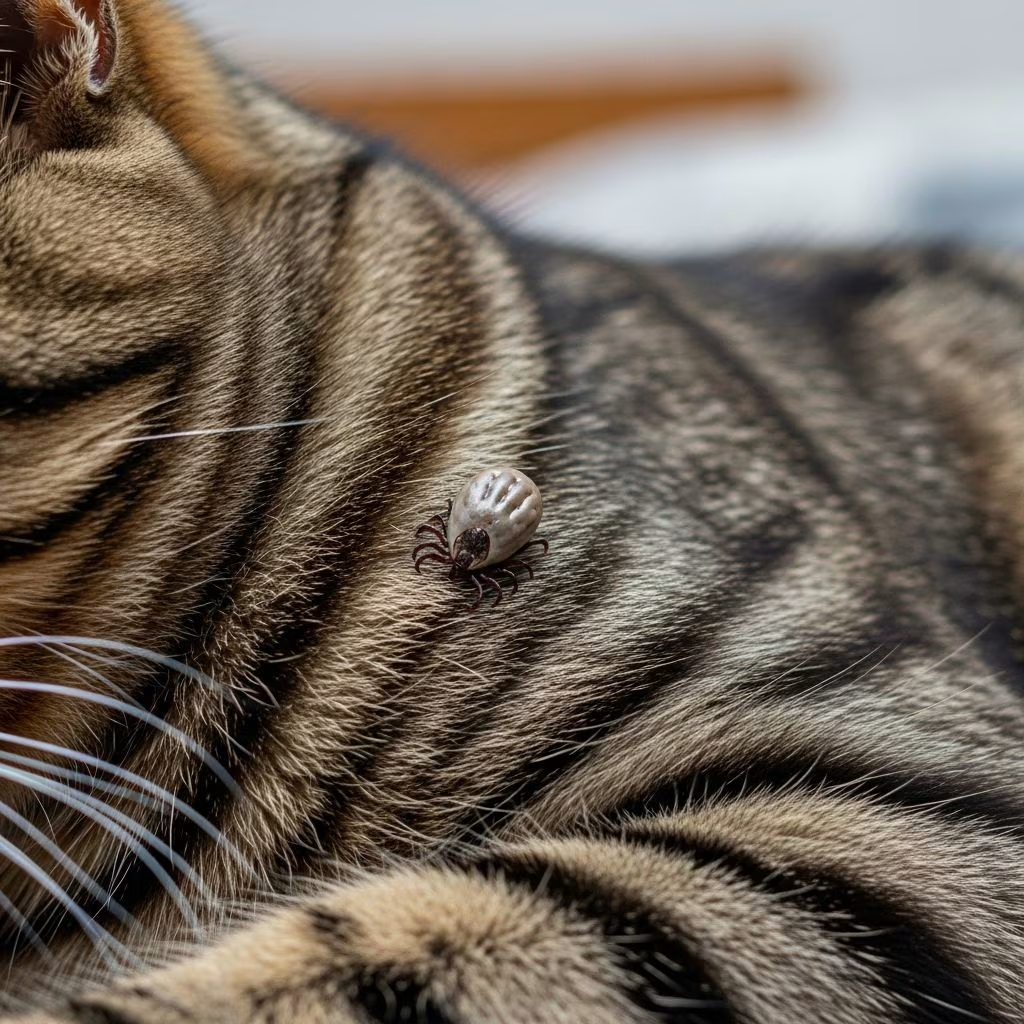
Ticks are external parasites that latch onto cats’ skin to feed on blood, potentially transmitting dangerous pathogens. These arachnids thrive in wooded, grassy, or humid environments, making outdoor cats particularly vulnerable. Understanding their life cycle, impact, and control measures is crucial for feline well-being.
Understanding Tick Biology and Types
Ticks belong to the arachnid family and progress through four life stages: egg, larva, nymph, and adult. Each stage except the egg requires a blood meal to develop. Hard ticks, with their shield-like plate, dominate feline infestations, while soft ticks are less common.
- Hard ticks: Feature a scutum on their back; common species include black-legged (deer) ticks and Lone Star ticks.
- Soft ticks: Lack the scutum; feed more quickly but less frequently encountered on cats.
In various regions, specific ticks pose unique threats. For instance, paralysis ticks in eastern Australia produce neurotoxins, while American species like the Lone Star tick spread protozoans in the southern U.S.
How Cats Encounter Ticks
Cats pick up ticks during outdoor adventures in tall grass, brush, or forests. Indoor cats can get them from rodents or via owners’ clothing. Ticks detect hosts through carbon dioxide, body heat, and movement, questing from vegetation to attach quickly.
Attachment sites include ears, neck, armpits, groin, and between toes—warm, hidden areas where ticks embed mouthparts to feed undetected for days.
Recognizing Signs of Tick Infestation
Early detection prevents complications. Check cats weekly, parting fur in prone areas. Ticks appear as small bumps, enlarging when engorged.
| Stage | Appearance | Size |
|---|---|---|
| Larva/Nymph | Tiny, dark specks | 1mm |
| Adult Engorged | Grape-like, gray | 1cm+ |
Local signs include redness, swelling, or scabbing at bite sites. Heavy loads cause pale gums from anemia.
Symptoms of Tick-Related Health Issues
Beyond irritation, ticks transmit diseases manifesting days to weeks post-bite. Common indicators include:
- Fever and lethargy
- Loss of appetite and weight reduction
- Lameness, joint swelling, or reluctance to jump
- Pale gums, jaundice, or bloody discharges signaling anemia
- Enlarged lymph nodes
- Neurological changes like altered meow, weakness starting in hind legs, swallowing issues, or breathing difficulties
Tailor checks to regions: U.S. cats may show Lyme signs, Australian ones paralysis symptoms.
Major Tick-Borne Diseases in Cats
Lyme Disease
Caused by Borrelia burgdorferi from black-legged ticks, prevalent in eastern U.S. Symptoms: fever, lameness, swollen joints. Antibiotics like doxycycline treat it effectively if caught early.
Cytauxzoonosis
Lone Star tick transmits this protozoan, fatal without prompt intervention. Cats suffer severe anemia, fever, breathing issues in southern U.S. states.
Babesiosis
Babesia felis causes red blood cell destruction, jaundice, weakness; more common outside U.S. like Africa.
Ehrlichiosis
Bacterial infection leading to vomiting, diarrhea, eye discharge, lethargy.
Tick Paralysis
Neurotoxin from paralysis ticks (Australia) causes progressive hindlimb weakness, dilated pupils, respiratory failure. Removal often reverses it.
Other Risks: Tularemia, Hepatozoonosis
Tularemia brings abscesses, fever; hepatozoonosis is rare in cats.
Safe Tick Removal Techniques
Never squeeze or use folk remedies like petroleum jelly, which risk disease injection or infection. Use fine-tipped tweezers:
- Grasp tick close to skin.
- Pull steadily upward without twisting.
- Disinfect site and hands.
- Preserve tick in alcohol for vet ID.
Monitor for illness post-removal; symptoms may delay.
Veterinary Interventions for Tick Issues
Severe cases need professional care. Treatments include:
- Antibiotics (doxycycline) for 2-4 weeks for bacterial infections.
- Supportive therapies: fluids, pain relief, blood transfusions.
- Tick antiserum for paralysis cases.
- Acaricides to eliminate remaining ticks.
Prognosis varies; early action improves outcomes, though some cats become carriers.
Prevention Strategies for Tick-Free Cats
Proactive measures outperform reactions:
- Topical preventives: Spot-ons like Bravecto Plus, Revolution Plus kill/repel ticks for months.
- Collars: Seresto provides 8-month protection.
- Environmental control: Mow lawns, avoid tick hotspots.
- Routine checks: Especially post-outdoors.
Avoid dog products on cats—toxic isoxazolines risk seizures. Consult vets for tailored plans; no feline Lyme vaccine exists.
Regional Considerations and Zoonotic Risks
Ticks vary by locale: U.S. focuses on Lyme/cytauxzoonosis, Australia on paralysis. Humans risk some diseases like Lyme or tularemia from shared environments.
FAQs
Can indoor cats get ticks?
Yes, via rodents, luggage, or owners. Vigilance is key.
How long can ticks stay attached?
Days to a week, increasing disease transmission risk.
Are tick collars safe for cats?
Vet-approved ones like Seresto are, but monitor for reactions.
What if my cat shows paralysis signs?
Seek emergency vet care immediately—could be fatal.
Do ticks jump like fleas?
No, they crawl and quest from grass.
Long-Term Management Post-Infestation
Surviving cats may need monitoring for relapse, like Lyme kidney issues. Maintain preventives year-round in endemic areas. Annual vet checkups aid early detection.
Empowering owners with knowledge reduces tick threats, ensuring healthier feline companions.
References
- 6 Types of Tick-Borne Disease in Cats — PetMD (Michael Kearley, DVM). 2023. https://www.petmd.com/cat/conditions/infectious-parasitic/6-types-tick-borne-disease-cats
- Ticks On Cats: Identification, Symptoms & Removal — Greencross Vets. 2024. https://www.greencrossvets.com.au/pet-library/articles-of-interest/ticks-on-cats-guide-2/
- How to Treat Your Cat for Ticks — Merck Animal Health USA. 2024. https://www.merck-animal-health-usa.com/pet-owners/pet-health/fleas-ticks/how-to-treat-your-cat-for-ticks/
- Cat Ticks: Causes, Signs and Treatment — Purina NZ. 2023. https://www.purina.co.nz/care-and-advice/cat/health/cat-ticks
- Ticks and Your Cat — Cornell University College of Veterinary Medicine. 2024. https://www.vet.cornell.edu/departments-centers-and-institutes/cornell-feline-health-center/health-information/feline-health-topics/ticks-and-your-cat
- Cats and Ticks — Blue Cross UK. 2024. https://www.bluecross.org.uk/advice/cat/health-and-injuries/cats-and-ticks
- Ticks in Cats — VCA Animal Hospitals. 2023. https://vcahospitals.com/know-your-pet/ticks-in-cats



