

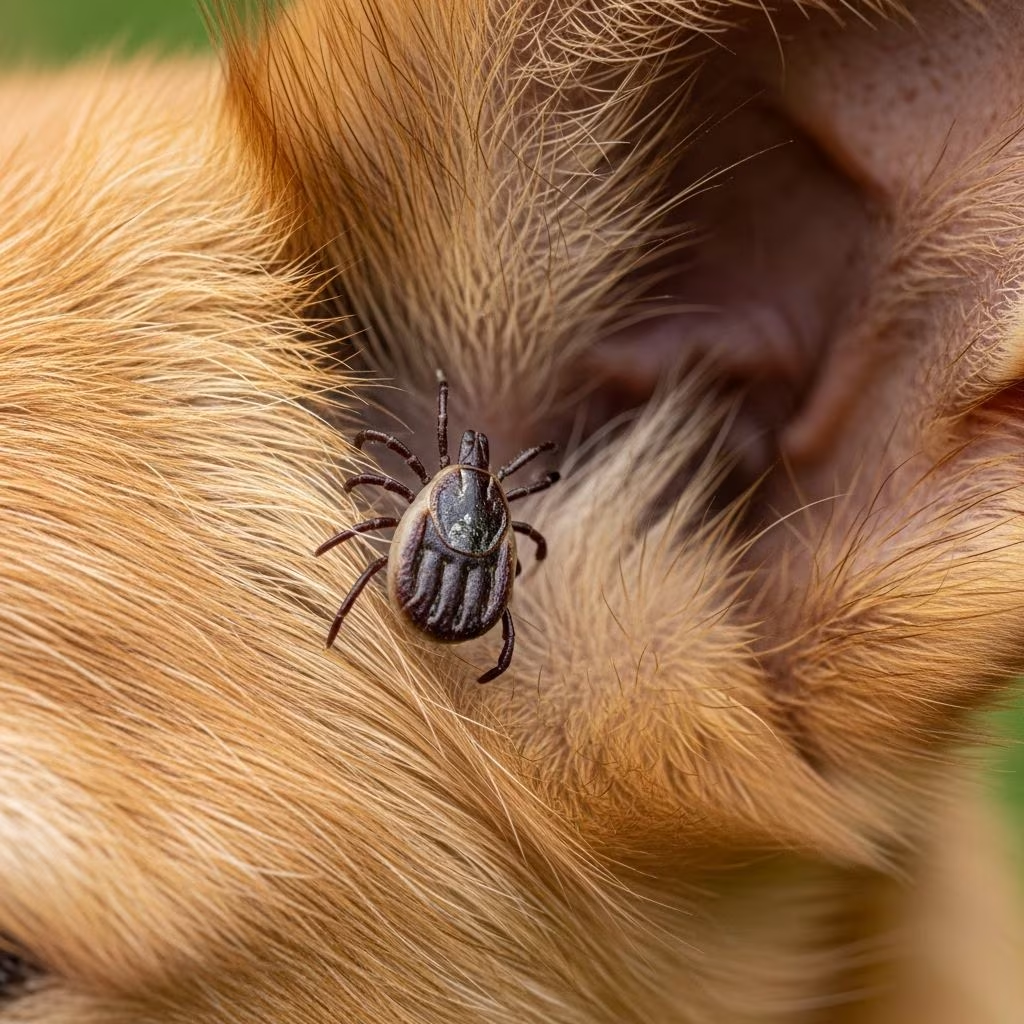
Understanding Ticks in Dogs
Ticks are small parasitic arachnids that feed on the blood of mammals, including dogs. These persistent pests pose a significant health threat to your canine companion, as they can transmit serious diseases while feeding. Understanding ticks, their lifecycle, and how to protect your dog is essential for responsible pet ownership. This comprehensive guide will help you identify ticks, understand the risks they present, and implement effective prevention and treatment strategies.
Ticks are found in many environments, from grassy yards to wooded areas, and they can attach to dogs year-round in many regions. Once attached, ticks burrow into the skin and begin feeding on blood, which can last for several days. During this feeding period, they pose the greatest risk of transmitting disease-causing pathogens to your pet.
What Are Ticks?
Ticks belong to the arachnid family, making them more closely related to spiders than insects. Adult ticks have eight legs and vary in size depending on whether they have recently fed. An unfed tick may be as small as a sesame seed, while a fully engorged tick can grow to the size of a small marble. Ticks come in various species, each with different appearance characteristics and habitat preferences.
The most common tick species affecting dogs include the American dog tick, the brown dog tick, the lone star tick, and the deer tick (also known as the black-legged tick). Each species may carry different disease-causing organisms, making tick identification important for understanding your dog’s specific health risks based on your geographic location.
Tick Lifecycle and Seasonal Activity
Ticks undergo a complex lifecycle consisting of four stages: egg, larva, nymph, and adult. The entire lifecycle can take anywhere from several months to several years, depending on environmental conditions and species. Understanding this lifecycle helps explain why consistent year-round prevention is crucial.
While ticks are most active during warmer months—typically spring through fall—they can remain active during mild winters and even indoors where temperatures stay warm. In some regions, tick season extends nearly year-round, making continuous protection essential. This is why veterinarians recommend maintaining tick prevention throughout the entire year rather than taking seasonal breaks.
Health Risks Associated with Ticks
Ticks pose significant health risks to dogs beyond the discomfort of the bite itself. The primary concern is their ability to transmit disease-causing pathogens during feeding. Some of the most common tick-borne diseases affecting dogs include:
Lyme Disease
Lyme disease is transmitted by deer ticks (black-legged ticks) infected with the bacterium Borrelia burgdorferi. This disease can cause joint pain, lameness, fever, and lethargy in dogs. In severe cases, it may lead to kidney problems. Symptoms may not appear for weeks or months after infection.
Ehrlichiosis
This bacterial disease is transmitted by brown dog ticks and lone star ticks. Ehrlichiosis can cause fever, lethargy, loss of appetite, and bleeding problems. Acute infection may resolve without treatment, but chronic ehrlichiosis can become serious if left untreated.
Rocky Mountain Spotted Fever
Transmitted by American dog ticks and Rocky Mountain wood ticks, this disease causes fever, depression, loss of appetite, and potentially serious complications affecting multiple organ systems if untreated.
Babesiosis
This parasitic infection affects red blood cells and can cause anemia, lethargy, and pale gums. It is transmitted by various tick species depending on geographic location.
Tick Paralysis
Some tick species produce toxins that can cause progressive paralysis in dogs. This condition typically resolves once the tick is removed, but severe cases require immediate veterinary attention.
Identifying Ticks on Your Dog
Regular inspection is the first line of defense against tick-borne diseases. After outdoor activities, especially in areas known to harbor ticks, carefully examine your dog’s entire body. Ticks prefer warm, moist areas and are commonly found in the following locations:
- Between the toes and toe pads
- In the ears and ear flaps
- Under the tail
- In the groin area
- Under the front legs and armpits
- Along the back and neck
- Between skin folds
Unfed ticks appear as small, dark spots on the skin, while engorged ticks are noticeably larger and may appear gray, tan, or reddish depending on how long they have been feeding. Run your fingers or a fine-toothed comb through your dog’s coat to feel for small bumps that might indicate tick presence. Visual inspection combined with tactile checking provides the most thorough assessment.
Tick Prevention Methods
Preventing ticks from infesting your dog is far more effective than treating an infestation after it occurs. Several highly effective prevention options are available, each with distinct advantages and considerations.
Topical Treatments
Topical tick preventatives are applied directly to your dog’s skin, typically between the shoulder blades or along the back. These products create a protective barrier that kills and repels ticks before they can bite. Most topical treatments provide 30 days of protection with monthly application. Popular options include K9 Advantix II, Frontline Shield, and various combination products that also prevent fleas and other parasites.
The advantage of topical treatments is their ease of application and rapid action. Many begin killing ticks within one hour of application. However, they may not be suitable for dogs with skin sensitivities or those that spend extended time in water.
Oral Medications
Oral tick preventatives come as flavored chewable tablets or pills that your dog ingests. These systemic medications circulate through the bloodstream and kill ticks after they bite, significantly reducing disease transmission risk. Products like Simparica TRIO, NexGard, and Bravecto offer different durations of protection, ranging from one month to several months.
Oral medications are convenient for dogs that dislike topical applications and are excellent for active dogs that spend time in water. However, they require your dog to willingly consume the medication and may not be suitable for dogs with certain food allergies or sensitivities.
Tick Collars
Modern tick collars like Seresto release active ingredients that repel and kill ticks throughout a dog’s neck and head area. High-quality collars provide protection for up to eight months, making them a long-lasting option. The Seresto collar is considered safe and effective by veterinarians, though older collar designs may have limited effectiveness.
Tick collars are particularly useful for dogs that tolerate them well and can provide continuous protection without monthly applications. However, they may not be suitable for dogs with skin sensitivities or those that frequently have their collars removed.
Shampoos and Sprays
Tick shampoos and sprays provide additional protective layers, especially after your dog has been in high-risk areas. While not replacements for monthly preventatives, they are useful supplemental tools. These products kill ticks on contact but typically do not provide lasting protection comparable to monthly preventatives.
Environmental Control
Preventing ticks in your home and yard is equally important. Regular vacuuming, washing pet bedding frequently, and maintaining your yard by removing leaf litter and tall grass reduce tick populations in your dog’s environment. Some veterinarians recommend treating the yard with appropriate pesticides during peak tick season in high-risk areas.
How to Properly Remove a Tick
If you find a tick on your dog despite prevention efforts, proper removal is essential. Use the following technique to safely remove the tick:
- Grasp the tick’s head as close to the dog’s skin as possible using fine-tipped tweezers
- Pull straight out firmly and steadily without twisting or jerking
- Place the removed tick in a sealed container or plastic bag
- Clean the bite area with antiseptic soap and water
- Wash your hands thoroughly after removal
Never crush a tick with your bare fingers, as this may release disease-causing organisms. Avoid using petroleum jelly, nail polish, or heat to remove ticks, as these methods may cause the tick to burrow deeper or regurgitate pathogens into the bite wound. If you are uncomfortable removing a tick yourself, your veterinarian can remove it safely and ensure complete removal of all tick parts.
Choosing the Right Prevention Method
The best tick prevention method depends on your individual dog’s needs, lifestyle, and any health considerations. Veterinarians generally recommend one of the following approaches:
For Most Dogs
Veterinarians often prefer oral preventatives containing isoxazoline compounds, such as Simparica or NexGard, as these medications kill ticks quickly after they bite, greatly reducing disease transmission risk. This rapid killing action is a significant advantage in disease prevention.
For Dogs with Specific Needs
Dogs with food allergies or sensitivities may require tailored options when considering oral products. Similarly, dogs that dislike topical applications or whose owners prefer not to apply monthly treatments may benefit from oral medications or long-lasting collars. Dogs with skin sensitivities might do better with oral medications or collars rather than topical treatments.
Consultation with Your Veterinarian
Tick prevention is not one-size-fits-all. Your veterinarian can recommend the safest, most effective formulation based on your dog’s specific needs, age, weight, health status, and your local tick species and disease prevalence. This personalized approach ensures your dog receives optimal protection.
Frequently Asked Questions
Q: How often should I check my dog for ticks?
A: You should check your dog for ticks after every outdoor excursion, particularly in wooded or grassy areas. A thorough daily inspection during peak tick season helps catch ticks before they transmit disease.
Q: Can I use cat tick prevention products on my dog?
A: No, never use cat tick prevention products on dogs. Some ingredients safe for cats are toxic to dogs. Always use products specifically formulated for dogs and consult your veterinarian before applying any treatment.
Q: Is my indoor dog at risk for ticks?
A: Yes, indoor dogs can still get ticks if they venture outside, even briefly. Additionally, ticks can be brought indoors on clothing or other pets. Year-round prevention is recommended for all dogs.
Q: What should I do if my dog shows signs of a tick-borne disease?
A: Contact your veterinarian immediately if your dog shows signs such as lameness, fever, lethargy, or loss of appetite. Early diagnosis and treatment of tick-borne diseases significantly improve outcomes.
Q: Are natural tick remedies effective?
A: Most natural remedies lack scientific evidence of effectiveness. The only truly effective way to quickly eliminate an existing tick is physical removal. For prevention, veterinarian-approved products provide reliable protection.
Q: Can ticks transmit diseases to humans?
A: Yes, ticks can transmit diseases to humans. Protect yourself by wearing protective clothing outdoors, checking yourself for ticks after outdoor activities, and removing ticks properly if found.
When to Contact Your Veterinarian
Contact your veterinarian if your dog shows any signs of illness after a tick bite or tick-borne disease exposure. Additionally, seek veterinary advice if you are unsure about which prevention product to use, if your dog has had adverse reactions to tick preventatives in the past, or if you need assistance removing a tick. Your veterinarian can provide professional guidance tailored to your dog’s individual circumstances and help ensure your pet receives the most appropriate protection available.
References
- The 6 Best Flea and Tick Treatments for Dogs in 2025, With Vet Advice — Business Insider. 2025. https://www.businessinsider.com/guides/pets/best-flea-treatment-dogs
- Preventing Ticks on Pets — Centers for Disease Control and Prevention (CDC). 2024. https://www.cdc.gov/ticks/prevention/preventing-ticks-on-pets.html
- The Complete Guide to Flea and Tick Prevention and Treatment for Dogs — PetMD. 2024. https://www.petmd.com/dog/general-health/flea-and-tick-prevention-and-treatment-dogs
- Flea and Tick Prevention — VCA Animal Hospitals. 2024. https://vcahospitals.com/know-your-pet/flea-and-tick-prevention
- Ask a UW Veterinarian: Tips for Choosing Tick Protection — University of Wisconsin School of Veterinary Medicine. 2024. https://www.vetmed.wisc.edu/ask-a-uw-veterinarian-tips-for-choosing-tick-protection/
- Tick Treatments for Dogs: What Kills Ticks Quickly — GoodRx. 2024. https://www.goodrx.com/pet-health/dog/best-tick-medication



