

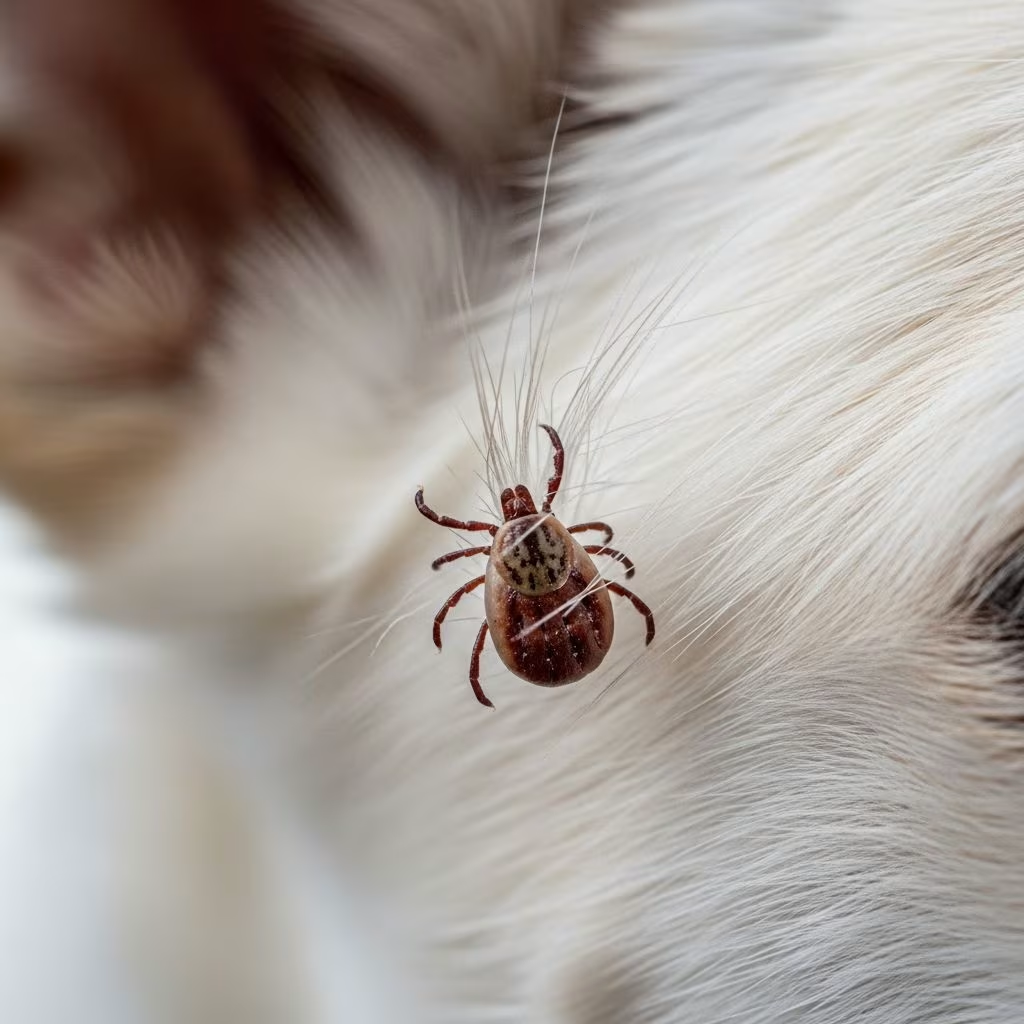
Understanding Ticks in Dogs
Ticks are small parasitic arachnids that feed on the blood of mammals, including dogs. These parasites pose a significant health threat to canine companions, as they can transmit serious diseases such as Lyme disease, Rocky Mountain spotted fever, and ehrlichiosis. Understanding the nature of ticks and their life cycle is essential for effective prevention and control. Ticks can attach to dogs during outdoor activities, especially in wooded areas, tall grass, and other environments where these parasites thrive.
A tick’s life cycle consists of four stages: egg, larva, nymph, and adult. This cycle can take several months to complete, and during each stage except the egg phase, ticks require a blood meal. Once a tick attaches to your dog, it can remain embedded in the skin for days or even weeks, continuously feeding on blood. This prolonged contact increases the risk of disease transmission, making prevention and early detection crucial for your dog’s health and wellbeing.
Identifying Ticks on Your Dog
Regular inspection of your dog’s skin and coat is vital for early tick detection. After outdoor activities, particularly in high-risk areas, thoroughly examine your dog’s entire body, paying special attention to areas where ticks commonly attach, such as the ears, neck, armpits, between the toes, and around the tail. Ticks appear as small, dark bumps on the skin and may vary in size depending on how long they have been feeding.
Unfed ticks are typically the size of a sesame seed, while engorged ticks can grow to the size of a small pea or larger. You may notice your dog scratching or showing signs of discomfort in areas where ticks have attached. If you discover a tick, it’s important to remove it promptly and correctly to minimize the risk of disease transmission.
Tick Prevention Methods
Several effective strategies can help protect your dog from tick infestations. A comprehensive approach combining multiple methods provides the most reliable protection.
Topical Treatments
Topical or spot-on tick preventatives are applied directly to your dog’s skin, usually between the shoulder blades where your dog cannot lick the product off. These treatments kill ticks and fleas on contact and provide long-lasting protection, typically lasting 30 days. Veterinary-strength spot-ons offer superior efficacy compared to over-the-counter options, and some formulations provide true repellency, preventing ticks from attaching in the first place. Your veterinarian can recommend the most appropriate topical product based on your dog’s lifestyle and exposure level.
Oral Medications
Oral tick preventatives come in chewable tablet form and work from inside your dog’s bloodstream. These prescription-strength medications kill ticks once they bite, making them extremely effective for dogs with recurrent infestations or those who cannot tolerate topical solutions. Popular oral options include Bravecto, Nexgard, and Simparica Trio. However, certain dog breeds carrying the MDR-1 gene mutation or dogs with existing medical conditions may not be suitable candidates for oral medications, which is why veterinary consultation is essential before starting treatment.
Tick Collars
Tick collars are among the most reliable long-term preventive options available, offering continuous protection through slow medication release across your dog’s skin over weeks or months. When properly fitted and selected according to your dog’s body weight, these collars can provide protection lasting up to eight months. Modern tick collars release active ingredients that both repel and kill ticks before they can attach to your pet, making them ideal for dogs that spend significant time outdoors.
Tick Sprays and Shampoos
Tick sprays work well as immediate, short-term protection and are especially helpful before and after outdoor activities such as park visits or hiking trips. These products can repel ticks on contact and are useful for protecting vulnerable areas like paws and legs. However, tick sprays provide only temporary protection and should be used alongside long-term preventative methods for best results. Tick shampoos remove surface ticks but do not provide lasting prevention and must be paired with collars, sprays, or spot-on treatments for comprehensive protection.
Regular Grooming and Inspection
Regular grooming and tick checks are essential components of a complete tick prevention strategy. Even with prevention in place, inspect your pet for ticks after spending time outdoors, especially in grassy or wooded areas. Use a flea comb to groom your dog, and wash pet bedding and any fabrics they contact frequently. Maintaining a tidy yard is also crucial—regularly mow your lawn, rake up leaves, and trim back vegetation to reduce tick habitat and minimize infestation risk.
Comprehensive Tick Prevention Strategy
The safest and most effective approach combines multiple prevention methods into a layered routine. A combination of tick collars, spot-on treatments or oral preventives, and regular grooming offers the most comprehensive protection against ticks. This multi-faceted strategy addresses different aspects of tick prevention and provides backup protection if one method fails.
How to Safely Remove a Tick
If you discover a tick on your dog, safe removal is critical. The most effective method involves using fine-tipped tweezers. Grasp the tick’s head as close to your dog’s skin as possible and pull firmly and steadily outward. Avoid twisting or jerking, as this can cause the tick’s mouthparts to break off and remain in the skin, potentially leading to infection or complications. Do not squeeze the tick’s body, as this can force infected fluids into your dog’s skin.
After removal, place the tick in a sealed container or dispose of it properly—never crush it with your bare hands. Clean the bite area with antiseptic and wash your hands thoroughly. Some experts recommend preserving the tick in alcohol in case your dog develops symptoms of tick-borne illness, allowing your veterinarian to identify the tick species for diagnostic purposes.
Tick-Borne Diseases in Dogs
Dogs are highly susceptible to tick bites and the diseases ticks transmit. Common tick-borne illnesses affecting dogs include:
- Lyme Disease: Transmitted by deer ticks, causing joint pain, fever, and potentially kidney disease
- Rocky Mountain Spotted Fever: Transmitted by wood ticks, causing fever, lethargy, and rash
- Ehrlichiosis: Transmitted by lone star ticks, causing fever, anemia, and bleeding disorders
- Anaplasmosis: Transmitted by deer ticks, causing lameness, fever, and lethargy
Early detection and prevention of tick infestations significantly reduce the risk of your dog contracting these serious diseases. Vaccines are not available for most tick-borne illnesses, making prevention through tick control the most important protective measure.
Choosing the Right Tick Prevention Product
Selecting an appropriate tick prevention product depends on several factors including your dog’s age, weight, health status, lifestyle, and any existing medical conditions. Over-the-counter flea repellents, including powders, collars, shampoos, and certain spot-ons, vary widely in strength and efficacy and should only be used after consulting with your veterinarian. Prescription medications for fleas and ticks are clinically tested and regulated, offering stronger and more consistent protection tailored to your individual dog’s needs.
Your veterinarian can evaluate your dog’s risk factors and recommend the most suitable prevention strategy. Dogs with sensitive stomachs may do better with topical treatments rather than oral medications, while dogs that dislike topical applications might prefer oral chewables or collars. Annual veterinary visits provide opportunities to reassess your dog’s tick prevention needs and adjust the strategy as your dog’s lifestyle or health status changes.
Environmental Tick Control
Controlling ticks in your home environment complements direct prevention on your dog. Regularly vacuum your home, particularly areas where your dog spends time, to remove ticks at all life stages. Wash your dog’s bedding and any fabrics they contact frequently in hot water. Treating your yard by maintaining proper landscaping, removing leaf litter, and potentially using professional pest control services can significantly reduce the tick population in areas where your dog spends time outdoors.
When to Contact Your Veterinarian
Contact your veterinarian if your dog shows signs of tick infestation, develops symptoms of tick-borne illness such as fever, lethargy, or joint pain, or if you need guidance selecting appropriate tick prevention products for your specific dog. Your vet can perform a thorough health assessment and recommend the safest and most effective tick prevention strategy for your pet’s individual needs.
Frequently Asked Questions
Q: How often should I check my dog for ticks?
A: Check your dog for ticks after every outdoor activity, especially in areas where ticks are common. During tick season, perform thorough inspections at least daily, paying particular attention to warm, moist areas of the skin.
Q: What is the safest tick prevention method for dogs?
A: The safest approach is a combination of tick collar, spot-on or oral preventive, and regular grooming. This layered routine offers the most effective tick prevention for dogs and should be selected based on your dog’s individual health profile and lifestyle.
Q: Can tick shampoos alone protect my dog from tick bites?
A: No. Tick shampoos only remove surface ticks and do not provide lasting tick prevention. They must be paired with collars, sprays, or spot-on treatments for comprehensive protection.
Q: How often should I apply tick spray to protect my dog?
A: Tick sprays offer short-term protection and may need application before and after outdoor activity. Use them alongside long-term tick prevention methods for best results.
Q: Are oral tick medications safe for all dogs?
A: Oral tick preventives are effective for tick prevention, but some breeds with the MDR-1 gene cannot take them. Always check with your veterinarian before use, as certain dogs with existing medical conditions may need alternative options.
Q: Will ticks fall off my dog after oral preventive medication?
A: Yes. Oral tick treatments make your dog’s blood toxic to ticks. When a tick bites your dog, they ingest the medication and die, then fall off your dog.
Q: What should I do if I find a tick on my dog?
A: Use fine-tipped tweezers to grasp the tick’s head as close to the skin as possible. Pull firmly and steadily outward without twisting. Clean the area with antiseptic and wash your hands thoroughly.
References
- Protection From Ticks: The Complete Guide on Tick Products — Vetic. 2024-11-28. https://vetic.in/blog/pet-health/tick-prevention-in-dogs-which-products-provide-protection-from-ticks-and-which-dont/
- Tick Treatments for Dogs: What Kills Ticks Quickly — GoodRx. 2024-11-28. https://www.goodrx.com/pet-health/dog/best-tick-medication
- Top Tick Prevention Methods for Cats and Dogs in Tucson — Desert Paws Veterinary Clinic. 2024-11-28. https://desertpaws.com/top-tick-prevention-methods-for-cats-and-dogs-in-tucson/
- The Complete Guide to Flea and Tick Prevention and Treatment for Dogs — PetMD. 2024-11-28. https://www.petmd.com/dog/general-health/flea-and-tick-prevention-and-treatment-dogs
- Mastering Effective Flea and Tick Control: Proven Methods from College Hills Veterinary Hospital — College Hills Veterinary Hospital. 2024-11-28. https://collegehillsvet.com/mastering-effective-flea-and-tick-control-proven-methods-from-college-hills-veterinary-hospital/
- Preventing Ticks on Pets — Centers for Disease Control and Prevention. 2024-11-28. https://www.cdc.gov/ticks/prevention/preventing-ticks-on-pets.html
- Ask a UW Veterinarian: Tips for Choosing Tick Protection — University of Wisconsin School of Veterinary Medicine. 2024-11-28. https://www.vetmed.wisc.edu/ask-a-uw-veterinarian-tips-for-choosing-tick-protection/



