Ticks in Cats: Prevention, Identification & Treatment Guide
Complete guide to identifying, preventing, and treating ticks in cats safely and effectively.
Understanding Ticks in Cats: A Comprehensive Guide
Ticks are external parasites that pose a significant health risk to cats, particularly those with outdoor access or living in areas where ticks are prevalent. These tiny arachnids attach to your cat’s skin and feed on their blood, potentially transmitting serious diseases in the process. Understanding the nature of ticks, how to identify them, and implementing effective prevention strategies is essential for maintaining your cat’s health and wellbeing. This guide provides cat owners with actionable information about tick identification, prevention methods, and appropriate treatment approaches.
What Are Ticks and How Do They Affect Cats?
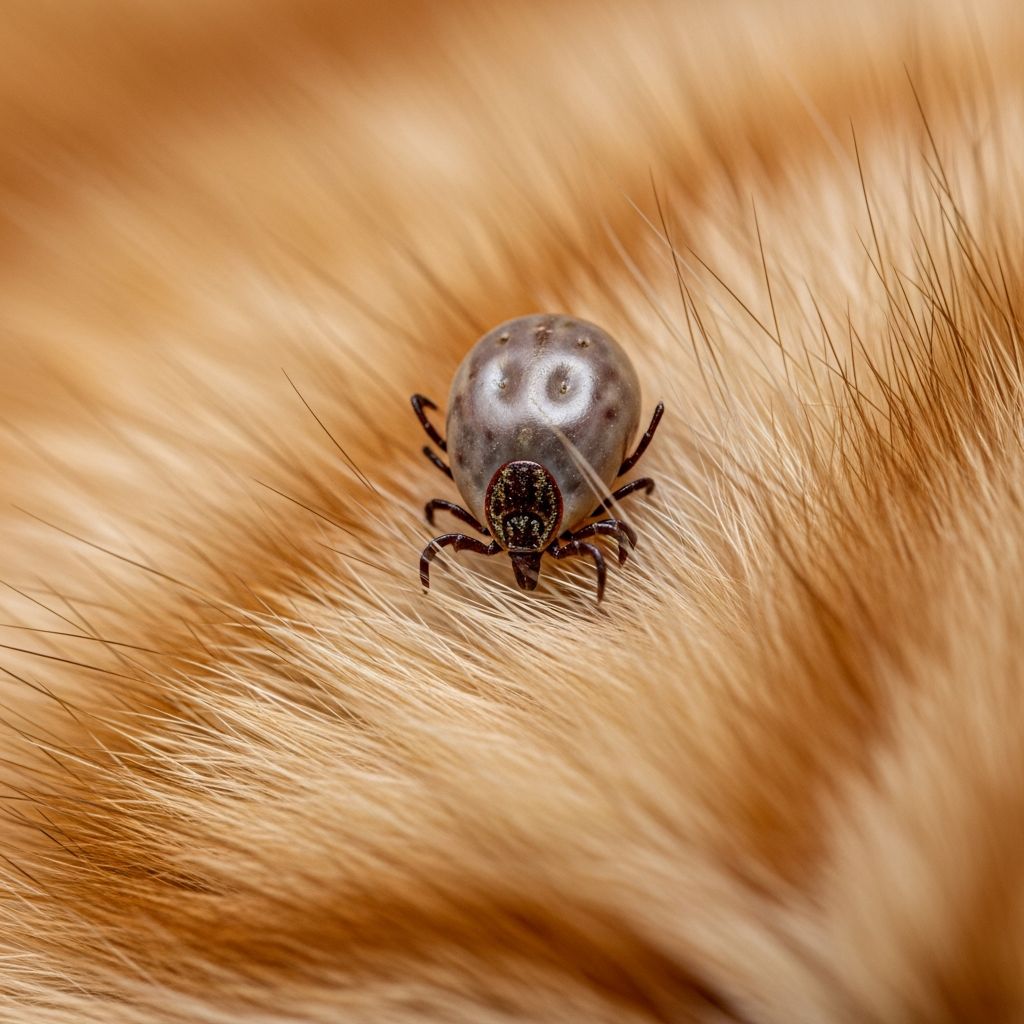
Ticks are parasitic arachnids that feed on the blood of mammals, including cats. Unlike fleas, which are insects, ticks are more closely related to spiders and mites. They have eight legs and undergo multiple life stages before reaching maturity. Ticks are particularly problematic because they can transmit various pathogens to cats through their saliva while feeding.
Cats can encounter ticks in outdoor environments, particularly in grassy, wooded, or brushy areas. While cats are fastidious groomers and typically remove parasites more effectively than dogs, they are still vulnerable to tick infestations. The grooming behavior of cats actually provides some natural protection, as they often remove ticks before the parasites can fully attach and establish a feeding relationship.
Identifying Ticks on Your Cat
Regular tick checks are essential for cat owners, especially those with outdoor or indoor-outdoor cats. Ticks can be identified by their distinctive appearance once they attach to your cat’s skin.
What Ticks Look Like
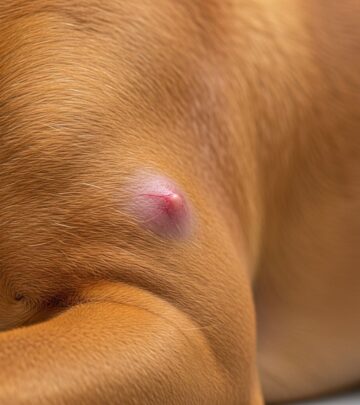
Unfed ticks are typically very small, about the size of a sesame seed, and may be difficult to spot. However, once a tick attaches and begins feeding, it becomes engorged with blood and becomes more visible. An engorged tick can appear as a small bump or swelling on your cat’s skin, often dark in color, ranging from brown to reddish hues depending on how long it has been attached.
Where to Check for Ticks
When examining your cat for ticks, pay special attention to areas where ticks commonly attach:
- Around the ears and inside the ear flaps
- The head and face region
- The neck and under the chin
- Between the toes and paw pads
- Under the legs and armpits
- The groin and genital areas
- Along the spine and between shoulder blades
Run your hands carefully through your cat’s fur, paying particular attention to areas where the fur is thinner and skin more accessible. If you feel an unusual bump, carefully part the fur and inspect the area more closely. Finding ticks early, before they become fully engorged, increases the chances of preventing disease transmission.
Signs and Symptoms of Tick Infestation
While many tick infestations may not produce obvious symptoms, certain signs should alert you to potential problems. Some cats may show local reactions at the site of attachment, including redness, irritation, or small wounds. More concerning are the signs associated with tick-borne diseases or tick paralysis.
General Symptoms of Tick Problems
- Visible bumps, scabs, or wounds on the skin
- Hair loss around the bite site
- Scratching or licking at affected areas
- Signs of infection such as swelling or discharge
- General lethargy or decreased appetite
Serious Warning Signs
Certain symptoms warrant immediate veterinary attention, as they may indicate a serious complication such as paralysis tick poisoning or tick-borne disease:
- Changes in vocalization or meowing patterns
- Weakness, particularly in the hind legs
- Abnormal gait, stumbling, or reluctance to jump
- Dilated pupils
- Difficulty swallowing or excessive salivation
- Respiratory difficulties or difficulty breathing
- Vomiting or regurgitation
- Paralysis or loss of coordination
If you observe any of these symptoms in your cat, contact your veterinarian immediately. These signs may indicate tick paralysis or serious tick-borne illness requiring urgent treatment.
Tick-Borne Diseases in Cats
One of the primary concerns with tick infestations is the potential transmission of disease. Ticks can carry and transmit various pathogens to cats, including bacterial, viral, and parasitic organisms.
Common Tick-Borne Diseases
Several diseases can be transmitted through tick bites, though the prevalence varies by geographic location. Lyme disease, caused by the bacterium Borrelia burgdorferi, is transmitted through tick saliva. While Lyme disease is more common in dogs and humans, cats can also become infected. Other tick-borne conditions in cats include babesiosis, tularemia, and cytauxzoonosis.
Cytauxzoonosis is a particularly serious tick-borne disease in cats, caused by the protozoan parasite Cytauxzoon felis. This disease is often fatal in infected cats if not treated promptly. Tularemia, another tick-transmitted bacterial disease, can cause severe illness in cats.
Treatment of Tick-Borne Diseases
Early detection and treatment are critical for improving outcomes in tick-borne illnesses. Antibiotics such as tetracycline and doxycycline are often effective treatments for bacterial infections like Lyme disease, especially when diagnosed early. However, some tick-borne diseases, particularly cytauxzoonosis and certain strains of tularemia, may have poor prognoses even with treatment. This underscores the importance of prevention rather than relying on treatment after infection occurs.
Safe Tick Removal Methods
If you discover a tick on your cat, proper removal is crucial to prevent disease transmission and minimize complications.
How to Properly Remove a Tick
The recommended method for tick removal involves the use of fine-tipped tweezers or a specialized tick removal tool. Grasp the tick as close to your cat’s skin as possible and pull steadily and directly outward. Avoid twisting or jerking motions, which may cause the tick to break apart, leaving the mouthparts embedded in the skin.
Once removed, place the tick in a sealed container or wrap it securely in tissue before disposing of it. You may wish to save the tick for identification if your cat develops signs of illness. Clean the bite area and your hands thoroughly with soap and water, or use an alcohol-based hand sanitizer.
Methods to Avoid
Several home remedies are commonly recommended but should be avoided, as they are ineffective or potentially harmful:
- Applying petroleum jelly or grease to the tick
- Touching the rear of the tick with a hot match or lighter
- Applying nail polish or other substances
- Squeezing or crushing the tick body
These methods do not effectively remove ticks and may cause the tick to regurgitate infectious agents into your cat, increasing the risk of disease transmission. Additionally, applying heat or pressure to an engorged tick can cause it to burst, scattering potentially infectious material.
Tick Prevention Strategies
Prevention is far more effective than treatment in managing tick infestations. Several strategies can significantly reduce your cat’s risk of acquiring ticks.
Keeping Cats Indoors
The most effective way to prevent ticks is to keep your cat indoors at all times. Indoor cats have virtually no exposure to wild ticks and are not at risk for tick-borne diseases. This approach also protects cats from other outdoor hazards including predators, vehicles, and infectious diseases.
Environmental Management
If your cat has outdoor access, managing your yard can reduce tick populations. Regular lawn maintenance including frequent mowing, removal of brush and leaf litter, and clearing of tall grass reduces tick habitat. Some pet owners use pet-friendly pesticides to further reduce tick populations in their yards, though these should be chosen carefully to avoid toxicity to pets.
Regular Grooming and Inspection
Regular grooming with a fine-toothed comb helps identify ticks before they become established. Special tick-removal combs can be particularly useful. Bathing your cat with medicated tick shampoo containing appropriate active ingredients can kill ticks on contact, though cats typically tolerate baths poorly. Discuss appropriate grooming strategies with your veterinarian.
Tick Preventative Products for Cats
Numerous commercial tick prevention products are available for cats, offering various methods of administration and duration of protection. It is essential to choose products specifically formulated for cats, as some products designed for dogs contain ingredients that are toxic to felines.
Types of Tick Preventatives
| Product Type | Description | Duration | Considerations |
|---|---|---|---|
| Spot-On Treatments | Topical solutions applied to the skin, typically at the back of the neck | Up to 1 month | Highly effective; products like Revolution Plus, Bravecto, and Bravecto Plus available; some also treat fleas |
| Tick Collars | Collars that release chemicals to repel or kill ticks | Varies (some up to 8 months) | Products like Seresto available for cats; mainly protect neck and head; must fit properly |
| Oral Medications | Tablets administered orally | Varies by product | Convenient for cats that resist topical treatments; consult vet for appropriate options |
| Powders | Powder formulations applied to coat | Requires frequent reapplication | Less commonly used due to need for frequent application and potential inhalation concerns |
Choosing the Right Product
Never apply tick treatments designed for dogs to cats. Many canine tick preventatives contain permethrin or other pyrethroids, which are highly toxic to cats and can cause serious illness or death. Always verify that any product is labeled for use in cats and consult with your veterinarian before applying any treatment.
Your veterinarian can recommend the most appropriate preventative based on your cat’s age, health status, indoor versus outdoor lifestyle, and any sensitivity to specific ingredients. Some cats may not tolerate certain products, making veterinary guidance particularly important.
When to Consult Your Veterinarian
Professional veterinary guidance is essential for comprehensive tick management. Contact your veterinarian if:
- You find ticks on your cat and are uncertain about safe removal
- Your cat shows signs of illness following a tick bite
- You notice multiple ticks on your cat, which may indicate a grooming problem related to illness
- You are unsure which tick preventative is appropriate for your cat
- Your cat develops a reaction to a tick preventative product
- Your cat exhibits any of the serious symptoms listed above
Your veterinarian can provide professional removal services, administer tick antiserum if paralysis tick exposure is suspected, prescribe appropriate preventatives, and provide supportive care if your cat has contracted a tick-borne illness.
Frequently Asked Questions About Ticks in Cats
Q: Can indoor cats get ticks?
A: While indoor cats have significantly lower risk, ticks can be brought indoors on clothing, shoes, or other pets. Maintaining a tick-free indoor environment and checking any pets coming from outdoors helps minimize this risk.
Q: Why do cats get fewer ticks than dogs?
A: Cats are fastidious groomers and naturally remove many parasites through grooming behavior. This grooming instinct provides some natural protection against tick infestation, though it is not completely effective.
Q: How quickly can a tick transmit disease?
A: Disease transmission risk increases the longer a tick remains attached. While some diseases can be transmitted relatively quickly, removing ticks as soon as possible significantly reduces infection risk.
Q: Is it safe to use flea and tick products together?
A: Some combination products treat both fleas and ticks simultaneously. Only use products specifically labeled for combined use, and always follow veterinary recommendations regarding dosing and application frequency.
Q: What should I do if my cat has an adverse reaction to a tick preventative?
A: Contact your veterinarian immediately. Discontinue use of the product and provide details about the reaction. Your vet can recommend alternative prevention methods that may be better tolerated.
Q: Are there natural tick preventatives for cats?
A: While some natural products claim tick prevention properties, their effectiveness is limited compared to veterinarian-recommended treatments. Always consult your vet before using any natural products to ensure safety and efficacy.
Q: How often should I check my cat for ticks?
A: Daily checks are ideal, particularly after outdoor activities. At minimum, conduct thorough tick checks several times per week if your cat has outdoor access.
References
- Ticks in Cats — VCA Animal Hospitals. 2024. https://vcahospitals.com/know-your-pet/ticks-in-cats
- Ticks and Your Cat — Cornell University College of Veterinary Medicine. 2024. https://www.vet.cornell.edu/departments-centers-and-institutes/cornell-feline-health-center/health-information/feline-health-topics/ticks-and-your-cat
- Preventing Ticks on Pets — Centers for Disease Control and Prevention (CDC). 2024. https://www.cdc.gov/ticks/prevention/preventing-ticks-on-pets.html
- Ticks On Cats: Identification, Symptoms & Removal — Greencross Vets. 2024. https://www.greencrossvets.com.au/pet-library/articles-of-interest/ticks-on-cats-guide-2/
- Cats and Ticks | How to Spot and Remove Ticks — Blue Cross. 2024. https://www.bluecross.org.uk/advice/cat/health-and-injuries/cats-and-ticks
- How to Prevent and Treat Ticks On Cats — Humane Society Veterinary Medical Association (HSVB). 2024. https://hsvb.org/how-to-prevent-and-treat-ticks-on-cats/
- Parasites and Prevention: Ticks — Just Cats Clinic. 2024. https://justcatsclinic.com/parasites-and-prevention-ticks/
Similar Articles








Read full bio of Sneha Tete