Can You Remove Ticks with Petroleum Jelly or Nail Polish?
Discover why common tick removal hacks don't work and learn the safe, effective method.
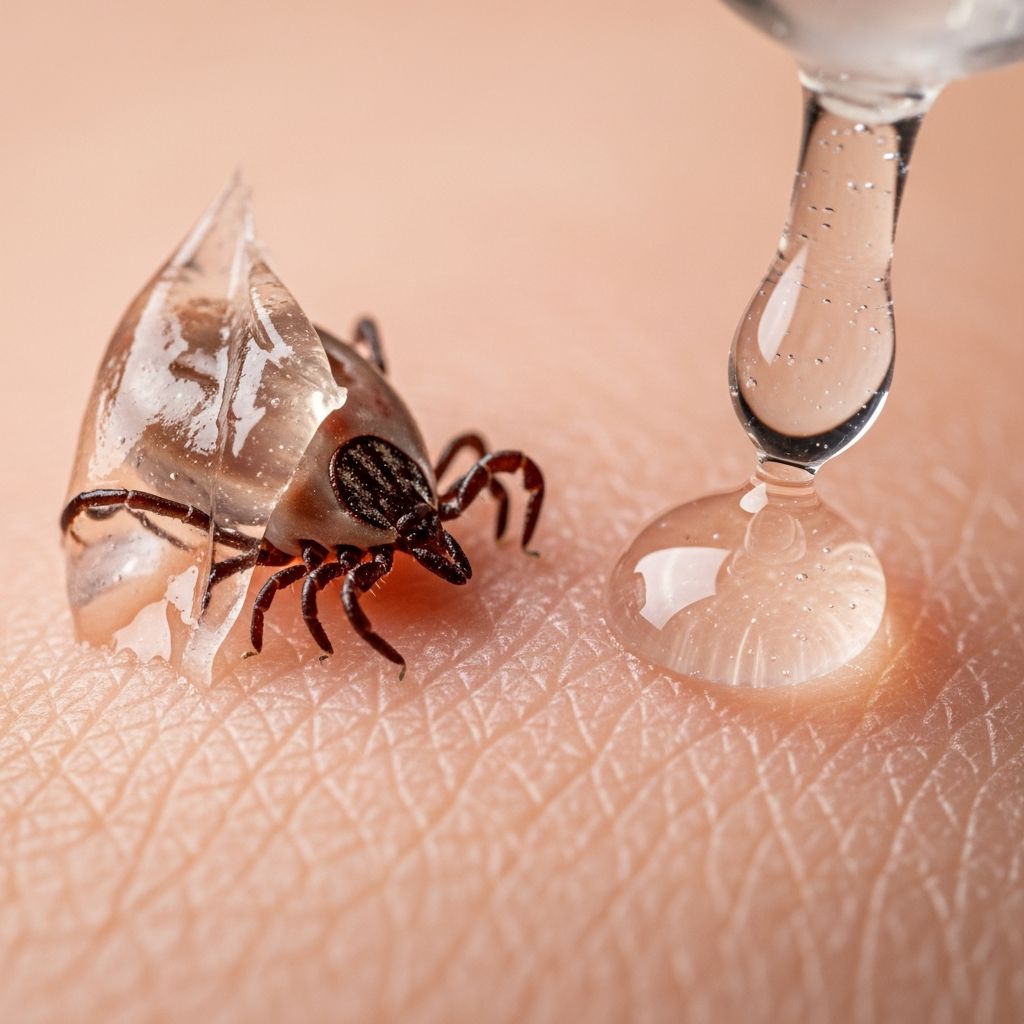
True or False: A Good Hack for Getting a Tick Off Your Pet Is to Cover It with Petroleum Jelly or Nail Polish
Answer: False.
Many pet owners search for quick and easy solutions when they discover a tick on their beloved companion. Unfortunately, one of the most commonly recommended “hacks” circulating online and in popular culture is using petroleum jelly or nail polish to remove ticks. While these methods seem logical on the surface, veterinary experts agree that they are neither reliable, speedy, nor safe. Understanding why these methods fail is crucial for pet owners who want to protect their furry friends from tick-borne diseases and complications.
Why Common Tick Removal Myths Don’t Work
Over the years, various household remedies have gained popularity as supposed solutions for tick removal. These myths persist because they sound plausible and because people may have anecdotal stories of using them. However, scientific evidence and veterinary consensus consistently show that these methods are ineffective and potentially harmful.
The Petroleum Jelly Myth Explained
The theory behind using petroleum jelly is straightforward: covering the tick with a thick, greasy substance will smother it, preventing oxygen from reaching the tick and causing it to back out of the pet’s skin. While this sounds reasonable in theory, it doesn’t work in practice. The reality is that petroleum jelly is not capable of creating a seal tight enough to suffocate a tick. Additionally, instead of helping with removal, petroleum jelly actually makes the process more difficult by lubricating the tick and making it slippery. When you attempt to grasp the tick with tweezers, the oily coating makes it harder to maintain a firm grip. Rather than encouraging the tick to let go, petroleum jelly may cause the tick to burrow deeper into the skin or release additional toxins into your pet’s body, potentially increasing the risk of disease transmission.
The Nail Polish Problem
Another popular myth suggests that painting a tick with nail polish or nail polish remover will kill it and force it to detach. This myth likely stems from the understanding that nail polish contains strong chemicals. However, nail polish and nail polish remover are not effective at removing ticks from pets. More concerning is the fact that these products can be harmful to your pet’s sensitive skin. The acidic properties of nail polish remover and the various chemicals in both products can cause chemical burns when applied directly to your pet’s skin. Additionally, the fumes from these products can pose respiratory risks to your pet, making this method both ineffective and dangerous.
Other Dangerous Methods to Avoid
Beyond petroleum jelly and nail polish, several other tick removal methods are commonly suggested but should be avoided entirely. Applying heat to a tick using a match or hot nail is not only ineffective but also poses serious burn risks to both your pet and yourself. Similarly, using freezing sprays marketed as tick removal tools can cause chemical burns and respiratory damage. Applying gasoline or other flammable substances is hazardous for obvious reasons. Even lidocaine, a local anesthetic, has been suggested by some but offers no real benefit for tick removal and adds unnecessary complexity to the process.
The Truth About Tick Removal
The most effective and safest way to remove a tick is surprisingly simple: manual removal using fine-tipped tweezers or a commercially available tick-removal device. This straightforward approach is not only more reliable than any home remedy but also significantly faster, which is important because the quicker you remove a tick, the less time it has to transmit diseases to your pet.
Step-by-Step Guide to Proper Tick Removal
Removing a tick correctly takes just a few minutes and requires minimal supplies. Here’s the proper procedure:
Step 1: Wear Protective Gloves
Always put on a pair of gloves before handling a tick. This is critical because ticks can transmit diseases to humans as well as pets. Never contact the tick with your bare hands, as this increases your risk of exposure to tick-borne pathogens.
Step 2: Use the Right Tools
Select fine-tipped tweezers or a commercially available tick-removal device specifically designed for this purpose. Fine-tipped tweezers give you better control and precision than other tools, allowing you to grasp the tick firmly without accidentally crushing it.
Step 3: Locate the Tick Precisely
Part your pet’s hair or fur so you can clearly see exactly where the tick is inserted into the skin. This visibility is essential for grasping the tick as close to the skin as possible, which is the key to successful removal.
Step 4: Grasp and Pull Steadily
Firmly grasp the tick as close to the head and skin as possible. Pull upward using a steady, slow motion. Avoid jerking, twisting, or applying sudden pressure, as these actions can cause the tick’s head to break off and remain embedded in the skin. While this may seem concerning, don’t worry if it happens—the spot will heal with time, similar to a splinter.
Step 5: Dispose of the Tick Safely
Once you’ve successfully removed the tick, dispose of it properly. Drop it into a container of rubbing alcohol, wrap it tightly in tape, or place it in a sealed bag or container. Never crush a tick with your fingers, as its blood can carry diseases that may infect you. Some veterinarians recommend dating the container and saving it until you’re certain your pet is safe from any tick-borne illnesses.
Step 6: Clean the Bite Area
After removing the tick, thoroughly clean the area where it was attached using soap and water. You may also use rubbing alcohol to disinfect the area. This simple cleaning step helps prevent secondary skin infections at the bite site.
What to Expect After Tick Removal
After you’ve successfully removed a tick, you may notice some normal reactions. A small, minimally tender, pimple-like bump commonly appears at the bite site and may persist for a few days. This is simply an irritation response from your pet’s skin and is nothing to be concerned about. Avoid the urge to dig around for any pieces of the tick that may have broken off, as your pet’s body will naturally expel them over time, similar to how the body handles a splinter. Soaking the area in warm water can help this natural process along.
Common Tick Removal Mistakes to Avoid
Understanding what not to do is just as important as knowing the proper removal technique. Here are the key mistakes to avoid:
- Never use heat: Attempting to burn off a tick with a match or lighter is dangerous and ineffective.
- Never apply suffocation substances: Petroleum jelly, nail polish, gasoline, mineral oil, and similar products won’t remove ticks and may cause harm.
- Never squeeze or crush the tick: This can cause the tick to release toxins and may allow disease transmission.
- Never jerk or twist: Sudden movements during removal can cause the tick’s head to break off in the skin.
- Never dig for remaining parts: Your pet’s immune system will naturally handle small remaining pieces.
Why Proper Removal Matters
The urgency of removing ticks promptly cannot be overstated. Ticks are vectors for numerous diseases that can affect both pets and humans. The longer a tick remains attached to your pet, the greater the risk of disease transmission. Common tick-borne diseases include Lyme disease, Rocky Mountain spotted fever, and Anaplasmosis. By removing ticks quickly and properly, you minimize your pet’s exposure to these potentially serious health conditions.
Prevention Is Better Than Removal
While knowing how to properly remove a tick is important, preventing tick infestations is even better. The best protection for your pet is to use veterinarian-approved flea and tick preventives. These medications work in several ways: some kill ticks within minutes of contact, before they even bite your pet, while others remain in your pet’s skin and provide ongoing protection. Many modern preventives are highly effective and convenient, available in topical, oral, or collar forms. Consult with your veterinarian about the best prevention option for your specific pet based on their age, weight, health status, and lifestyle.
Understanding Why Myths Persist
Tick removal myths persist for several reasons. First, they often have a surface-level logic that makes them sound plausible. Second, when someone hears that a friend or family member used a particular method without immediate negative consequences, they may assume the method works. Third, misinformation spreads quickly on social media and websites, and people may not verify the information with authoritative sources like veterinarians or official veterinary organizations. Additionally, some people may not realize that just because a tick eventually falls off doesn’t mean the method actually worked—ticks naturally detach after feeding and may have already transmitted diseases before dropping off.
The Importance of Veterinary Guidance
If you’re uncertain about removing a tick from your pet or if the tick breaks during removal and part of it remains embedded, don’t hesitate to contact your veterinarian. Veterinary professionals have specialized tools and training to safely remove ticks and can address any complications. Many veterinary clinics are happy to remove ticks for you, and some offer tick removal tools and demonstrations to help pet owners learn the proper technique.
Taking Action for Your Pet’s Health
The next time you discover a tick on your pet, remember that the best approach is the simplest one: grab your tweezers, put on gloves, and carefully pull the tick straight out. Skip the petroleum jelly, nail polish, and any other home remedies. This straightforward method takes just minutes and is infinitely more effective than any myth-based hack. By properly removing ticks and using veterinarian-approved preventives, you’re taking the most important steps to protect your pet from tick-borne diseases and keep them healthy and happy.
Frequently Asked Questions (FAQs)
Q: Is it safe to use tweezers to remove a tick from my pet?
A: Yes, using fine-tipped tweezers is the safest and most effective method for tick removal. Simply grasp the tick close to the skin and pull steadily upward.
Q: What should I do if the tick’s head breaks off and stays in my pet’s skin?
A: Don’t worry. The remaining piece will naturally be expelled by your pet’s body over time, similar to a splinter. You can soak the area in warm water to help this process.
Q: Can I use my fingernails to remove a tick instead of tweezers?
A: It’s best to use fine-tipped tweezers or a tick removal device. Using fingernails makes it harder to grasp the tick close to the skin and increases your exposure risk.
Q: How quickly should I remove a tick from my pet?
A: As quickly as possible. The longer a tick remains attached, the greater the risk of disease transmission. Aim to remove it within hours of discovery.
Q: What’s the best way to prevent ticks on my pet?
A: Use veterinarian-approved flea and tick preventives. These are highly effective and available in various forms including topical treatments, oral medications, and collars.
Q: Is it okay to flush a tick down the toilet?
A: Yes, flushing a tick down the toilet is an acceptable disposal method. Submersing it in rubbing alcohol or sealing it in a container are also appropriate options.
Q: Should I be worried if a small bump appears after tick removal?
A: No. A small, pimple-like bump is a normal irritation response and should disappear within a few days. This is nothing to be concerned about.
References
- True or False: A good hack for getting a tick off your pet is to cover it with petroleum jelly or nail polish — VCA Animal Hospitals. 2025-11-28. https://vcahospitals.com/shop/articles/true-or-false-can-you-take-a-tick-off-pets-with-petroleum-jelly-or-nail-polish
- What to do if your pet has ticks — Vetster. 2025-11-28. https://vetster.com/en/wellness/what-to-do-if-your-pet-has-ticks
- Myth vs. Fact About How to Remove Ticks — Rocklin Ranch Veterinary Hospital. 2025-11-28. https://www.rocklinranchvet.com/blog/how-to-remove-ticks/
- Removing Ticks: The Dos and Don’ts — Children’s Hospital of Philadelphia. 2025-11-28. https://www.chop.edu/news/health-tip/removing-ticks-dos-and-don-ts
- Best Tick Prevention Advice — Wellesley Animal Hospital. 2025-11-28. https://www.wellesleyanimalhospital.ca/en-ca/resources/blog/june-2022/best-tick-prevention-advice
- Pet Emergency Care Handbook — VCA Animal Hospitals. 2025-11-28. https://vcahospitals.com/northwest-veterinary-specialists/-/media/vca/documents/hospitals/oregon/northwest-veterinary-specialists/nwvs-pet-emergency-care-handbook-121511.pdf
Similar Articles








Read full bio of Sneha Tete