

Introduction to Tick-Induced Neurological Disease
Tick paralysis represents a significant neurological emergency in veterinary medicine, affecting a diverse range of species including domestic animals, wildlife, birds, and reptiles. The condition emerges from the introduction of neurotoxic compounds through tick saliva during feeding, resulting in progressive neuromuscular dysfunction. While tick parasites are commonly encountered in clinical practice, the specific pathogenic variants that produce paralysis require at least three to five days of attachment before clinical manifestations appear. Understanding the mechanisms, recognition patterns, and appropriate therapeutic interventions is essential for veterinary practitioners managing affected patients.
Mechanistic Understanding of Toxin-Induced Paralysis
The pathophysiology of tick paralysis involves the secretion of neurotoxic substances into the host’s circulatory system during the tick’s feeding process. These neurotoxins target the neuromuscular junction, fundamentally altering the transmission of neural impulses to skeletal musculature. The mechanism of toxin action disrupts acetylcholine release at the motor endplate, reducing the efficiency of neuromuscular signal transduction. This explains why paralysis progresses from distal to proximal muscle groups, typically beginning in the hindquarters before advancing toward the head and vital respiratory muscles.
Critically, the severity of clinical disease does not consistently correlate with tick dimensions. While larger parasites might be assumed to cause more significant systemic effects, documented cases have demonstrated both minimal clinical effects from substantial ticks and severe neurological compromise from parasites measuring less than 4 millimeters. This variability suggests that individual tick virulence, duration of attachment, and host factors all contribute to disease expression.
Geographic Distribution and Species Susceptibility
The epidemiology of tick paralysis exhibits distinct geographic patterns, with substantially higher prevalence documented in Australian regions compared to North American territories. This geographic variation correlates with the distribution of highly virulent species, particularly Ixodes holocyclus, which demonstrates significantly greater pathogenic potential than common North American vectors such as the Rocky Mountain wood tick and American dog tick. The condition affects a remarkably broad spectrum of hosts, suggesting that most vertebrate species possess susceptibility to the toxin despite evolutionary separation.
Within affected populations, certain animals demonstrate greater vulnerability to severe disease manifestations. Young animals, those with compromised immune function, and individuals experiencing concurrent systemic illness may progress more rapidly toward life-threatening complications. The initial detection of a single affected animal within a household or facility warrants thorough examination of other resident animals, as multiple individuals may harbor attached parasites simultaneously.
Clinical Presentation and Progressive Symptomatology
The clinical expression of tick paralysis follows a generally predictable temporal pattern, though individual variation occurs. Early signs frequently include subtle behavioral changes: reduced appetite, apparent lethargy, and vague malaise that may be attributed to systemic illness rather than neurological dysfunction. Concurrently, animals may exhibit modifications in vocalization, ranging from hoarseness to complete voice changes, alongside gastrointestinal symptoms including gagging, vomiting, and decreased swallowing efficiency.
As the condition progresses, more obvious neuromotor dysfunction emerges. Animals develop characteristic gait abnormalities, beginning with wobbliness and lack of coordination in the rear limbs and advancing to frank inability to ambulate. Weakness becomes increasingly pronounced, with affected animals demonstrating reluctance to rise, jump, or engage in normal activities. Facial tone diminishes, resulting in drooping features and decreased blink reflexes. The progression from rear-limb involvement to anterior regions and facial musculature typically occurs over several hours to days without appropriate intervention.
The most critical and immediately life-threatening manifestations involve respiratory compromise. Progressive involvement of the diaphragm and intercostal musculature results in increasingly labored breathing patterns, beginning with inspiratory difficulty and advancing to expiratory distress accompanied by audible wheezing. Accumulation of pharyngeal and esophageal secretions occurs due to paralysis of swallowing musculature, creating significant aspiration risk. Animals may demonstrate pooling of saliva within the oral cavity and difficulty managing their own secretions. Without aggressive supportive intervention, respiratory failure becomes inevitable and rapidly fatal.
Diagnostic Approach and Clinical Assessment
Establishing a definitive diagnosis of tick paralysis combines clinical suspicion with direct demonstration of attached parasites. A thorough dermatological examination constitutes the foundation of diagnostic evaluation, with careful inspection of all body surfaces, including easily overlooked locations such as the ear canal, interdigital spaces, inguinal folds, and axillary regions. The presence of a tick crater—a characteristic circular lesion marking the attachment site—provides strong diagnostic support even when the active parasite cannot be located, as ticks may dislodge during the animal’s grooming or movement before veterinary examination.
Historical factors significantly support the diagnostic impression. Recent exposure history, particularly travel to endemic areas or presence of wildlife in the animal’s environment, increases diagnostic likelihood. A temporal relationship between exposure and the onset of neurological signs strengthens the presumptive diagnosis. When clinical signs of paralysis appear in conjunction with tick exposure history and dermatological evidence of parasites, treatment is justified even before diagnostic certainty is achieved. Differential diagnoses including spinal cord disease, polyradiculoneuropathy, and other neurological conditions must be excluded through clinical reasoning, though the acute onset and characteristic pattern of progression from hindquarters forward make tick paralysis readily distinguishable in endemic regions.
Laboratory evaluation, including blood work, may be performed to assess overall health status and identify any concurrent systemic abnormalities that might complicate recovery or influence treatment decisions. However, no specific laboratory confirmation exists for tick paralysis, and diagnostic confirmation relies primarily on clinical and parasitological findings.
Immediate and Long-Term Treatment Protocols
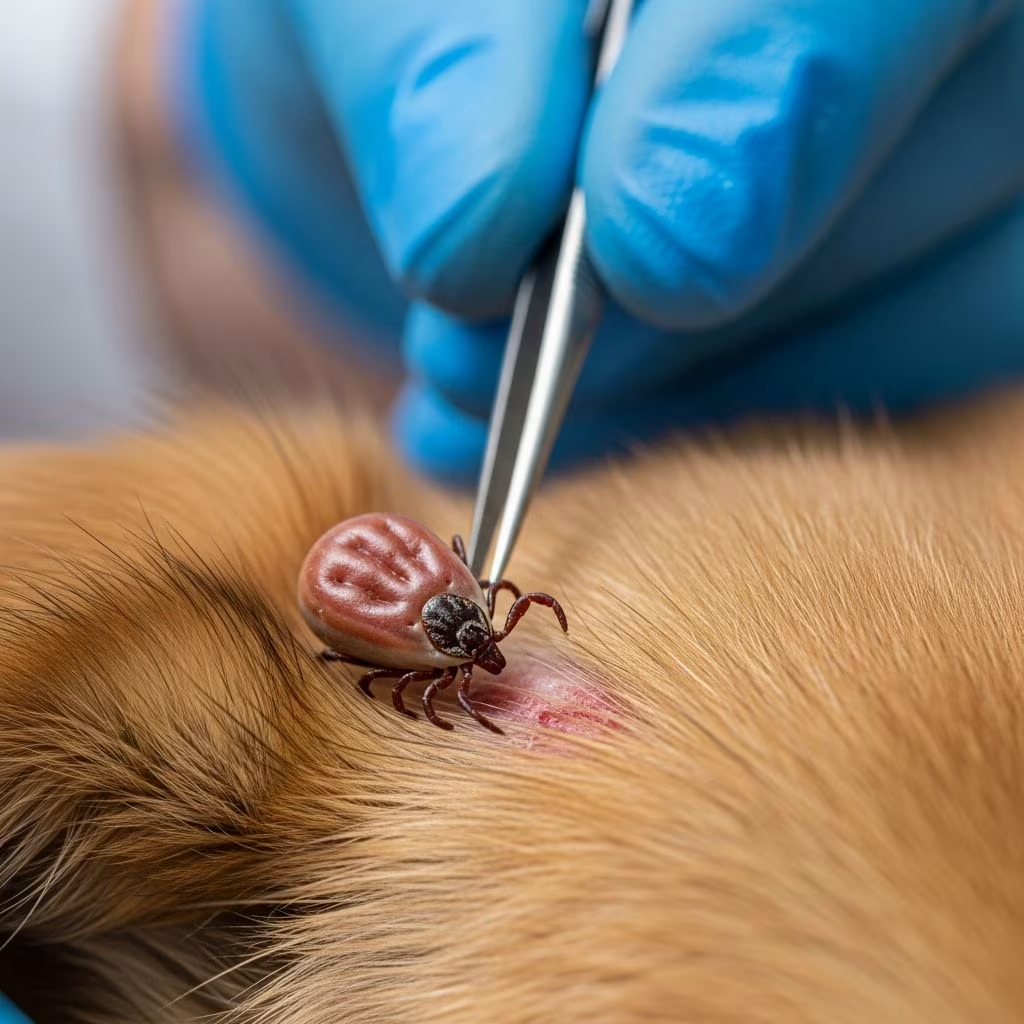
Tick Removal as Primary Intervention: The cornerstone of tick paralysis management involves complete removal of all attached parasites. The removal technique requires careful extraction as close to the skin surface as possible using either specialized tick removal instruments or fine-tipped forceps. Firm, steady traction should be applied, avoiding techniques that might leave mouthparts embedded in the skin or rupture the tick’s body, potentially introducing additional toxin into the host. Following removal, all attachment sites should be inspected to confirm complete elimination of parasitic material.
Significantly, the removal of Ixodes holocyclus ticks does not immediately arrest disease progression. Clinical deterioration may continue for approximately 24 hours following tick removal, with most animals beginning to improve 6 to 12 hours after administration of tick antitoxin serum. In contrast, removal of less virulent tick species typically results in noticeable improvement within 24 hours and complete resolution within 72 hours. If ticks remain unremoved, respiratory paralysis and death may occur within 1 to 5 days.
Supportive Care and Symptomatic Management: Animals presenting with significant clinical signs require hospitalization with comprehensive supportive care. Oxygen therapy, typically delivered through non-stressful methods such as nasal cannulation, addresses hypoxemia associated with respiratory muscle dysfunction. Intravenous fluid administration maintains hydration and allows for administration of necessary medications. Temperature regulation through warming measures (blankets, warmed fluids) benefits animals experiencing hypothermia from reduced muscular activity and environmental exposure. Conversely, unexpected hyperthermia occasionally develops in hospitalized animals, requiring active cooling measures such as wet towels or fan circulation until body temperature reaches 39.2°C, at which point cooling should cease to prevent progression to dangerous hypothermia.
Intensive Care Considerations: Animals demonstrating severe respiratory compromise or profound fatigue may require general anesthesia to facilitate oxygen delivery, esophageal drainage, and upper airway suction. In regions where available, pentobarbitone administered as constant-rate infusion or intermittent intravenous dosing provides light anesthesia with the added benefit of controlling long QT syndrome, an electrical cardiac abnormality that may develop during severe paralysis.
Broad-spectrum bactericidal antimicrobials should be initiated promptly in severe cases to prevent aspiration pneumonia, a major cause of mortality in tick paralysis patients. Animals with upper airway obstruction require either tracheotomy or endotracheal intubation to prevent asphyxiation.
Nursing Care and Bladder Management: Because paralyzed animals cannot void urine voluntarily, urinary catheterization with manual bladder expression at least twice daily prevents urinary tract infection and overflow incontinence. Eye protection through artificial tear application, lid closure, or protective contact lenses prevents corneal ulceration in animals with decreased blink reflexes. Suction of the pharynx, larynx, and proximal esophagus minimizes respiratory distress from saliva pooling and regurgitation. When excessive gastrointestinal and respiratory secretions develop, low-dose atropine administered every 6 hours may provide benefit, though cardiac rate and rhythm effects, as well as tear secretion reduction, must be considered.
Treatment Decision-Making and Risk-Benefit Analysis
Clinicians must evaluate each patient’s specific circumstances to determine the appropriate intensity of intervention. For animals with minimal clinical signs or those in which close monitoring can be reliably maintained, home-based management with owner instruction and immediate veterinary referral if clinical deterioration occurs represents a reasonable approach. For higher-risk patients, those demonstrating progressive clinical signs, or situations where intensive monitoring is not feasible, hospitalization with administration of tick antitoxin serum (where commercially available) provides optimal outcomes.
The presence of certain clinical findings indicates a guarded to poor prognosis: inspiratory dyspnea or abnormal lung sounds (crackles) on initial examination, or progression to expiratory dyspnea with audible wheezing within 24 hours of hospitalization. Concurrent alveolar disease such as pulmonary edema or pneumonia substantially worsens prognosis. Assessment of ventilatory capacity through monitoring of expired CO₂ levels and pulse oximetry, combined with recognition of profound respiratory muscle fatigue, guides intensity of supportive care.
Recovery Timeline and Outcome Expectations
Most animals demonstrate clinical improvement within 24 to 72 hours of complete tick removal when less virulent species are involved. However, recovery represents a gradual process with residual neurological dysfunction persisting for variable periods. Urinary incontinence from bladder dysfunction may continue beyond the period of apparent general recovery. Animals require quiet rest environments with minimal stress during the recovery phase, with separation from other animals to prevent disruption.
A small percentage of animals develop severe disease manifestations or fail to respond adequately to treatment. In these cases, humane euthanasia may become an appropriate recommendation. Factors associated with poor outcomes include development of respiratory failure before treatment, extensive pulmonary involvement, or evidence of secondary complications such as severe aspiration pneumonia.
Prevention and Control Strategies
Prevention of tick paralysis fundamentally centers on preventing tick attachment and reducing parasite burden. Regular examination of animals returning from outdoor exposure, particularly in endemic regions, enables early detection and removal of attached ticks before sufficient time elapses for toxin production. Routine grooming and coat inspection create opportunities for parasite discovery. Acaricidal treatments, including topical agents, injectable medications, and oral preventatives, reduce tick attachment rates and should be selected based on geographic risk, species susceptibility, and individual animal characteristics.
Environmental management through tick habitat reduction around animal living areas may decrease exposure risk. Animals should be prevented from accessing areas of known high tick prevalence when possible. Caretakers should receive education regarding early signs of tick paralysis, emphasizing that subtle behavioral changes or vague symptoms may represent early disease requiring professional evaluation.
Geographic Considerations and Species-Specific Factors
The dramatically higher prevalence of tick paralysis in Australian regions reflects the presence of particularly virulent parasitic species. Practitioners in endemic areas should maintain heightened clinical suspicion and readily diagnostic acumen. In North American regions where reports occur less frequently, tick paralysis may be overlooked or confused with other neurological conditions, leading to delayed diagnosis and treatment.
Different animal species exhibit varying clinical presentations and recovery patterns. Companion animals receive more intensive monitoring than livestock or wildlife, potentially affecting outcome documentation and reported recovery rates. The diversity of host species affected emphasizes the significant pathogenic potential of paralysis-inducing tick species.
Frequently Asked Questions
How quickly does paralysis develop after tick attachment?
Clinical signs typically develop 3 to 7 days after tick attachment, depending on the tick species and individual animal factors. Early signs like appetite loss and lethargy may appear before obvious neuromotor dysfunction.
What is tick antitoxin serum and is it widely available?
Tick antitoxin serum (TAS) provides specific immunological protection against tick neurotoxins. However, it is not commercially available in the United States, limiting treatment options in North American practice. Availability varies by geographic region.
Can animals recover from tick paralysis without veterinary intervention?
While removal of less virulent ticks may result in gradual improvement without professional care, more severe cases progress to respiratory failure and death within days without treatment. Veterinary evaluation is strongly recommended for any animal showing neurological signs after tick exposure.
Why does disease progression continue after tick removal?
Neurotoxins remain circulating in the bloodstream and bound to neural tissue even after the toxin source is removed. The body requires time to metabolize and clear these compounds, explaining why clinical signs may worsen for 24 hours after tick removal in severe cases.
What monitoring parameters are essential during hospitalization?
Pulse oximetry and expired CO₂ monitoring assess ventilatory function. Cardiac monitoring detects arrhythmias. Regular neurological examination tracks progression or improvement. Respiratory rate and effort require frequent assessment given the risk of sudden deterioration.
Summary and Clinical Implications
Tick paralysis represents a medical emergency requiring rapid recognition and intervention. The progressive nature of neurotoxin effects and the risk of respiratory failure necessitate a low threshold for clinical suspicion and diagnostic evaluation. Thorough parasitological examination combined with appropriate supportive care and complete tick removal provide the foundation for successful patient management. Geographic awareness, species-specific knowledge, and understanding of pathophysiological progression enable veterinary professionals to optimize outcomes and provide families with accurate prognostic information regarding recovery expectations and potential complications.
References
- Tick Paralysis in Animals — Nervous System — Merck Veterinary Manual. Accessed February 2026. https://www.merckvetmanual.com/nervous-system/tick-paralysis/tick-paralysis-in-animals
- Tick Paralysis in Dogs — PetMD. https://www.petmd.com/dog/conditions/infectious-parasitic/tick-paralysis-dogs
- Tick Paralysis — California Department of Public Health. https://www.cdph.ca.gov/Programs/CID/DCDC/Pages/TickParalysis.aspx
- Tick Paralysis — StatPearls, National Center for Biotechnology Information (NCBI). https://www.ncbi.nlm.nih.gov/books/NBK470478/
- Paralysis Ticks Guide: Symptoms & Treatment — Greencross Veterinary Hospitals. https://www.greencrossvets.com.au/pet-library/articles-of-interest/get-ticked-off/
- Tick Paralysis — BC Centre for Disease Control (BCCDC). https://www.bccdc.ca/health-info/diseases-conditions/tick-borne-diseases/tick-paralysis



