

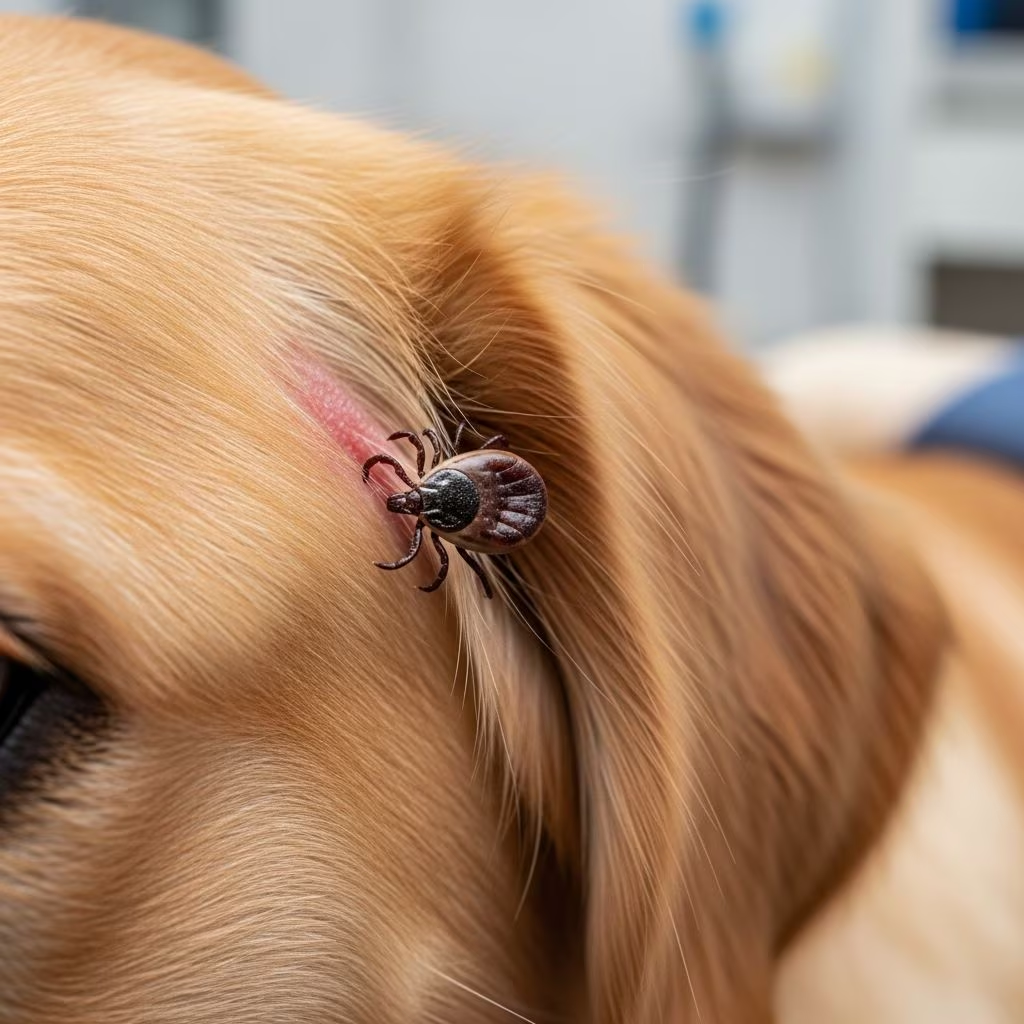
Tick paralysis represents one of the most serious neurotoxicological emergencies in veterinary medicine, affecting dogs across various geographic regions. This acute neurological condition develops when certain tick species inject potent neurotoxins through their saliva into a dog’s bloodstream, progressively compromising the nervous system’s ability to control muscle function. Understanding the pathophysiology, clinical presentation, and time-sensitive treatment protocols is essential for pet owners and veterinary professionals alike, as delays in recognition and intervention can result in fatal outcomes within days.
Understanding the Neurotoxicological Mechanism
Tick paralysis originates from a remarkably sophisticated biological process. When female ticks attach to a dog’s skin and begin feeding, they secrete saliva containing powerful neurotoxins directly into the host’s bloodstream. These toxins do not produce immediate effects; rather, the tick must remain attached for a minimum of three days before clinical signs become apparent. This delayed onset timeline underscores the critical importance of regular tick inspections and preventative treatments.
Once introduced into circulation, the neurotoxins travel through the lymphatic system before distributing throughout the body via systemic circulation. The mechanism of action targets cellular potassium channels, disrupting normal electrolyte balance and interfering with intracellular calcium regulation. This disruption cascades through the nervous system, progressively impairing the neuromuscular junction—the critical interface where nerve signals transmit to muscles. The result is descending paralysis that typically begins in the hind limbs and advances toward the trunk and respiratory muscles if left untreated.
Different tick species produce varying potencies of neurotoxins. In North America, the Rocky Mountain wood tick and American dog tick are the primary culprits responsible for tick paralysis in dogs. However, geographic location influences which species pose the greatest risk in your region, making local awareness crucial for prevention strategies.
Recognizing Progressive Symptomatology
Tick paralysis manifests through a characteristic progression of neurological signs that typically worsen over 24 to 48 hours if the causative tick remains attached. Early recognition enables intervention before the condition becomes life-threatening.
Initial Manifestations
The earliest indicators often appear subtle and may be dismissed as general malaise. Dogs frequently exhibit reduced appetite or complete anorexia, demonstrating no interest in food or treats they normally consume enthusiastically. Concurrent lethargy develops, with affected dogs appearing unusually withdrawn, displaying decreased enthusiasm for normal activities, and spending excessive time resting. Behavioral changes also emerge, including alterations in vocalization—owners often report a hoarseness or change in bark quality that suggests laryngeal involvement.
Progressive Neuromuscular Deterioration
As toxin concentrations accumulate, motor dysfunction becomes increasingly evident. Dogs develop observable weakness and loss of coordination, initially most apparent in the hind limbs. This manifests as wobbling, staggering, or difficulty maintaining balance during normal ambulation. The dog may struggle to rise from lying positions or experience reluctance to climb stairs. Proprioceptive deficits become apparent, with dogs seeming unaware of their limb placement.
Gastrointestinal involvement frequently accompanies neuromuscular signs, with affected dogs experiencing nausea, retching, and vomiting. Urinary dysfunction may develop, with dogs experiencing difficulty or inability to urinate normally. Ocular signs can include decreased tear production and reduced blink reflexes, creating vulnerability to corneal damage.
Critical Stage Complications
Without intervention, the paralysis ascends toward the thorax, creating life-threatening respiratory compromise. Dogs develop increased respiratory effort, exhibiting rapid or labored breathing. The characteristic “grunt” or noisy breathing patterns emerge as accessory respiratory muscles attempt to compensate for main respiratory muscle paralysis. Severe cases progress to hypoventilation—inadequate breathing depth and rate—which represents the primary cause of death in untreated tick paralysis. Aspiration risk increases as swallowing becomes impaired, creating potential for food or saliva entry into the lungs.
Diagnostic Approach and Clinical Confirmation
Veterinary diagnosis of tick paralysis relies on combining clinical presentation, exposure history, and physical examination findings. The diagnostic process must proceed rapidly, as treatment cannot be delayed pending confirmatory testing in severely affected patients.
A thorough physical examination focuses on identifying the offending tick or evidence of tick attachment. Veterinarians systematically inspect commonly affected sites including the ear pinnae, skin folds, interdigital spaces, ventral abdomen, and areas beneath the tail. Sometimes only a characteristic circular red lesion or “tick crater” remains visible if the tick has already detached. In cases where multiple ticks are present, careful full-body examination under anesthesia may be necessary to locate all parasites.
Recent tick exposure history combined with acute onset of descending paralysis and difficulty breathing creates a highly suggestive clinical pattern. Blood work assessment may be performed to evaluate overall health status and detect secondary complications such as electrolyte imbalances or aspiration pneumonia, though these tests do not directly confirm tick paralysis.
Emergency Treatment Protocols
Tick paralysis management centers on removing all parasites while providing intensive supportive care. Treatment decisions depend on paralysis severity and the specific tick species involved.
Tick Removal Procedures
Complete removal of all attached ticks represents the fundamental therapeutic intervention. Proper technique is essential to ensure complete parasite removal, including all mouthparts containing neurotoxin-producing salivary glands. Fine-tipped tweezers should grasp the tick as close to the skin as possible, applying steady upward traction. Crushing, twisting, or rough handling should be avoided, as these actions may cause the tick to inject additional toxins. Following removal, the attachment site should be cleaned with antiseptic solution. For patients with respiratory distress or severe dysfunction, full-body clipping under anesthesia may be necessary to visualize and remove all parasites thoroughly.
Antitoxin Administration
Tick antiserum (TAS) represents a critical therapeutic agent that neutralizes circulating neurotoxins. Antiserum effectiveness depends on administration timing—earlier treatment produces superior outcomes. The intravenous route provides optimal efficacy, though intraperitoneal administration offers an alternative in cases where IV access proves problematic due to respiratory distress or restraint difficulties. However, antiserum cannot reverse toxins that have already bound to tissue, making early intervention paramount.
Supportive Care Framework
Most dogs with tick paralysis require hospitalization for intensive monitoring and supportive therapies. Intravenous fluid administration maintains hydration and electrolyte balance while supporting organ perfusion. Oxygen therapy becomes essential for dogs with respiratory compromise, with severe cases requiring intubation and mechanical ventilation to maintain adequate gas exchange. Anti-nausea medications control vomiting and reduce aspiration risk. Broad-spectrum antimicrobials are administered in severe cases to prevent secondary bacterial infections, particularly aspiration pneumonia.
Catheterization of the urinary bladder addresses inability to void independently, preventing bladder rupture and urinary tract infection. Protective measures for the eyes—including artificial tears and lubricating ointments—prevent corneal desiccation and ulceration. Temperature regulation requires careful attention, as affected dogs lose thermoregulatory capacity; warming blankets and warmed IV fluids address hypothermia, while active cooling (wet towels, fans) manages the hyperthermia that occasionally develops during recovery.
Species-Specific Treatment Considerations
Different tick species demonstrate varying responses to treatment. Most North American tick species show rapid improvement following complete tick removal, with clinical signs reversing within 24 hours and full recovery occurring within 72 hours. However, some species—particularly Australian paralysis ticks—demonstrate different progression patterns. In these cases, clinical deterioration may continue for approximately 24 hours even after tick removal, though improvement typically begins 6 to 12 hours following antiserum administration.
Recovery Timeline and Prognosis
The vast majority of dogs recover completely from tick paralysis when prompt treatment is provided. Most show measurable improvement within the first 24 to 72 hours following tick removal and completion of initial supportive care. However, recovery rates and timelines vary based on disease severity at presentation.
Mildly affected dogs often recover within one to two days of commencing treatment. Moderately affected animals typically require two to four days of intensive care, with older or overweight dogs potentially needing extended hospitalization. Severely affected patients may require extended intensive care periods, with some requiring several weeks of supportive therapy. A small percentage of dogs with severe respiratory involvement may not respond sufficiently to treatment, and humane euthanasia may become a necessary consideration when recovery prospects are hopeless despite maximal intervention.
Overall survival rates remain high for dogs receiving early, appropriate veterinary care. Prompt tick removal, early antiserum administration, and comprehensive supportive care create favorable recovery outcomes in most cases. However, delayed recognition or attempted home treatment without professional intervention dramatically reduces survival likelihood.
Long-Term Management and Prevention
Following recovery, dogs typically experience no long-term sequelae from tick paralysis. However, prevention becomes essential to avoid recurrence. Consistent tick prevention medications—including topical treatments, oral preventatives, and environmental controls—significantly reduce tick infestation risk. Regular inspection of the skin and coat, especially after outdoor exposure in tick-endemic areas, enables early detection and removal of parasites before paralysis develops. Awareness of seasonal tick activity patterns in your geographic region allows for heightened vigilance during peak transmission periods.
References
- Tick Paralysis in Dogs — PetMD. 2024. https://www.petmd.com/dog/conditions/infectious-parasitic/tick-paralysis-dogs
- Tick Paralysis in Animals – Nervous System — Merck Veterinary Manual. 2024. https://www.merckvetmanual.com/nervous-system/tick-paralysis/tick-paralysis-in-animals
- Tick Paralysis — StatPearls, National Center for Biotechnology Information. 2024. https://www.ncbi.nlm.nih.gov/books/NBK470478/
- Paralysis Ticks Guide: Symptoms & Treatment — Greencross Vets. 2024. https://www.greencrossvets.com.au/pet-library/articles-of-interest/get-ticked-off/



