

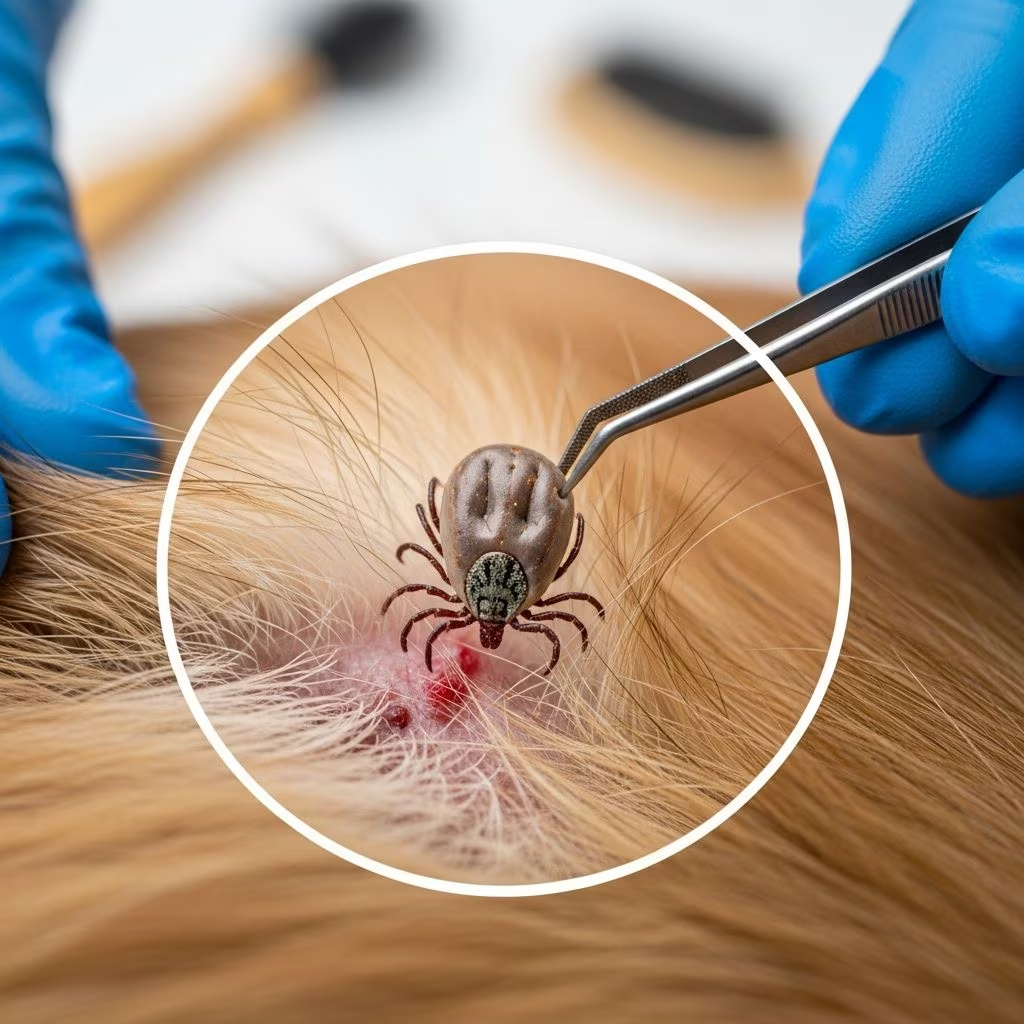
Ticks represent one of the most prevalent external parasitic threats to dogs worldwide, affecting animals across all breeds, sizes, and geographic regions. Beyond the immediate discomfort they cause, these blood-feeding arthropods serve as vectors for numerous infectious diseases that can result in serious health complications. Effective management of tick infestations requires a multifaceted approach encompassing identification, safe removal, disease treatment when necessary, and long-term prevention strategies.
Recognizing Tick Infestation in Your Dog
Identifying whether your dog has contracted ticks involves both visual inspection and understanding the physical signs your pet may exhibit. Ticks become visible once they attach to the skin and begin feeding, appearing as small, dark bumps ranging in size from a pinhead to a pencil eraser depending on feeding duration and species.
Visual Signs and Physical Symptoms
The presence of tick craters—small puncture wounds where the tick’s mouthparts penetrated the skin—remains one of the clearest indicators of tick exposure. These sites often display redness and localized swelling around the attachment point. Your dog may exhibit behavioral changes in response to tick bites, including excessive scratching, licking, or biting at affected areas.
In cases of heavy infestation, dogs may develop noticeable pale gums, indicating blood loss from numerous feeding parasites. Allergic reactions to tick saliva can intensify itching sensations beyond what the physical bite would normally cause, leading to secondary skin complications from excessive self-trauma.
Certain tick species produce neurotoxins that trigger neurological symptoms before owners even discover the parasites. These warning signs include hoarseness or changes in the dog’s bark quality, weakness particularly affecting the hind legs, difficulty swallowing, vomiting, regurgitation, dilated pupils, and respiratory difficulty.
Tick-Borne Disease Manifestations
When ticks transmit infectious pathogens, symptoms extend far beyond localized irritation. Dogs infected with tick-borne diseases commonly experience fever reaching 105°F or higher, loss of appetite, enlarged lymph nodes, and joint inflammation. Gastrointestinal disturbances such as vomiting and diarrhea frequently accompany systemic tick-borne infections.
More severe presentations include facial or limb swelling, respiratory distress, coughing, and abdominal pain. Some infected dogs develop distinctive purplish-red spots inside the eyelids and mouth caused by subcutaneous bleeding. Approximately 30% of dogs with tick-borne illness experience central nervous system involvement, manifesting as altered mental states, impaired balance, or painful spinal sensitivity.
Safe and Effective Tick Removal Procedures
Proper tick removal technique proves critical for preventing disease transmission and minimizing skin damage. The fundamental principle involves mechanical extraction using tweezers rather than chemical or heat-based methods that can cause the tick to regurgitate infectious material into the host.
Step-by-Step Removal Protocol
Begin by donning surgical gloves to provide a barrier against direct contact with the parasite, as handling ticks with bare hands creates a risk for disease transmission to humans. Grasp the tick as close to the skin surface as possible using fine-tipped tweezers, positioning them directly where the mouthparts enter the epidermis.
Apply steady, gentle upward tension and pull straight outward from the skin. Avoid twisting, jerking, or squeezing motions, as these actions can cause the tick’s body to separate from its embedded head or trigger fluid release from the parasite. Most ticks will release their grip within a few seconds of sustained tension. If resistance persists, continue applying gentle pressure until complete detachment occurs.
Once removed, immediately place the tick in rubbing alcohol to kill it rather than flushing it down plumbing or crushing it between fingers, both ineffective methods that fail to eliminate the parasite. Clean the bite wound, your hands, and the tweezers with soap and water.
Methods to Avoid
Traditional home remedies such as petroleum jelly, nail polish, hot matches, or additional alcohol applications do not effectively promote tick removal and may actually trigger defensive mechanisms in the parasite. These approaches delay removal and increase the window during which disease transmission can occur. Similarly, attempting to burn a tick off or smothering it with substances risks injury to the surrounding skin tissue.
Disease Treatment Following Tick Exposure
When tick-borne diseases are suspected, veterinary intervention becomes essential. The cornerstone of treatment involves appropriate antimicrobial therapy initiated promptly, as delays can result in severe progression or fatal outcomes.
Antibiotic Therapy
Veterinarians frequently prescribe antibiotics before laboratory confirmation of specific diseases, prioritizing early intervention over diagnostic certainty. Doxycycline represents the most commonly administered antibiotic for bacterial tick-borne conditions, including Lyme disease, anaplasmosis, ehrlichiosis, and Rocky Mountain spotted fever, typically given for three to four weeks.
Alternative antibiotics include tetracycline and minocycline, selected based on individual patient factors and disease specifics. Most dogs respond to antibiotic treatment within 24 to 48 hours, though severe cases may require extended therapy or fail to respond entirely.
Supportive and Adjunctive Care
Dogs with moderate to severe tick-borne illness often require hospitalization with intravenous fluid administration, IV antibiotics, anti-inflammatory medications, oxygen therapy, and anti-nausea pharmaceutical support. Severe anemia resulting from blood loss or hemolytic disease may necessitate blood transfusions to restore oxygen-carrying capacity.
Protozoal infections like babesiosis require specific antiprotozoal medications such as imidocarb dipropionate, while hepatozoonosis typically responds to pyrimethamine combined with trimethoprim-sulfa and clindamycin. Corticosteroids such as prednisone or nonsteroidal anti-inflammatory drugs reduce inflammation and alleviate pain and discomfort in affected dogs.
Following initial recovery, some dogs experience lasting effects including chronic joint pain or lameness persisting for months or years. These animals benefit from long-term anti-inflammatory and pain management protocols. Hepatozoonosis warrants special consideration as a lifelong infection, with treatment unable to completely eliminate infectious organisms, necessitating ongoing management and monitoring.
Recovery Timeline and Probiotics
Dogs typically demonstrate clinical improvement one to two days after antibiotic initiation, though complete recovery may require weeks of continued treatment. Because broad-spectrum antibiotics eliminate beneficial bacteria alongside pathogenic organisms, veterinarians may recommend probiotic supplementation to prevent gastrointestinal complications.
Preventive Strategies for Long-Term Protection
Prevention represents the most effective tick management approach, implemented through environmental controls, lifestyle modifications, and pharmaceutical interventions.
Pharmaceutical Prevention Options
Veterinarian-approved preventative medications come in multiple formulations, including topical spot-on solutions, oral tablets, and medicated collars. Oral medications like Simparica Trio have demonstrated significant efficacy in preventing tick infestation and protecting against future parasitic exposure. Year-round administration maintains continuous protection, as ticks remain active across all seasons in most climates.
Environmental and Behavioral Management
Restricting your dog’s access to high-risk environments substantially reduces exposure probability. Wooded areas, long grass, brush, and similar habitats harbor large tick populations. When outdoor exposure is unavoidable, inspect your dog thoroughly upon returning indoors, checking body crevices, ear regions, paw pads, and skin folds where ticks commonly attach.
Environmental treatment using beneficial nematodes—microscopic organisms that parasitize ticks—offers a non-toxic approach to yard management. These organisms infect ticks and release toxins that kill them, with the benefit of remaining in soil for approximately six months, providing extended protection against future infestations.
Managing Severe Infestations
Heavily tick-infested dogs require immediate professional veterinary assessment and intervention. Multiple ticks cause substantial cumulative skin damage, increase anemia risk from significant blood loss, and elevate complications including paralysis and secondary infections. Clinic hospitalization enables intensive care management including systematic tick removal, wound care, supportive treatment, and monitoring for emerging complications.
External insecticides specifically formulated to kill attached larvae, nymphs, and adult ticks form part of the comprehensive treatment protocol for infested animals. These products must be selected carefully based on safety profiles and suitability for individual dogs.
Recovery Expectations and Prognosis
Dogs receiving prompt, appropriate treatment for bacterial tick-borne diseases generally achieve complete recovery with no lasting effects. Protozoal infections such as babesiosis and hepatozoonosis present less predictable courses, potentially proving fatal despite aggressive intervention. Individual prognosis depends on disease type, infection severity, treatment timing, and the dog’s overall health status.
Even following successful disease treatment, some dogs experience persistent complications requiring long-term management. Chronic pain conditions may benefit from continued medication and physical therapy approaches to optimize quality of life.
Key Takeaways for Dog Owners
- Inspect your dog regularly for ticks, particularly after outdoor activities in wooded or grassy environments
- Use tweezers to remove ticks by grasping at skin level and pulling straight outward with steady tension
- Never crush ticks, apply petroleum jelly, or use heat-based removal methods
- Wear gloves during tick removal to prevent disease transmission to humans
- Seek veterinary evaluation if your dog shows symptoms of tick-borne disease including fever, lethargy, or neurological signs
- Implement year-round prevention using veterinarian-approved medications
- Limit access to high-risk tick habitats whenever possible
- Consider environmental treatments such as beneficial nematodes for yard management
- Have severely infested dogs evaluated by veterinarians to prevent serious complications
Frequently Asked Questions
How long does it take for tick-borne disease symptoms to appear?
Symptoms of tick-borne diseases typically develop within days to weeks of tick exposure, though incubation periods vary by specific pathogen. Some dogs with strong immune systems may suppress infections before clinical symptoms manifest.
Can I catch diseases from removing a tick from my dog?
Direct contact with infected tick fluids poses a transmission risk to humans. Wearing surgical gloves, avoiding crushing the tick, and practicing proper hand hygiene effectively minimize this risk.
Are natural tick remedies effective alternatives to veterinary medications?
Traditional home remedies lack scientific evidence supporting their efficacy and may delay proper tick removal or cause injury. Veterinarian-approved pharmaceutical preventatives offer proven protection and disease prevention.
What should I do if my dog shows signs of tick-borne illness?
Contact your veterinarian immediately when tick-borne disease is suspected. Early diagnosis and treatment significantly improve outcomes and prevent severe complications or fatality.
How often should I treat my dog with tick prevention medication?
Most preventative medications require consistent year-round administration as directed by your veterinarian to maintain continuous protection against tick exposure and disease transmission.
References
- Tick Fever in Dogs – Symptoms & Treatment — Charlotte Carolina Veterinary. https://www.charlotte.carolinavet.com/site/charlotte-emergency-vet-blog/2020/12/30/tick-fever-in-dogs-symptoms–treatment
- Tick-Borne Disease in Dogs — PetMD. https://www.petmd.com/dog/conditions/infectious-parasitic/tick-borne-disease-dogs
- How To Treat A Tick Infestation in Dogs? Veterinary Advice — Autumn Trails Veterinary Center. https://autumntrailsvet.com/how-to-treat-a-tick-infestation-in-dogs/
- Canine Tick-Borne Disease — American Kennel Club Canine Health Foundation. https://www.akcchf.org/disease-history/canine-tick-borne-disease/
- Ticks on Dogs: Identification, Symptoms, Prevention & Treatment — Greencross Vets. https://www.greencrossvets.com.au/pet-library/articles-of-interest/ticks-on-dogs-guide/
- Tick Infestation and Tick Prevention in Dogs — Vetster. https://vetster.com/en/conditions/dog/tick-infestation-and-tick-prevention-in-dogs
- Ticks of Dogs – Dog Owners – Merck Veterinary Manual — Merck & Co. https://www.merckvetmanual.com/dog-owners/skin-disorders-of-dogs/ticks-of-dogs
- Ticks and Lyme Disease: Symptoms, Treatment, and Prevention — U.S. Food and Drug Administration. https://www.fda.gov/consumers/consumer-updates/ticks-and-lyme-disease-symptoms-treatment-and-prevention



