

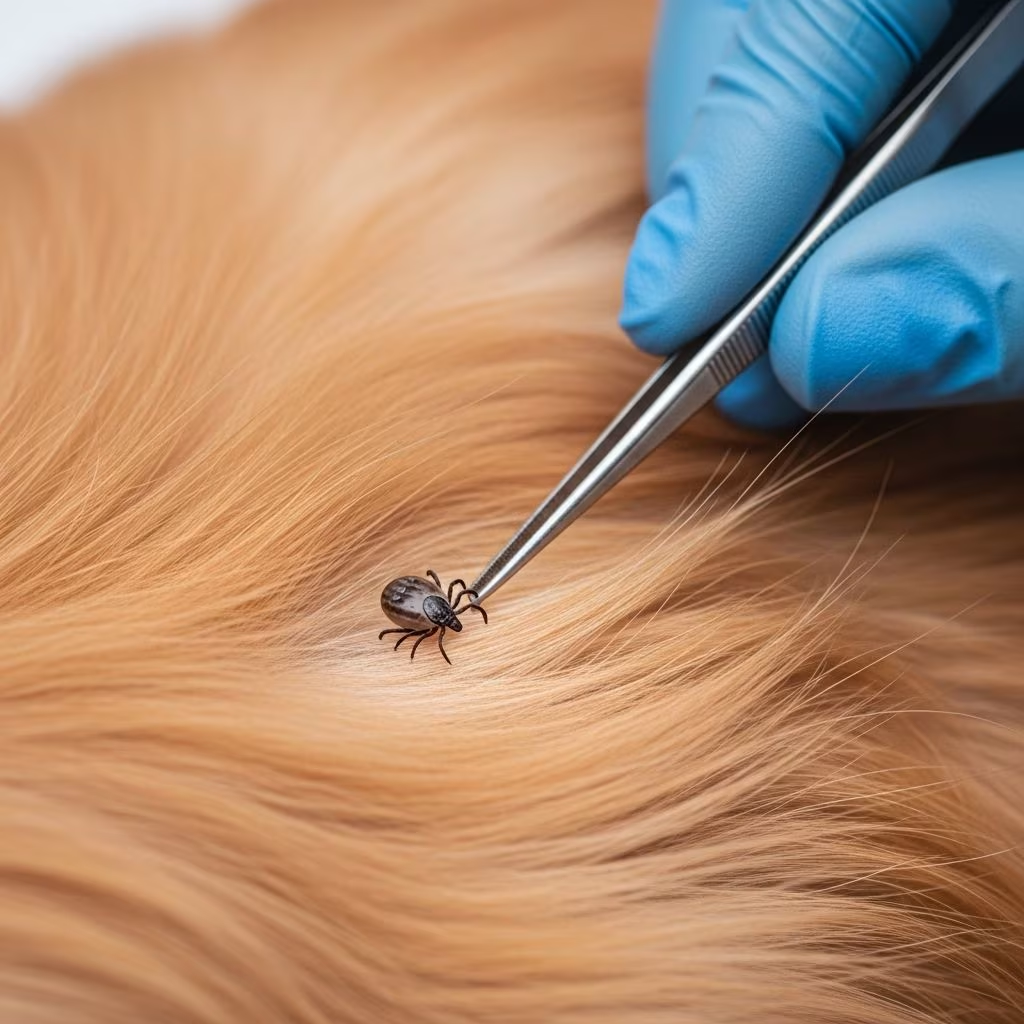
Ticks represent one of the most common external parasites affecting dogs, posing significant health risks beyond mere discomfort. These blood-feeding arthropods can transmit serious diseases including Lyme disease, Rocky Mountain spotted fever, and anaplasmosis, making effective tick management essential for responsible pet ownership. Understanding the various approaches to tick control—from preventive medications to removal techniques and environmental management—empowers dog owners to make informed decisions about their pets’ health and safety.
Recognizing Ticks and Their Health Impact
Ticks attach themselves to dogs by piercing the skin and feeding on blood, sometimes remaining attached for several days. During this feeding period, they can transmit pathogens that cause serious illness in dogs. The longer a tick remains attached, the greater the risk of disease transmission. Early detection through regular grooming and inspection significantly reduces the likelihood of tick-borne illness. Pet owners should familiarize themselves with the appearance of ticks at various life stages—from tiny seed ticks to fully engorged adults—to facilitate prompt removal when discovered.
Preventive Medication Categories
Modern veterinary medicine offers multiple classes of preventive medications, each functioning through different mechanisms to protect dogs from tick infestation. These medications fall into distinct categories based on their delivery method and how they protect your dog from parasites.
Oral Preventive Treatments
Oral tick preventives represent a convenient option for many dog owners, eliminating the need for topical application. These prescription-strength medications work systemically by circulating through the bloodstream. When a tick bites an orally medicated dog, it ingests the medication, which is toxic to the tick, causing death and detachment. This approach proves particularly valuable for dogs with sensitive skin or those living in households with multiple pets where topical treatments might cause cross-contamination.
Common oral preventives include fluralaner-based products, afoxolaner formulations, and combination medications containing sarolaner combined with additional parasite fighters. These medications typically provide protection for extended periods, ranging from monthly to multi-month intervals depending on the specific product. However, certain dog breeds carrying the MDR-1 gene mutation may be sensitive to specific oral medications, necessitating veterinary consultation before administration.
Topical Application Methods
Topical tick preventives offer flexibility in application and work through direct contact with the skin and coat. These products, often called “spot-on” treatments, are applied directly to the skin at the back of the neck or down the spine, preventing accidental ingestion by the dog. Topical formulations typically contain multiple active ingredients working synergistically to repel ticks before attachment and kill those that do make contact.
The advantage of topical treatments extends to their multi-purpose protection, as many formulations address fleas, ticks, and other parasites simultaneously. These products begin working quickly, with some killing ticks within one hour of application. For dogs with sensitive stomachs or those unable to tolerate oral medications, topical solutions provide an effective alternative.
Tick Collar Technology
Modern tick collars represent a significant advancement in long-term parasite prevention. Contemporary collar technology releases active ingredients slowly across the dog’s skin over weeks or months, providing continuous protection without monthly reapplication. When properly fitted and selected according to the dog’s body weight, these collars offer reliable defense against tick attachment.
Tick collars excel as low-maintenance solutions, particularly for dogs requiring extended protection or those whose owners struggle to maintain regular monthly treatment schedules. Many modern formulations are water-resistant, allowing continued protection even after swimming or bathing. The duration of protection varies by product, with some collars maintaining effectiveness for several months.
Manual Tick Removal Techniques
Despite preventive efforts, some dogs may occasionally acquire ticks. Knowing proper removal technique prevents incomplete extraction, which can leave mouth parts embedded in the skin and increase infection risk. Safe removal requires specific tools and methodology to ensure complete tick extraction without harm to the dog.
Step-by-Step Removal Process
The recommended removal method employs fine-tipped tweezers to grasp the tick as close to the head as possible, directly at the point of skin attachment. Grasping the head rather than the body prevents squeezing the tick’s abdomen, which can force infectious material into the dog’s wound. Once properly grasped, the tick should be pulled straight upward with steady, firm pressure. Twisting or jerking motions may break the tick, leaving portions embedded.
After removal, place the tick in alcohol or seal it in a plastic bag rather than crushing it with bare hands, which can expose you to pathogens. Clean the bite area with antiseptic and monitor for signs of infection. Do not use folk remedies such as petroleum jelly, nail polish, or heat application, as these methods either fail to remove the tick effectively or may cause additional stress to the dog.
Supplementary Prevention Strategies
While primary prevention methods form the foundation of tick control, additional measures enhance overall protection and reduce environmental tick populations.
Grooming and Environmental Management
Regular grooming serves dual purposes: it allows early detection of any ticks that breach preventive defenses and removes potential tick habitats in the coat. During warm months when tick activity peaks, increasing grooming frequency and scrutinizing areas where ticks commonly hide—such as ears, paw pads, and skin folds—proves particularly valuable.
Yard and home management significantly impacts tick prevalence. Maintaining short grass, removing leaf litter, and reducing humidity in outdoor spaces discourages tick populations. Regular vacuuming of carpets and furniture, along with frequent washing of dog bedding, removes ticks that may have been brought indoors. These environmental controls should accompany chemical prevention for comprehensive tick management.
Seasonal Awareness and Adjustment
Tick activity varies seasonally, with populations peaking during warm, humid months. During high-risk seasons, pet owners should maintain consistent preventive medication adherence and increase vigilance regarding outdoor exposure to tick-prone areas. Pre-activity tick sprays offer additional short-term protection before outdoor excursions in areas of known tick presence.
Additional Protection Products
Beyond primary prevention methods, several supplementary products address specific situations or preferences.
Tick Shampoos and Sprays
Flea and tick shampoos provide immediate relief by killing parasites currently present on the coat, making them valuable for initial treatment of existing infestations. However, shampoos lack lasting protective effects, offering only surface-level parasite removal without preventing future attachment. These products should not serve as sole prevention methods but rather complement ongoing preventive strategies.
Tick repellent sprays work as immediate, short-term protectants, particularly effective before and after outdoor activities in tick-prone environments. These sprays prove especially useful for protecting exposed areas like paws and legs. For optimal effectiveness, spray applications should accompany longer-term prevention methods rather than replacing them entirely.
Choosing the Right Prevention Method
Selecting appropriate tick prevention requires consideration of multiple factors specific to each dog and household situation.
| Prevention Method | Best For | Key Considerations |
|---|---|---|
| Oral Medications | Dogs with skin sensitivities; convenient monthly dosing | Prescription required; not suitable for MDR-1 sensitive breeds |
| Topical Treatments | Dogs with sensitive stomachs; multi-parasite protection | Requires careful application; may be messy during drying |
| Tick Collars | Dogs requiring extended protection; low-maintenance preference | Must fit properly; water-resistant varieties available |
| Combination Approach | High-risk environments; maximum protection | Most comprehensive but requires coordinated application |
Frequently Asked Questions
How quickly do tick preventive medications work?
Effectiveness varies by product type. Oral medications typically kill ticks within hours of a bite, while topical treatments may begin working within minutes for fleas and one hour for ticks. Tick collars provide continuous protection through gradual release of active ingredients.
Can I use the same tick prevention year-round?
While many preventive medications provide year-round protection, tick activity increases seasonally. Consulting with your veterinarian about whether to adjust your prevention regimen during high-risk months ensures optimal protection aligned with your local tick population dynamics.
What should I do if I find a tick on my dog despite prevention?
Finding a tick despite prevention indicates either recent exposure before medication effectiveness or a breakthrough infection. Remove the tick immediately using proper technique with tweezers, and consult your veterinarian. A single tick breakthrough doesn’t necessarily indicate medication failure but warrants discussion about prevention adequacy.
Are natural tick remedies effective?
Most natural remedies lack scientific support for tick prevention efficacy and may actually harm dogs. Prescription veterinary preventives represent the most reliable approach to tick control. Always consult your veterinarian before using any alternative tick prevention methods.
How do I know which prevention method suits my dog best?
Optimal selection depends on your dog’s age, weight, health status, breed genetics, lifestyle, and your preferences regarding application frequency. Your veterinarian can evaluate these factors and recommend the most appropriate prevention strategy for your individual dog.
The Importance of Veterinary Guidance
While over-the-counter tick products exist, prescription-strength preventives offer superior efficacy and safety profiles backed by clinical testing and regulation. Your veterinarian considers your dog’s individual health circumstances, potential medication interactions, and regional tick prevalence when recommending prevention strategies. This personalized approach ensures your dog receives the most effective protection while minimizing health risks.
Regular veterinary consultations about tick prevention maintain optimal protection as your dog ages and circumstances change. Some prevention methods that suited your dog at one life stage may require adjustment as the dog matures or health status evolves.
Conclusion: Proactive Tick Management
Effective tick prevention combines consistent use of veterinarian-recommended preventive medications with environmental management and regular monitoring. By understanding the various prevention options available—from oral medications and topical treatments to tick collars and supplementary strategies—dog owners can select approaches that best align with their dog’s needs and household circumstances. Early intervention when ticks are discovered, combined with year-round preventive measures, minimizes the risk of tick-borne disease and maintains your dog’s health and comfort throughout the year.
References
- Tick Treatments for Dogs: What Kills Ticks Quickly — GoodRx Pet Health. 2024. https://www.goodrx.com/pet-health/dog/best-tick-medication
- Protection From Ticks: The Complete Guide on Tick Products — Vetic. 2024. https://vetic.in/blog/pet-health/tick-prevention-in-dogs-which-products-provide-protection-from-ticks-and-which-dont/
- Dog Ticks: Removal, Prevention & Treatment — AKC Pet Insurance. 2024. https://www.akcpetinsurance.com/blog/dogs-and-ticks-what-you-need-to-know
- Protect Your Pet This Spring: Flea and Tick Prevention Made Easy — Cloquet Veterinary Clinic. 2024. https://cloquetvet.com/protect-your-pet-this-spring-flea-and-tick-prevention-made-easy/
- The Complete Guide to Flea and Tick Prevention and Treatment for Dogs — PetMD. 2024. https://www.petmd.com/dog/general-health/flea-and-tick-prevention-and-treatment-dogs
- Safe Use of Flea and Tick Products in Pets — U.S. Food and Drug Administration. 2024. https://www.fda.gov/consumers/consumer-updates/safe-use-flea-and-tick-products-pets



