

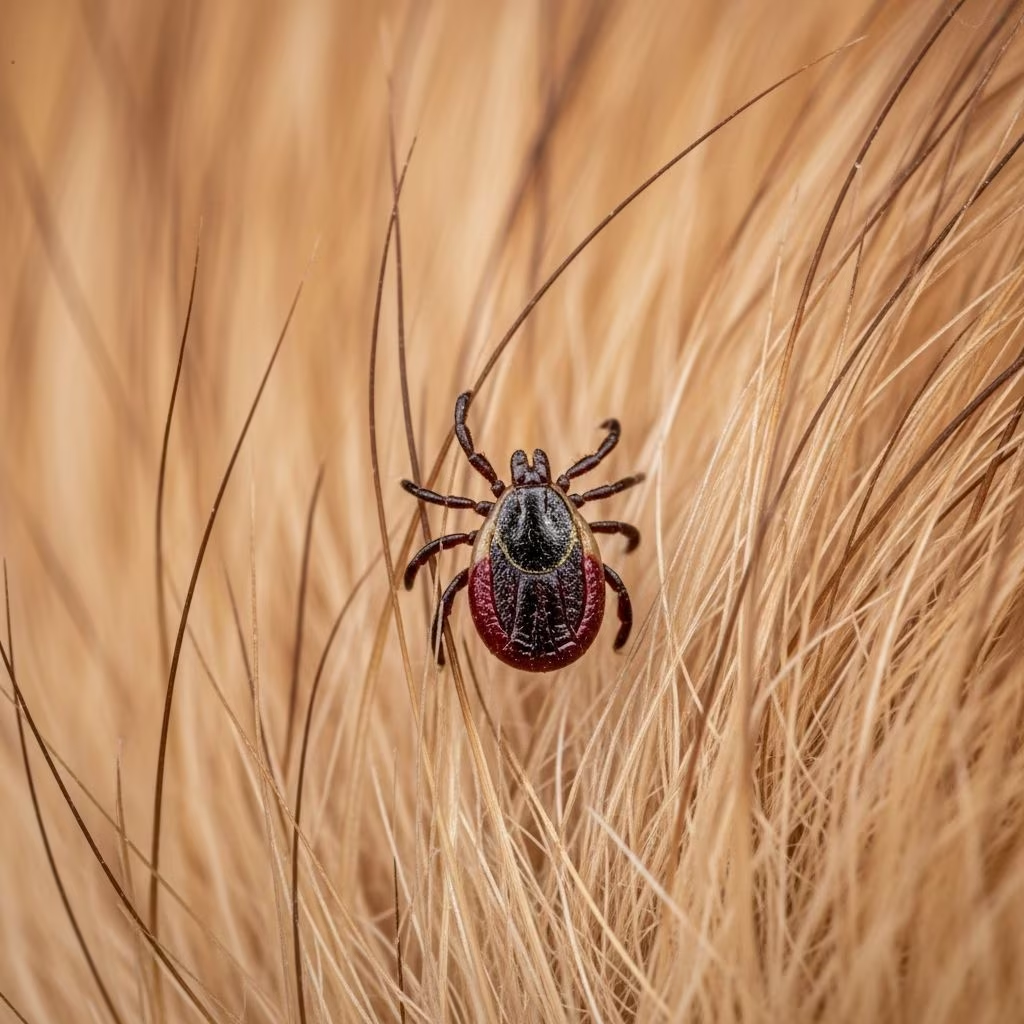
Ticks represent one of the most significant health threats to canine companions, particularly in warmer months when these parasites become increasingly active. Beyond the physical irritation of a tick bite, these blood-feeding organisms transmit serious pathogens capable of causing systemic illness in dogs. Understanding the landscape of tick-borne diseases, their clinical presentations, diagnostic approaches, and management strategies is essential for responsible pet ownership.
The Scope of Tick-Related Illnesses in Canines
Tick-borne diseases constitute a diverse group of infections caused by various pathogens—bacteria, protozoa, and rickettsial organisms—that ticks transmit to their hosts during feeding. Geographic distribution varies significantly, with certain diseases prevalent in specific regions. Some infections remain relatively uncommon, while others have expanded their range in recent decades. The complexity of these diseases lies not only in their varied etiologies but also in their overlapping clinical presentations, which can complicate diagnosis and delay appropriate treatment.
Major Tick-Borne Infections Affecting Dogs
Lyme Disease and Borrelia burgdorferi
Lyme disease represents one of the most recognized tick-borne infections in both canine and human medicine. Transmitted primarily by black-legged ticks (Ixodes scapularis) infected with the spirochete bacterium Borrelia burgdorferi, this disease presents a particular diagnostic challenge because clinical signs may not manifest for weeks or even months following tick exposure. Dogs with Lyme disease typically exhibit generalized discomfort, decreased appetite, and fever. Joint-related symptoms are characteristic, manifesting as shifting lameness (where the affected limb changes) or more generalized joint pain and swelling. Lymph node enlargement often accompanies these systemic signs.
Anaplasmosis and Anaplasma Phagocytophilum
Canine anaplasmosis, colloquially known as dog tick fever, spreads through western black-legged ticks carrying the bacterium Anaplasma phagocytophilum. The clinical presentation overlaps considerably with other tick-borne illnesses, creating diagnostic complexity. Affected dogs frequently experience lethargy, appetite loss, and stiff joints, with fever present in most cases. Gastrointestinal symptoms including vomiting and diarrhea occur regularly. In severe presentations, dogs may experience bleeding disorders or seizures, underscoring the potential severity of untreated infection.
Ehrlichiosis and Multiple Tick Vectors
Various tick species transmit ehrlichial pathogens, including American dog ticks, brown dog ticks, and Lone Star ticks. Dogs diagnosed with canine ehrlichiosis typically develop fever and poor appetite, with some individuals experiencing nose bleeds and skin bruising. Lymph node enlargement commonly occurs. Symptom onset typically begins 1-3 weeks after infection, and early intervention proves critical for optimal outcomes. Chronic manifestations can develop in dogs without prompt treatment, significantly complicating future management.
Rocky Mountain Spotted Fever
Despite its regional name, Rocky Mountain spotted fever occurs across North, Central, and South America. Transmitted by American dog ticks, wood ticks, and brown deer ticks, this rickettsial infection causes fever, joint pain, poor appetite, and swollen lymph nodes. Some dogs develop neurological complications including balance disturbances and generalized weakness. Without treatment, this disease can prove fatal. The typical illness duration spans approximately two weeks in uncomplicated cases.
Babesiosis and Red Blood Cell Destruction
Babesiosis involves protozoan parasites that directly attack red blood cells, causing hemolytic anemia. Dogs with this infection develop pale mucous membranes, weakness, and ataxia (loss of coordination). Laboratory findings reveal low platelet counts and evidence of blood cell destruction. Nasal bleeding may occur due to thrombocytopenia. Unlike bacterial tick-borne diseases, babesiosis responds to antiprotozoal rather than antibiotic medications.
Hepatozoonosis and Chronic Infection
Hepatozoonosis presents unique challenges among tick-borne diseases because dogs can acquire infection not only through tick bites but also by consuming infected prey animals such as rodents or birds. Many infected dogs display minimal or no clinical signs, while others experience severe pain involving muscles, bones, and joints. Fever, pale gums and skin, and enlarged lymph nodes characterize symptomatic disease. A crucial distinction separates hepatozoonosis from other tick-borne infections: standard treatment does not completely eliminate the causative organism, resulting in a lifelong infection requiring ongoing management.
Bartonellosis and Progressive Complications
Although less common than other tick-borne diseases, canine bartonellosis demands attention due to its potential for serious complications. Initial signs include intermittent fever and lameness, but if left untreated, the condition can progress to cardiac or hepatic disease, creating lasting health consequences.
Clinical Manifestations and Recognition
The symptom profile of tick-borne diseases in dogs encompasses a broad spectrum, reflecting the systemic nature of these infections. Fever represents one of the most consistent early findings. Lethargy and reduced appetite frequently accompany fever, indicating systemic illness. Joint-related symptoms ranging from subtle stiffness to obvious lameness occur across most tick-borne diseases.
More severe presentations involve constitutional symptoms including vomiting, diarrhea, and respiratory distress. Mucosal changes such as pale gums or yellowing of skin and eyes suggest significant systemic involvement. Bleeding manifestations including nasal discharge with blood, bloody urine, and unexplained bruising indicate either thrombocytopenia or bleeding disorders associated with certain infections. Weight loss and muscle wasting develop with chronicity or severe disease.
Eye and nasal discharge, though less specific, frequently accompanies tick-borne illness. Some dogs develop neurological signs including seizures (particularly with anaplasmosis) or ataxia (particularly with babesiosis). The constellation of presenting signs varies by infection type and individual variation, necessitating comprehensive diagnostic evaluation when tick exposure history exists.
Diagnostic Approaches for Tick-Borne Diseases
Establishing a tick-borne disease diagnosis requires integration of clinical history, physical examination findings, and laboratory confirmation. Veterinarians consider the dog’s history of tick exposure and geographic location, vaccination status, and specific clinical signs presented. Laboratory testing combines antibody detection with molecular methods to confirm infection and rule out alternative diagnoses.
Polymerase chain reaction (PCR) testing identifies pathogenic DNA directly from blood samples, providing species-specific confirmation. Antibody testing detects immune responses to specific pathogens, though cross-reactivity between related organisms occasionally complicates interpretation. Blood work may reveal anemia, low platelet counts, or elevated liver enzymes depending on the specific infection. Serial blood work following initial diagnosis helps detect recurrent or chronic infections, which occur in some individuals despite appropriate treatment.
Treatment Protocols and Management Strategies
The foundation of tick-borne disease treatment rests on antimicrobial therapy tailored to the identified pathogen. Doxycycline, a broad-spectrum tetracycline antibiotic, serves as the first-line treatment for bacterial tick-borne diseases including Lyme disease, anaplasmosis, ehrlichiosis, and Rocky Mountain spotted fever. Standard treatment duration spans 2-4 weeks, though Lyme disease and certain other infections may require 30-day courses, and some conditions necessitate longer therapy.
Protozoan infections require different pharmacologic approaches. Babesiosis responds to imidocarb dipropionate, an antiprotozoal agent specifically targeting blood parasites. Hepatozoonosis requires combination therapy with pyrimethamine, trimethoprim-sulfa antibiotics, and clindamycin to control parasitemia, though complete organism elimination remains elusive.
Pain management becomes essential when joint pain or lameness develops. Non-steroidal anti-inflammatory drugs (NSAIDs) address inflammation and discomfort, while corticosteroids such as prednisone may benefit certain cases. Dogs experiencing severe disease frequently require hospitalization with supportive measures including intravenous fluid administration, oxygen therapy when respiratory compromise exists, anti-nausea medications, and appetite stimulants.
Because broad-spectrum antibiotics eliminate beneficial bacteria along with pathogenic organisms, probiotics may prevent gastrointestinal complications during antibiotic courses. Blood transfusions become necessary in severe cases involving significant anemia or bleeding disorders secondary to tick-borne infection.
Recovery Expectations and Long-Term Outcomes
When prompt diagnosis and appropriate treatment are implemented, dogs infected with bacterial tick-borne diseases generally achieve recovery. Clinical improvement often begins within 1-2 days of initiating antibiotics, though weeks may elapse before complete resolution. Protozoan infections like babesiosis and hepatozoonosis follow less predictable courses and can prove fatal despite aggressive treatment.
A significant subset of dogs experience persistent complications persisting months or years after initial infection. Joint pain and lameness represent the most common long-term sequelae. These dogs benefit from chronic pain management strategies including long-term anti-inflammatory or pain medication regimens. Hepatozoonosis specifically requires lifelong management because the organism persists despite treatment, necessitating ongoing veterinary monitoring and supportive care.
Regular follow-up blood work helps detect recurrent or chronic infections, which can develop even in dogs treated for acute disease. Some individuals develop recurring infections requiring additional treatment courses, creating management challenges for veterinarians and frustration for owners.
Prevention Strategies and Tick Control
While treatment options exist, prevention remains the cornerstone of tick-borne disease management. Year-round tick prevention is recommended for dogs in areas with established tick populations. Multiple preventive options exist, including topical applications, oral medications, and tick collars, allowing customization based on individual dog needs and regional tick species.
Environmental management reduces tick burden by eliminating favorable tick habitats. Removing leaf litter, keeping grass trimmed, and reducing wildlife access near homes discourage tick settlement. During peak tick season, checking dogs daily for attached ticks enables prompt removal before pathogen transmission occurs.
Vaccination against Lyme disease offers partial protection in high-risk areas, though debate continues regarding vaccination necessity and efficacy. Discussion with a veterinarian helps determine whether vaccination aligns with an individual dog’s risk profile and lifestyle.
Frequently Asked Questions About Canine Tick-Borne Diseases
How quickly do tick-borne disease symptoms appear?
Symptom timing varies by infection. Some dogs show signs within days, while others remain asymptomatic for weeks or months. Lyme disease particularly can have delayed manifestation, with clinical signs appearing 2-5 months after tick exposure.
Can tick-borne diseases be fatal?
Yes, certain tick-borne diseases including babesiosis, hepatozoonosis, and severe Rocky Mountain spotted fever cases can be fatal, particularly without prompt treatment.
Is treatment guaranteed to cure tick-borne diseases?
Most bacterial tick-borne diseases respond well to appropriate antibiotic therapy when initiated early. However, some dogs develop chronic disease despite treatment, and hepatozoonosis remains a lifelong infection.
Can dogs contract multiple tick-borne diseases simultaneously?
Yes, a single tick can carry multiple pathogens, and dogs with heavy tick exposure can acquire multiple infections concurrently.
References
- Tick-Borne Disease in Dogs — PetMD. 2024. https://www.petmd.com/dog/conditions/infectious-parasitic/tick-borne-disease-dogs
- Tick Diseases in Dogs: Symptoms, Testing, & Treatment — Petfolk. 2024. https://petfolk.com/petfolklore/blog-tick-diseases-in-dogs-symptoms-testing-and-treatment
- Tick-Borne Disease in Dogs – Symptoms & Treatments — Lake Cross Veterinary Hospital. 2021. https://www.lakecross.com/site/blog-huntersville-vet/2021/11/30/tick-borne-disease-in-dogs
- Tick-Borne Diseases in Dogs — Metro Paws Animal Hospital. 2024. https://mpahvets.com/blog/tick-borne-diseases-in-dogs/
- Canine Tick-Borne Disease — American Kennel Club Canine Health Foundation. 2024. https://www.akcchf.org/disease-history/canine-tick-borne-disease/
- Tick-Borne Diseases in Dogs: Symptoms & Prevention — Mountainside Veterinary Clinic. 2024. https://www.mountainsidevets.com/blog/tick-borne-diseases-in-dogs-symptoms-prevention
- Lyme Disease in Dogs — American Veterinary Medical Association. 2024. https://www.avma.org/resources-tools/pet-owners/petcare/lyme-disease-dogs
- Ticks and Lyme Disease: Symptoms, Treatment, and Prevention — FDA Center for Veterinary Medicine. 2024. https://www.fda.gov/consumers/consumer-updates/ticks-and-lyme-disease-symptoms-treatment-and-prevention



