

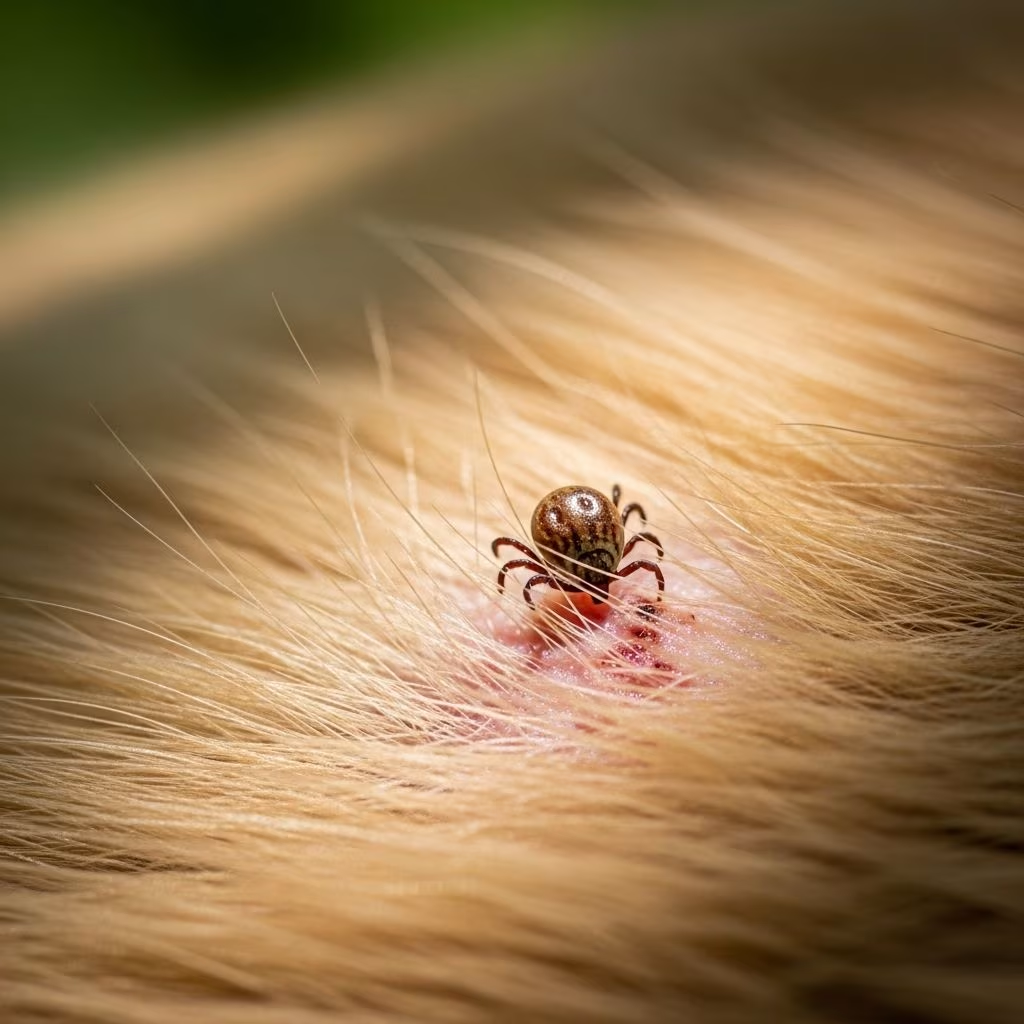
Tick bites pose significant risks to dogs, potentially transmitting diseases that require prompt attention. Knowing how to respond effectively can prevent severe health issues and ensure your pet’s well-being.
Understanding Tick Risks for Canines
Ticks are external parasites that latch onto dogs during outdoor activities, feeding on blood and possibly introducing pathogens. Common species include the lone star tick and paralysis ticks, each capable of causing irritation or illness. Bites often occur in wooded, grassy areas where ticks thrive year-round in many regions.
Dogs may not show immediate signs, but embedded ticks can lead to local reactions or systemic problems. Early detection through regular checks is crucial, as some diseases incubate for days or weeks before symptoms emerge.
Spotting a Tick on Your Dog
Inspect your dog daily, focusing on hidden spots like ears, armpits, groin, between toes, and under the collar. Ticks appear as small bumps, starting as tiny specks and swelling after feeding. An engorged tick resembles a gray or brown pea.
- Run your fingers over the skin to feel for lumps.
- Part the fur in susceptible areas for visual checks.
- Look for signs of attachment, such as a dark center surrounded by red, inflamed skin.
Prevention starts with vigilance, especially after walks in tick-prone environments.
Safe and Effective Tick Removal Techniques
Removing ticks promptly minimizes disease transmission risk. Use fine-tipped tweezers for precision.
- Grasp the tick close to the skin surface, avoiding the body to prevent squeezing out infectious fluids.
- Pull upward with steady, even pressure; do not twist or jerk, which can leave mouthparts embedded.
- Once detached, clean the bite site with soap and water, rubbing alcohol, or an antiseptic like chlorhexidine.
- Disinfect your hands thoroughly and dispose of the tick in alcohol or by flushing it down the toilet.
If mouthparts remain, monitor the site and consult a vet if infection develops. Tools like tick pullers simplify the process and reduce contamination risks.
Immediate Aftercare for the Bite Site
Post-removal care prevents secondary infections. Bathe the area with warm salt water (1 teaspoon salt per pint) or antiseptic solution for 3-5 days. Watch for redness, swelling, pus, or excessive licking, which signal potential issues.
Apply a pet-safe antibiotic ointment if recommended by a vet. Keep the area clean and restrict access to prevent scratching. A cone collar may help during healing.
| Aftercare Step | Purpose | Duration |
|---|---|---|
| Clean with antiseptic | Prevent bacterial entry | Immediately and daily |
| Monitor for infection | Detect early problems | 3-7 days |
| Log symptoms | Track changes for vet | 2 weeks |
Common Symptoms Following a Tick Bite
Reactions range from mild to severe. Mild cases show local redness, swelling, or scabbing that resolves quickly. Serious signs demand urgent care.
- Mild: Itchiness, minor swelling, scab formation.
- Serious: Fever above 105°F, lethargy, loss of appetite, joint pain, vomiting, diarrhea, swollen lymph nodes, pale gums, breathing issues, hind leg weakness, hoarse bark, or neurological changes like imbalance.
About 95% of bites cause no symptoms, but the 5% that do may involve tick fever, Lyme disease, or ehrlichiosis. Symptoms can appear within days or weeks.
When to Seek Veterinary Help Urgently
Not all bites need emergency visits, but certain indicators require immediate action. Contact a vet or emergency clinic if your dog shows:
- Progressive weakness or paralysis starting in hind legs.
- Fever, refusal to eat/drink over 24 hours, or labored breathing.
- Swelling that worsens, pale gums, or collapse.
- Any neurological signs like altered coordination or spinal pain.
Even without symptoms, schedule a check-up 1-2 weeks post-bite for blood tests to rule out diseases. Vets may start antibiotics preemptively for suspected tick fever.
Treatment Options for Tick-Related Illnesses
Veterinary intervention is key for confirmed diseases. Antibiotics like doxycycline, tetracycline, or minocycline treat most bacterial infections effectively, often within 24-48 hours. Lyme disease typically requires a 30-day course.
Supportive care includes fluids for dehydration, pain relief, probiotics to counter antibiotic side effects, or blood transfusions for anemia. Severe paralysis cases may need hospitalization.
Early treatment improves outcomes; delays can lead to chronic issues or fatality in rare instances.
Preventing Future Tick Infestations
Year-round prevention is essential, as ticks are active beyond traditional seasons.
- Use vet-prescribed topicals, collars, or oral preventatives that repel and kill ticks.
- Mow lawns, remove leaf litter, and avoid wooded trails during peak times.
- Bathe dogs regularly and perform full-body checks after outdoors.
- Consider environmental treatments for yards in high-risk areas.
No product is 100% effective, so combine methods for best protection.
Long-Term Monitoring and Recovery
After treatment, observe for relapse. Full recovery varies: mild cases heal in days, while diseases may take weeks. Follow-up tests confirm clearance.
Maintain preventatives and routine vet visits to catch issues early. Probiotics support gut health post-antibiotics.
Frequently Asked Questions
Can all tick bites be treated at home?
No. Mild irritation can be managed with cleaning and monitoring, but systemic symptoms require professional care to address potential diseases.
How long after a bite do symptoms appear?
They can emerge in days for acute reactions or weeks for diseases like Lyme. Monitor for at least two weeks.
Is tick paralysis reversible?
Yes, often within 24-72 hours of tick removal and supportive care, but severe cases need vet intervention.
Do indoor dogs need tick prevention?
Yes, ticks hitch rides on clothing, other pets, or enter via open doors, making prevention advisable year-round.
What if I can’t remove the whole tick?
Clean and monitor the site. Mouthparts usually expel naturally; see a vet if infection or inflammation persists.
References
- Tick Fever in Dogs – Symptoms & Treatment — Charlotte Vet. 2020-12-30. https://www.charlotte.carolinavet.com/site/charlotte-emergency-vet-blog/2020/12/30/tick-fever-in-dogs-symptoms–treatment
- Lone Star Tick Bite on Dog: Urgent Signs and Vital Next Steps — GSVS. N/A. https://gsvs.org/blog/lone-star-tick-bite-dog-emergency/
- Lyme disease in dogs — American Veterinary Medical Association. N/A. https://www.avma.org/resources-tools/pet-owners/petcare/lyme-disease-dogs
- Tick bites: First aid — Mayo Clinic. N/A. https://www.mayoclinic.org/first-aid/first-aid-tick-bites/basics/art-20056671
- Canine Tick-Borne Disease — AKC Canine Health Foundation. N/A. https://www.akcchf.org/disease-history/canine-tick-borne-disease/
- Ticks on dogs and cats — RSPCA. N/A. https://www.rspca.org.uk/adviceandwelfare/pets/general/ticks



