

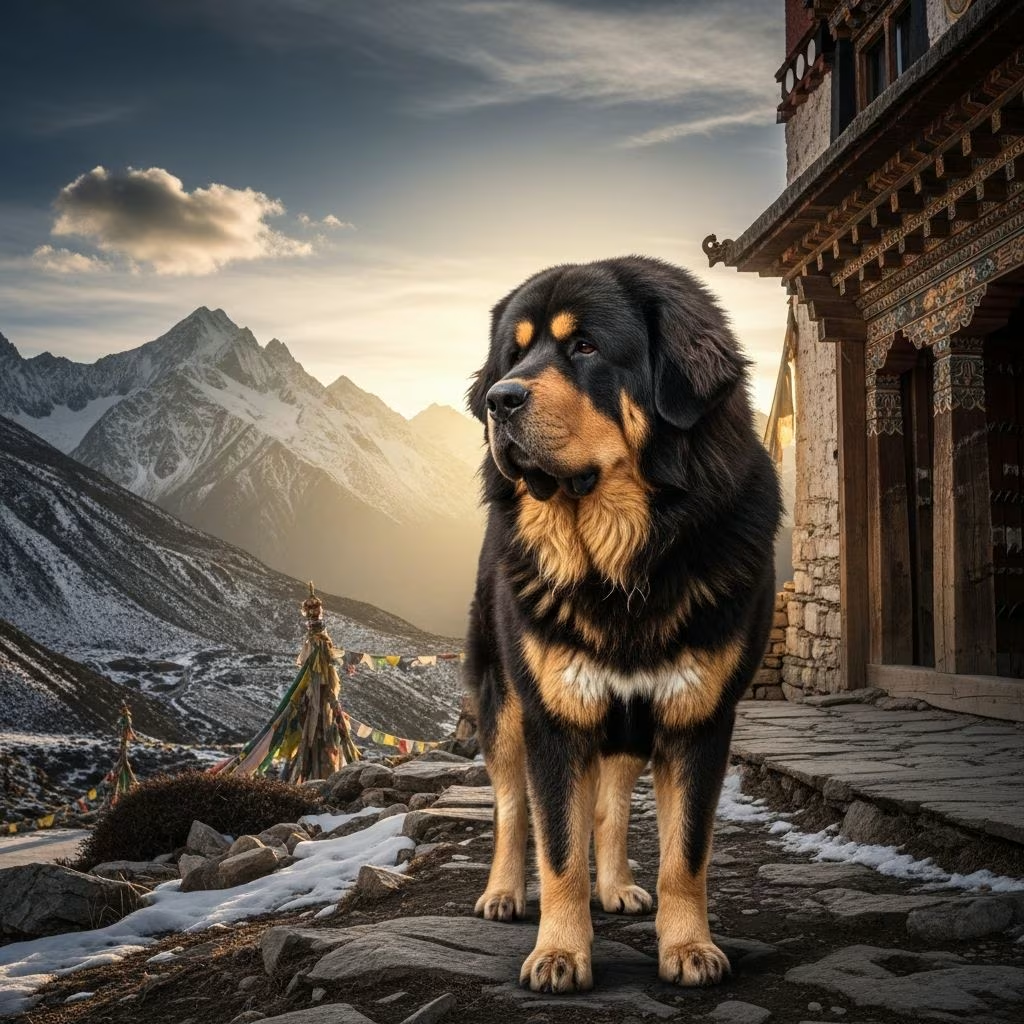
The Tibetan Mastiff stands as one of the most imposing dog breeds, renowned for its massive size and historical role as a protector in the rugged Himalayas. Often portrayed in media as ferocious beasts, these dogs prompt questions about their actual danger to people. In reality, their “danger” stems more from inherent traits like territorial instincts and physical strength rather than unprovoked aggression. Proper training and understanding their needs can make them devoted companions rather than liabilities.
Origins in the High Himalayas: Breeding for Protection
Tibetan Mastiffs trace their lineage back thousands of years to the isolated plateaus of Tibet, where nomads and monks relied on them for safeguarding monasteries, tents, and livestock from predators like wolves, bears, and snow leopards. Known locally as Do-Khyi or “tied dogs,” they were chained during the day and unleashed at night to patrol vast territories, creating zones of deterrence through their deep, booming barks.
Archaeological evidence, including large dog skulls from the Stone and Bronze Ages, and written records from 1100 B.C. in China, confirm their ancient status. Unlike other mastiffs that spread with conquerors like Genghis Khan, Tibetan Mastiffs remained genetically pure due to Tibet’s isolation, developing unique adaptations such as higher hemoglobin levels for high-altitude survival through prehistoric interbreeding with wolf-like canids.
This heritage shaped a breed of controlled power: fearless yet patient, loyal to family but aloof to outsiders. Buddhist lore even attributes spiritual souls to them, enhancing their revered status among Tibetans.
Physical Powerhouse: Size and Strength Demands Respect
Adult Tibetan Mastiffs can weigh 90-150 pounds (males often exceeding 130 pounds) and stand 24-26 inches at the shoulder, with dense double coats in shades of black, red, or brindle that provide insulation against extreme cold. Their broad heads, heavy bones, and muscular builds—complete with cat-like feet for agility on rocky terrain—make them capable of overpowering large predators.
While this physique is ideal for guarding in harsh environments averaging 16,000 feet elevation, it poses challenges in modern settings. Their strength means an excited or protective Mastiff can unintentionally knock over children or elderly people. Hot climates exacerbate issues, as they struggle with heat due to their thick fur, potentially leading to stress-induced behaviors.
| Trait | Male Average | Female Average | Implications |
|---|---|---|---|
| Weight | 90-150 lbs | 70-120 lbs | Requires robust handling; not for novice owners |
| Height | 26 inches | 24 inches | Imposing presence deters intruders naturally |
| Coat | Long, double | Medium-long | High shedding; grooming essential |
| Bite Force | ~500-700 PSI (est.) | Similar | Potent if provoked; training critical |
This table highlights why their physicality commands caution: a playful leap can cause injury, underscoring the need for early socialization.
Temperament Breakdown: Loyal Guardians, Not Mindless Attackers
Tibetan Mastiffs exhibit a temperament forged for independence: reserved with strangers, deeply devoted to family, and territorial without being overtly aggressive. They assess threats thoughtfully—barking thunderously to warn off intruders before escalating—reflecting generations as “protectors, not killers” of yaks and sheep.
- Protective Instinct: Naturally vigilant, they create a “bubble” of security around home and loved ones, thriving in rural areas where their nocturnal barking fits.
- Independence: Single annual estrus cycle (like wolves) reinforces their primitive nature; they think for themselves, resisting pack dominance.
- Aloofness: Wary of outsiders, but gentle with familiar children and pets if raised together.
- Strong-Willed: Requires confident, consistent leadership; poor handling can amplify territorial traits.
Experts note they rarely chase but intimidate effectively, returning to rest once threats retreat. This makes them excellent watchdogs but demanding for apartments or noise-sensitive neighborhoods.
Incidents and Statistics: Context Matters for Risk Assessment
While no breed is inherently “dangerous,” Tibetan Mastiffs appear in rare attack reports due to their size and protective drive. Data from dog bite statistics (e.g., U.S. Centers for Disease Control historical analyses) lump large breeds together, but anecdotal cases highlight risks when untrained or isolated. In Tibet, they remain tied guardians without issue, but Western imports since the 1970s (e.g., via Nepal) have led to occasional mishaps from mismatched environments.
Factors elevating risk include:
- Intact males: Heightened territoriality during breeding seasons.
- Lack of socialization: Unexposed pups may overreact to strangers.
- Escape artistry: Powerful enough to break fences, wandering into conflicts.
Comparatively, breeds like Pit Bulls or Rottweilers top bite lists due to popularity, but Mastiffs’ rarity limits data. Responsible ownership mitigates most dangers.
Health Considerations: Longevity and Potential Issues
Tibetan Mastiffs live 10-12 years, prone to hip dysplasia, elbow issues, hypothyroidism, and bloat from their deep chests. High-altitude genetics aid cold tolerance but demand heartworm prevention and joint supplements. Annual vet checks and weight management prevent obesity-exacerbated mobility problems.
Genetic diversity from modern imports has improved health since the 1990s, but buyers should seek health-tested breeders via clubs like the American Tibetan Mastiff Association.
Training Essentials: Channeling Instincts Safely
Success with Tibetan Mastiffs hinges on positive reinforcement training from 8 weeks: expose to diverse people, sounds, and animals to curb overprotectiveness. Use head collars for control during walks; obedience classes build respect without breaking spirit.
- Establish boundaries early with firm, calm leadership.
- Exercise 1-2 hours daily: hikes suit their stamina.
- Secure 6-foot fencing with concrete bases to prevent digging/escape.
- Neuter if not breeding to temper aggression.
- Mental stimulation via puzzle toys prevents boredom-induced barking.
Pro tip: They excel in protection sports like Schutzhund, honing skills constructively.
Legal and Insurance Hurdles for Owners
Breed-specific legislation (BSL) in some areas restricts Mastiffs due to size, requiring muzzles in public or banning apartments. Homeowners insurance may exclude them, necessitating specialized policies. Research local laws pre-adoption.
Are They Suitable for Your Lifestyle?
Ideal for experienced owners with spacious yards, families committed to training, and rural settings. Not for first-timers, small homes, or frequent travelers. Their loyalty rewards dedication immensely.
Frequently Asked Questions (FAQs)
Are Tibetan Mastiffs good with kids?
Yes, if socialized; their patience suits gentle children, but supervise due to size.
How much do they bark?
Vocally at night; best in low-density areas.
Can they be apartment dogs?
No—need space to patrol.
What’s their bite force compared to others?
Estimated 500+ PSI, akin to large guardians; training prevents use.
Do they get along with other pets?
Possible with early intros; dominant with same-sex dogs.
References
- Tibetan Mastiff History: Guardian of Ancient Monasteries — American Kennel Club (AKC). 2023-05-15. https://www.akc.org/expert-advice/dog-breeds/tibetan-mastiff-history-ancient-guardian-monasteries/
- Tibetan Mastiff — Wikipedia (citing primary genetic studies). 2026-01-28. https://en.wikipedia.org/wiki/Tibetan_Mastiff
- Tibetan Mastiff (Do Khyi) Facts — Wisdom Panel. 2025-11-10. https://www.wisdompanel.com/en-us/dog-breeds/tibetan-mastiff
- Brief History — American Tibetan Mastiff Association. 2024-03-20. https://www.tibetanmastiff.org/brief-history.html
- Tibetan Mastiff — Tibetan Mastiffs Australia. 2025-07-05. http://www.tibetanmastiffs.au
- Tibetan Mastiff Owner’s Guide — Greencross Vets. 2025-09-12. https://www.greencrossvets.com.au/pet-library/dogs/breed-guides/tibetan-mastiff-owners-guide/



