

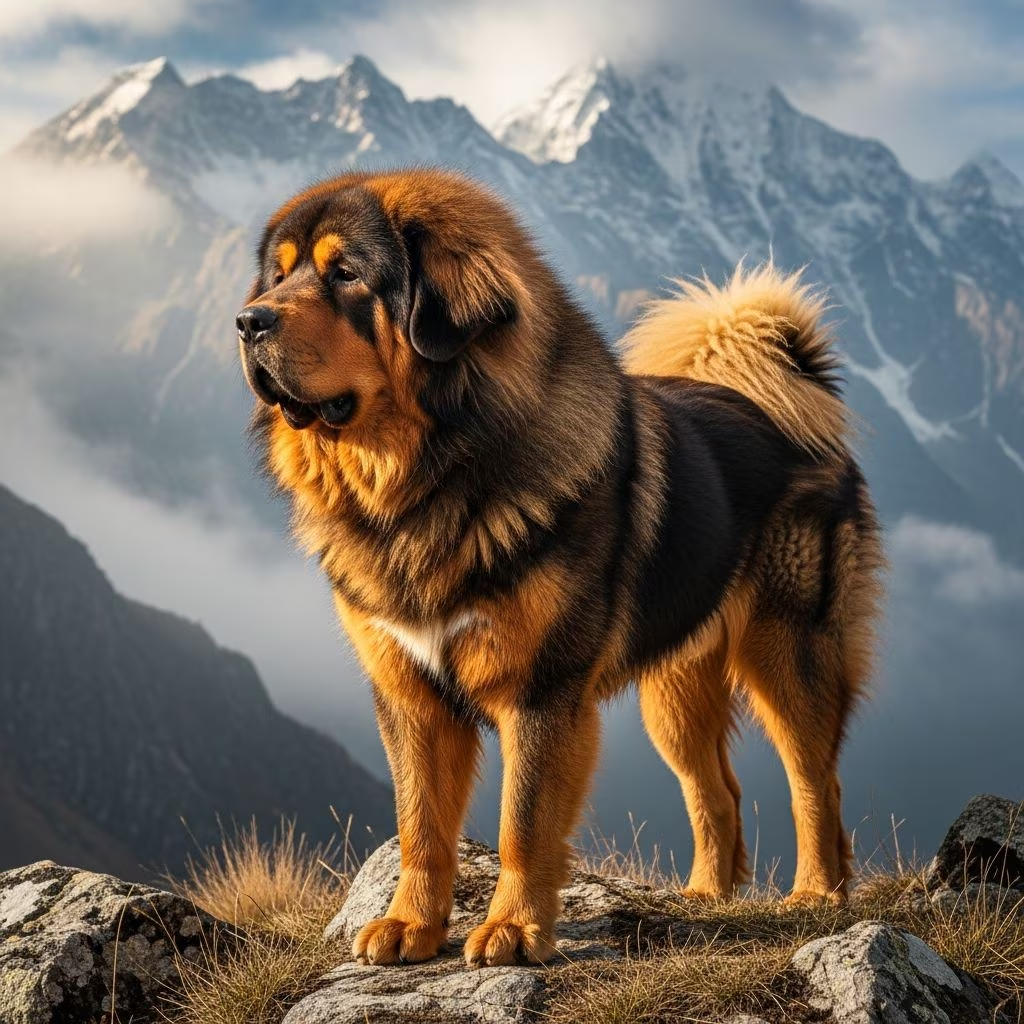
The Tibetan Mastiff stands as one of the world’s most impressive dog breeds, renowned for its towering stature, thick mane, and unwavering loyalty. Originating from the rugged highlands of Tibet, this breed has served as a steadfast guardian for centuries, protecting livestock, monasteries, and families from predators in extreme conditions. Today, these dogs captivate modern pet enthusiasts with their dignified presence and independent spirit, though they demand experienced handling due to their size and strong-willed nature.
Ancient Roots in the Himalayas
Tracing back over millennia, the Tibetan Mastiff’s history is intertwined with the nomadic peoples of Tibet, China, Nepal, and India. Bred primarily to safeguard sheep herds from wolves, leopards, and bears, these dogs roamed the harsh Tibetan Plateau at altitudes exceeding 16,000 feet. Early records from around 1100 B.C. in China mention large guardian dogs, and archaeological findings of massive dog skulls from the Stone and Bronze Ages support their ancient lineage.
Unlike many breeds influenced by Western bloodlines, the Tibetan Mastiff remained isolated in the Himalayas, preserving its primitive traits. Nomads valued them highly, often gifting puppies to high lamas for monastery protection. Buddhist lore even ascribes spiritual significance to them, viewing their souls as reincarnated monks destined for paradise. This isolation fostered unique adaptations, such as elevated hemoglobin levels enabling survival in low-oxygen environments, likely from prehistoric interbreeding with wolf-like canids.
By the Middle Ages, ancestors of the breed accompanied armies of the Persians, Greeks, Romans, Attila the Hun, and Genghis Khan, spreading their genetic influence across Eurasia. Yet, the pure Himalayan strain stayed true to its guardian role, tied to tent stakes or monastery gates, barking with a deep, foghorn-like bay to ward off intruders.
Physical Characteristics and Breed Standards
Tibetan Mastiffs are a study in power and elegance. Males typically stand 26 inches or taller at the shoulder, weighing 90-150 pounds, while females are slightly smaller at 24 inches and 70-120 pounds. Their double coat—medium to long, depending on climate—comes in shades of black, red, gold, or brindle, often with white markings. A hallmark is the lion-like mane around the neck and shoulders, especially prominent in males, giving them a regal, intimidating appearance.
Key features include a broad skull, strong jaws, oval-shaped dark brown eyes conveying alertness, and a bushy tail that curls over the back. Their build is athletic yet substantial, with large feet suited for snowy terrain and loose skin forming wrinkles on the face and body. This coat provides insulation against frigid temperatures but sheds heavily twice yearly, requiring diligent grooming.
| Trait | Male | Female |
|---|---|---|
| Height | 26+ inches | 24+ inches |
| Weight | 90-150 lbs | 70-120 lbs |
| Coat Length | Medium-Long | Medium-Long |
| Life Expectancy | 10-12 years | 10-12 years |
This table summarizes standard measurements, highlighting the breed’s imposing size that suits them for protection but challenges urban living.
Personality Traits and Family Dynamics
Independent thinkers with a protective core, Tibetan Mastiffs form deep bonds with their families while remaining aloof toward outsiders. Their guardian heritage manifests in territorial behavior, making them excellent watchdogs who patrol properties with a booming bark. They exhibit controlled aggression—more bark than bite—preferring to intimidate threats into retreat rather than engage physically.
- Loyalty: Devoted to household members, often gentle with children if raised together, but their size requires supervision.
- Independence: Not needy for constant attention; they thrive with space to observe their domain.
- Protectiveness: Instinctively wary of strangers; early socialization prevents over-reactivity.
- Intelligence: Highly perceptive, with an almost human-like understanding of family dynamics.
These traits make them unsuitable for novice owners or apartments, favoring rural or spacious suburban homes where their nocturnal barking won’t disturb neighbors.
Essential Training and Socialization Strategies
Training a Tibetan Mastiff demands patience, consistency, and positive reinforcement. Their stubborn streak means force-based methods backfire, fostering resistance. Start socialization as puppies, exposing them to diverse people, sounds, and animals to temper their natural suspicion.
Obedience classes focused on working breeds help, emphasizing commands like \”leave it\” and \”quiet\” to manage barking. Leash training is crucial given their strength—harness over collar recommended. Mental stimulation via puzzle toys or scent work channels their problem-solving intellect. Never off-leash in public due to unpredictable reactions to perceived threats.
House rules should be firm from day one: no jumping or pulling, as their power can overwhelm. Experienced owners succeed by treating them as equals rather than subordinates, building mutual respect.
Grooming Routines for the Luxurious Coat
The Tibetan Mastiff’s dense double coat repels dirt and withstands cold but sheds profusely during \”blowing coat\” seasons. Weekly brushing with a slicker brush and undercoat rake prevents matting and reduces shedding around the home. Bathe sparingly—every 2-3 months with oatmeal-based shampoo—to preserve natural oils.
Nail trims every 4-6 weeks, ear cleaning weekly to prevent infections in their folded ears, and daily teeth brushing maintain hygiene. In hot climates, clip the coat slightly for airflow, though never shave it fully to avoid sunburn. Professional grooming quarterly aids heavy shedders.
Nutrition and Daily Exercise Requirements
High-quality, large-breed puppy food until 18-24 months supports joint development, transitioning to adult formulas with glucosamine. Adults need 4-6 cups daily, split into two meals to avoid bloat—a risk for deep-chested giants. Monitor weight to prevent obesity, which strains hips.
Exercise totals 1-2 hours daily: long walks, fenced yard romps, or hikes. Avoid heat; they excel in cooler weather. Hydration is key, especially post-activity. Supplements like fish oil benefit coat and joints.
Common Health Concerns and Wellness Tips
Robust yet prone to hereditary issues: hip and elbow dysplasia (screen via OFA), hypothyroidism, and heart conditions like dilated cardiomyopathy. Regular vet checks, including annual bloodwork, catch problems early. Their single annual estrus cycle stems from primitive roots.
- Orthopedic exams for growing pups.
- Weight management to ease joint stress.
- Vaccinations and parasite prevention tailored to lifestyle.
Genetic testing for breeders ensures healthier lines. Lifespan averages 10-12 years with proactive care.
Choosing and Bringing Home Your Tibetan Mastiff
Select reputable breeders who health-test parents and prioritize temperament. Puppies cost $1,500-$5,000; rescues offer adults. Prepare with a secure 6-foot fence, no small pets initially, and family commitment to training. They flourish in calm, structured environments with assertive leaders.
Frequently Asked Questions (FAQs)
Are Tibetan Mastiffs good with kids?
Yes, if socialized young and supervised due to size; they’re gentle but boisterous puppies.
Can they live in hot climates?
Prefer cool weather; provide shade, water, and avoid midday exercise in heat.
How much do they bark?
Frequently at night to patrol; training helps control it.
Are they easy to train?
Challenging for beginners; reward-based methods work best with consistency.
What’s their energy level?
Moderate; they enjoy lounging but need purposeful activity.
References
- Complete Guide to Tibetan Mastiffs: History, Traits & Care — DCC Pets. 2023. https://dccpets.in/pet-care-blog/a-complete-guide-to-tibetan-mastiff
- Tibetan Mastiff History: Guardian of Ancient Monasteries — American Kennel Club (AKC). 2024-01-15. https://www.akc.org/expert-advice/dog-breeds/tibetan-mastiff-history-ancient-guardian-monasteries/
- Tibetan Mastiff — Wikipedia. 2025-12-01. https://en.wikipedia.org/wiki/Tibetan_Mastiff
- Tibetan Mastiff (Do Khyi) Facts — Wisdom Panel. 2024. https://www.wisdompanel.com/en-us/dog-breeds/tibetan-mastiff
- What to Know About Tibetan Mastiffs — WebMD. 2024-06-10. https://www.webmd.com/pets/dogs/what-to-know-about-tibetan-mastiffs
- Brief History — American Tibetan Mastiff Association. 2023. https://www.tibetanmastiff.org/brief-history.html
- Tibetan Mastiff | Dog Breed Facts and Information — WagWalking. 2024. https://wagwalking.com/breed/tibetan-mastiff



