

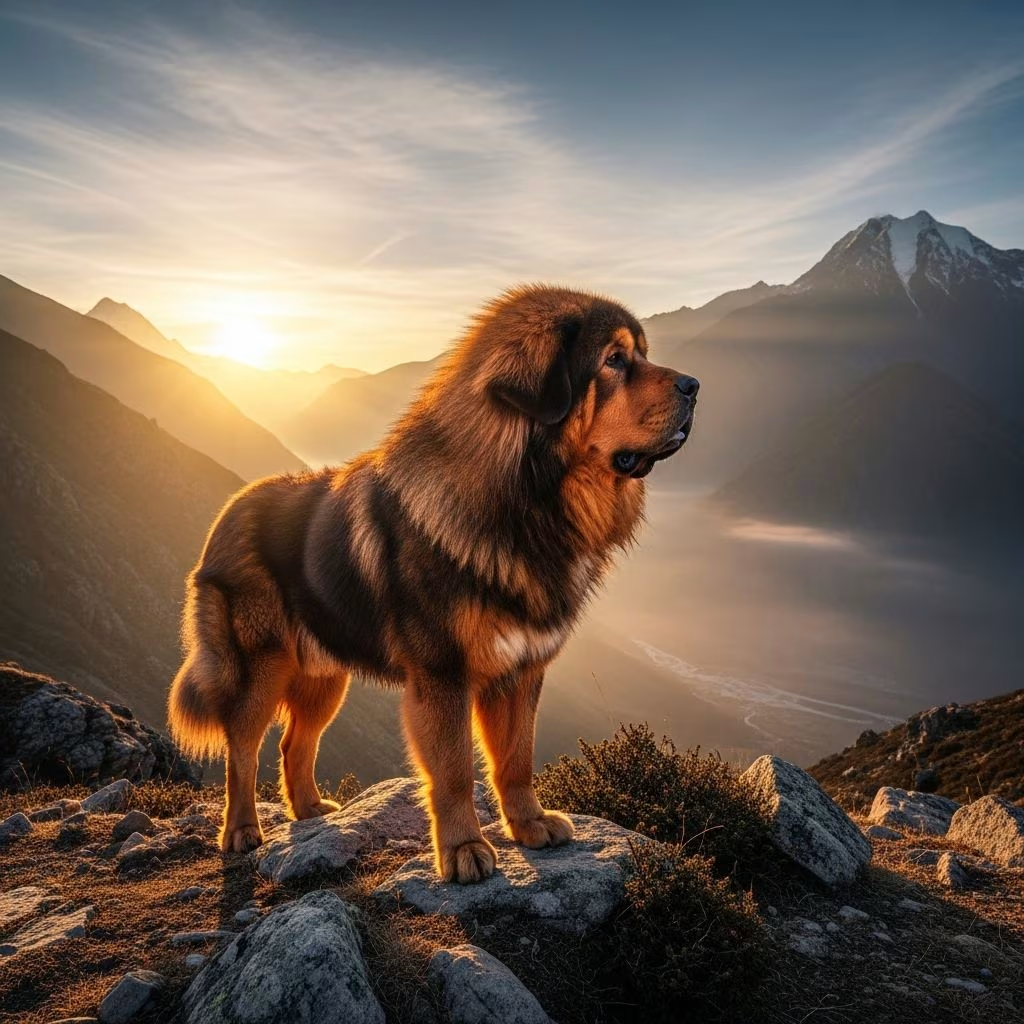
The Tibetan Mastiff stands as one of the most impressive and ancient dog breeds, renowned for its role as a steadfast protector originating from the rugged Himalayas. This giant breed combines a bear-like presence with unwavering loyalty, making it a captivating choice for experienced dog owners who appreciate independence and guardianship instincts.
Origins and Historical Role
Tracing back thousands of years, the Tibetan Mastiff emerged in the isolated Tibetan Plateau, where it served as a vital guardian for nomadic tribes, livestock, and monasteries against predators like wolves and leopards. Its development in harsh, high-altitude environments honed its resilience, intelligence, and self-reliant nature, positioning it as a foundational breed for many modern large guardians.
Historical accounts highlight two variants: larger, more imposing types for intimidation and sleeker ones for agility in confronting threats. Crossbreeding maintained optimal traits, with the breed’s thick mane providing insulation, visual deterrence, and protection during conflicts.
Introduced to the West in the 19th century, the breed gained fame for its noble demeanor but faced challenges adapting to modern lifestyles due to its primitive instincts, including a single annual estrus cycle akin to wild canids.
Physical Characteristics and Appearance
Tibetan Mastiffs are giant dogs, with males reaching 90-150 pounds and 26-30 inches at the shoulder, while females are slightly smaller at 70-120 pounds and 24-28 inches. Their muscular, athletic build supports an alert stance, broad head, and feathered tail that curls over the back.
The double coat features a coarse, straight top layer and woolly undercoat, longest around the neck forming a dramatic mane, especially in males. Coat colors vary widely: solid black, black and tan, brown, red-gold, blue-gray, and combinations with tan markings or white accents on the chest and legs.
- Head and Face: Broad skull, square muzzle, deep-set oval eyes in dark shades rimmed in black, and a wide nose matching coat tones.
- Ears: Medium V-shaped, dropped when relaxed, pricked when alert.
- Build: Powerful yet agile, with loose skin allowing movement in extreme cold.
This fluffy, lion-esque appearance not only intimidates but insulates against freezing temperatures, though it poses challenges in warmer climates.
Temperament and Personality Traits
Characterized by aloofness and vigilance, Tibetan Mastiffs form profound bonds with their family, viewing owners as equals rather than masters. They are patient with children when socialized early but remain wary of strangers, barking to alert rather than confront unless necessary.
Independent thinkers, they exhibit cat-like behaviors: selective affection, nocturnal activity, and stubbornness. Highly territorial on home grounds, they relax off-property. Dominance toward same-sex dogs is common, necessitating careful introductions to other pets.
| Trait | Rating (1-5) | Description |
|---|---|---|
| Protectiveness | 5/5 | Instinctive guardian, highly territorial. |
| Trainability | 3/5 | Intelligent but willful; not for novices. |
| Good with Children | 3/5 | Patient if respected, needs supervision. |
| Energy Level | 3/5 | Moderate; patrols rather than high-energy play. |
| Barking | 3/5 | Alert barks at night; otherwise quiet. |
Ratings adapted from breed standards; individual variation exists.
Care and Grooming Essentials
Regular maintenance is crucial for this heavy-shedding breed. Brush 2-3 times weekly, daily during seasonal blows, to manage undercoat and prevent matting. Bathe sparingly to preserve natural oils; focus on paw and tail feathering.
Provide a high-quality large-breed diet supporting joint health, controlling calories to prevent obesity in their laid-back indoor demeanor. Fresh water is vital, especially in heat.
- Exercise: 1-2 hours daily of walks, patrols in a secure 6-foot fenced yard. Avoid apartments; they thrive on space.
- Grooming Tools: Slicker brush, undercoat rake, nail clippers.
- Climate: Best in cool areas; monitor for heatstroke with shaded access.
Nocturnal tendencies mean evening activity peaks, aligning with ancestral predator patrols.
Training and Socialization Strategies
Start socialization young: expose to diverse people, sounds, and animals under supervision to temper guardian instincts. Positive reinforcement works best; harsh methods fuel stubbornness. They excel in protection roles but falter in competitive obedience due to independence.
Key commands: recall, leave-it, and boundary training. Consistency from experienced handlers prevents dominance issues. Puppy classes aid but expect selective compliance.
Health Considerations and Lifespan
Average lifespan is 10-12 years. Common issues include hip/elbow dysplasia, hypothyroidism, and bloat; screen breeders via OFA or PennHIP.
- Joint Problems: Glucosamine supplements, weight management.
- Heart/Eye: Regular vet checks for dilated cardiomyopathy, entropion.
- Cancer: Monitor lumps; genetics play a role.
Annual exams, vaccinations, and dental care extend quality life. Avoid over-exercise in puppies to protect growing joints.
Ideal Living Environment and Owner Profile
Suited for rural or suburban homes with large, fenced yards. Not for first-time owners, apartments, or hot climates. Families with respectful children and no same-sex dogs fare best. Committed owners valuing protection over companionship thrive with this noble breed.
Expect vocal nights, drool, and shedding; rewards include unmatched devotion and deterrence.
Frequently Asked Questions (FAQs)
Are Tibetan Mastiffs good family dogs?
Yes, with proper socialization; they are patient and protective but need space and experienced handling.
How much exercise do they need?
Moderate: 1-2 hours daily, preferring purposeful patrols over fetch.
Do they shed a lot?
Yes, heavily twice yearly; weekly brushing minimizes mess.
Can they live in hot climates?
No, their coat suits cold; provide cooling measures.
Are they easy to train?
Intelligent but stubborn; positive, consistent methods work best.
What is their lifespan?
Typically 10-12 years with good care.
References
- Tibetan Mastiff Breed: Characteristics, Care & Photos — Chewy. 2023. https://www.chewy.com/education/dog-breeds/tibetan-mastiff
- Tibetan Mastiff — Westminster Kennel Club. 2024. https://www.westminsterkennelclub.org/breed/tibetan-mastiff/
- Is the Tibetan Mastiff right for you — Tibetan Mastiff.org. 2023. https://www.tibetanmastiff.org/is-tm-right-for-you.html
- Tibetan Mastiff Dog Breed Health and Care — PetMD. 2024-01-15. https://www.petmd.com/dog/breeds/tibetan-mastiff
- Tibetan Mastiff — Wikipedia. 2026-01-28. https://en.wikipedia.org/wiki/Tibetan_Mastiff
- Tibetan Mastiff Dog Breed Information — Purina UK. 2024. https://www.purina.co.uk/find-a-pet/dog-breeds/tibetan-mastiff
- ALL ABOUT TIBETAN MASTIFF: LOYAL GUARD DOG — YouTube. 2023. https://www.youtube.com/watch?v=_z8W9RNxtzY



