

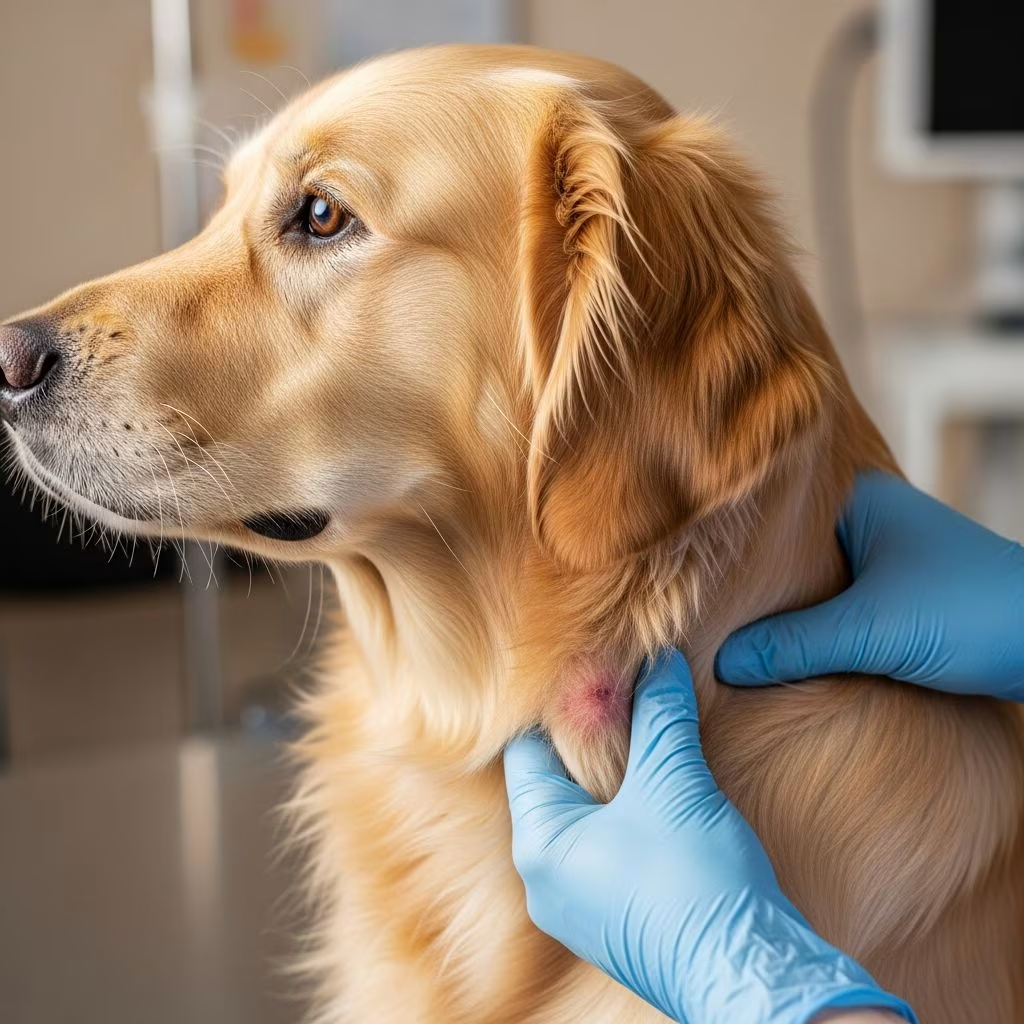
Understanding Thyroid Tumors in Pets
Thyroid tumors are a significant health concern in companion animals, particularly affecting older dogs and cats. The thyroid gland, located in the neck, plays a crucial role in regulating metabolism through the production of thyroid hormones. When malignant tumors develop in this gland, they can severely impact your pet’s health and quality of life. Understanding the nature of these tumors, their symptoms, and available treatment options is essential for pet owners facing this diagnosis.
Thyroid carcinoma represents the most common form of thyroid malignancy in dogs, while hyperthyroidism related to thyroid disease is prevalent in cats. These conditions require different diagnostic approaches and treatment strategies, making it important to understand the specific considerations for each species.
What Are Thyroid Tumors?
Thyroid tumors are cancerous growths that develop within the thyroid gland tissue. In dogs, thyroid carcinoma is the primary concern, representing a significant portion of thyroid-related cancers. These tumors can vary greatly in their aggressiveness and potential to spread to other parts of the body, a process known as metastasis.
The behavior and prognosis of thyroid tumors depend on several factors, including the tumor’s size, how deeply it has invaded surrounding tissues, whether it has spread to distant organs, and the specific type of cancer cells present. Some tumors remain localized to the thyroid gland, while others aggressively invade blood vessels and lymphatic vessels, increasing the likelihood of metastatic disease.
Clinical Signs and Symptoms
Pets with thyroid tumors may exhibit a variety of clinical signs that warrant veterinary attention. Common symptoms include:
- A visible mass or swelling in the neck area
- Difficulty swallowing (dysphagia)
- Difficulty breathing or changes in respiratory patterns
- Coughing or gagging
- Lethargy and decreased activity levels
- Weight loss despite maintaining appetite
- Voice changes or altered vocalization
- Enlarged lymph nodes
In cats, thyroid tumors often present differently, with hyperthyroidism being the most common manifestation. Affected cats may show increased appetite, weight loss, hyperactivity, and behavioral changes. Some cats develop visible neck masses, though this is less common than in dogs.
Diagnosis of Thyroid Tumors
Accurate diagnosis is essential for developing an effective treatment plan. Veterinarians employ several diagnostic techniques to identify and characterize thyroid tumors:
Physical Examination
A thorough physical examination often reveals a palpable mass in the thyroid region. The veterinarian will assess the size, mobility, and texture of the mass, as well as evaluate for signs of invasion into surrounding tissues or enlarged lymph nodes.
Imaging Studies
Ultrasound is frequently the first imaging modality used, providing detailed visualization of the thyroid gland and surrounding structures. Computed tomography (CT) scans offer superior detail for assessing tumor size, invasion into adjacent tissues, and the presence of metastatic disease. These imaging studies help veterinarians determine whether the tumor is movable or firmly attached to surrounding tissues, information crucial for treatment planning.
Biopsy and Cytology
Fine needle aspiration cytology or tissue biopsy may be performed to confirm the diagnosis and determine the specific type of thyroid cancer. This information helps guide treatment decisions and provides prognostic information.
Staging
Staging procedures, including chest radiographs and possibly abdominal ultrasound, are performed to detect metastatic disease. Technetium-99m scans may also be used to assess whether thyroid cancer cells retain the ability to uptake radioactive iodine, which influences treatment eligibility.
Treatment Options for Dogs with Thyroid Tumors
A variety of treatment options are available for dogs with thyroid tumors. The choice of treatment depends on multiple factors, including tumor size, the extent of invasion into nearby tissues, the presence or absence of metastatic disease, and the treatment options available at your veterinary facility.
Surgical Management (Thyroidectomy)
Surgery, known as thyroidectomy, is recommended for dogs with thyroid tumors that are movable (loosely attached) and tumors with limited invasion of surrounding tissues. This procedure involves the surgical removal of the affected thyroid lobe or both lobes, depending on tumor location and extent. Successful surgical removal can provide excellent long-term outcomes when the tumor is completely removed without leaving residual disease.
However, surgery is not recommended for tumors that are too large, deeply invasive, firmly attached to surrounding structures, or cannot be completely removed without significant complications. In these cases, alternative or adjunctive treatments become necessary.
Radiation Therapy
Radiation therapy is an effective option for dogs with thyroid tumors that cannot be surgically removed or when residual disease remains after surgery. Several radiation protocols exist:
- Conventional Finely Fractionated Radiation Therapy: Administered daily, Monday through Friday for approximately 3.5 weeks. This approach typically results in a median survival time of 2-4 years, with maximum response seen 8-22 months after completing treatment.
- Palliative Radiation Therapy: A less intensive course involving 3-4 treatments administered at weekly intervals. This approach focuses on quality of life with a median survival time of 6 months to 2.4 years.
- Stereotactic Radiation Therapy (SRT): A newer technique involving three consecutive daily high doses of radiation. Studies show a 70% overall response rate with 81% of dogs experiencing clinical improvement within two weeks of starting treatment. SRT provides the advantage of fewer general anesthetics and shorter treatment duration, though it is more expensive.
Radioactive Iodine Therapy (I-131)
Radioactive iodine therapy represents an effective treatment option for dogs with thyroid tumors. This treatment works by placing a radioactive tag on iodine, which is then taken up by thyroid tissue and slowly destroys cancerous thyroid cells. I-131 is particularly useful for dogs that are poor surgical candidates or when metastasis is discovered after surgery.
The therapy is effective because it selectively destroys active thyroid tissue while preserving normal tissues. Most thyroid tumors and their metastases retain the ability to trap I-131, though some carcinomas do not respond to this treatment. Prior to treatment, dogs require a technetium-99m scan to determine eligibility, and they must remain hospitalized for approximately 24 hours following treatment.
Disadvantages of I-131 therapy in dogs include the need for very high doses compared to cats and the requirement for extended hospitalization. Additionally, this therapy has limited availability in many geographic areas.
Chemotherapy
Chemotherapy is recommended for dogs whose tumors exhibit characteristics of aggressive behavior, such as invasion into blood or lymphatic vessels. It is also valuable for treating metastatic disease and is often combined with radiation therapy or surgery.
Several chemotherapy protocols are employed in veterinary oncology:
- Carboplatin: Preferred for otherwise healthy dogs due to fewer adverse effects, treatment delays, and hospitalizations compared to cisplatin.
- Doxorubicin: Shows a response rate of 30-40% with a median survival time of 7.5 to 8.5 months.
- Metronomic (Low-dose Oral) Chemotherapy: A cost-effective option providing excellent quality of life while delaying regrowth and metastasis.
Chemotherapy is typically administered intravenously every 3 weeks for 4 to 5 treatments. Dogs with unresectable tumors treated with combined radiation and chemotherapy may experience survival times of 6-12 months.
Palladia® (Toceranib Phosphate)
Palladia is an oral tyrosine kinase inhibitor showing efficacy for dogs with macroscopic thyroid carcinoma. The overall response rate ranges from 25-46%, with an additional 42-53% of dogs experiencing stable disease. The median duration of response is approximately 7 months to 2.8 years, with median survival times of 1.5 to 3 years.
Treatment Options for Cats with Thyroid Tumors
Cats with thyroid tumors have four primary treatment options, each with distinct advantages and considerations:
Radioactive Iodine Therapy (I-131)
When available, radioactive iodine therapy is the treatment of choice for cats with thyroid tumors. This approach is simple, effective, and safe, making it the preferred option for feline patients. Unlike dogs, cats typically require lower doses of radioactive iodine, and treatment outcomes are generally excellent.
Medication Management
Daily medication, such as methimazole, is also a safe and effective treatment option for cats. This medication helps control thyroid hormone production and manage hyperthyroidism. Medications allow cats to maintain their normal lifestyle while controlling disease progression.
Surgical Management (Thyroidectomy)
Thyroidectomy in cats is reserved for situations when medication is not possible, ineffective, or produces unacceptable side effects, and when radioactive iodine therapy is unavailable. This surgical approach allows for definitive treatment in selected cases.
Dietary Management
A newer treatment option involves dietary restriction of iodine using prescription diets formulated to limit iodine intake. These specialized diets can help manage hyperthyroidism in cats when other treatments are unavailable or unsuitable.
Prognosis and Long-Term Management
Thyroid carcinoma is not typically curable, but with appropriate treatment, the disease can be controlled while maintaining good quality of life. Prognosis depends on numerous factors, including the tumor stage at diagnosis, treatment chosen, and the individual pet’s response to therapy.
Dogs with completely resected tumors and no evidence of metastatic disease generally have the best prognosis. Those requiring multimodal therapy (surgery combined with radiation or chemotherapy) typically experience survival times of several months to years. Regular follow-up appointments and monitoring are essential for detecting disease progression and adjusting treatment plans as needed.
Combination Therapy Approaches
Many veterinary oncologists recommend combination therapy for optimal outcomes. For example, surgery followed by radiation therapy can provide superior control compared to either treatment alone. Similarly, combining chemotherapy with radiation therapy or surgery enhances disease control, particularly in cases with aggressive tumor characteristics or evidence of metastatic disease.
The specific combination recommended depends on individual tumor characteristics, treatment availability, and your pet’s overall health status. Your veterinary oncologist will discuss the most appropriate multimodal approach for your pet’s specific situation.
Frequently Asked Questions
Q: Are thyroid tumors in pets hereditary?
A: While thyroid tumors occur more frequently in certain breeds and older animals, they are not typically considered hereditary diseases. Multiple factors, including age, genetics, and environmental influences, likely contribute to tumor development.
Q: Can thyroid tumors be prevented?
A: There is no proven method to prevent thyroid tumors. However, maintaining optimal health, providing appropriate nutrition, minimizing environmental toxins, and scheduling regular veterinary check-ups may support overall health and early detection.
Q: How long can pets survive with thyroid tumors?
A: Survival times vary significantly depending on tumor stage, treatment type, and individual response. With appropriate treatment, survival can range from several months to several years, with some dogs living 2-4 years after treatment initiation.
Q: Is chemotherapy painful for pets?
A: Modern chemotherapy protocols are designed to minimize discomfort. While side effects can occur, most pets tolerate chemotherapy well, and supportive care helps manage any adverse effects.
Q: What is the cost of thyroid tumor treatment?
A: Treatment costs vary widely depending on the chosen approach. Surgery may range from several hundred to several thousand dollars, while radiation therapy, I-131 treatment, and chemotherapy each have their own cost structures. Discussing financial options with your veterinarian is important.
Q: Should I pursue aggressive treatment or focus on comfort care?
A: This decision depends on your pet’s age, overall health, tumor stage, and your personal preferences. Your veterinary oncologist can help you weigh the benefits and burdens of different approaches to determine the best plan for your individual pet.
References
- Thyroid Tumors — VCA Animal Hospitals. 2025. https://vcahospitals.com/know-your-pet/thyroid-tumors
- Treatment Options for Dogs with Unresectable Thyroid Cancer — The Pet Oncologist. https://www.thepetoncologist.com/blog/thyroid-carcinoma-in-dogs
- Thyroid Tumors in Dogs — PetCure Oncology. https://petcureoncology.com/thyroid-cancer-in-dogs/
- Thyroid Tumors — American College of Veterinary Surgeons. https://www.acvs.org/small-animal/thyroid-tumors/
- Thyroid Cancer in Dogs — PetMD. https://www.petmd.com/dog/conditions/cancer/thyroid-cancer-dogs



