

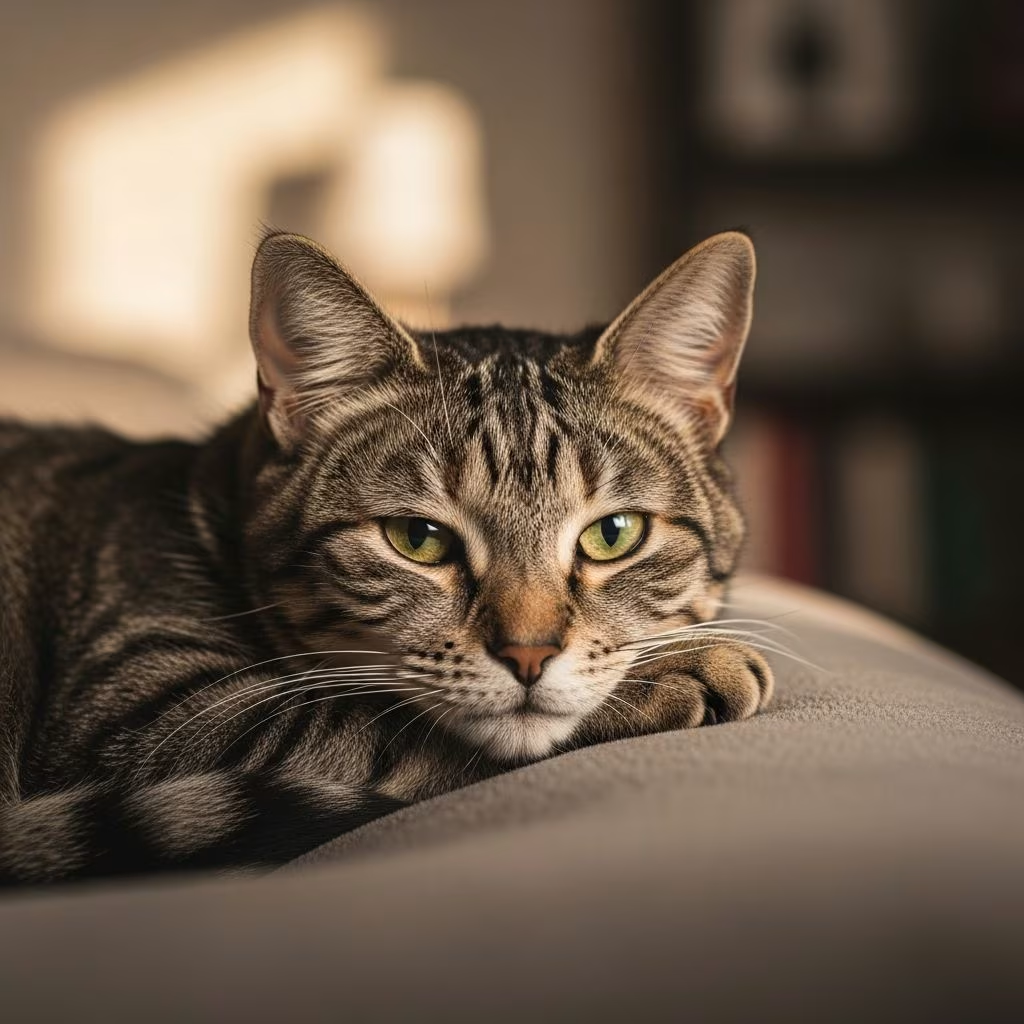
Feline hyperthyroidism represents one of the most frequently encountered metabolic disorders affecting cats in their senior years. This condition develops when the thyroid gland produces excessive quantities of hormones that regulate the body’s energy expenditure and metabolic processes. Understanding this disease is essential for cat owners, as early recognition and appropriate management can significantly improve quality of life and prevent serious complications affecting vital organs.
The Fundamentals of Thyroid Disease in Cats
The thyroid gland functions as the body’s metabolic regulator, controlling how quickly cells convert nutrients into energy. Positioned in the neck region, this gland typically maintains precise hormone levels needed for normal bodily functions. When thyroid tissue undergoes pathological changes, hormone production escalates beyond normal parameters, causing the body’s metabolic engine to operate at dangerously high speeds.
The underlying cause in approximately 99 percent of cases involves benign growths within thyroid tissue rather than cancerous tumors. These enlargements, known medically as nodular hyperplasia, resemble noncancerous masses that trigger uncontrolled hormone secretion. Veterinary researchers continue investigating why these benign changes occur, though the mechanism appears similar to toxic nodular goiter observed in human patients.
Population Most Vulnerable to Thyroid Imbalance
This endocrine condition predominantly affects middle-aged and older felines, with typical presentation occurring between ages 12 and 13 years. Surprisingly, both male and female cats develop hyperthyroidism at equal rates, indicating no sex-based predisposition. Younger cats rarely experience this disorder, making it distinctly a geriatric condition. Cats presenting with this disease have already experienced years of aging, which influences treatment selection and monitoring protocols.
Recognizing Physical and Behavioral Changes
Cats experiencing thyroid hormone overproduction display characteristic signs reflecting their accelerated metabolic state. These manifestations often develop gradually, though some cats progress rapidly within weeks while others show slower symptom advancement.
Metabolic and Weight-Related Indicators
- Significant weight loss despite ravenous appetite and increased food consumption
- Rapid energy depletion from calories consumed
- Muscle wasting and poor body condition despite adequate nutrition
- Visible ribs and skeletal prominence even in cats fed generously
Behavioral and Temperament Changes
- Increased restlessness and agitation
- Heightened irritability and aggression toward family members
- Excessive vocalization, particularly during nighttime hours
- Hyperactivity and inability to remain calm or settled
- Altered sleep patterns with frequent waking episodes
Physical and Systemic Manifestations
- Elevated thirst and water consumption beyond normal baseline
- Frequent urination and litter box visits
- Recurring vomiting or diarrhea episodes
- Unkempt appearance and neglected grooming behaviors
- Accelerated heart rate detectable during veterinary examination
- Rapid or labored breathing patterns
- Heart murmurs detected through stethoscope assessment
The interconnection of these symptoms creates a recognizable pattern that experienced veterinarians identify relatively quickly. The combination of dramatic weight loss coupled with voracious appetite remains the most distinctive hallmark distinguishing this condition from other feline diseases.
How Thyroid Imbalance Affects Organ Systems
When thyroid hormone levels remain elevated over extended periods, virtually every organ system experiences stress from the accelerated metabolic rate. The cardiovascular system bears particular vulnerability, as the heart must pump harder and faster to support increased metabolic demands. Without treatment, untreated hyperthyroidism can ultimately lead to heart failure and sudden death.
Secondary complications develop as the disease progresses, necessitating treatment to address both the primary thyroid condition and resulting health problems. This cascading effect makes early detection and intervention critically important for preserving organ function and extending lifespan.
Diagnostic Procedures and Confirmation
Veterinarians employ blood testing to measure circulating thyroid hormone concentrations, confirming clinical suspicions derived from symptom presentation. Physical examination findings, combined with laboratory evidence of elevated hormone levels, establish definitive diagnosis. These diagnostic approaches allow differentiation from other conditions mimicking hyperthyroidism symptoms, ensuring appropriate treatment selection.
Medical Management Through Pharmaceutical Intervention
Oral medications represent the most accessible and reversible treatment pathway for many cat owners. Methimazole, available under brand names including Tapazole, blocks excessive thyroid hormone production by inhibiting enzymatic processes necessary for hormone synthesis. This medication does not cure the underlying thyroid condition but rather controls hormone output, maintaining levels within acceptable ranges.
Medication Administration Approaches
Veterinary professionals offer flexible dosing options accommodating different cat temperaments and owner capabilities:
- Oral tablets administered twice daily at consistent intervals
- Liquid formulations for cats resisting pill administration
- Transdermal gel applications applied directly to ear flaps, bypassing oral administration difficulties
- FDA-approved formulations including Felimazole tablets and Felanorm oral solution
Treatment typically requires lifelong continuation, as discontinuing medication allows hormone levels to escalate again. Regular veterinary monitoring ensures dosage appropriateness and identifies potential side effects requiring adjustment.
Side Effect Considerations with Pharmaceutical Therapy
Approximately 18 percent of cats receiving methimazole experience adverse reactions, though many remain manageable with dosage modification or alternative delivery methods. Reported complications include gastrointestinal symptoms, behavioral changes, facial or neck scratching, and blood count abnormalities. Liver function monitoring protects against hepatic complications developing during extended therapy.
Nutritional Management Through Specialized Diets
Prescription diets formulated with reduced iodine content represent an alternative approach to managing overproduction of thyroid hormones. Since iodine constitutes an essential building block for thyroid hormone synthesis, limiting dietary iodine availability naturally reduces hormone production capacity. These specially formulated diets require veterinary prescription and consistent feeding protocols to maintain effectiveness.
Dietary therapy works best as a complementary strategy alongside other treatments or as a temporary measure while stabilizing cats before pursuing more definitive interventions. Some owners appreciate the medication-free aspect of dietary management, though strict adherence proves essential for results.
Curative Approaches Through Radioactive Iodine Therapy
Radioactive iodine represents the most effective curative treatment available, with success rates exceeding 95 percent in normalizing thyroid function. This specialized treatment involves injecting radioactive iodine-131 intravenously, where it circulates throughout the bloodstream and concentrates exclusively within abnormal thyroid tissue. The emitted radiation selectively destroys malfunctioning thyroid cells while leaving surrounding tissues unharmed.
The procedure’s mechanism exploits the thyroid gland’s unique ability to extract and concentrate iodine from circulation. Normal cellular mechanisms cannot distinguish radioactive iodine from naturally occurring iodine, allowing the isotope to accumulate specifically where needed. Within one to two weeks following injection, most cats achieve normal hormone levels and experience complete symptom resolution.
Advantages of Radioactive Iodine Treatment
- Single injection provides permanent cure in most cases
- No ongoing medication administration required
- Minimal side effects compared to surgical approaches
- Preserves normal thyroid tissue function in many cats
- Excellent long-term outcomes and survival rates
Considerations Affecting Treatment Selection
Despite superior efficacy, radioactive iodine requires specialized facilities and trained personnel, limiting availability to major veterinary centers. Cost considerations often exceed other treatment modalities, making this option inaccessible for some households. Additionally, cats require temporary hospitalization and radiation isolation protocols during initial recovery phases, adding logistical complexity.
Surgical Removal of Diseased Thyroid Tissue
Thyroidectomy, the surgical removal of affected thyroid glands, offers another curative pathway with permanent results comparable to radioactive iodine therapy. Surgeons typically stabilize cats using antithyroid medication before performing surgery, reducing anesthetic risks from severely elevated hormone levels. Following successful thyroid removal, cats maintain normal metabolism without requiring ongoing medication in most cases.
Post-Surgical Monitoring Requirements
Cats undergoing thyroidectomy require careful monitoring following surgery for the development of hypothyroidism, a condition where thyroid hormone production becomes insufficient. This iatrogenic complication develops when surgery removes excessive thyroid tissue or when cats receiving other treatments transition to inadequate hormone production. Hypothyroid cats require thyroid hormone supplementation to prevent metabolic complications and maintain quality of life.
Research indicates that cats developing hypothyroidism following hyperthyroidism treatment show higher incidence of kidney disease and azotemia compared to cats maintaining normal thyroid function. This relationship underscores the importance of precise treatment dosing and careful post-treatment monitoring.
Comparing Treatment Modalities
| Treatment Option | Permanence | Ongoing Care | Cost Range |
|---|---|---|---|
| Oral Medication | Temporary management | Lifelong twice-daily dosing | Moderate |
| Prescription Diet | Temporary management | Strict dietary adherence required | Moderate |
| Radioactive Iodine | Permanent cure | Minimal follow-up care | Higher |
| Surgical Removal | Permanent cure | Post-op monitoring | Higher |
Long-Term Prognosis and Quality of Life
Cats receiving appropriate treatment typically experience substantial improvement in clinical signs and overall well-being. Many felines live long and comfortable lives with properly managed hyperthyroidism, whether through curative approaches or ongoing pharmaceutical management. The key to success involves establishing clear communication with veterinary professionals, adhering to prescribed protocols, and maintaining regular monitoring appointments.
Frequently Asked Questions About Feline Thyroid Disease
At what age should I monitor my cat for hyperthyroidism symptoms?
Cats aged 12 years and older face the highest risk, though middle-aged cats approaching senior years benefit from regular thyroid screening during veterinary check-ups. Annual blood work becomes increasingly important for cats over age 10.
Can hyperthyroidism be prevented?
Currently, no prevention strategies exist since the underlying causes remain poorly understood. Early detection through regular veterinary monitoring allows prompt intervention before serious complications develop.
Is hyperthyroidism fatal if left untreated?
Yes, untreated hyperthyroidism can lead to heart failure and death due to the sustained metabolic stress on the cardiovascular system. Seeking veterinary care immediately upon noticing symptoms prevents progression to life-threatening complications.
How soon do cats improve after starting treatment?
Cats receiving oral medication typically show improvement within 2-3 weeks as hormone levels decline. Radioactive iodine therapy produces normalization within 1-2 weeks. However, behavioral and physical changes may require several weeks to months for complete resolution.
Will my cat need medication forever?
Medication management requires lifelong administration to maintain hormone control. Curative treatments like radioactive iodine or surgery eliminate the need for ongoing medication in most cases, though post-treatment monitoring remains essential.
Moving Forward with Your Cat’s Care Plan
Managing feline hyperthyroidism requires collaborative partnership between you and your veterinary team. Each cat presents unique circumstances influencing optimal treatment selection, including overall health status, owner capabilities, financial resources, and individual response to therapy. Discussion with your veterinarian about advantages and limitations of each approach enables informed decision-making tailored to your cat’s specific needs and your family’s circumstances.
References
- Hyperthyroidism in Cats—Two FDA-Approved Drugs Available to Treat It — U.S. Food and Drug Administration. https://www.fda.gov/animal-veterinary/animal-health-literacy/hyperthyroidism-cats-two-fda-approved-drugs-available-treat-it
- Hyperthyroidism in Cats: Causes & Treatments — Mt. Yonah Animal Hospital. 2023-04-30. https://www.mtyonahanimalhospital.com/site/blog/2023/04/30/hyperthyroidism-cats-causes-treatments
- Diagnosis and Management of Feline Hyperthyroidism — National Center for Biotechnology Information, National Institutes of Health. https://pmc.ncbi.nlm.nih.gov/articles/PMC7337209/
- Hyperthyroidism (Overactive Thyroid) in Cats — Blue Cross. https://www.bluecross.org.uk/advice/cat/health-and-injuries/hyperthyroidism-overactive-thyroid-in-cats
- Feline Hyperthyroid Treatment Information — University of Missouri College of Veterinary Medicine. https://vhc.missouri.edu/small-animal-hospital/small-animal-internal-medicine/diseases-and-treatments/feline-hyperthyroid-treatment-information/
- Hyperthyroidism in Cats — Cornell University College of Veterinary Medicine. https://www.vet.cornell.edu/departments-centers-and-institutes/cornell-feline-health-center/health-information/feline-health-topics/hyperthyroidism-cats



