

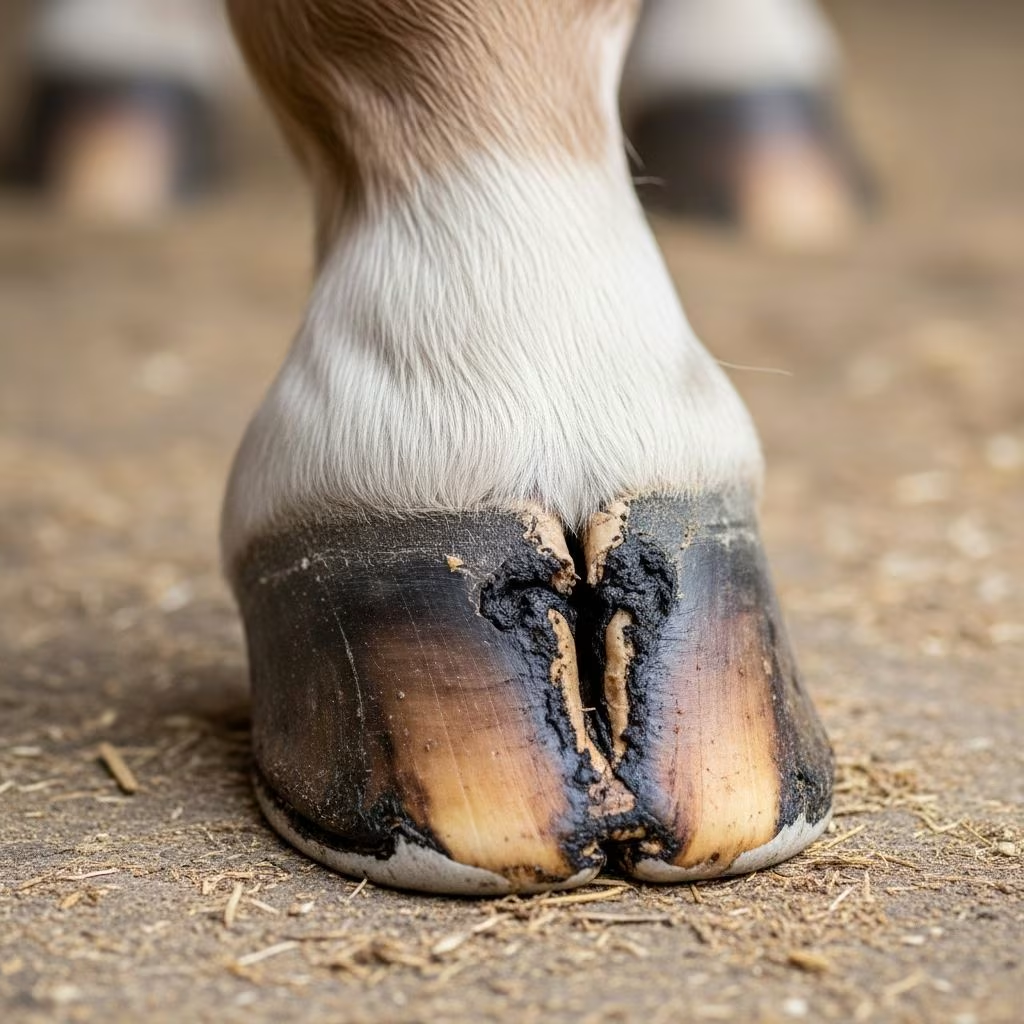
Thrush represents one of the most prevalent bacterial infections affecting the hooves of horses, primarily targeting the sensitive frog area. This condition arises from anaerobic bacteria thriving in oxygen-poor environments, leading to tissue degradation if left unchecked. While often linked to suboptimal stable conditions, thrush can emerge even in well-maintained settings due to factors like hoof conformation or limited movement. Early detection and intervention are crucial to prevent progression to lameness or deeper infections.
Understanding the Roots of Thrush Infection
The development of thrush stems from a combination of environmental, anatomical, and management-related influences. Anaerobic bacteria, such as those flourishing in keratin-rich tissues, colonize the frog’s sulci—the grooves flanking the central frog structure. These microbes produce enzymes that break down hoof horn, initiating a cycle of softening and decay.
Key contributing elements include:
- Moist and unhygienic surroundings: Prolonged exposure to wet bedding, manure-packed stalls, or muddy paddocks creates ideal breeding grounds for pathogens.
- Infrequent hoof maintenance: Skipping regular cleaning or farrier visits allows debris accumulation, trapping bacteria.
- Restricted movement: Horses confined to stalls experience reduced natural hoof flexion, impairing self-cleaning mechanisms during walking.
- Hoof morphology: Deep sulci and narrow heels retain moisture and debris more readily than broader, shallower configurations.
Contrary to common belief, thrush is not solely a hygiene issue; even horses in pristine environments can succumb if underlying hoof health is compromised.
Recognizing the Telltale Signs of Thrush
Owners and caretakers can spot thrush through distinctive clinical indicators, often noticeable during routine hoof inspections. The hallmark symptom is a thick, black, tar-like exudate oozing from the frog, accompanied by a pungent, rotten odor reminiscent of decaying matter.
| Symptom | Description | Severity Indicator |
|---|---|---|
| Foul Odor | Strong, putrid smell from affected areas | Present in all cases |
| Black Discharge | Gooey, dark fluid from sulci and frog | Primary diagnostic sign |
| Frog Texture | Soft, mushy horn with rough surface | Early to moderate stage |
| Pain Response | Sensitivity to pressure or probing | Advanced if causing lameness |
| Visual Changes | Recessed frog, fissures, or pockets | Severe progression |
Initially painless and superficial, thrush may affect one or multiple hooves. Lameness emerges only when infection penetrates to sensitive dermal layers, prompting immediate veterinary attention.
Comprehensive Approaches to Treatment
Effective management hinges on mechanical removal of infected material followed by targeted antimicrobials. The process begins with thorough debridement—paring away necrotic frog tissue to expose healthy layers and improve oxygenation.
- Cleaning and Debridement: Use a hoof pick, knife, or wire brush to excise softened horn daily. In mild cases, owners can manage this; severe instances require professional farrier or vet intervention.
- Topical Applications: Apply desiccating agents to dry out the area and kill bacteria. Safe options include povidone-iodine, diluted hydrogen peroxide, or commercial thrush blockers. Avoid corrosives like undiluted bleach or formalin on live tissue.
- Supportive Therapies: For deep infections, veterinarians may prescribe systemic antibiotics, tetanus prophylaxis, or specialized packing. Hoof boots or hospital plates aid healing in complex cases.
Treatment duration varies: superficial thrush resolves in 1-2 weeks with diligence, while chronic forms demand ongoing care.
Prevention Strategies for Long-Term Hoof Health
Proactive measures outperform reactive treatments by addressing root causes. Prioritize a holistic hoof care regimen to fortify resilience against thrush.
- Daily Hygiene Routines: Pick hooves twice daily, focusing on sulci. Flush with water if heavily soiled.
- Environmental Optimization: Maintain dry, well-bedded stalls with frequent manure removal. Rotate turnout areas to minimize mud.
- Regular Farriery: Schedule trims every 4-6 weeks to balance hooves and promote proper frog support.
- Exercise Regimens: Ensure at least 1-2 hours of daily movement to enhance circulation and natural debris expulsion.
- Nutritional Support: Balanced diets rich in biotin and minerals bolster hoof integrity.
Monitor high-risk horses—those with conformational flaws or stall-bound lifestyles—more vigilantly.
Advanced Cases: When to Escalate Care
While most thrush responds to home protocols, red flags necessitate professional evaluation:
- Persistent lameness despite treatment
- Deep pockets or underrun heels
- Spread to white line or sole
- Systemic signs like fever
Veterinarians employ diagnostics like radiographs to rule out concurrent issues such as abscesses. Collaborative vet-farrier teams excel in refractory cases, often integrating therapeutic shoeing.
Common Myths and Facts About Thrush
| Myth | Fact | Source Insight |
|---|---|---|
| Thrush only occurs in dirty stables | Can affect horses in clean environments due to conformation or inactivity | |
| Bleach cures all thrush | Diluted use only for superficial cases; caustic to live tissue | |
| Thrush always causes lameness | Rarely; pain signals deep involvement | |
| One-time treatment suffices | Ongoing management required until frog regrows healthy |
Frequently Asked Questions (FAQs)
What does thrush smell like in horses?
A distinctive rotten, foul odor from the black discharge in the frog sulci.
Can I treat thrush at home?
Yes, for mild cases with cleaning and OTC topicals; consult pros for severity.
How long does thrush take to heal?
1-4 weeks with consistent care, depending on depth.
Is thrush contagious?
No, but shared environments can spread bacteria to other hooves.
Does diet affect thrush risk?
Indirectly; nutrient deficiencies weaken hooves, increasing susceptibility.
Hoof Care Best Practices Calendar
| Daily | Weekly | Monthly |
|---|---|---|
| Hoof picking, inspect for signs | Deep clean sulci, apply preventives | Farrier visit, balance check |
| Turnout/exercise | Stall refresh, bedding change | Assess conformation changes |
Implementing these routines minimizes thrush incidence, promoting robust equine mobility.
References
- Thrush in Horses – Musculoskeletal System — Merck Veterinary Manual. 2023. https://www.merckvetmanual.com/musculoskeletal-system/disorders-of-the-foot-in-horses/thrush-in-horses
- Thrush in Horses – Farrier Tips for Treatment & Prevention — SmartPak Equine. 2024. https://www.smartpakequine.com/learn-health/thrush-horse
- Horse Thrush Symptoms, Treatment, and More — Vetericyn. 2024. https://vetericyn.com/blogs/vetericyn/horse-thrush-symptoms
- Thrush in Horses: Identifying, Treating and Preventing — AQHA. 2023. https://www.aqha.com/-/treating-thrush
- Thrush in Horses – PetMD — PetMD. 2024. https://www.petmd.com/horse/conditions/skin/thrush-horses
- Preventing and treating thrush in horses — Michigan State University Extension (canr.msu.edu). 2022. https://www.canr.msu.edu/news/thrush_in_horses



