

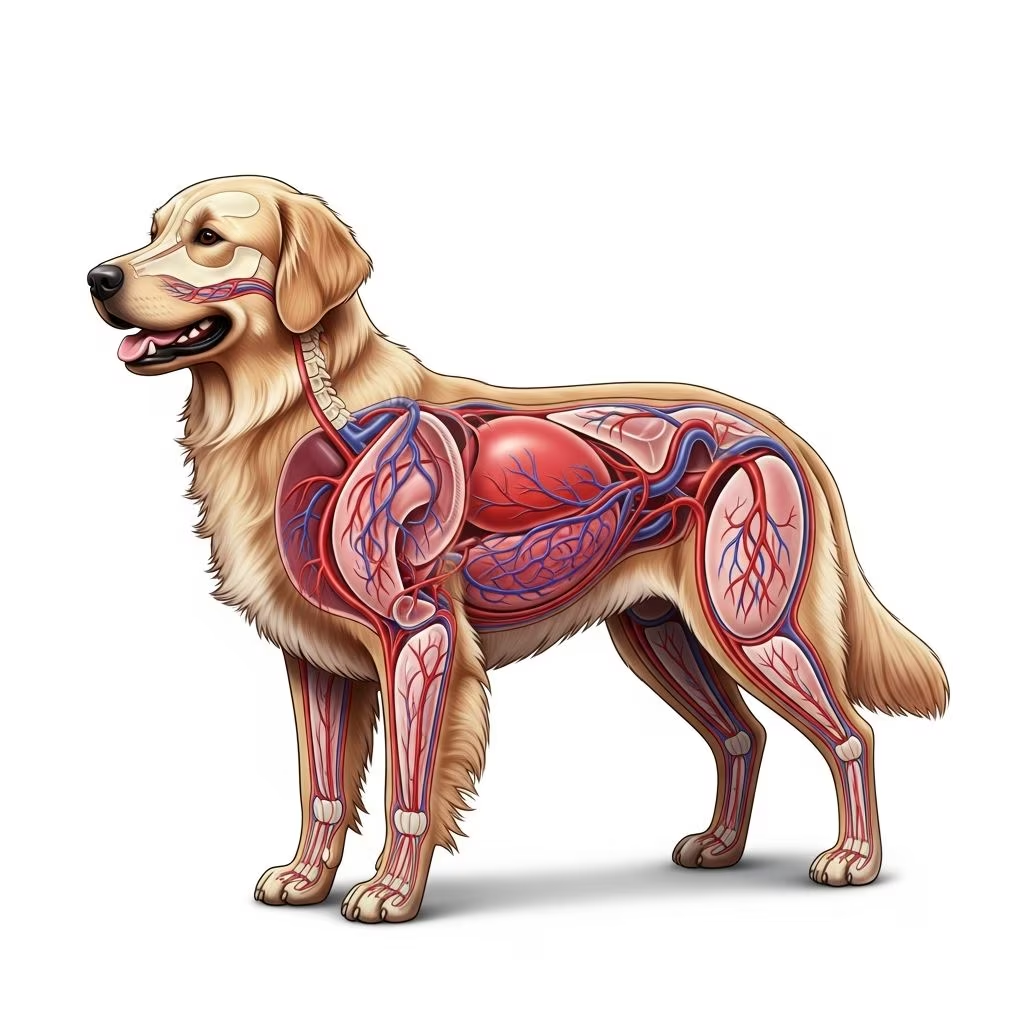
Understanding Thrombocytopenia in Dogs
Thrombocytopenia is a medical condition characterized by an abnormally low number of platelets in a dog’s bloodstream. Platelets are small cell fragments produced by the bone marrow that play a crucial role in blood clotting and stopping bleeding when injuries occur. When a dog has thrombocytopenia, the reduced platelet count can lead to excessive bleeding, spontaneous bruising, and difficulty forming blood clots. This condition can range from mild to life-threatening, depending on the severity of the platelet reduction and the underlying cause.
Platelets are essential for maintaining normal hemostasis, the process by which the body stops bleeding. Without adequate platelet numbers, even minor injuries can result in prolonged bleeding, and in severe cases, internal bleeding can occur spontaneously. Understanding this condition is vital for dog owners, as early recognition and treatment can significantly improve outcomes.
Causes of Thrombocytopenia in Dogs
Thrombocytopenia can develop through multiple mechanisms and can be classified into three primary categories based on the underlying pathophysiology: decreased production, increased destruction, and increased consumption or loss of platelets.
Immune-Mediated Thrombocytopenia
Immune-mediated thrombocytopenia (ITP) is the most common acquired cause of abnormal primary hemostasis in dogs. In this condition, the dog’s immune system mistakenly attacks its own platelets, marking them for destruction. Antibodies bind to the surface of platelets, causing premature destruction by specialized immune cells called macrophages. Primary ITP occurs without an identifiable underlying disease, while secondary ITP develops as a result of an underlying condition or trigger.
Medications
Certain medications can trigger thrombocytopenia in dogs. These include estrogen, phenylbutazone (Butazolidin®, Butatron®), phenobarbital (Luminal®, Barbita®), and fenbendazole (Panacur®). Specific antibiotics are particularly problematic, including cephalosporin antibiotics, sulfa antibiotics, penicillin-based antibiotics, and trimethoprim-sulfonamide combinations. ACE inhibitors and certain chemotherapy medications have also been associated with low platelet counts. When a medication is identified as the cause, discontinuing it and switching to an alternative may resolve the condition.
Infectious Diseases
Various infectious agents can cause or contribute to thrombocytopenia in dogs. Viral, bacterial, rickettsial, protozoal, and parasitic infections may induce immune-mediated platelet destruction by exposing antigenic sites on platelet surfaces or through immune-complex injury to platelet membranes. Tick-borne diseases are particularly notable causes of thrombocytopenia in dogs, especially in endemic regions.
Cancer and Neoplastic Conditions
Certain cancers can cause thrombocytopenia, most commonly lymphoma and hemangiosarcoma. Cancer cells may directly interfere with platelet production in the bone marrow or trigger immune-mediated destruction of platelets. Additionally, chemotherapy medications used to treat cancer can cause thrombocytopenia as a side effect.
Toxins and Environmental Exposures
Toxic exposures can significantly impact platelet production and function in dogs. Zinc toxicity, xylitol (commonly found in sugar-free products), snake bites, and pesticide exposure can all cause thrombocytopenia. Heavy metal exposure is another environmental factor that may contribute to low platelet counts. Pet owners should be vigilant about preventing access to toxic substances and monitoring their dogs for signs of poisoning.
Inherited Disorders
Some dog breeds are genetically predisposed to thrombocytopenia. Greyhounds, Doberman Pinschers, and Shar Peis with a platelet disorder are breeds known to have inherited forms of this condition. These dogs may have lifelong low platelet counts that don’t necessarily cause clinical problems but require ongoing monitoring.
Nutritional Deficiencies
Deficiencies in certain vitamins and minerals, particularly folic acid and vitamin B12, can impair bone marrow’s ability to produce platelets effectively. Addressing nutritional imbalances through dietary changes may help resolve thrombocytopenia in these cases.
Other Causes
Liver disease can interfere with the production of clotting factors and platelets. Bone marrow disorders, spleen abnormalities, and sequestration of platelets in the spleen can also lead to thrombocytopenia. In some cases, the cause remains unknown despite extensive diagnostic evaluation.
Clinical Signs and Symptoms
Dogs with thrombocytopenia may display a variety of clinical signs that should prompt immediate veterinary attention. The symptoms often correlate with the severity of the platelet reduction.
Bleeding Manifestations
Common bleeding signs include petechiae (small red or purple spots on the skin caused by bleeding from small blood vessels) and ecchymoses (larger bruises or patches of bleeding under the skin). These may appear spontaneously or after minor trauma. Nosebleeds (epistaxis) and bleeding from the gums are also frequent observations in affected dogs. Some owners notice blood in the urine or stool, indicating internal bleeding.
Mucosal Changes
Pale or blanched mucous membranes (gums, lips, and inner eyelids) indicate reduced oxygen-carrying capacity or ongoing blood loss. This finding often necessitates rapid intervention.
Systemic Signs of Anemia
Blood loss from thrombocytopenia can cause anemia, resulting in a low red blood cell count. This leads to pale gums, increased breathing rate, weakness, lethargy, and exercise intolerance. Severely affected dogs may collapse or become unresponsive.
Other Symptoms
Depression, loss of appetite, vomiting, and fever may also be present, particularly if an underlying infection or systemic disease is contributing to the thrombocytopenia.
Diagnosis of Thrombocytopenia
Proper diagnosis begins with a thorough history and physical examination. Veterinarians will ask about recent medication administration, tick exposure, toxic exposures, and the onset of symptoms. A complete physical examination may reveal petechiae, ecchymoses, or evidence of active bleeding.
Laboratory Testing
A complete blood count (CBC) is the primary diagnostic tool, confirming low platelet numbers (thrombocytopenia typically means platelet count below 150,000/μL). A blood smear examination allows visualization of platelets under a microscope to assess their appearance and confirm the automated count.
Biochemical profiles and urinalysis help identify underlying diseases such as liver dysfunction, kidney disease, or infections. Coagulation studies (prothrombin time and activated partial thromboplastin time) may be performed to assess overall clotting function. In suspected immune-mediated cases, bone marrow aspiration or biopsy may be necessary to rule out bone marrow disorders and confirm that platelet production is normal or increased, which supports an immune-mediated diagnosis.
Additional Diagnostic Procedures
Imaging studies such as abdominal ultrasound or radiographs may be recommended to evaluate the spleen, liver, and other organs for abnormalities. Serological testing for tick-borne diseases may be warranted in endemic areas. Toxicology screening might be performed if poison exposure is suspected. More extensive testing may occasionally be required to identify the underlying reason for thrombocytopenia.
Treatment Options for Thrombocytopenia
Treatment strategies vary depending on the underlying cause and severity of thrombocytopenia. The approach is individualized based on diagnostic findings and clinical presentation.
Removal of Triggering Agents
If a medication is identified as the cause, discontinuing it and switching to an alternative medication is often the first step. Similarly, removing the dog from exposure to known toxins is essential. Treatment of underlying infections with appropriate antibiotics addresses the root cause in infectious-mediated cases.
Immunosuppressive Therapy
Glucocorticoids, particularly prednisone or prednisolone, are the cornerstone of treatment for immune-mediated thrombocytopenia. These medications suppress the mononuclear phagocytic system, decrease the affinity of antibody binding to platelets, and are typically given at a dosage of 2 to 4 mg/kg/day orally. Although glucocorticoids can cause undesirable side effects including increased thirst, urination, and hunger, the benefits in controlling ITP outweigh these short-lived effects.
For dogs with severe bleeding or those not responding adequately to glucocorticoids alone, additional immunosuppressive agents may be added. These include cyclosporine (modified), mycophenolate mofetil, leflunomide, and azathioprine. Early use of a second immunosuppressive drug may be considered in dogs weighing more than 25 kg to allow for more rapid tapering of glucocorticoid dosages and in dogs with severe bleeding.
Emergency Adjunctive Treatments
For dogs with clinically relevant bleeding, vincristine and human intravenous immunoglobulin (IV Ig) are recommended as first-line emergency adjunctive treatments when used in conjunction with immunosuppressive doses of glucocorticoids. These treatments have been associated with shorter hospitalization time and faster initial platelet count recovery, though they carry potential adverse effects and are typically reserved for bleeding cases.
Blood and Plasma Transfusions
Blood transfusions may be necessary to replenish lost red blood cells and provide temporary platelet support in severe cases of thrombocytopenia with significant blood loss. Plasma transfusions can help increase platelet numbers quickly. Hospitalization is typically recommended for dogs requiring transfusions to allow for monitoring and stabilization.
Supportive Care
Dogs with thrombocytopenia often require comprehensive supportive care measures. These may include supplemental oxygen for compromised respiratory function, intravenous fluids to maintain hydration and blood pressure, antibiotics if infection is present or suspected, and anti-nausea medications to control vomiting. Pain management and strict cage rest to prevent bleeding from physical activity are also important components of supportive care.
Surgical Intervention
In rare cases where medications fail to control ITP or the condition recurs repeatedly, a splenectomy—surgical removal of the spleen—may be performed. The rationale is that the spleen is responsible for removing antibody-coated platelets from circulation. Removal of the spleen may result in improved platelet survival and higher platelet counts in responsive cases.
Dietary Management
In cases where nutritional deficiencies contribute to thrombocytopenia, dietary changes may be necessary to address these imbalances. Ensuring adequate folic acid, vitamin B12, and other essential nutrients supports bone marrow function and platelet production.
Natural and Complementary Approaches
Unfortunately, there are no known natural treatments that can effectively suppress the immune system once a dog develops immune-mediated thrombocytopenia. While some all-natural tick preventives, such as Wondercide, may help decrease the risk of tick-borne disease, they should always be used in conjunction with veterinary-prescribed tick prevention and cannot serve as a primary treatment for existing thrombocytopenia.
Prognosis and Recovery
The prognosis for thrombocytopenia in dogs ranges from guarded to good, depending on the underlying cause and response to treatment. Dogs with primary immune-mediated thrombocytopenia that respond well to immunosuppressive therapy generally have favorable outcomes. However, some dogs experience relapse during tapering of glucocorticoids after an initial complete response, particularly within the first year following diagnosis.
Careful monitoring and gradual dose reduction of medications are essential to minimize relapse risk. Dogs requiring long-term immunosuppressive therapy need regular veterinary follow-up and laboratory monitoring to ensure adequate platelet counts and to watch for medication side effects.
Prevention and Management
While not all cases of thrombocytopenia can be prevented, certain precautions may reduce risk. Regular tick prevention using veterinary-prescribed products helps prevent tick-borne infections that could trigger thrombocytopenia. Careful medication selection and monitoring during antibiotic or other drug therapy can help identify problems early. Maintaining excellent nutrition and avoiding exposure to toxins supports overall immune health and bone marrow function.
Frequently Asked Questions
Q: What is the normal platelet count in dogs?
A: Normal platelet counts in dogs typically range from 150,000 to 400,000 platelets per microliter of blood. Values below 150,000 are considered thrombocytopenia.
Q: Can thrombocytopenia in dogs be cured?
A: The curability depends on the underlying cause. Thrombocytopenia caused by medications or infections may resolve completely when the trigger is removed or treated. Primary immune-mediated thrombocytopenia may be managed successfully with medications, though some dogs experience relapses requiring ongoing treatment.
Q: How long does treatment for thrombocytopenia typically last?
A: Treatment duration varies widely. Mild cases caused by infections may resolve in weeks to months. Immune-mediated cases often require several months to years of treatment, with gradual dose reduction under veterinary supervision to minimize relapse risk.
Q: Is thrombocytopenia contagious to other dogs?
A: Immune-mediated thrombocytopenia itself is not contagious. However, if thrombocytopenia is caused by an infectious disease such as a tick-borne illness, the underlying infection could potentially be transmitted to other animals.
Q: What should I do if I notice bleeding in my dog?
A: Any unexplained bleeding warrants immediate veterinary attention. Seek emergency care if your dog exhibits spontaneous bleeding, especially from the nose, gums, or if there is evidence of internal bleeding such as blood in urine or stool.
Q: Can diet affect platelet production in dogs?
A: Yes, adequate nutrition is essential for bone marrow function and platelet production. Deficiencies in folic acid, vitamin B12, and other nutrients can impair platelet production. A balanced diet formulated for your dog’s specific health needs supports optimal blood cell production.
References
- Immune-Mediated Thrombocytopenia (ITP) in Dogs — PetMD. 2024. https://www.petmd.com/dog/conditions/cardiovascular/immune-mediated-thrombocytopenia-itp-dogs
- Thrombocytopenia in Dogs: Types, Symptoms, and Treatment — PetCareRx. 2024. https://www.petcarerx.com/article/thrombocytopenia-in-dogs-types-symptoms-and-treatment/6611
- Overcoming the diagnostic and therapeutic challenges of canine immune-mediated thrombocytopenia — DVM360. 2024. https://www.dvm360.com/view/overcoming-diagnostic-and-therapeutic-challenges-canine-immune-mediated-thrombocytopenia
- Diagnosis and Treatment of Immune-Mediated Thrombocytopenia in Dogs — Professional Animal Services, Education. 2024. https://www.pase.vet/pase-articles/diagnosis-and-treatment-of-immune-mediated-thrombocytopenia-in-dogs.html
- Low Platelets in Dogs: Thrombocytopenia — Toe Grips. 2024. https://toegrips.com/low-platelets-in-dogs/
- ACVIM Consensus Statement on the Treatment of Immune-Mediated Thrombocytopenia in Dogs — National Center for Biotechnology Information. 2024. https://pmc.ncbi.nlm.nih.gov/articles/PMC11256181/
- Thrombocytopenia in Dogs — VCA Animal Hospitals. 2024. https://vcahospitals.com/know-your-pet/thrombocytopenia-in-dogs



