

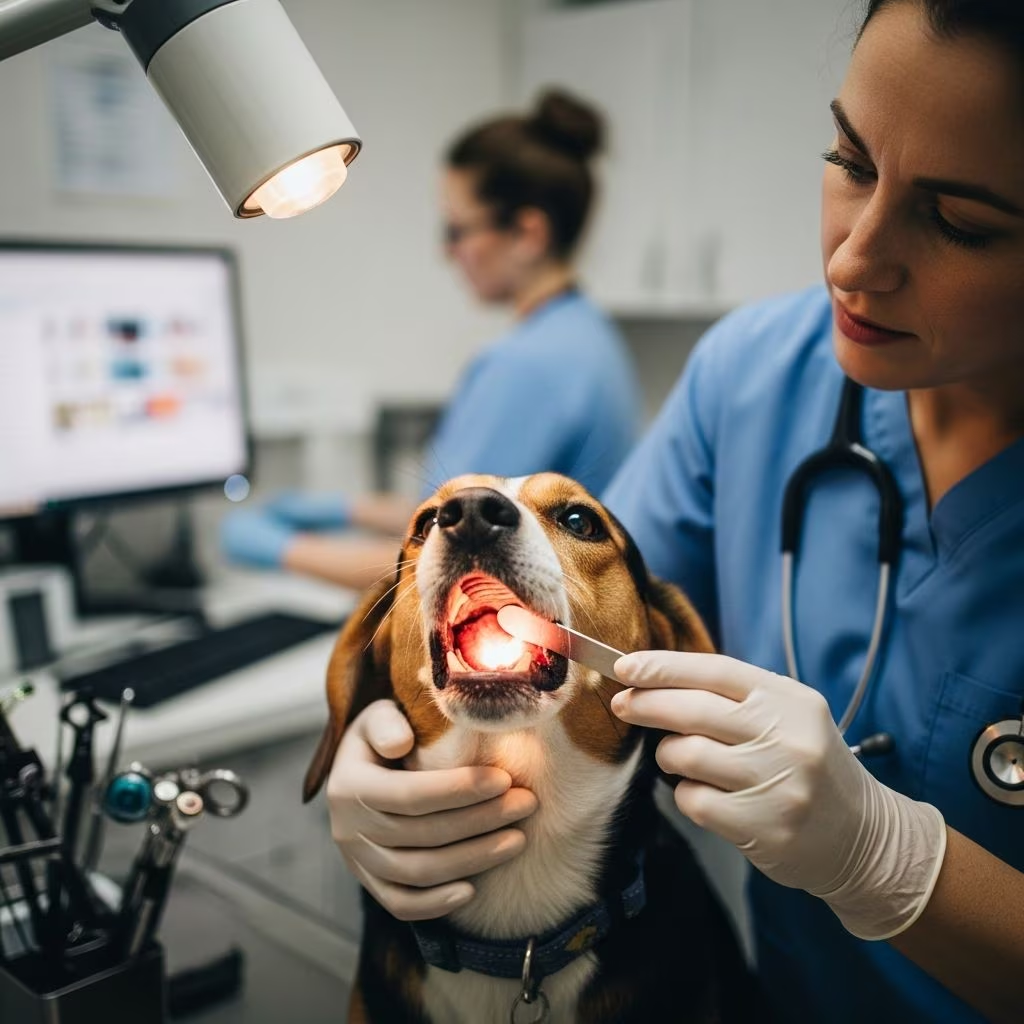
Inflammation of the tonsils represents a common condition affecting both dogs and cats, though it occurs more frequently in canine patients. The tonsils, which form an integral component of the immune system, can become inflamed in response to various infectious agents, underlying systemic conditions, or localized throat irritation. Understanding this condition enables pet owners to recognize early warning signs and seek appropriate veterinary care promptly, potentially preventing progression to more serious complications.
The Role and Function of Tonsillar Tissue
The tonsils serve as lymphoid tissue that plays a crucial role in defending against pathogens entering through the oral and pharyngeal pathways. These structures contain specialized immune cells designed to identify and neutralize infectious organisms before they can establish systemic infections. When confronted with potential threats, whether from bacterial invaders, viral particles, or irritating substances, tonsillar tissue responds by enlarging and becoming inflamed—a protective mechanism that, while intended to combat infection, can create discomfort and interfere with normal swallowing and breathing functions.
In young dogs, primary tonsillar inflammation occurs more frequently than in older animals, suggesting that immune system maturation and prior exposure to pathogens may influence susceptibility. Interestingly, cats experience this condition less commonly than dogs, though when it does develop in felines, it typically results from bacterial infection requiring targeted antimicrobial therapy.
Recognizing Clinical Manifestations
The presentation of tonsillar inflammation varies considerably between individual animals and depends largely on the severity of the inflammatory response. Some affected animals exhibit subtle signs that might easily be overlooked, while others display obvious discomfort and behavioral changes. Pet owners should remain vigilant for the following indicators:
- Difficulty or reluctance during swallowing, often accompanied by repeated attempts to swallow or exaggerated swallowing motions
- Gagging sensations as if the animal has something caught in its throat, sometimes leading to retching or vomiting
- Soft, short coughing episodes that may be triggered by eating or drinking
- Visible red or swollen tonsillar tissues that can sometimes be observed when examining the animal’s mouth
- Excessive salivation or drooling, particularly if tinged with blood
- Reluctance to consume food or water despite apparent hunger, often accompanied by significant weight loss over time
- Offensive odor from the mouth, frequently indicating secondary bacterial colonization
- Enlarged lymph nodes in the neck region
- General lethargy and reduced activity levels
- Elevated body temperature in some cases, though many affected animals maintain normal temperatures
It is important to note that tonsillar inflammation does not always produce obvious outward signs. Some animals experience mild discomfort that manifests only as subtle behavioral changes. Conversely, severe inflammation can create significant pain that dramatically affects eating habits and overall quality of life. The absence of fever does not indicate absence of disease, as fever is an inconsistent finding in this condition.
Distinguishing Primary from Secondary Inflammation
Veterinarians differentiate between primary tonsillar inflammation, where the tonsils themselves represent the primary affected tissue, and secondary inflammation occurring as a consequence of underlying systemic disease. Secondary inflammation typically arises from:
- Dental disease and periodontal infections that seed bacteria to surrounding tissues
- Chronic respiratory infections involving the throat and associated structures
- Systemic bacterial or viral infections affecting multiple organ systems
- Allergic responses causing generalized upper airway inflammation
- Foreign body ingestion or aspiration events
- Neoplastic growths either within tonsillar tissue or compressing surrounding structures
Identifying and addressing the underlying cause proves essential for achieving resolution, as treating only the tonsillar inflammation while ignoring its root cause typically results in recurrent episodes. This distinction explains why comprehensive diagnostic evaluation often becomes necessary before initiating treatment.
Diagnostic Approach and Evaluation Methods
Establishing a diagnosis of tonsillar inflammation begins with a detailed history encompassing the onset of clinical signs, duration of symptoms, and any factors that appear to exacerbate or improve the condition. The veterinarian will perform a thorough physical examination that includes careful visualization of the tonsils, assessment of lymph node size and consistency, and evaluation for signs of systemic illness.
Direct examination of the oral cavity often reveals inflamed, enlarged tonsils that may display a reddened appearance or yellow-white exudative material. The veterinarian may palpate the throat region to assess tissue swelling and discomfort. Additional diagnostic tests become necessary when secondary causes are suspected, including:
- Blood work to evaluate for systemic infection or underlying metabolic disease
- Bacterial culture and sensitivity testing to identify specific causative organisms and appropriate antimicrobial selection
- Imaging studies such as radiographs or advanced imaging when structural abnormalities or masses are suspected
- Thyroid function testing in cases where autoimmune conditions are considered
Thorough diagnostic investigation helps prevent unnecessary treatment and identifies conditions requiring alternative or additional therapeutic approaches beyond simple antimicrobial therapy.
Managing Inflammation Through Medical Intervention
Medical management represents the first-line approach for treating tonsillar inflammation in most cases. Appropriate therapy varies depending on whether infection is present and the underlying conditions contributing to inflammation.
Antimicrobial Therapy
When bacterial infection is identified or strongly suspected, systemic antibiotics form the cornerstone of treatment. Penicillin-based antibiotics frequently demonstrate efficacy against common bacterial pathogens affecting tonsillar tissue. Treatment typically continues for two to three weeks to ensure complete eradication of infection from both the tonsils and any associated tissues. In cases where initial therapy fails to produce improvement, bacterial culture and sensitivity testing guides selection of alternative antimicrobial agents more likely to prove effective against the specific organism involved.
Proper antibiotic administration requires completing the full prescribed course, even if clinical improvement occurs earlier. Premature discontinuation risks incomplete pathogen elimination and potential development of antibiotic-resistant organisms.
Anti-inflammatory and Analgesic Support
Pain management becomes crucial in cases where significant throat irritation produces considerable discomfort. Mild analgesics help reduce pharyngeal pain, enabling animals to eat and drink more normally. Anti-inflammatory medications such as corticosteroids or nonsteroidal anti-inflammatory agents reduce tissue swelling and associated discomfort. However, careful consideration of the underlying cause guides anti-inflammatory use, as these agents may be contraindicated in certain infectious conditions.
Nutritional Support and Hydration
Affected animals often experience difficulty consuming normal food due to pain associated with swallowing. Offering soft, palatable foods or temporary dietary modifications facilitates adequate nutrient and caloric intake during the acute inflammatory phase. Liquid or semi-liquid diets may prove necessary when swallowing is severely compromised. Ensuring adequate hydration remains critical, as dehydration can complicate recovery and slow healing. In severe cases where animals cannot eat or drink voluntarily, parenteral fluid administration via intravenous or subcutaneous routes becomes necessary to prevent dangerous electrolyte imbalances and maintain organ function.
Addressing Underlying Contributing Factors
Secondary tonsillar inflammation requires concurrent treatment of the underlying condition to achieve lasting resolution. In cases where dental disease contributes to inflammation, professional dental cleaning and extraction of severely affected teeth eliminate the source of bacterial seeding to tonsillar tissues. Animals with allergies benefit from allergen identification and avoidance strategies, often combined with appropriate antihistamine or anti-inflammatory therapy. Systemic infections necessitate broader diagnostic evaluation and treatment directed at the primary infection source.
Surgical Intervention for Persistent Disease
Surgical removal of the tonsils, known as tonsillectomy, remains an option for animals experiencing recurrent or chronic tonsillar inflammation that fails to respond to medical management. However, this procedure is reserved for carefully selected cases, as the tonsils contribute meaningfully to immune function. Tonsillectomy may be considered when:
- Repeated episodes of inflammation occur despite appropriate medical therapy
- Tonsillar enlargement obstructs the airway and compromises normal breathing, particularly in brachycephalic breeds predisposed to respiratory compromise
- Neoplastic growth affects tonsillar tissue
- Chronic severe inflammation significantly impacts quality of life
The decision to proceed with surgical intervention requires careful weighing of benefits against the loss of immune function provided by tonsillar tissue. Most animals achieve resolution through medical management, making surgery unnecessary.
Distinguishing Species-Specific Considerations
While tonsillar inflammation affects both dogs and cats, species-specific differences warrant consideration. Dogs experience this condition more frequently than cats, with younger animals showing higher prevalence. In felines, tonsillar inflammation typically develops secondary to bacterial infection and responds well to appropriate antimicrobial therapy. The lower incidence in cats may reflect differences in immune system function or behavioral patterns affecting exposure to causative organisms.
Frequently Asked Questions
Can pet owners treat tonsillar inflammation at home without veterinary intervention?
Home care measures such as providing soft foods and ensuring adequate hydration support recovery but cannot replace professional diagnosis and treatment. Veterinary evaluation remains essential to identify underlying causes and determine appropriate therapy, as some conditions require specific antimicrobial or anti-inflammatory agents.
How long does recovery typically require?
With appropriate treatment, most cases resolve within two to three weeks. However, animals with underlying systemic conditions or recurrent inflammation may require extended management.
Will tonsillar inflammation recur after treatment?
Recurrence depends largely on whether underlying contributing factors are identified and managed. Complete resolution of secondary causes typically prevents recurrence, while primary tonsillar inflammation may recur in some individuals.
Are there preventive measures to reduce tonsillar inflammation risk?
Maintaining good oral hygiene through regular dental care, ensuring appropriate immunizations, and promptly addressing respiratory infections reduce the likelihood of developing tonsillar inflammation.
Summary and Clinical Recommendations
Tonsillar inflammation in dogs and cats represents a manageable condition when recognized promptly and treated appropriately. Pet owners should remain alert for clinical signs including difficulty swallowing, gagging, coughing, and reluctance to eat. Early veterinary consultation enables accurate diagnosis, identification of contributing factors, and initiation of targeted treatment. Most animals respond favorably to medical management combining appropriate antimicrobial therapy, supportive care, and nutritional support. Surgical intervention becomes necessary only in cases of persistent disease or anatomically compromising inflammation. By understanding this common condition and seeking professional guidance, pet owners can ensure their companions receive optimal care promoting rapid recovery and long-term health.
References
- Tonsillitis in Dogs and Cats — MSD Veterinary Manual. 2025. https://www.msdvetmanual.com/respiratory-system/respiratory-diseases-of-small-animals/tonsillitis-in-dogs-and-cats
- Tonsillitis in Dogs — VCA Animal Hospitals. https://vcahospitals.com/know-your-pet/tonsillitis-in-dogs
- Tonsillitis in Dogs: Causes, Symptoms, and Treatment — PetCareRx. https://www.petcarerx.com/article/tonsillitis-in-dogs-causes-symptoms-and-treatment/6741
- Tonsillitis In Dogs: Causes, Symptoms & Treatment — AgriaPet. https://www.agriapet.co.uk/guides-and-advice/tonsillitis-in-dogs/
- Tonsillitis in Pets — Mission Veterinary Partners. https://missionvet.com/tonsillitis-in-pets/



