

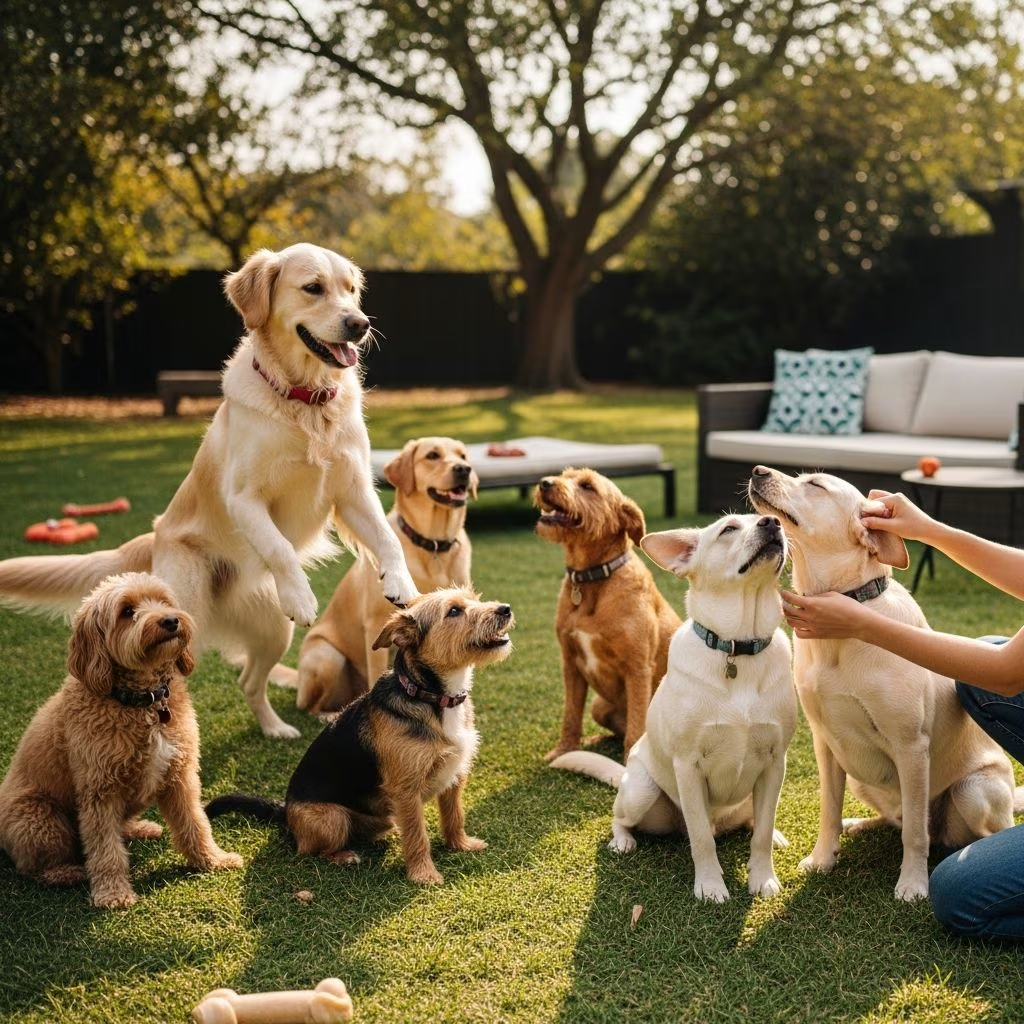
Bringing home more than one dog can amplify the joy of pet ownership, but it also introduces unique challenges that require thoughtful planning. Success in a multi-dog home hinges on establishing clear routines, providing individual attention, and preventing common conflicts over resources or attention. This guide draws on proven strategies to help you foster a balanced environment where every dog feels secure and valued.
Building a Strong Foundation from Day One
The key to a smooth multi-dog dynamic starts with careful selection and initial introductions. Not all dogs mesh perfectly, so consider compatibility in energy levels, ages, and temperaments before expanding your pack. For instance, pairing a high-energy young dog with a senior might lead to frustration if their needs differ significantly.
During introductions, always supervise closely. Use leashes in neutral territory like a park to allow sniffing without pressure. Gradually transition to home environments, rewarding calm behavior with treats. If tensions arise, separate immediately and consult a certified trainer experienced in positive reinforcement methods.
- Observe body language: Watch for stiff tails, lip curling, or avoidance to catch issues early.
- Start short sessions: Limit initial interactions to 10-15 minutes, building up over days.
- Neutralize scents: Swap blankets between dogs beforehand to familiarize them safely.
Establishing Daily Routines for Stability
Dogs thrive on predictability, especially in shared homes. A consistent schedule for meals, walks, play, and rest reduces anxiety and competition. Plan your day to include group activities alongside solo time, ensuring no dog feels overlooked.
For example, morning walks can be individual rotations: one dog out while others relax in crates with puzzle toys. Evening group play should be monitored to prevent overstimulation. Adjust based on work schedules—consider dog walkers for midday breaks if you’re away.
| Time of Day | Activity | Group or Solo |
|---|---|---|
| Morning | Potty & Walk | Solo rotations |
| Midday | Potty Break | Solo or Walker |
| Afternoon | Training/Play | Group supervised |
| Evening | Meals & Rest | Solo feeding, group settle |
This structure not only prevents boredom but also builds confidence, as dogs learn what to expect next.
Resource Management: Preventing Fights Over Essentials
Food, toys, and resting spots are prime triggers for resource guarding. Mitigate this by providing ample, separate options for each dog. Designate feeding zones in quiet areas, picking up bowls post-meal to avoid lingering temptations.
For toys, maintain duplicates and rotate high-value items like chew bones or squeaky toys. Offer them only during supervised alone time, such as in crates, to associate separation positively. Multiple water stations and comfy beds in various rooms ensure easy access without crowding.
- Feed in crates: Builds positive crate associations while separating eaters.
- High-value items solo: Prevents jealousy over coveted chews.
- Multiple beds: Allows retreat without territorial disputes.
Cleaning routines are crucial too—vacuum daily and wipe surfaces to manage shedding from multiple coats, keeping the home pleasant for all.
Individual Attention: Strengthening Bonds
Each dog needs personal time to feel special. Schedule one-on-one sessions for grooming, training, or play tailored to their preferences—fetch for the retriever, sniffing walks for the hound. This prevents resentment toward pack mates or you.
During group time, ensure equitable petting; if one dog guards your lap, offer the other an equally appealing alternative like a heated bed nearby. Weekly separations for special outings reinforce independence and reduce over-reliance on the group.
Training Essentials for Multi-Dog Homes
Train dogs both individually and as a group to enforce household rules. Core skills include attention getters (like “look”), nose targets for gentle movement, and “go to spot” for settling. Practice at mealtimes: Have dogs “wait” or “down” before eating.
Group training builds cooperation—teach “place” on mats during visitors. Always reward calm behavior and interrupt rough play promptly. Involve all household members in sessions for consistent leadership.
- Daily micro-sessions: 5 minutes per dog on basics.
- Mealtime drills: “Sit-wait” before bowls down.
- Supervised play: Praise polite interactions, separate bullies.
Recognizing and Handling Conflicts
Even harmonious packs have squabbles. Common triggers include excitement at doors, tight spaces, or life changes like new babies. “Crate, gate, and rotate” when unsupervised: Confine dogs to safe areas before leaving.
Monitor for subtle signs like resource staring or body blocking. Intervene early with calm separations and reintroduce positively. If aggression persists, seek professional help from force-free trainers to address root causes.
Health and Wellness in a Pack
Multi-dog homes amplify health needs—regular vet checks catch issues early, especially with varying ages. Monitor weights separately during solo feedings. Exercise varies: High-drive dogs need more outlets like agility, while others prefer leisurely strolls.
Potty training multiples requires patience; use bells or cues per dog. Mental stimulation via puzzles prevents boredom-fueled mischief.
Long-Term Harmony: Adapting to Changes
Dog dynamics shift with age, health, or additions. Stay vigilant, adjusting routines as needed. Backup plans like pet sitters ensure consistency during travel. Celebrate progress—your pack’s unique bonds make it all worthwhile.
Frequently Asked Questions
How do I introduce a new dog to my current one?
Meet in neutral spaces on leashes, supervise all interactions, and separate when alone until trust builds.
What if my dogs fight over food?
Feed in separate rooms or crates, and remove bowls after eating to eliminate guarding opportunities.
Can I ever leave multiple dogs unsupervised?
Only after months of proven harmony; otherwise, crate or gate to prevent incidents.
How much individual time does each dog need?
Aim for 15-30 minutes daily per dog for play, training, or walks.
When should I call a professional trainer?
If growling, snapping, or guarding escalates despite management.
References
- Expert Tips for Issues Between Multiple Pets — American Kennel Club. 2023-05-15. https://www.akc.org/expert-advice/training/multiple-pet-issues/
- Tips for Managing a Multi-Dog Household — East Bay SPCA. 2024-05-01. https://eastbayspca.org/wp-content/uploads/2024/05/Multi-Dog-Household-Tips.pdf
- 6 Tips for Managing a Household With Multiple Dogs — PrideBites. 2023-08-20. https://pridebites.com/blogs/barking-post-blog/6-tips-for-managing-a-household-with-multiple-dogs
- Tips for Managing a Multi-Dog Household — Bark Busters. 2024-02-10. https://www.barkbusters.com/news/managing-a-multidog-household
- 5 (+1) Skills That Help Me Manage My Multi-Dog Household — Pet Harmony Training. 2023-11-12. https://petharmonytraining.com/5-1-skills-that-help-me-manage-my-multi-dog-household/



