

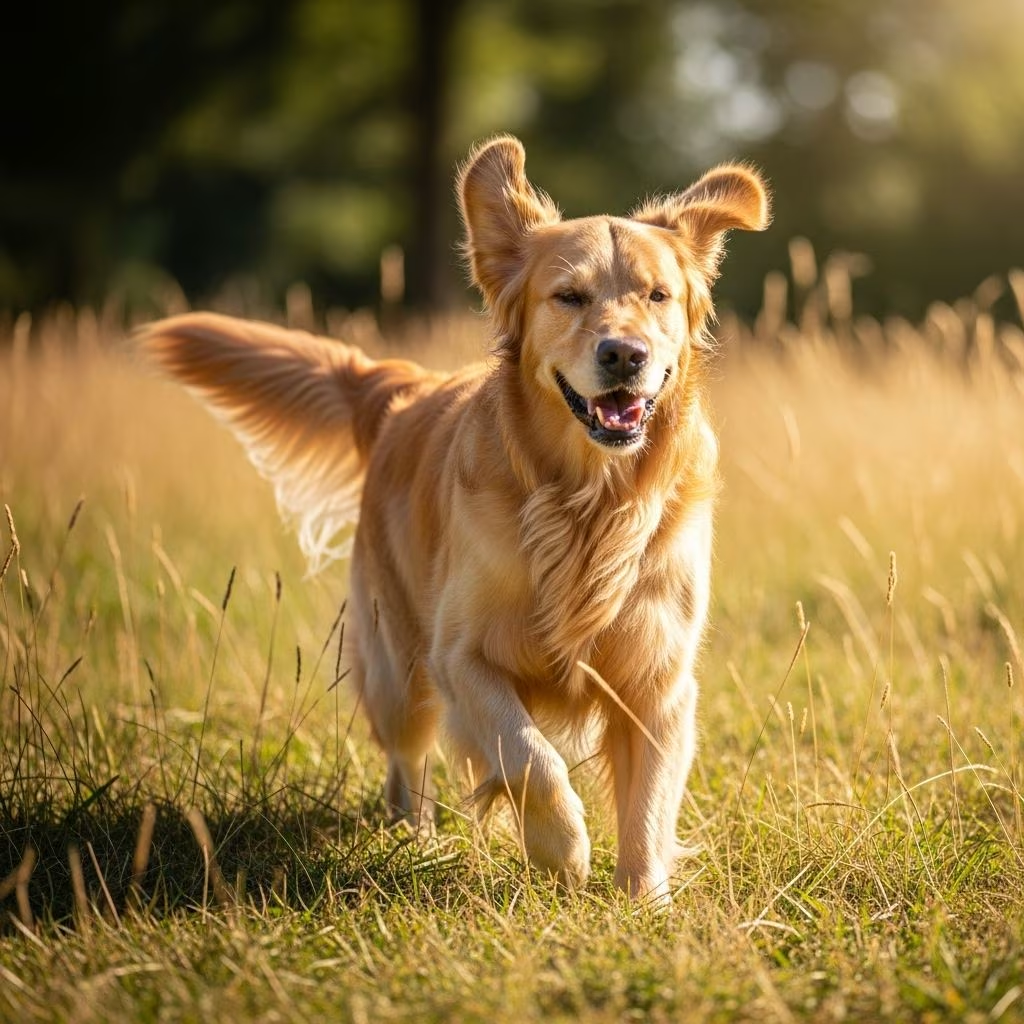
Blind dogs can lead enriched, active lives with the right support from their owners. By leveraging their other senses and creating a predictable environment, these pets adapt remarkably well to vision loss, often surprising guardians with their resilience and playfulness.
Understanding Vision Loss in Dogs
Vision impairment in dogs can stem from cataracts, glaucoma, progressive retinal atrophy, or sudden trauma. Regardless of the cause, dogs compensate using heightened hearing, smell, and touch. Veterinary sources emphasize that most blind dogs adjust within weeks, relying on memory and sensory cues to navigate familiar spaces.
Early detection through regular vet checkups allows for management of underlying conditions. While some blindness is irreversible, supportive care ensures quality of life remains high. Owners report that blind dogs often become more affectionate and attuned to family routines post-adjustment.
Creating a Secure Indoor Haven
The foundation of a blind dog’s comfort starts at home. Consistency prevents disorientation and builds confidence.
- Maintain fixed layouts: Avoid rearranging furniture to let dogs memorize paths via paw steps and whisker touches.
- Designate safe zones: Set up a primary room with bed, bowls, and toys for initial acclimation.
- Use tactile and scent markers: Place textured mats under bowls or apply vanilla essence on doorways for navigation aids.
For multi-level homes, secure baby gates at stairs initially. Gradually introduce stair navigation with verbal cues like “step up” paired with treats. Crating during unsupervised times protects against bumps until full adaptation occurs.
Enhancing Sensory Awareness
Blind dogs excel when other senses are stimulated. Encourage exploration through sound-emitting toys, scented puzzles, and textured play items.
| Sensory Tool | Purpose | Examples |
|---|---|---|
| Hearing | Locate objects/people | Bells on collars, squeaky toys, voice commands |
| Smell | Identify locations | Essential oils on furniture, food trails |
| Touch | Detect boundaries | Rugs, bumpers, nail grips for traction |
Incorporate a companion animal with jingly tags to guide the blind dog naturally. Daily verbal interactions, announcing your presence before touch, reduce startles and strengthen bonds.
Mastering Daily Routines
Predictability is key. Feed, potty, and walk at consistent times to foster security.
- Fixed bowl spots with rugs for texture cues.
- Same walking paths initially, expanding as confidence grows.
- Background noise like soft radio to soothe and mask unknowns.
For mealtime changes, guide paws to new locations verbally. Maintain grooming and health routines, using gentle handling to avoid stress.
Outdoor Adventures and Safety
Blind dogs thrive outdoors with precautions. Always leash in unfenced areas; use harnesses for better control.
- Fenced yards: Clear hazards; add scent borders.
- Walks: Voice commands for curbs/steps; GPS collars for extras.
- Identification: Microchip, ID tags noting “blind,” eye protection goggles.
Bumper vests prevent head injuries during energetic runs. Start in enclosed spaces, using familiar routes to build outdoor mapping skills.
Effective Training Techniques
Blindness doesn’t limit learning. Positive reinforcement shines here.
- Verbal cues: “Careful,” “wait,” “this way” with treats.
- Clicker training: Pair sounds with rewards for precision.
- Short sessions: 5-10 minutes, ending positively.
- Scent trails: Lead to toys or food for nose work.
Teach stairs by luring with scents/treats. Socialize via controlled walks to parks, boosting adaptability.
Health and Wellness Priorities
Monitor for slips on slick floors; apply nail grips for traction. Regular vet visits track eye health and overall fitness. Exercise matches sighted dogs—fetch with noisy balls, swimming in safe pools.
Nutrition supports immunity; omega-3s aid adaptation. Watch for depression signs like withdrawal; counter with play and affection.
Real-Life Success Stories
Owners share tales of blind dogs hiking trails, playing fetch, even agility courses. One vet recounts a dog using ToeGrips to roam freely post-blindness, transforming from housebound to adventurous.
Frequently Asked Questions
Can blind dogs learn new tricks?
Yes, using sound, scent, and touch. Many master advanced commands faster due to focus on non-visual cues.
Is it safe to travel with a blind dog?
Absolutely, with crates, familiar items, and leashes. GPS and ID ensure security.
How long does adjustment take?
Days to months; patience and consistency speed it up.
Should I get a halo vest?
Useful for clumsy dogs; trial to see if it boosts confidence without hindrance.
Can blind dogs live with sighted pets?
Yes, often the sighted dog leads, creating natural guidance.
Long-Term Joy and Adaptation
Blind dogs often outlive expectations, their spirit undimmed. Owners find deeper connections through attuned communication. With these strategies, your dog won’t just survive—they’ll flourish.
References
- Caring for Your Blind Pet: Nine Tips to Improve Their Quality of Life — MedVet. 2023. https://www.medvet.com/blind-pet-safety-tips/
- How to Care for a Blind Dog: 30 Tips From a Veterinarian — ToeGrips. 2024. https://toegrips.com/7-tips-living-blind-dog/
- Blind dog care and training — Battersea Dogs & Cats Home. 2023. https://www.battersea.org.uk/pet-advice/dog-advice/blind-dog-care-and-training
- Tips to Care for a Blind Dog or Blind Cat — Best Friends Animal Society. 2024. https://bestfriends.org/pet-care-resources/tips-care-blind-dog-or-blind-cat
- Tips for Owning a Deaf or Blind Dog — Dogs Trust. 2023. https://www.dogstrust.org.uk/dog-advice/life-with-your-dog/at-home/owning-blind-deaf-dog



