

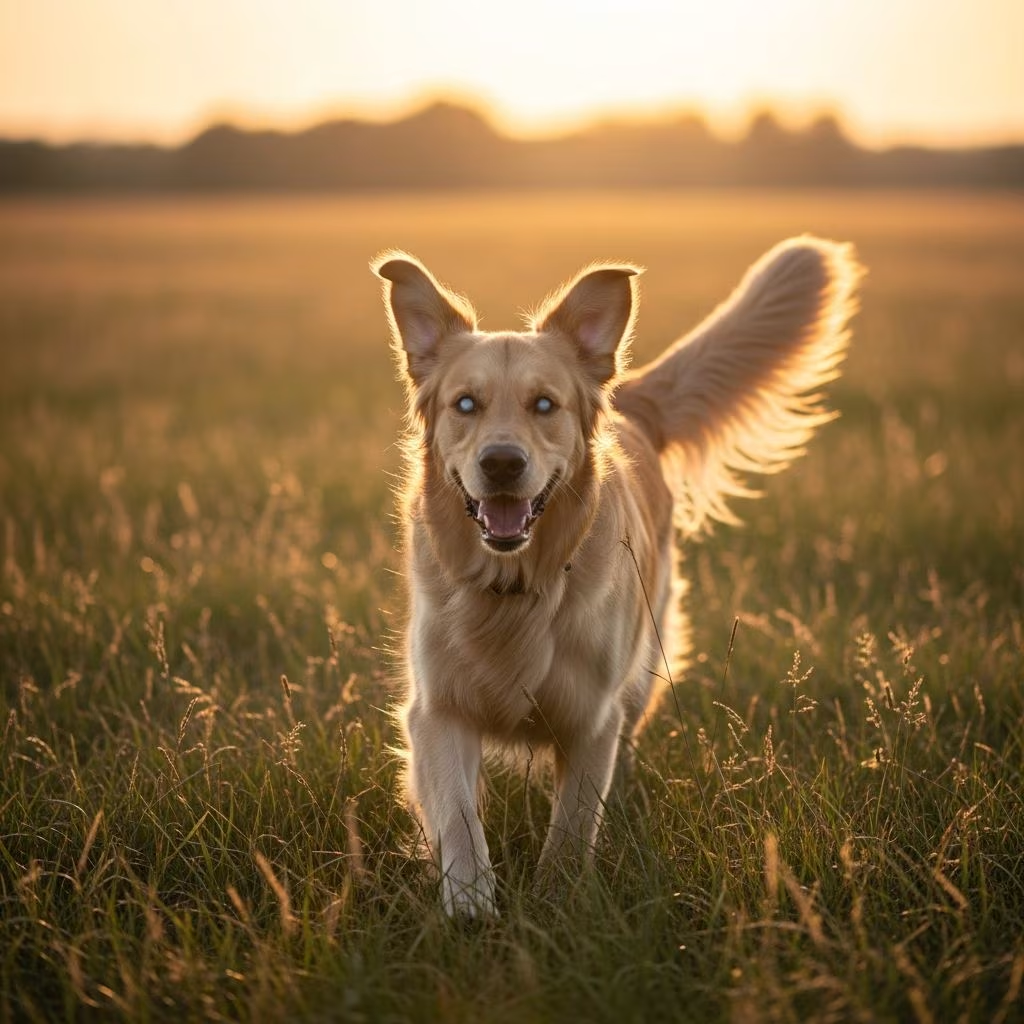
Blindness in dogs doesn’t mean the end of adventure or joy. With thoughtful adjustments, these pups can lead enriched, normal lives filled with play, exploration, and strong bonds with their families. Drawing from veterinary insights and practical experiences, this guide outlines comprehensive strategies to support visually impaired dogs in adapting seamlessly to their world.
Understanding Blindness in Dogs
Canine blindness can arise from conditions like cataracts, glaucoma, or progressive retinal atrophy, often developing gradually to allow natural adaptation. Dogs rely heavily on their acute senses of smell, hearing, and touch, compensating effectively for vision loss. According to veterinary experts, most blind dogs adjust within weeks, navigating familiar spaces with ease once routines are established.
Early signs include bumping into objects, hesitation on stairs, or widened eyes. A vet visit confirms diagnosis and rules out treatable issues. Importantly, blind dogs remain playful and affectionate, often forming deeper connections through other senses.
Creating a Secure Indoor Haven
The foundation of a blind dog’s confidence starts at home. Consistency is paramount: avoid rearranging furniture to prevent disorientation. Clear pathways by securing loose rugs and cords, reducing slip hazards on smooth floors.
- Designate a safe zone: Select one room with the dog’s bed, bowls, and toys for initial adjustment. This minimizes overwhelm and builds security.
- Texture cues: Place rugs under water bowls or use different flooring mats to signal locations via paws.
- Scent markers: Dab vanilla on safe corners and citrus on hazards, helping dogs map their space olfactorily.
- Sound anchors: Run a radio or fan in fixed spots; dogs use these as beacons to orient themselves.
For multi-pet homes, attach bells to other animals’ collars so the blind dog tracks their positions audibly. Supervise closely during transitions, using crates for alone time if needed.
Mastering Voice Commands and Training
Training amplifies a blind dog’s independence. Voice becomes the primary guide, paired with consistent cues. Start in low-distraction areas, rewarding with treats and praise.
| Command | Purpose | Training Tip |
|---|---|---|
| Step up | Ascend stairs/curbs | Lure with treat, tap step |
| Step down | Descend safely | Gently guide paw, repeat |
| Careful/Slow | Approach obstacles | Say before bump, pause |
| Left/Right | Directional turns | Use hand on side, verbal cue |
| Wait | Pause for safety | Hand signal + voice |
Practice stairs by walking alongside, using treats to build confidence. Toe grips enhance traction on slick surfaces, preventing scary slips. Over time, dogs master these, moving fluidly through homes.
Safe Outdoor Adventures
Outdoor time boosts mental health but demands precautions. Always leash or confine to fenced yards; GPS collars add security for escapes.
- Harness walking: Opt for sturdy harnesses over collars for gentle guidance. Introduce voice commands for curbs and paths.
- Familiar routes: Stick to known paths initially, gradually varying for stimulation.
- Yard prep: Remove debris, fence pools, and gate stairs/fireplaces.
- Bells on shoes: Jingle alerts dogs to your position during walks.
Socialize via leashed park visits, exposing to scents and sounds. Microchips and ID tags are non-negotiable.
Advanced Aids and Gear
Special tools bridge gaps. Halo vests or bumper collars prevent head bumps by extending ahead of the nose, ideal for active dogs.
- Non-slip solutions: ToeGrips or booties ensure stability.
- Sensory toys: Squeaky or scented items engage play without sight.
- Tech helpers: Apps with sound locators or vibrating collars for recall.
Not every dog needs gear, but trialing reveals fits. Consult vets for custom fits.
Maintaining Routines for Emotional Well-Being
Blind dogs thrive on predictability. Feed, potty, and walk at set times; place bowls identically daily. This reduces anxiety, fostering trust.
Monitor stress: pacing or withdrawal signals overload. Counter with calm voices, slow approaches, and name calls before touch to avoid startles. Patience during adaptation prevents frustration; celebrate small wins.
Health Monitoring and Vet Care
Blindness heightens other risks, like injuries. Regular vet checks track eye health and overall wellness. Pain-free eyes prevent rubbing; medications manage underlying issues.
Nutrition supports immunity; omega-3s aid neurological health. Exercise maintains weight, preventing joint strain from altered gaits.
Real-Life Success Stories
Owners report blind dogs hiking trails, catching balls by sound, and cuddling fearlessly. One vet notes a dog resuming agility post-blindness via scent training. These tales affirm: vision loss reshapes, doesn’t define, a dog’s life.
FAQs
Can blind dogs play fetch?
Yes, with squeaky toys or scent-dropped balls. Practice in enclosed spaces builds skill.
How long until adjustment?
Weeks to months; gradual blindness eases it. Consistency accelerates.
Are blind dogs more aggressive?
No, but startles can cause defensive reactions. Announce presence calmly.
Can they live with sighted dogs?
Absolutely; bells help coordination. Supervise introductions.
What if sudden blindness?
More challenging; create safe zones, use guides. Vet input essential.
Embracing a blind dog enriches lives mutually. Their resilience inspires, proving love and adaptation conquer challenges.
References
- Caring for Your Blind Pet: Nine Tips to Improve Their Quality of Life — MedVet. 2023. https://www.medvet.com/blind-pet-safety-tips/
- How to Care for a Blind Dog: 30 Tips From a Veterinarian — ToeGrips. 2024. https://toegrips.com/7-tips-living-blind-dog/
- How to Care for a Blind Dog – Essential Tips & Safety — Spark Paws. 2023. https://www.sparkpaws.com/blogs/community/how-to-care-for-a-blind-dog
- 9 Tips for Living with Blind Dogs — RSPCA. 2022. https://www.rspca.org.uk/whatwedo/latest/blogs/blinddogs
- Tips to Care for a Blind Dog or Blind Cat — Best Friends Animal Society. 2024. https://bestfriends.org/pet-care-resources/tips-care-blind-dog-or-blind-cat
- Tips for Owning a Deaf or Blind Dog — Dogs Trust. 2023. https://www.dogstrust.org.uk/dog-advice/life-with-your-dog/at-home/owning-blind-deaf-dog
- Caring for a Blind Pet — Vision for Animals Foundation. 2022. https://www.visionforanimals.org/caring-for-a-blind-pet/



