Thriving with a Blind Dog
Expert strategies to ensure your blind dog lives a joyful, secure, and active life full of love and adventure.
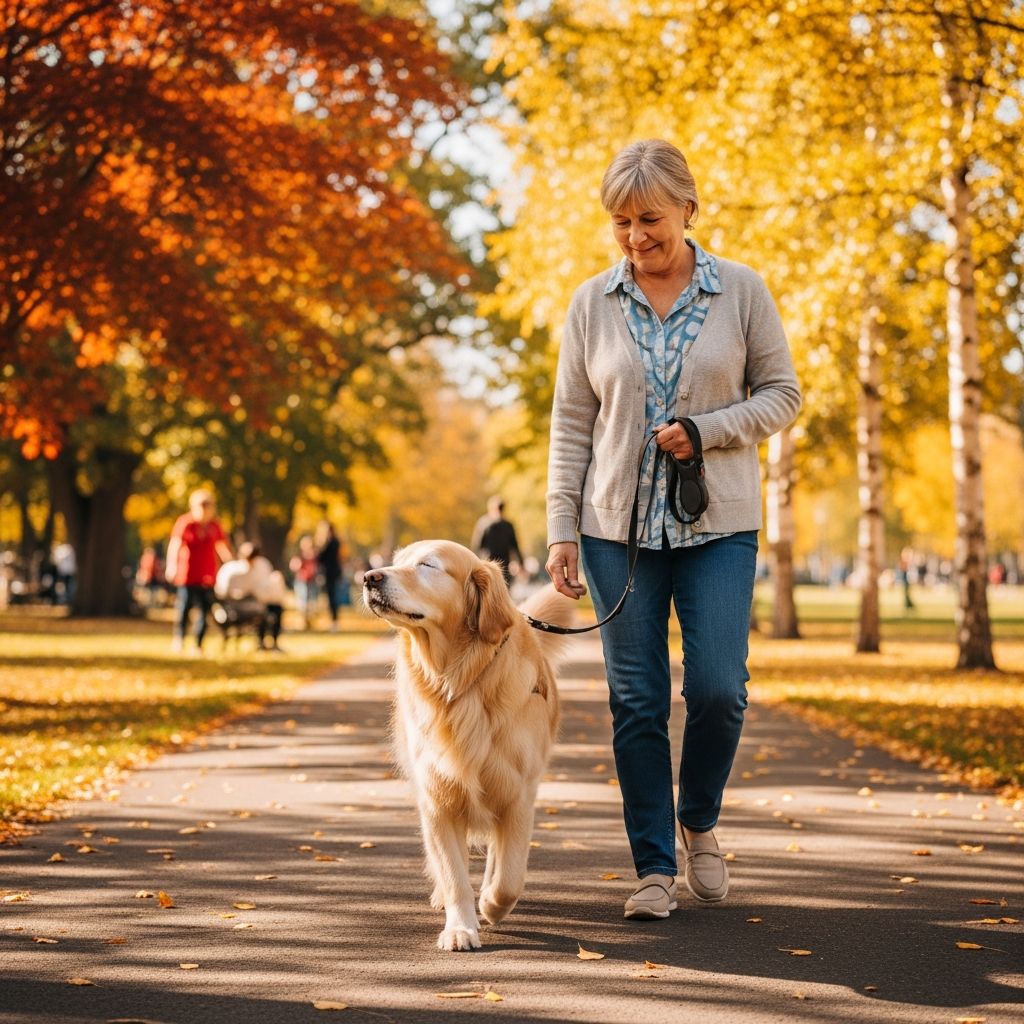
Blind dogs can lead fulfilling, happy lives with the right support from their owners. By making thoughtful adjustments to their environment, routines, and interactions, these pets adapt remarkably well using their other senses like hearing, smell, and touch. This guide draws from veterinary and animal welfare expertise to provide actionable advice on creating a safe, stimulating world for your visually impaired companion.
Understanding Blindness in Dogs
Dogs lose vision due to conditions like cataracts, glaucoma, or progressive retinal atrophy, but most compensate quickly by relying on heightened senses. Veterinary sources emphasize that with consistency and patience, blind dogs navigate familiar spaces confidently and even learn new skills. Adaptation varies; some adjust in days, others weeks, but encouragement through positive reinforcement speeds the process.
Modifying Your Home for Safety and Navigation
The foundation of blind dog care starts indoors. Keep furniture, doors, and key items in fixed positions to build a mental map. Introduce changes gradually, guiding your dog with voice or touch.
- Designate a safe zone: Set up a single room with bed, bowls, and toys for initial comfort. Include a crate if your dog enjoys it.
- Mark boundaries with textures: Place rugs under water bowls or tape different surfaces on stairs to signal transitions.
- Use scents strategically: Apply vanilla for safe areas, citrus for hazards, or unique smells on furniture legs.
- Add auditory cues: Position a radio or bells on shoes/other pets’ collars to signal movement.
Crawl on all fours to spot hazards like low tables or cords, then secure them. For traction, consider non-slip booties or nail grips on smooth floors.
Maintaining Consistent Daily Routines
predictability reduces anxiety. Feed, walk, and potty at set times in the same spots.
| Daily Activity | Blind Dog Adaptation | Benefits |
|---|---|---|
| Feeding | Fixed bowl location; voice-guide if moved | Prevents confusion, builds independence |
| Walks | Same paths initially; verbal commands | Familiarity boosts confidence |
| Potty Breaks | Consistent yard spot; scent markers | Reduces accidents |
| Playtime | Scent/noise toys; routine timing | Enhances engagement |
Supervise closely during adjustment, using a crate or safe room when absent.
Effective Training Techniques
Blind dogs excel at verbal and tactile training. Keep sessions short (5-10 minutes), positive, and reward-based.
- Voice commands: Teach “careful,” “step up,” “step down” for obstacles/stairs. Use before touching to avoid startling.
- Clicker training: Pairs sound with treats for precision.
- Stair mastery: Lure with treats, add tactile cues.
- Room entry/exit cue: Say a word like “coming” or “leaving”.
Scatter kibble to encourage scent exploration, mapping the home. Talk frequently; your voice reassures and orients.
Outdoor Safety and Exercise
Venturing outside requires vigilance. Always leash or fence; never off-leash in unfenced areas. GPS collars and updated microchips add security.
- Harness walking: Use pet-specific harnesses; pair with commands for curbs/steps.
- Protective gear: Halo vests or bumpers prevent head bumps; goggles shield eyes from branches.
- Secure yards: Block pools/hot tubs; check for gaps/hazards.
- Socialization: Walk varied routes once confident; expose to new sounds/smells.
Companion sighted dogs can guide via jingles or natural leading.
Enriching Life Through Sensory Play
Stimulate hearing, smell, and touch to prevent boredom. Squeaky/scented toys engage naturally.
- Hide treats in sniff mats or boxes.
- Use food trails for navigation games.
- Introduce textured balls or bells-on-collars for fetch.
- Companion play: Sighted pets model behaviors.
Leave soft radio/TV on for comfort when alone.
Health Monitoring and Vet Care
Regular check-ups track underlying issues. Blindness doesn’t alter grooming, dental, or exercise needs. Watch for disorientation signaling pain or new problems. Move slowly/calmly to minimize stress.
FAQs
Can blind dogs learn new tricks?
Yes, using verbal cues and touch. Many master agility or obedience.
How do I introduce a blind dog to a new home?
Guide on-leash, use scents/sounds, start in one room.
Are blind dogs more prone to aggression?
Not inherently; startling causes defensive reactions. Announce presence.
What if my dog resists harnesses or vests?
Condition gradually with treats; not all need them.
Do blind dogs need special food?
No, standard nutrition; consistency in location matters.
Real-Life Success Stories
Owners report dogs like Booda regaining mobility with traction aids after initial fear. Vets note most blind dogs thrive, often happier post-loss without pain.
References
- Caring for Your Blind Pet: Nine Tips to Improve Their Quality of Life — MedVet. 2023. https://www.medvet.com/blind-pet-safety-tips/
- How to Care for a Blind Dog: 30 Tips From a Veterinarian — ToeGrips. 2023. https://toegrips.com/7-tips-living-blind-dog/
- Blind dog care and training — Battersea Dogs & Cats Home. 2023. https://www.battersea.org.uk/pet-advice/dog-advice/blind-dog-care-and-training
- 9 Tips for Living with Blind Dogs — RSPCA. 2023. https://www.rspca.org.uk/whatwedo/latest/blogs/blinddogs
- Tips to Care for a Blind Dog or Blind Cat — Best Friends Animal Society. 2023. https://bestfriends.org/pet-care-resources/tips-care-blind-dog-or-blind-cat
- Tips for Owning a Deaf or Blind Dog — Dogs Trust. 2023. https://www.dogstrust.org.uk/dog-advice/life-with-your-dog/at-home/owning-blind-deaf-dog
- Caring for a Blind Pet — Vision for Animals Foundation. 2023. https://www.visionforanimals.org/caring-for-a-blind-pet/
Similar Articles






Read full bio of Sneha Tete