
Thriving on Three Legs: Complete Guide
Expert strategies to help three-legged dogs live active, pain-free lives with proper weight control, home adjustments, and therapy.
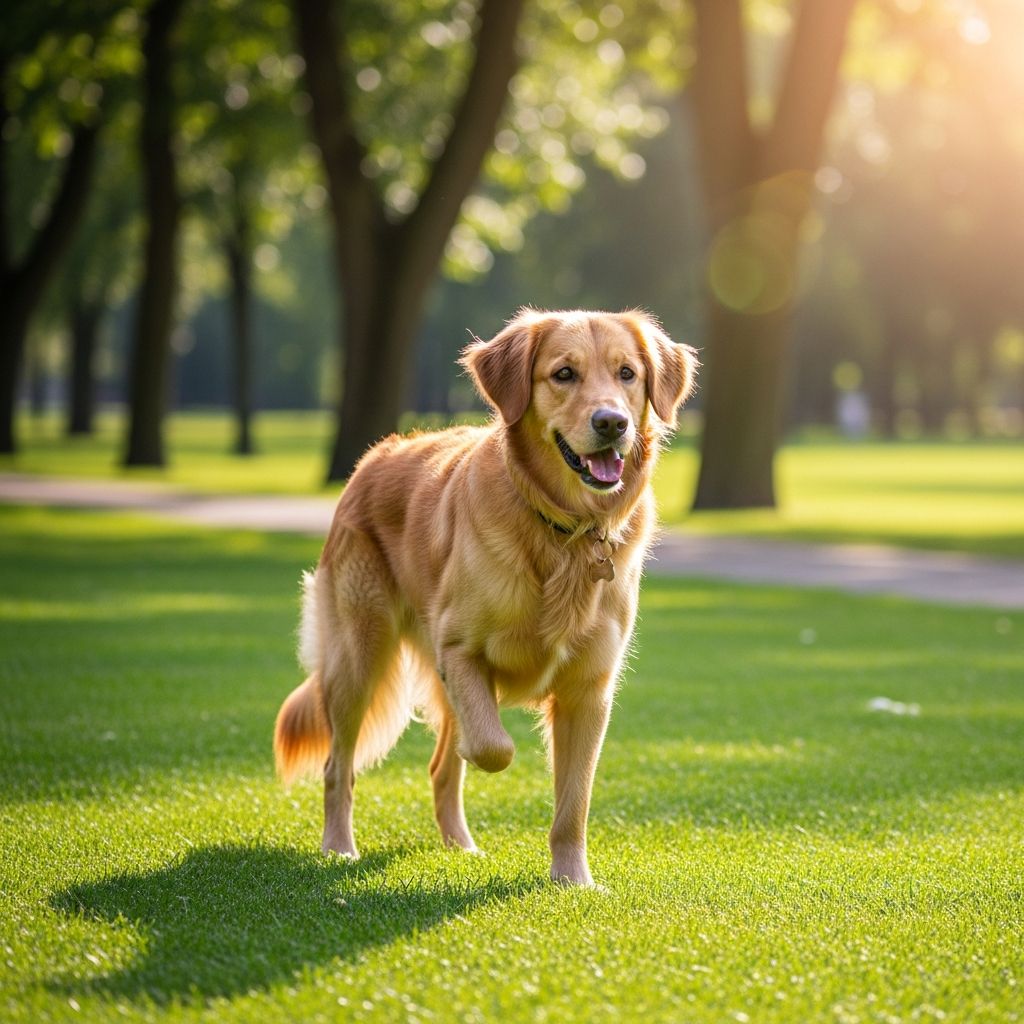
Three-legged dogs, often called “tripods,” can lead fulfilling, energetic lives with the right support from their owners. Amputation due to injury, cancer, or congenital issues doesn’t have to limit a dog’s joy or activity level. By focusing on weight control, environmental changes, exercise management, and preventive health measures, these resilient pets adapt remarkably well and often forget their missing limb entirely.
Understanding the Unique Needs of Tripod Dogs
Dogs on three legs bear more weight on their remaining limbs, accelerating wear on joints, muscles, and tendons. This increased load raises risks for arthritis, ligament tears, and muscle strains if not managed proactively. Unlike four-legged dogs, tripods rely on enhanced balance and core strength, making supervision during play crucial to avoid overexertion.
Resilience is a hallmark: many tripods quickly regain pre-amputation activity levels through gradual rehabilitation. Owners play a pivotal role by anticipating hazards like slippery floors or high jumps, which intact dogs handle effortlessly.
Maintaining Optimal Weight for Joint Preservation
The cornerstone of tripod care is keeping your dog lean. Excess weight multiplies stress on the three supporting legs, hastening osteoarthritis and reducing mobility. Veterinary guidelines emphasize a body condition score of 4-5 out of 9, where ribs are palpable without visible prominence.
- Avoid pity-feeding: Handicapped dogs don’t need extra calories; in fact, they benefit from slightly reduced portions to counterbalance reduced energy expenditure.
- Choose high-quality, low-calorie diets rich in lean proteins and fiber to promote satiety without fat gain.
- Monitor treats: Limit to 10% of daily calories, opting for vegetable-based options like carrot sticks.
Regular weigh-ins at the vet ensure adjustments. A thin frame preserves flexibility, prevents injuries, and extends quality lifespan.
Designing a Tripod-Safe Home Environment
Home modifications prevent slips and strains, common pitfalls for tripods with diminished stability. Slick surfaces like tile or hardwood demand immediate attention to safeguard against flailing recoveries that tear soft tissues.
| Area | Recommended Modification | Benefits |
|---|---|---|
| Floors | Carpet runners, yoga mats, or non-slip booties | Improved traction, reduced slip risk |
| Stairs | Grip tape, carpet treads, or supervision | Safer navigation, muscle protection |
| Furniture Access | Pet ramps or steps | Eliminates high jumps, joint preservation |
| Feeding Stations | Elevated bowls | Less spinal strain, better balance |
Install these gradually, using positive reinforcement to train usage. For cars, employ portable ramps or lifts to avoid leaps from heights. Soft bedding elevated off cold floors cushions joints and prevents pressure sores like elbow hygromas.
Exercise and Activity Guidelines
Balanced activity builds strength without overload. Post-amputation, start with short, frequent sessions to fortify remaining limbs. Swimming excels as a low-impact builder of muscle and endurance—always use a life jacket for safety.
- Daily walks: Begin at 10-15 minutes, increasing as stamina grows; prefer even terrain.
- Play supervision: Limit roughhousing, chasing on ice/mud, or high jumps.
- Pace preference: Tripods often hop quickly; match their rhythm but watch for fatigue signs like heavy panting.
Clear yards of debris to prevent trips. For athletic dogs, halve prior mileage initially, consulting vets for tailored plans.
Joint Health and Supplement Strategies
Proactive joint support counters amplified impact forces. Osteoarthritis risk soars without intervention, but early supplementation delays onset.
Key ingredients include:
- Glucosamine and chondroitin: Rebuild cartilage, reduce inflammation.
- Omega-3 fatty acids: Combat joint swelling.
- MSM: Supports connective tissue flexibility.
Vets recommend starting immediately post-surgery, not awaiting symptoms. Combine with paw care: Trim nails biweekly for balance, inspect pads for cracks from overuse.
The Role of Physical Therapy and Rehabilitation
Professional therapy optimizes recovery and longevity. Benefits span pain relief, circulation boost, and range-of-motion maintenance. Sessions target tight muscles via massage, stretching, and hydrotherapy.
At-home protocols, guided by therapists:
- Warm-up stretches before walks.
- Balance exercises on wobble boards.
- Cold laser for inflammation.
Consistent therapy prevents compensatory issues like hip dysplasia flare-ups in aging tripods.
Daily Health Monitoring and Vet Partnerships
Vigilance spots issues early. Track limping, reluctance to rise, or paw irritation. Annual exams include joint radiographs for proactive arthritis management.
Common concerns:
- Elbow hygromas: Fluid buildups from lying pressure—use donut beds.
- Spinal stress: Elevated bowls mitigate.
- Mobility decline: Ramps aid seniors.
Leash walks with ID tags ensure safety.
FAQs: Common Questions on Tripod Care
Can three-legged dogs climb stairs?
Many can with traction aids and assistance, but minimize use and supervise to protect joints.
Do tripods need special food?
No, but calorie-controlled, joint-supportive formulas prevent obesity.
How active can they be?
Very—hikes and play are fine with limits on intensity and supervision.
What if my dog slips often?
Install non-slip surfaces immediately; booties help some.
Is surgery recovery long?
Most adapt in weeks with therapy; full strength builds over months.
Long-Term Outlook and Success Stories
Tripods often outpace expectations, enjoying years of vitality. Owners report enhanced bonds through attentive care. Focus on leanness, safety, and therapy yields dogs that run, fetch, and thrive indistinguishably from peers.
References
- Three Legged Dog Care — Whole Dog Journal. 2023-01-15. https://www.whole-dog-journal.com/health/taking-care-of-three-legged-dogs/
- Pet care tips for three-legged dogs — Ontario SPCA. 2024-05-20. https://ontariospca.ca/blog/pet-care-tips-for-three-legged-dogs/
- Three-Legged Dog and Cat FAQs — Best Friends Animal Society. 2023-11-10. https://bestfriends.org/pet-care-resources/three-legged-dog-and-three-legged-cat-faqs
- A three-legged dog learns how to navigate the world — Operation Kindness. 2022-08-05. https://www.operationkindness.org/three-legged-dog-learns-how-to-navigate-the-world/
- Caring for Three-Legged Dogs and Cats, aka “Tripawds” — PetMD. 2024-02-14. https://www.petmd.com/dog/general-health/caring-three-legged-dogs-and-cats-aka-tripawds
- Physio Tips for Your Tripod Dog — The Dog Wellness Centre (YouTube). 2023-07-22. https://www.youtube.com/watch?v=_MYbVOjVCE8
Similar Articles








Read full bio of medha deb


