

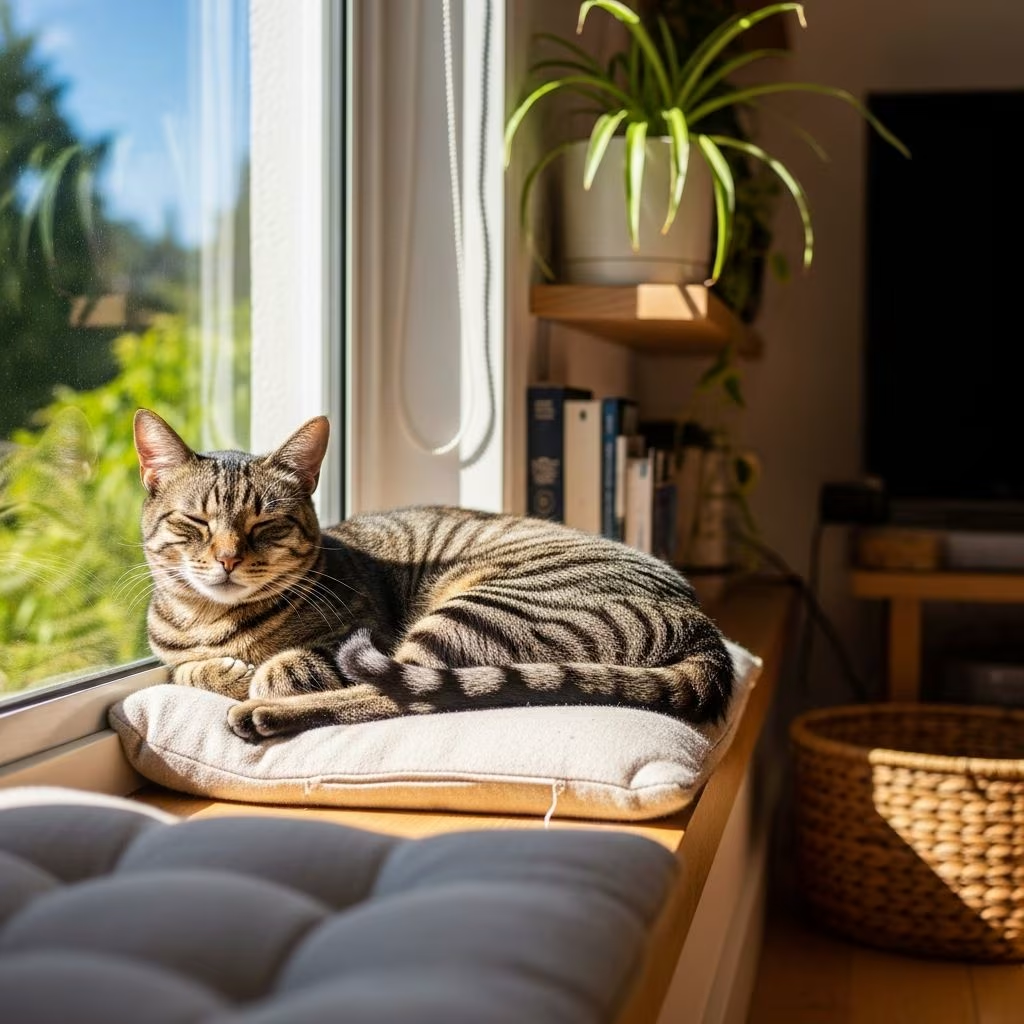
Indoor cats often enjoy lifespans of 15-20 years, far exceeding the 3-4 years typical for outdoor roamers exposed to dangers like traffic and predators. With thoughtful enrichment, these felines can experience deep satisfaction without venturing outside, meeting their innate needs for hunting, climbing, and social connection in a secure environment.
The Safety Edge of Indoor Living
Keeping cats indoors shields them from life-threatening risks while allowing owners to craft tailored spaces that spark joy and vitality. Unlike free-roaming cats spending up to 14% of their day hunting, indoor dwellers require creative solutions to mimic these instincts, preventing boredom and promoting mental sharpness.
Research highlights how domestic confinement extends life expectancy dramatically. Indoor setups eliminate exposure to diseases, fights, and accidents, shifting focus to quality-of-life enhancements through play and habitat design.
Unlocking Feline Instincts at Home
Cats retain wild traits like stalking prey and claiming territory, even in cozy apartments. Addressing these core drives—hunting, vertical exploration, scratching, hiding, and interaction—transforms homes into adventure zones.
- Hunting Simulation: Toys like feather wands or laser pointers trigger chase responses, replicating the 14% daily hunt time observed in free-ranging cats.
- Vertical Domains: Multi-level cat trees offer climbing and perching spots for surveying ‘territory.’
- Scratching Zones: Posts in various textures satisfy marking urges and claw maintenance.
- Secure Retreats: Boxes, tunnels, and elevated beds provide safe hideaways for stress relief.
- Social Balance: Tailored play sessions respect independent personalities, fostering bonds without overwhelm.
These elements ensure cats view their indoor world as a thriving kingdom, reducing any sense of deprivation.
Enrichment Blueprint for Daily Bliss
Building an enriched environment demands variety, novelty, and control. Cats flourish when they ‘work’ for rewards, such as puzzle feeders that dispense kibble after effort, tapping into their predatory heritage for satisfaction and stress reduction.
| Enrichment Type | Benefits | Implementation Ideas |
|---|---|---|
| Physical Activity | Builds muscle, burns energy, prevents obesity | Interactive toys, track balls, window perches |
| Mental Stimulation | Sharpens cognition, fights boredom | Puzzle feeders, treat-dispensing balls, rotation of toys |
| Sensory Engagement | Stimulates senses, reduces anxiety | Herbal catnip, bubbling fountains, bird feeders outside windows |
| Social Interaction | Strengthens bonds, boosts mood | Daily play, gentle petting, talking sessions |
Rotate items weekly to maintain excitement. Studies show cats working for food exhibit happier behaviors, underscoring the value of effort-based rewards over free bowls.
The Science of Cat-Human Connections
Interactions with indoor cats profoundly impact owners’ physiology and emotions. Free play sessions elevate heart rates, tweak cortisol and oxytocin levels, and modulate autonomic nervous activity, revealing an arousing rather than purely calming effect that enhances overall health.
Owners report heightened pleasure, purpose, and self-acceptance from activities like feeding, petting, and conversing with their cats. These bonds foster eudaimonic well-being—deeper life satisfaction—beyond mere hedonic joy. For instance, caring routines instill purpose, while a cat’s affectionate pursuit boosts owners’ self-worth.
Positive correlations between heart rate, cortisol, and oxytocin during interactions suggest a dynamic mechanism promoting emotional regulation and vitality, challenging older views of pet therapy as solely stress-reducing.
Spotting Signs of Indoor Contentment
Happy indoor cats display relaxed body language: slow blinks, upright tails, kneading paws, and enthusiastic play. They groom meticulously, eat heartily, and use litter boxes consistently without excessive vocalizing or destructive habits.
Conversely, unmet needs manifest as lethargy, over-grooming, aggression, or appetite loss—often mistaken for ‘missing the outdoors’ but typically signaling boredom or health issues. Routine vet checks rule out medical causes, emphasizing proactive enrichment.
Overcoming Common Indoor Hurdles
Boredom tops challenges for apartment cats, but solutions abound. Multi-cat homes benefit from separate resources to curb tension, while single felines thrive on scheduled human engagement.
For high-rise dwellers, secure window enclosures enable safe fresh-air gazing. Seniors or less mobile cats need ground-level options like wide ramps on furniture. Consistency in routines builds security, mirroring natural circadian rhythms of rest (over 60% of day) and activity.
Health Wins from Indoor Enrichment
Beyond happiness, enrichment safeguards physical wellness. Active lifestyles combat obesity, a top issue in sedentary cats. Climbing strengthens joints, hunting toys improve coordination, and varied diets via puzzles aid digestion.
Mental agility delays cognitive decline in aging cats, much like puzzles benefit human seniors. Owners gain too: cat care routines enhance their purpose and reduce isolation, creating mutual thriving.
Realistic Expectations for Cat Fulfillment
Not all cats suit indoor life equally—some with strong wanderlust may need enclosed patios. However, most adapt seamlessly with effort, living vibrant, extended lives. The key: observe individual cues and iterate setups.
Enrichment isn’t ‘extra’ but essential, akin to nutrition. Invest time daily—15-30 minutes of play yields outsized returns in cat (and owner) happiness.
Frequently Asked Questions
Do indoor cats feel trapped or depressed?
No, when needs are met through enrichment. Depression links more to illness or neglect than confinement; stimulated cats show no outdoor longing.
How much play do indoor cats need daily?
At least 15-20 minutes of vigorous sessions, split into 2-3 bouts, mimicking hunt cycles for optimal energy release.
Can indoor cats live as long as outdoor ones?
Yes, often longer—15-20 years versus 3-4—thanks to avoided hazards, with enrichment ensuring quality matches quantity.
What if my cat seems bored despite toys?
Introduce novelty: swap toys, try food puzzles, or add scents/sounds. Consult vets for underlying issues.
Does enriching my cat benefit me too?
Absolutely—studies link cat interactions to owner well-being via oxytocin boosts, purpose, and emotional uplift.
Building Your Cat’s Indoor Paradise
Start small: assess space, budget in verticality and interactives. Track behaviors pre- and post-changes to measure success. Over time, your cat’s purring vigor confirms a life of safety, stimulation, and joy.
Indoor living, enriched thoughtfully, proves cats don’t just survive—they excel, forging unbreakable bonds in the process.
References
- Effects of Interactions with Cats in Domestic Environment on Physiological State of Owners — Nagasawa M et al. NIH/PMC. 2023-07-01. https://pmc.ncbi.nlm.nih.gov/articles/PMC10340037/
- Cat-human related activities associated with human well-being — Barcelos LC et al. CABI Digital Library. 2021-01-01. https://www.cabidigitallibrary.org/doi/full/10.1079/hai.2021.0006
- Keeping Indoor Cats Happy — Marbach Road Animal Hospital. Accessed 2026. http://marbachvets.com/keeping-indoor-cats-happy.html



