Ferret Care: Complete Essentials For Thriving Pets
Master essential care for your ferret's long, joyful life with expert tips on habitat, diet, grooming, and health.
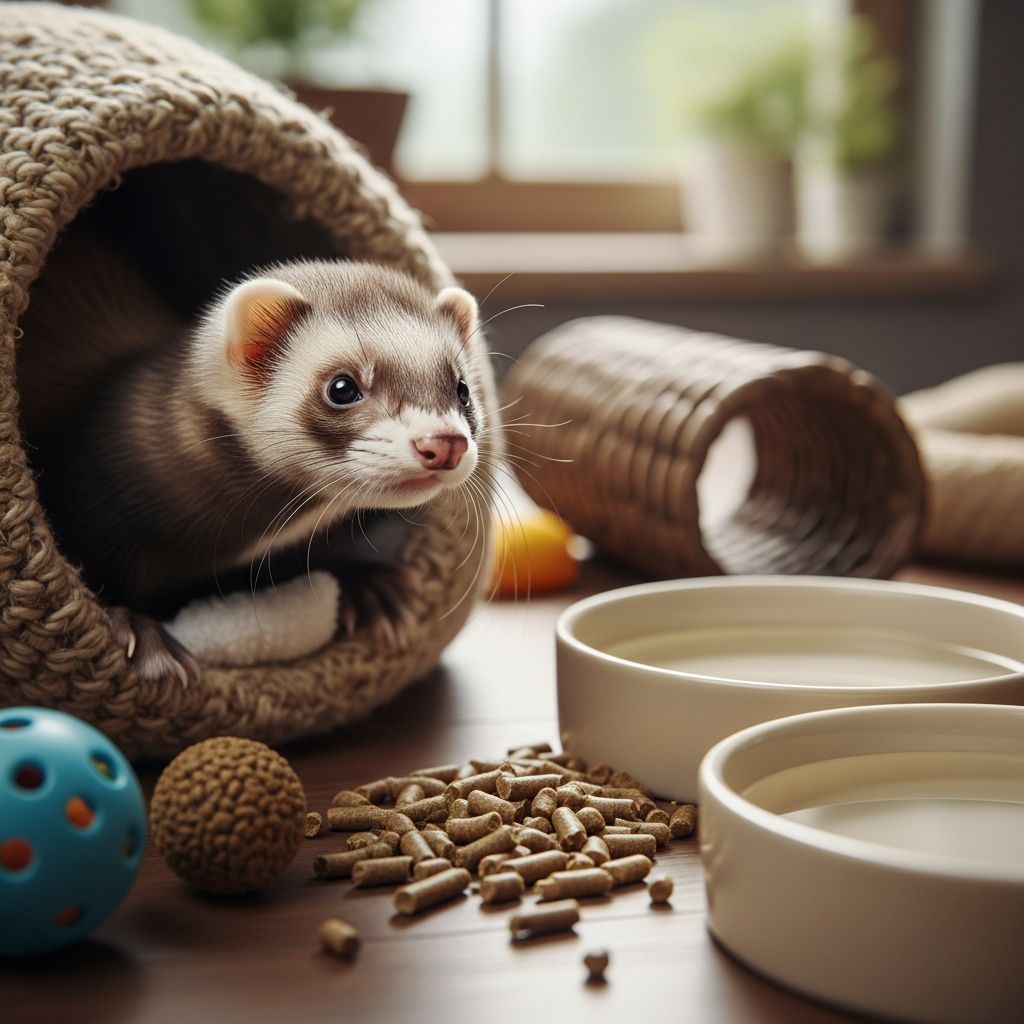
Ferrets make dynamic companions, full of curiosity and energy that demand thoughtful care to flourish. This guide outlines key practices for housing, feeding, enrichment, maintenance, and medical oversight, drawing from veterinary insights to help owners foster robust pets.
Ideal Living Spaces for Active Ferrets
Creating a secure, stimulating environment is foundational for ferret happiness. Ferrets require expansive habitats with multiple levels, solid flooring to prevent injuries, and ample room for climbing and exploration. Multi-tier cages exceeding 4 feet tall suit single ferrets, while pairs need even larger setups to minimize territorial stress.
- Core Habitat Features: Wire spacing under 1 inch to avoid escapes; powder-coated bars for safety; integrated platforms and ramps.
- Bedding Choices: Soft, non-aromatic fleece liners or paper-based materials; steer clear of cedar or pine due to respiratory risks.
- Accessories: Hammocks for lounging, hideouts for security, and tunnels for burrowing instincts.
Position habitats in quiet, draft-free areas away from direct sun or heaters, maintaining 60-75°F temperatures. Daily spot-cleaning removes waste and debris, with full disinfections weekly using 3% bleach solutions rinsed thoroughly.
Nutrition Tailored for Carnivorous Needs
As obligate carnivores, ferrets thrive on diets rich in animal proteins and fats, with minimal carbs. Specialized kibble formulated for ferrets—boasting 35-40% protein and 20% fat—forms the staple, fed in two meals daily for adults.
| Nutrient | Recommended Level | Benefits |
|---|---|---|
| Protein | 35-40% | Supports muscle maintenance and energy. |
| Fat | 18-25% | Provides sustained fuel for high metabolism. |
| Carbs | <10% | Prevents insulinoma risks from sugars. |
| Fiber | 1-3% | Aids digestion without bulk overload. |
Juveniles benefit from wet food supplements to avert rectal issues, while treats like cooked meat should cap at 10% of intake. Always supply fresh water via no-tip bottles or bowls, refreshed daily and scrubbed regularly. Avoid cat/dog foods, fruits, veggies, or dairy, as they disrupt digestion and invite deficiencies.
Daily Exercise and Mental Stimulation
Ferrets burn energy rapidly, necessitating 2-4 hours of supervised out-of-cage time daily. Ferret-proof rooms by securing cords, removing toxic plants, and blocking small gaps to curb chewing hazards.
- Play Essentials: Harness walks outdoors; indoor pens with toys; foraging puzzles mimicking hunting.
- Enrichment Ideas: Balls, tunnels, soft squeakers; rotate items weekly to sustain interest.
- Safety Protocols: Never unsupervised; provide digging boxes with safe substrates.
These sessions build bonds, prevent boredom-induced mischief, and promote lean physiques. Insufficient activity risks obesity and behavioral woes.
Grooming Routines for Sleek Coats
Ferrets self-groom diligently but require owner assistance during sheds to combat hairballs. Weekly soft-bristle brushing loosens fur, paired with malt laxatives like Ferret Lax for ingestion prevention.
Baths are infrequent—monthly at most—with ferret-specific shampoos to preserve skin oils; excessive washing causes dryness. Nail trims every 2-3 weeks demand precision; use clippers and styptic powder for quicks.
- Ear Maintenance: Cotton balls and vet-approved cleaners wipe outer canals biweekly.
- Dental Hygiene: Daily brushing with enzymatic meat paste and ferret toothbrushes from kittenhood.
- Anal Scent Glands: Vet expression every 6-12 months if odor persists.
Litter training succeeds with pelleted, non-clumping substrates in corner pans; scoop daily, deep-clean weekly.
Vital Health Monitoring and Vet Protocols
Annual exams, distemper/rabies vaccines (3-dose puppy series, then boosters), and fecal checks form preventive baselines. Ferrets face adrenal disease, cancers, cardiomyopathy, and mites; early signs include lethargy, hair loss, or appetite dips warrant prompt vet visits.
Specialist exotic vets are ideal, as bills reflect expertise needs. Spaying/neutering curbs cancers and musk.
| Age Group | Key Checkups | Vaccines |
|---|---|---|
| Kitten (8-12 weeks) | Wellness exam, deworming | Distemper series start |
| Adult | Annual physical, dental | Rabies, distemper boosters |
| Senior (>4 years) | Bi-annual bloodwork | Ongoing as needed |
Frequently Asked Questions
Are ferrets suitable for beginners?
They suit committed owners ready for daily interaction, specialized diets, and cleaning; not ideal for hands-off households.
How do I reduce ferret odor?
Weekly cage sanitizing, pelleted litter, and descenting at vets minimize smells; diet quality influences too.
Can ferrets live alone?
Solitary ferrets thrive with ample owner playtime; pairs require compatible intros and doubled space.
What diet avoids common illnesses?
High-protein ferret kibble prevents insulinomas; raw meats risk parasites like Salmonella.
Do ferrets need vaccines?
Yes, distemper and rabies are critical; full series protects against fatal outbreaks.
Supply Checklist for New Owners
- Large multi-level cage
- Ferret kibble and treats
- No-tip bowls/bottles
- Pelleted litter pan
- Hammocks, tunnels, toys
- Grooming kit: brush, clippers, shampoo
- Harness/leash, playpen
- Malt laxative, ear cleaner
Stocking these ensures seamless onboarding. Monitor weight weekly—ideal 1.5-4 lbs—and adjust portions accordingly.
References
- Ferret Care Sheet — PetMD. 2023. https://www.petmd.com/ferret/ferret-care-sheet
- Comprehensive Guide to Ferret Care: Essential Tips for 2025 — Flamingo Pet Clinic. 2025. https://flamingopetclinic.com/essential-ferret-care/
- A Beginner’s Guide to the Best Ferret Care — Healthy Pet. 2024. https://www.healthy-pet.com/blogs/healthy-pet-vet-blog/a-beginners-guide-to-the-best-ferret-care
- Pet Ferrets 101: A Beginner’s Guide To Keeping a Ferret as a Pet — Chewy. 2024. https://www.chewy.com/education/small-pet/ferret/pet-ferret
- CARING FOR YOUR FERRET — Pet Advocacy Network. 2022-01-01. https://petadvocacy.org/wp-content/uploads/2022/01/Ferret-Care-Sheet.pdf
- Caring for your FERRET — Oxbow Animal Health. 2023-10. https://oxbowanimalhealth.com/wp-content/uploads/2023/10/Ferret-Care-Guide-Jul-2022.pdf
Similar Articles








Read full bio of medha deb