

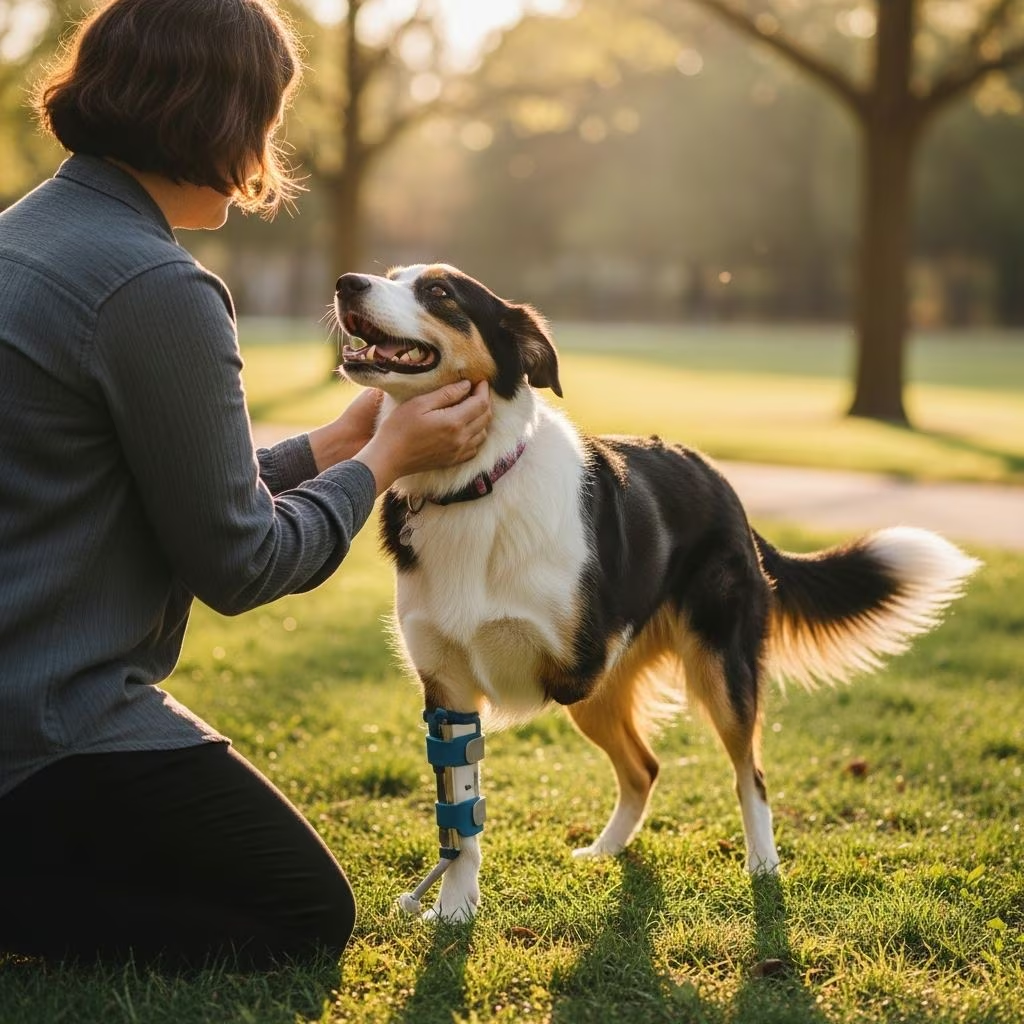
Losing a limb can be a challenging experience for any dog, but with proper care and support, three-legged dogs can lead vibrant, active lives that rival their four-legged counterparts. Many pet owners are initially concerned about their dog’s ability to adapt following amputation, yet veterinarians and animal behaviorists consistently report that dogs demonstrate remarkable resilience and adjustment capacity. Understanding the specific care requirements for tripod dogs enables owners to provide optimal support while allowing their pets to maintain independence and quality of life.
Understanding Canine Resilience and Adaptation
Dogs possess an extraordinary ability to adapt to physical changes that would seem insurmountable to humans. Following amputation or limb loss, most dogs quickly compensate by redistributing their weight and rebalancing their gait across their remaining legs. This neurological plasticity allows three-legged dogs to forget the missing limb and resume normal activities within a relatively short adjustment period.
The psychological aspect of recovery is equally important as the physical. Dogs do not experience the emotional distress about body image that humans might, meaning they do not develop negative self-perception following limb loss. Instead, they focus on regaining mobility and returning to their favorite activities. With appropriate guidance and environmental modifications, three-legged dogs can participate in walks, playtime, swimming, and other physical activities that contribute to their overall wellbeing.
Establishing Proper Nutritional Foundations
Nutritional management becomes significantly more critical for three-legged dogs than for their four-legged peers. With only three limbs to support their body weight, excess pounds create disproportionate stress on the remaining joints, muscles, and connective tissues. This increased mechanical burden can accelerate the onset of arthritis, joint deterioration, and other degenerative conditions that would develop more slowly in dogs maintaining healthy weights.
Weight management for tripod dogs requires a multifaceted approach combining appropriate caloric intake with strategic food choices. Pet owners should consult with their veterinarian to establish an ideal weight range specific to their dog’s age, breed, and overall health status. Many veterinarians recommend therapeutic diets formulated specifically for weight management or joint support, as these formulations provide balanced nutrition while supporting musculoskeletal health.
Key nutritional considerations include:
- Measuring food portions carefully to prevent overfeeding, regardless of emotional attachment to pleasing your pet
- Selecting high-quality protein sources to support muscle development and maintenance
- Incorporating joint-supporting supplements recommended by your veterinarian
- Limiting treats and table scraps that contribute to caloric excess
- Monitoring body condition regularly and adjusting portions as needed
Developing an Effective Exercise Regimen
Physical activity remains essential for three-legged dogs, despite their altered mobility. Exercise strengthens the remaining limbs, supports cardiovascular health, and maintains muscle tone that helps stabilize vulnerable joints. However, the exercise approach for tripod dogs differs significantly from traditional dog fitness routines.
Short, frequent walks prove more beneficial than lengthy single sessions. Dogs with three legs often tire more quickly than their four-legged counterparts and may struggle with the sustained effort required for extended walks. Multiple brief walks throughout the day allow three-legged dogs to build endurance gradually while preventing overexertion that could lead to injury or excessive fatigue.
During walks, owners should observe their dog’s body language carefully for signs of fatigue, limping, or discomfort. Allowing rest breaks as needed prevents pushing the dog beyond their current capacity. Additionally, examining the walking terrain helps prevent accidents, as three-legged dogs struggle with uneven ground, hidden holes, or surface debris that could cause them to trip or lose balance.
Swimming represents an exceptional alternative exercise option for three-legged dogs. Water provides buoyancy that reduces pressure on joints while allowing full-body exercise without the impact stress of land-based activities. Swimming builds muscle strength in the remaining limbs and improves cardiovascular conditioning. When introducing swimming, maintain shallow water depths and always supervise your dog closely, using a properly-fitted lifejacket for safety.
Creating a Tripod-Friendly Home Environment
Environmental modifications prove crucial for enabling three-legged dogs to navigate their living spaces safely and comfortably. Dogs with three legs experience balance challenges that four-legged dogs do not encounter, making thoughtful home design an important aspect of overall care.
Flooring and traction: Hard surfaces including wood, tile, and linoleum create particular hazards for tripod dogs because these materials lack grip, making it easy for dogs to slip, especially during running or play. Installing carpet runners, throw rugs, or adhesive non-slip products throughout high-traffic areas dramatically improves safety. Ensure rug corners lie flat to prevent tripping.
Feeding stations: Elevated food and water bowls allow your three-legged dog to eat and drink without bending excessively, which reduces unnecessary strain on their remaining limbs and joints. Elevated feeding also promotes better posture during meals.
Resting areas: Provide soft, elevated surfaces for your dog to rest on throughout the day. Orthopedic beds with memory foam or padding reduce pressure on joints while making it easier for your dog to stand up from a resting position.
Stair management: While many three-legged dogs can navigate stairs with carpeting or traction aids, minimizing stairs when possible reduces unnecessary strain. If stairs are unavoidable, apply carpeting or traction strips to each step and provide assistance by helping your dog up and down.
Accessibility features: Consider installing ramps to help your dog access favorite spots on furniture or reach outdoor areas. Ramps eliminate the need to jump, which can be difficult or impossible for tripod dogs.
Specialized Mobility Aids and Assistive Equipment
Various products and devices have been developed to enhance safety and mobility for three-legged dogs. These tools help compensate for balance challenges while providing additional support during daily activities.
Harnesses with back handles: Well-designed harnesses provide balance support while the integrated handle allows owners to assist their dog in challenging situations, such as entering or exiting vehicles, navigating stairs, or preventing falls on slippery surfaces.
Non-slip booties and socks: These products increase traction on hard floors, helping three-legged dogs maintain secure contact with surfaces and reducing the risk of slipping during movement or play.
Traction grips for nails: Specially designed nail grips adhere to your dog’s nails and provide enhanced grip on slippery surfaces without limiting paw pad contact with the ground.
Vehicle harnesses: Car seat harnesses with wide chest bands help three-legged dogs maintain balance while traveling, reducing anxiety and preventing injury during vehicle movement.
Paw and Limb Care Protocols
The remaining feet and limbs of tripod dogs require more attentive care than those of four-legged dogs. Because three-legged dogs distribute their body weight unevenly, the remaining limbs experience increased stress that can manifest as paw problems, overgrown nails, or other complications.
Nail maintenance: Regular nail trimming prevents overgrowth that interferes with normal paw contact with the ground. Overgrown nails effectively create a barrier between the paw pad and floor surface, compromising traction and balance. Additionally, trim the fur between toe pads to maintain clear contact between paw pads and surfaces.
Paw pad inspection: Regularly check your dog’s remaining paw pads for cracks, irritation, or injury. Three-legged dogs place intense stress on their paws, making them more susceptible to developing sores or damage. Address any signs of discomfort promptly by consulting your veterinarian.
Elbow hygroma awareness: This fluid-filled swelling around the elbow can develop when excessive weight rests on one elbow. Maintaining healthy weight and providing soft resting surfaces helps prevent this condition, but alert your veterinarian immediately if you notice swelling.
Preventive Health Care and Joint Support
Three-legged dogs face elevated risk for arthritis and joint problems due to increased stress on their remaining limbs. Proactive health management helps prevent or delay the onset of these conditions.
Your veterinarian may recommend joint-supporting supplements such as glucosamine, chondroitin, or omega-3 fatty acids that help maintain cartilage health and reduce inflammation. Discuss which supplements are most appropriate for your dog’s specific situation.
Physical therapy and therapeutic massage can strengthen muscles that support vulnerable joints and improve overall mobility. Ask your veterinarian whether these interventions might benefit your three-legged dog.
Regular veterinary check-ups allow your veterinarian to monitor your dog’s joint health, assess mobility, and adjust care protocols as your dog ages. Early detection of developing problems enables intervention before they significantly impact quality of life.
Frequently Asked Questions About Three-Legged Dog Care
Can three-legged dogs live normal lifespans?
Yes, three-legged dogs with appropriate care can live full, normal lifespans comparable to four-legged dogs. Their prognosis depends more on the underlying cause of limb loss and overall health status than on the loss of the limb itself.
How long does adjustment typically take?
Most dogs adjust remarkably quickly to limb loss, often within days to weeks. However, building strength in the remaining limbs and reaching optimal mobility typically takes several weeks to months. Each dog adapts at their own pace based on age, health status, and personality.
Will my three-legged dog develop arthritis?
Three-legged dogs face elevated arthritis risk due to increased joint stress. However, maintaining healthy weight, providing regular appropriate exercise, supporting joint health through supplements, and avoiding excessive stress can significantly reduce or delay arthritis development.
Can three-legged dogs participate in outdoor activities?
Most three-legged dogs can enjoy outdoor activities including walks, play, and swimming with appropriate modifications. Always assess terrain for safety hazards and monitor your dog for fatigue.
Is surgery required after amputation?
Most tripod dogs do not require special veterinary care beyond the initial amputation and rehabilitation period. Follow your veterinarian’s post-operative protocols and gradually return to normal activities as healing progresses.
Building Confidence and Emotional Wellbeing
Beyond physical care, supporting your three-legged dog’s emotional confidence contributes significantly to their quality of life. Dogs that feel secure and supported by their owners recover more quickly and adapt more fully to their altered mobility.
Patience during the adjustment period demonstrates to your dog that their new physical reality is manageable. Celebrating small victories—such as successfully navigating stairs or attempting a new activity—reinforces their confidence. Maintaining normal routines and activities as much as possible helps your dog understand that their life continues to have meaning and joy despite physical changes.
Many three-legged dogs benefit from interacting with other dogs, which provides social stimulation and normalizes their experience. Other dogs do not judge or pity three-legged dogs; they simply accept them as playmates. These interactions reinforce your dog’s sense of belonging and capability.
Conclusion
Three-legged dogs demonstrate that physical limitation does not define a dog’s ability to enjoy a rich, fulfilling life. With thoughtful environmental modifications, appropriate exercise and nutrition, preventive health care, and emotional support, tripod dogs thrive as fully as their four-legged counterparts. By implementing these care strategies, pet owners enable their three-legged companions to continue pursuing the activities they love while maintaining optimal health throughout their lives.
References
- What to Expect When Adopting a Three-Legged Pet — Hill’s Pet Nutrition. https://www.hillspet.com/dog-care/new-pet-parent/adopting-three-legged-pets
- Pet Care Tips for Three-Legged Dogs — Ontario SPCA. https://ontariospca.ca/blog/pet-care-tips-for-three-legged-dogs/
- Three-Legged Dog and Cat FAQs — Best Friends Animal Society. https://bestfriends.org/pet-care-resources/three-legged-dog-and-three-legged-cat-faqs
- Caring for Three-Legged Dogs and Cats, aka “Tripawds” — PetMD. https://www.petmd.com/dog/general-health/caring-three-legged-dogs-and-cats-aka-tripawds
- Three-Legged Dogs: 3 Tips for Safety & Success — ToeGrips. https://toegrips.com/three-legged-dog-safety-success/



