

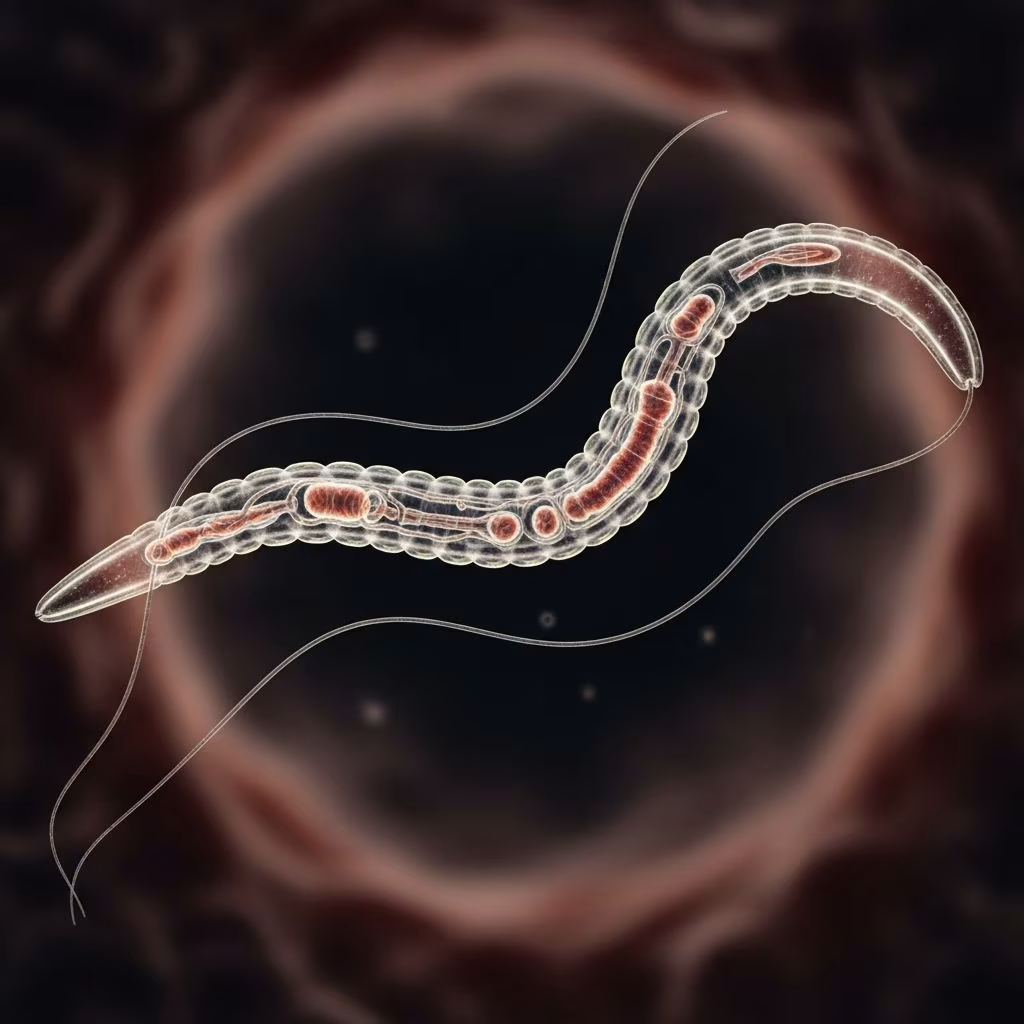
Threadworms, also known as Strongyloides species, represent a significant parasitic concern for dogs, particularly young puppies and immunocompromised animals. These slender nematodes can lead to gastrointestinal distress, respiratory issues, and overall debilitation if left unchecked. Understanding their lifecycle, transmission routes, and management strategies is crucial for pet owners aiming to maintain their dog’s well-being.
Understanding the Nature of Threadworms
Threadworms belong to the genus Strongyloides, with Strongyloides stercoralis being a primary species affecting dogs. These parasites are unique due to their ability to reproduce both sexually and through parthenogenesis, allowing rapid population growth within the host. Adult females embed in the intestinal mucosa, producing larvae that can either develop into adults or migrate through the lungs and reinfect the intestines, perpetuating the cycle.
In dogs, infections often manifest in environments conducive to moisture and warmth, where larvae thrive in soil or contaminated bedding. Puppies acquire the parasite via colostrum from infected mothers or through skin penetration from contaminated environments, making early detection vital.
Recognizing Clinical Signs of Infection
Early identification hinges on observing subtle changes in your dog’s behavior and physical condition. Common indicators include:
- Persistent diarrhea, often watery or mucoid, leading to dehydration.
- Gradual weight loss despite normal appetite.
- Lethargy and reduced activity levels.
- Occasional coughing or respiratory distress from larval migration.
- Skin irritations or lesions around the perianal area.
Puppies may exhibit a pot-bellied appearance and stunted growth, while severe cases can progress to malabsorption syndromes and bronchopneumonia. Unlike larger roundworms, threadworms are microscopic and rarely visible in feces, complicating visual diagnosis.
Lifecycle and Transmission Pathways
The lifecycle of threadworms is complex, involving free-living and parasitic stages. Infective larvae penetrate the skin or are ingested, migrating to the intestines where they mature. Some larvae enter the bloodstream, travel to the lungs, are coughed up, swallowed, and return to the gut—a process known as autoinfection. This internal recycling can sustain infections indefinitely without external reinfection.
Transmission occurs through:
| Route | Description |
|---|---|
| Skin Penetration | Larvae in moist soil contact paws or abdomen. |
| Oral Ingestion | Contaminated food, water, or feces. |
| Transmammary | From mother to nursing puppies via milk. |
| Fecal Contamination | Shared environments like kennels. |
Environmental persistence of larvae underscores the need for rigorous hygiene in multi-dog households or breeding facilities.
Veterinary Diagnosis Procedures
Diagnosis relies on clinical suspicion combined with laboratory confirmation. Veterinarians recommend the Baermann technique, a sedimentation method that concentrates larvae from fecal samples, offering higher sensitivity than standard flotation tests. Multiple samples over several days may be necessary due to intermittent shedding.
Additional diagnostics include bloodwork to assess anemia or eosinophilia, and imaging for pulmonary involvement in advanced cases. Early fecal examination post-symptom onset improves accuracy.
Effective Treatment Protocols
Treatment targets both adult worms and migrating larvae. Veterinarians commonly prescribe:
- Ivermectin: 0.2 mg/kg orally daily for two days, effective against larvae and adults.
- Fenbendazole: 50 mg/kg/day orally for 5 days, repeated after 4 weeks to address reinfection.
Supportive care involves fluid therapy for dehydration, nutritional supplements, and isolation to prevent spread. Post-treatment fecal monitoring for 6 months ensures clearance. These regimens, while not FDA-approved specifically for threadworms, are widely used based on efficacy data.
Potential Complications and Risks
Untreated infections can escalate to severe malabsorption, protein-losing enteropathy, and secondary bacterial infections. In puppies, heavy burdens mimic failure-to-thrive syndromes, potentially fatal without intervention. Immunocompromised dogs face hyperinfection risks, where autoinfection overwhelms the system.
Owners should watch for emergency signs like bloody diarrhea, extreme weakness, or respiratory distress, warranting immediate veterinary attention.
Prevention Strategies for Long-Term Control
Proactive measures form the cornerstone of prevention:
- Regular deworming on a veterinary schedule, starting at puppyhood.
- Daily cleanup of feces to disrupt environmental contamination.
- Maintaining dry, clean living areas to deter larval survival.
- Flea control, as fleas can vector related parasites.
- Quarantine new dogs and routine fecal screening.
All-in-one preventives covering multiple worms enhance compliance and efficacy.
Home Care During and After Treatment
During treatment, ensure medication adherence and monitor for side effects like vomiting. Provide a bland diet to soothe the gut, and encourage hydration. Post-treatment, observe for dead worms in stool, though uncommon with threadworms.
Disinfect kennels with strong detergents or ammonia solutions, and launder bedding at high temperatures. Repeat fecal tests confirm success.
Common Myths and Misconceptions
A frequent error is confusing threadworms with pinworms, which do not infect dogs—human pinworms are not zoonotic in this context. Home remedies like garlic or pumpkin seeds lack evidence and may delay proper care. Always consult professionals over unverified online advice.
Special Considerations for Puppies and Breeding Dogs
Puppies under 6 months are most vulnerable due to immature immunity. Breeders should deworm bitches pre-whelping and pups at 2, 4, 6, and 8 weeks. Lactating females require monitoring to break transmammary transmission chains.
FAQs on Threadworms in Dogs
Q: Can humans catch threadworms from dogs?
A: Transmission between dogs and humans is possible but rare, emphasizing hygiene.
Q: How long does treatment take to work?
A: Symptoms often improve within days, but full clearance requires follow-up.
Q: Are over-the-counter dewormers sufficient?
A: No, veterinary prescription ensures targeting the correct parasite.
Q: What if my dog shows no symptoms?
A: Asymptomatic carriers exist; regular screening is key.
Q: How often should I deworm my dog?
A: Follow vet guidelines, typically quarterly for adults, more frequently for pups.
Monitoring Your Dog’s Progress
Track weight, stool quality, and energy levels weekly post-treatment. Annual wellness exams with fecal analysis maintain vigilance against reinfestation.
References
- Strongyloides sp in Small Animals – Digestive System — Merck Veterinary Manual. 2023. https://www.merckvetmanual.com/digestive-system/gastrointestinal-parasites-of-small-animals/strongyloides-sp-in-small-animals
- How Do I Know If My Dog Has Pinworms? — Kennel to Couch. 2023-01-01. https://kenneltocouch.org/2023/01/dogs-and-pinworms/
- Killing Worms in Dogs Instantly: Emergency Steps and Critical Care — GSVS. 2023. https://gsvs.org/blog/emergency-worm-treatment-guide/
- Worms in dogs — PDSA. 2023. https://www.pdsa.org.uk/pet-help-and-advice/pet-health-hub/conditions/worms-in-dogs
- Dog Worms: How to Get Rid of Worms in Dogs — Pekin Veterinary Clinic. 2022-05-16. https://www.pekinveterinaryclinic.com/site/blog/2022/05/16/get-rid-dog-worms
- How To Tell if Your Dog Has Worms: Symptoms, Treatment — PetMD. 2023. https://www.petmd.com/dog/general-health/how-to-tell-if-your-dog-has-worms
- Strongyloides stercoralis — Western College of Veterinary Medicine, University of Saskatchewan. 2023. https://wcvm.usask.ca/learnaboutparasites/parasites/strongyloides-stercoralis.php



