

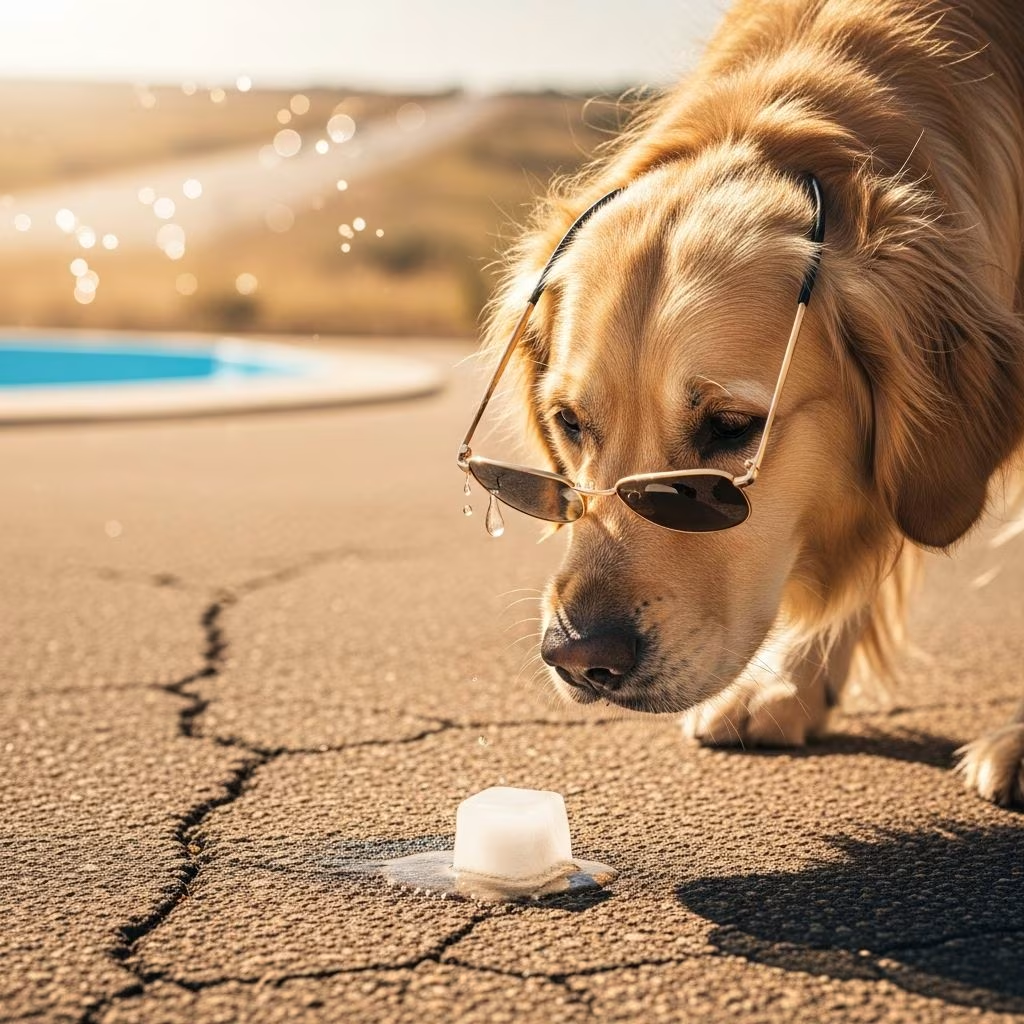
Summer can look like a dream season for dogs: more walks, more adventures, and more time outside. But many of the things people love about warm weather can be uncomfortable, confusing, or even dangerous for pups. Understanding what dogs actually hate about summer is the first step to keeping them safe, relaxed, and happy when the temperatures rise.
Below, you’ll find a dog-centered guide to common summer stressors, how they affect your pup’s body and behavior, and simple fixes that make the season more enjoyable for both of you.
Why Summer Is Hard on Dogs
Dogs experience the world differently from humans. Their cooling system, their paws, their hearing, and even their routine needs don’t line up with typical summer activities. That mismatch is what often turns a human’s favorite season into a dog’s least favorite.
- Limited cooling abilities: Dogs mainly cool themselves by panting and a small amount through their paw pads, making them more vulnerable to overheating than humans.
- Always-bare paws: Hot pavement and sand can burn paws quickly when surfaces heat up under strong sun.
- Super-sensitive hearing: Fireworks, outdoor concerts, and loud gatherings can be overwhelming to a dog’s ears and nervous system.
- Increased exposure: Longer days and more outdoor time mean more contact with pests, allergens, and environmental hazards like foxtails, standing water, or pools.
Once you see summer from your dog’s point of view, it becomes easier to spot what they dislike and adjust your plans accordingly.
1. Sweltering Heat and Humidity
High temperatures are at the top of the list of things dogs hate about summer. Heat doesn’t just make them uncomfortable; it can quickly become dangerous.
Dogs are particularly prone to heat stress and heatstroke because they do not sweat all over their bodies like humans. Instead, they rely primarily on panting to cool down, which is less efficient in very hot or humid conditions.
Why Heat Feels Worse to Dogs
- Panting can’t keep up when the air is very warm or humid.
- Certain breeds (such as Bulldogs, Pugs, and other flat-faced dogs) have shorter airways that make breathing and cooling off much harder.
- Senior dogs, puppies, and dogs with heart or respiratory disease are at higher risk of overheating even with moderate activity.
Warning Signs Your Dog Is Too Hot
| Early Signs | Serious Signs (Veterinary Emergency) |
|---|---|
| Excessive panting | Unsteady walking or collapse |
| Bright red tongue or gums | Vomiting or diarrhea |
| Seeking cool surfaces or shade | Seizures or loss of consciousness |
If you see serious signs, move your dog to a cool area and contact a vet immediately. Do not use ice-cold water; gradual cooling with cool (not cold) water and a fan is recommended by veterinary experts.
How to Make Heat More Bearable
- Walk during cooler times of day (early morning and late evening).
- Provide constant access to fresh, cool drinking water and shade when outdoors.
- Offer cooling mats, fans, or air conditioning indoors.
- Give frozen treats (like frozen broth cubes) or food-stuffed toys that have been chilled.
2. Hot Pavement and Sand
Dogs never get to put on shoes, which means their paws take the full impact of summer heat. Asphalt, concrete, decks, and sand can become hot enough to burn paw pads after just a few minutes.
A simple rule of thumb used by many veterinarians: if you can’t comfortably hold the back of your hand on the pavement for several seconds, it’s too hot for your dog’s paws.
Signs of Paw Pad Burn
- Reluctance to walk or sudden limping during a walk
- Red, darkened, or blistered paw pads
- Licking or chewing at the feet after going outside
Protection Tips
- Choose grassy routes or shaded paths whenever possible.
- Walk early or late in the day when surfaces are cooler.
- Use dog boots or paw wax formulated for protection on hot surfaces (introduce slowly so your dog can get used to them).
3. Overcrowded Parks and Social Overload
Summer often means crowded dog parks, outdoor cafes, and bustling trails. While some dogs thrive in busy environments, many find these scenes overwhelming.
- More dogs and people can mean more noise, unexpected touches, and less personal space.
- Higher arousal and excitement can lead to misunderstandings or scuffles between dogs.
- Shy or cautious dogs may shut down, refuse to move, or try to escape.
How to Tell Your Dog Needs a Break
- Body stiffening, tucked tail, or pinned-back ears
- Yawning, lip-licking, or turning the head away from other dogs
- Sudden disinterest in play, hiding behind you, or pulling toward the exit
Making Social Time More Comfortable
- Visit parks during off-peak hours or choose quieter locations.
- Keep social sessions shorter and end on a positive note.
- For introverted dogs, plan one-on-one playdates instead of large park visits.
4. Fireworks, Thunderstorms, and Loud Summer Events
Many dogs find summer’s soundscape terrifying. Fireworks, outdoor concerts, block parties, and storm season combine into a loud, unpredictable mix that can be genuinely distressing.
Noise phobias in dogs are common. Sudden, high-volume sounds can trigger fear responses, including panting, pacing, trembling, drooling, hiding, or attempts to escape. Veterinary behavioral experts confirm that loud noises like fireworks and thunder are frequent reasons for anxiety consultations in dogs.
Common Triggers
- Fourth-of-July fireworks or local celebrations
- Loud outdoor sporting events or concerts
- Summer thunderstorms with thunder and heavy rain
Ways to Reduce Sound Stress
- Create a quiet, cozy “safe room” with familiar bedding and toys.
- Use background noise (fan, white noise machine, or calm music) to dull outside sounds.
- Close windows and curtains to limit both sound and flashes.
- Talk to your veterinarian about anxiety-management options; some dogs benefit from behavior plans or, in severe cases, medication.
5. Being Left in Hot Cars or Unshaded Areas
One of the most dangerous things dogs experience in summer is being confined in hot spaces. Even on a mild day, the temperature inside a parked car can rise rapidly, leading to heatstroke and death. Animal welfare and veterinary organizations consistently warn against leaving dogs in vehicles in warm weather, even with windows cracked.
Why Dogs Hate Cars in Summer
- Temperatures inside cars can rise by more than 20 °F in 10–20 minutes, even with windows partially open.
- Dogs cannot escape if they begin to overheat or panic.
- Metal crates or unshaded cargo areas also trap heat.
Safe Alternatives
- Leave dogs at home with fans or air conditioning if you need to run errands.
- If they must travel, bring them with you when you exit the car and plan dog-friendly stops.
- On road trips, stop frequently, offer water, and never leave them unattended in a vehicle.
6. Pests: Fleas, Ticks, and Mosquitoes
Dogs do not enjoy being a summertime buffet for parasites. Warmer months bring an uptick in fleas, ticks, and mosquitoes, which can transmit serious diseases, including Lyme disease, ehrlichiosis, anaplasmosis, and heartworm infection.
Why Pests Are a Summer Nuisance
- Fleas cause intense itching, skin infections, and can lead to flea allergy dermatitis.
- Ticks carry multiple pathogens that can affect dogs in many regions, not just the Northeast.
- Mosquitoes transmit heartworm, a potentially life-threatening disease that affects the heart and lungs.
Protection Strategies
- Use vet-recommended flea and tick preventives year-round or during high-risk seasons.
- Keep grass in your yard short and avoid heavily wooded or overgrown areas when parasites are most active.
- Check your dog’s coat and skin thoroughly after hikes or time in tall grass.
- Talk to your vet about heartworm prevention; monthly medications are widely recommended in many regions.
7. Sunburn and Skin Irritation
Dogs with light-colored fur, thin coats, or exposed skin (like the nose, ears, and belly) can get sunburned. Prolonged sun exposure may lead to painful burns and increases long-term risk for certain skin cancers, according to veterinary dermatology sources.
Dogs Most at Risk
- White or light-colored dogs
- Short-coated breeds
- Dogs with shaved areas or hair loss from medical conditions
Preventing Sun-Related Discomfort
- Provide plenty of shade during mid-day hours.
- Use dog-safe sunscreen on vulnerable areas (nose, ears, and other exposed skin), following your vet’s recommendations.
- Avoid shaving double-coated dogs; their coat often helps insulate both against heat and sun when properly groomed.
8. Overgrooming, Shaving, and Uncomfortable Styling
Many people assume that shaving a dog for summer automatically makes them cooler. In reality, removing too much coat can make some dogs less comfortable and more vulnerable to sunburn and skin irritation.
Why Some Dogs Hate Summer Grooming
- Sudden changes in coat length can alter how heat and sunlight reach the skin.
- Clippers used too closely may irritate sensitive skin.
- Loud dryers, long grooming sessions, and new environments can be stressful for anxious dogs.
Smart Summer Grooming
- Work with a groomer or vet to determine whether your dog’s coat should be trimmed or simply thinned and brushed.
- Brush regularly to remove loose undercoat, which improves air circulation through the fur.
- Introduce grooming tools gradually with treats to make sessions more positive.
9. Schedule Shake-Ups and Travel Stress
Summer often changes household routines: vacations, visitors, kids home from school, or long weekend trips. While this may be fun for humans, dogs often find constant change unsettling.
- Unpredictable mealtimes or walks can create anxiety.
- Boarding, pet sitters, or new environments may feel confusing or scary to routine-loving dogs.
- Long car rides or flights can cause motion sickness or stress.
Keeping Summer Routines Dog-Friendly
- Maintain consistent feeding and walking times whenever possible.
- Practice short car trips and visits to new places well before big vacations.
- Introduce dogs to sitters, boarding facilities, or new family members gradually, with plenty of positive reinforcement.
10. Boredom When It’s Too Hot to Play
Ironically, one of the things dogs hate most about hot weather is that it often keeps them from doing what they love: moving, sniffing, and exploring. When it’s too hot to go out for long walks or play sessions, dogs can become restless or frustrated.
Signs of Summer Boredom
- Increased barking or whining
- Chewing household items or inappropriate digging
- Following you around the house, unable to settle
Cool Ways to Beat Boredom Indoors
- Use puzzle feeders or food-dispensing toys for meals.
- Play scent games such as “find the treat” in different rooms.
- Teach new tricks or practice cues in short, upbeat sessions.
- Offer safe indoor play like gentle tug or hiding toys for your dog to seek.
Summer Comfort Checklist for Dogs
Use this quick checklist to keep track of common summer issues your dog might hate and how you plan to address them.
| Summer Stressor | Dog-Friendly Fix |
|---|---|
| High heat and humidity | Cooler walk times, shade, water, indoor cooling |
| Hot pavement | Test with your hand, use grass routes or boots |
| Fireworks and storms | Safe room, sound masking, vet-guided anxiety help |
| Pests and parasites | Preventive medications, yard management, tick checks |
| Sunburn and overgrooming | Shade, dog-safe sunscreen, coat-appropriate grooming |
| Routine disruption | Consistent schedules, gradual travel practice |
| Indoor boredom | Puzzle toys, training games, scent activities |
Frequently Asked Questions (FAQs)
Q: How hot is too hot for my dog in summer?
A: There is no single safe temperature for every dog, but veterinary experts advise extra caution once temperatures rise above roughly 80 °F (27 °C), especially in direct sun or high humidity. If you feel uncomfortable standing outside, your dog likely does too. Always provide shade, water, and limit exertion in heat.
Q: Can I shave my dog to keep them cooler?
A: It depends on the coat type. Many double-coated breeds are not good candidates for full shaving; their fur helps insulate against both heat and sun when properly maintained. Instead of shaving, regular brushing and appropriate trimming recommended by a groomer or veterinarian usually work better.
Q: What is the safest time of day to walk my dog in summer?
A: Early mornings and late evenings are usually safest, when air and ground temperatures are cooler and the sun is less intense. Always check pavement temperature with your hand and watch your dog for signs of fatigue or overheating.
Q: How can I tell if my dog is stressed by fireworks?
A: Common signs include pacing, panting, trembling, drooling, hiding, trying to climb into your lap, or attempting to escape. Some dogs may bark excessively or become unusually clingy. If your dog reacts this way, provide a safe, quiet space and speak with your vet about additional support.
Q: Do dogs need sunscreen?
A: Some do. Dogs with light skin, thin coats, or exposed areas (like the nose, ears, and belly) may benefit from a pet-safe sunscreen applied to vulnerable spots. Always use products designed for animals or specifically approved by your veterinarian, as human sunscreens can contain ingredients that are toxic if licked.
References
- Hot Cars and Loose Dogs: Animal Cruelty FAQs — American Veterinary Medical Association (AVMA). 2023-06-01. https://www.avma.org/resources-tools/avma-policies/hot-cars-and-loose-dogs-animal-cruelty-faqs
- Sun Protection for Pets — American Academy of Dermatology Association. 2022-05-10. https://www.aad.org/public/everyday-care/sun-protection/pets
- Summer Safety Tips for Pet Owners — U.S. Food & Drug Administration (FDA). 2022-07-14. https://www.fda.gov/consumers/consumer-updates/summer-safety-tips-pet-owners
- Grooming the Double-Coated Dog — American Kennel Club (AKC). 2021-06-15. https://www.akc.org/expert-advice/health/grooming-double-coated-dog/
- Summer Hazards for Pets — American Society for the Prevention of Cruelty to Animals (ASPCA). 2023-05-20. https://www.aspca.org/news/summer-hazards-pets



