

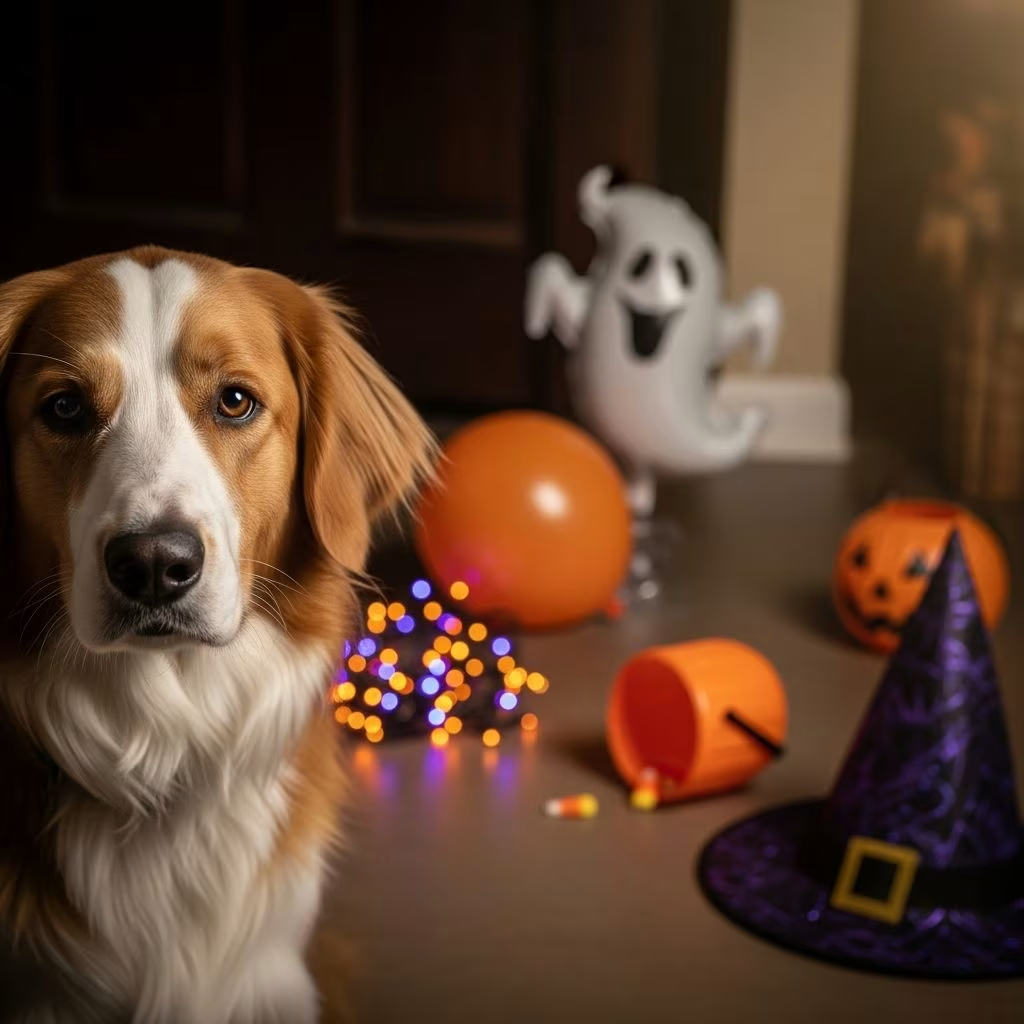
Halloween is a thrilling time for humans, filled with costumes, candy, and spooky decorations. But for dogs, this holiday can be overwhelming and downright scary. Strange sights, unfamiliar sounds, constant doorbell rings, and excited crowds trigger anxiety in many pups. Understanding what stresses your dog helps you prepare effectively, keeping them safe and calm. This guide covers the top 7 things dogs hate about Halloween, backed by expert insights from certified trainers and behaviorists, plus practical training tips to make the night enjoyable.
1. Doorbell Drama: Endless Rings and Knocks
The relentless doorbell ringing and knocking from trick-or-treaters is a major stressor for dogs. Many associate these sounds with intruders, prompting barking, lunging, or hiding. This reactive behavior stems from their protective instincts, but it heightens anxiety as the night progresses.
Proactive training like settle mat exercises can counter this. Certified trainer James from Dog Star Daily recommends starting with a mat cue: Place a mat near the door, reward your dog for stepping on it with treats, and gradually add doorbell sounds. Progress to whistling or verbal cues like ‘mat’ while ringing the bell, rewarding calm stays. Desensitization is key—play doorbell recordings at low volume, increasing gradually to build tolerance.
- Step 1: Teach ‘mat’ without noises—reward contact and stays.
- Step 2: Add distance; cue from afar.
- Step 3: Pair with real doorbell; backtrack if overwhelmed.
On Halloween night, manage by crating with a stuffed chew toy in a quiet room, using white noise to muffle sounds.
2. Costumed Strangers: Masked Monsters at the Door
Dogs rely on facial cues and scents to recognize people. Halloween masks, hoods, and full-body costumes obscure these, turning familiar neighbors into terrifying unknowns. Sudden appearances of witches, ghosts, or superheroes can provoke fear responses like cowering or aggression.
Behaviorist Joe Nutkins advises letting your dog observe you donning costumes from a safe distance. Allow retreat if signs of stress appear—lip licking, yawning, wide eyes, or pinned ears. For socialization, young puppies benefit from controlled exposures before the big night, but avoid overwhelming adolescents prone to fear.
Simple prep: Show costumes gradually, pair with treats, and never force interaction. Reading body language prevents escalation—back away if your dog shows discomfort.
3. Loud Noises and Crowds: Spooky Sounds Overload
Shrieking laughter, party music, fireworks (in some areas), and rowdy groups bombard sensitive dog ears. Crowds of costumed kids amplify this, creating chaos dogs interpret as threats. Panting, trembling, drooling, or hiding signal stress.
Desensitize with apps playing crowd noises or laughter at low levels, rewarding calm. Interruption techniques work wonders: Rustle a treat bag or squeak a toy to redirect attention, then reward and engage in play or tricks. Teach a ‘thank you’ cue—acknowledge their alert with praise, then redirect to a toy or garden sniff.
4. Dressing Up: Costumes They Can’t Stand
Most dogs despise wearing costumes. Tight fabrics around their midriff mimic restraint or scolding from pack leaders, causing stress. Head-covering outfits block vision and smell, their primary senses.
“To a dog, a costume fitting tight around the dog’s midriff and back might reproduce that ancestral feeling of being scolded by a more powerful dog,” says Dr. Alexandra Horowitz.
Opt for minimal, neck-only accessories like bow ties if dressing up. Test tolerance: Ensure free movement, no face coverage, and soft materials. Skip full outfits—try baby powder stripes for a skunk or skeleton on dark-coated dogs. Gauge reactions; many prefer spectating as their ‘cat costume’ for laughs without discomfort.
5. Toxic Temptations: Candy and Chocolate Hazards
Dropped chocolates, xylitol-sweetened candies, and wrappers litter floors, posing poisoning risks. Dogs scavenge eagerly, leading to vomiting, seizures, or worse. Raisins, grapes in trail mixes, and fatty treats cause pancreatitis.
Prevention: Secure candy bowls high up, sweep frequently, and keep dogs crated or leashed. Educate trick-or-treaters: ‘Pet allergies—no treats for the dog!’ Train ‘leave it’ commands pre-holiday for emergencies.
6. Decorations: Spooky Sights and Slippery Traps
Pumpkins, cobwebs, fake spiders, and glowing eyes startle dogs. Slippery fake snow, cords, and fake graves invite slips or chewing hazards. Motion-activated noises compound fear.
Socialize puppies early with decorations—let them sniff safely, pairing with play. For fearful dogs, confine away from setups. Remove ingestible items; secure cords to avoid electrocution.
7. Disruptions to Routine: No Peaceful Evenings
Dogs thrive on predictability. Late nights, constant interruptions, and family focus shifts unsettle them, amplifying other stressors. Maintain normalcy: Feed and walk on schedule, provide quiet downtime.
Expert tip: Use the night for management—settle in crates with long-lasting chews, maintaining routine amid chaos.
Training Tips for a Stress-Free Halloween
Start early: Use settle mats, desensitization, and interruptions. For puppies, leverage novel exposures for confidence-building. Older dogs need gradual desensitization to avoid worsening fears.
| Training Method | Best For | Steps |
|---|---|---|
| Settle Mat | Doorbell Reactivity | 1. Reward mat contact 2. Add cue/distance 3. Pair with bell |
| Desensitization | Noises/Costumes | 1. Low-volume sounds 2. Gradual increase 3. Reward calm |
| Interruption | Barking/Alerting | 1. Noise/toy redirect 2. Praise & engage 3. Release with ‘all done’ |
Frequently Asked Questions (FAQs)
Can all dogs wear Halloween costumes?
No, most dogs find costumes uncomfortable or stressful. Choose minimal, non-restrictive options and monitor for stress signs like lip licking or avoidance.
How do I stop my dog from barking at the doorbell?
Train a settle mat or use interruption: Redirect with a toy or treat sound, reward calm, and practice desensitization with recordings.
Is it safe to take my dog trick-or-treating?
Only if well-socialized and calm in crowds. Otherwise, keep home in a quiet space to avoid chocolate hazards and stress.
What if my dog seems scared of decorations?
Remove access, desensitize gradually with positive associations, or confine to a safe room during parties.
How can I thank my dog for alerting me?
Use a ‘thank you’ cue: Acknowledge their bark, praise, then redirect to play or another activity.
Final Tips for Pet Parents
Observe your dog’s signals—yawning, trembling, or hiding means intervene. Prioritize safety over festivities. With prep, Halloween can build confidence rather than fear. Happy, safe haunting!
References
- Dog Halloween Training Tips — Kinship.com. 2023. https://www.kinship.com/uk/dog-behaviour/dog-halloween-training-tips
- Don’t Let Your Pup Get Spooked This Halloween — Dog Star Daily (James Serpell). 2023. https://www.dogstardaily.com/blogs/james-lu-dunbar/dont-let-your-pup-get-spooked-halloween
- Do Dogs Like Wearing Halloween Costumes? — Kinship.com (Karen B. London, PhD). 2023. https://www.kinship.com/dog-behavior/do-dogs-like-wearing-costumes
- DON’T Do These Things To Your DOG this HALLOWEEN! — YouTube (Pet Expert Channel). 2023. https://www.youtube.com/watch?v=TVcT9MNCLys
- Dog Behavior & Body Language — Kinship.com. 2023. https://www.kinship.com/dog-behavior/behavior-body-language



