

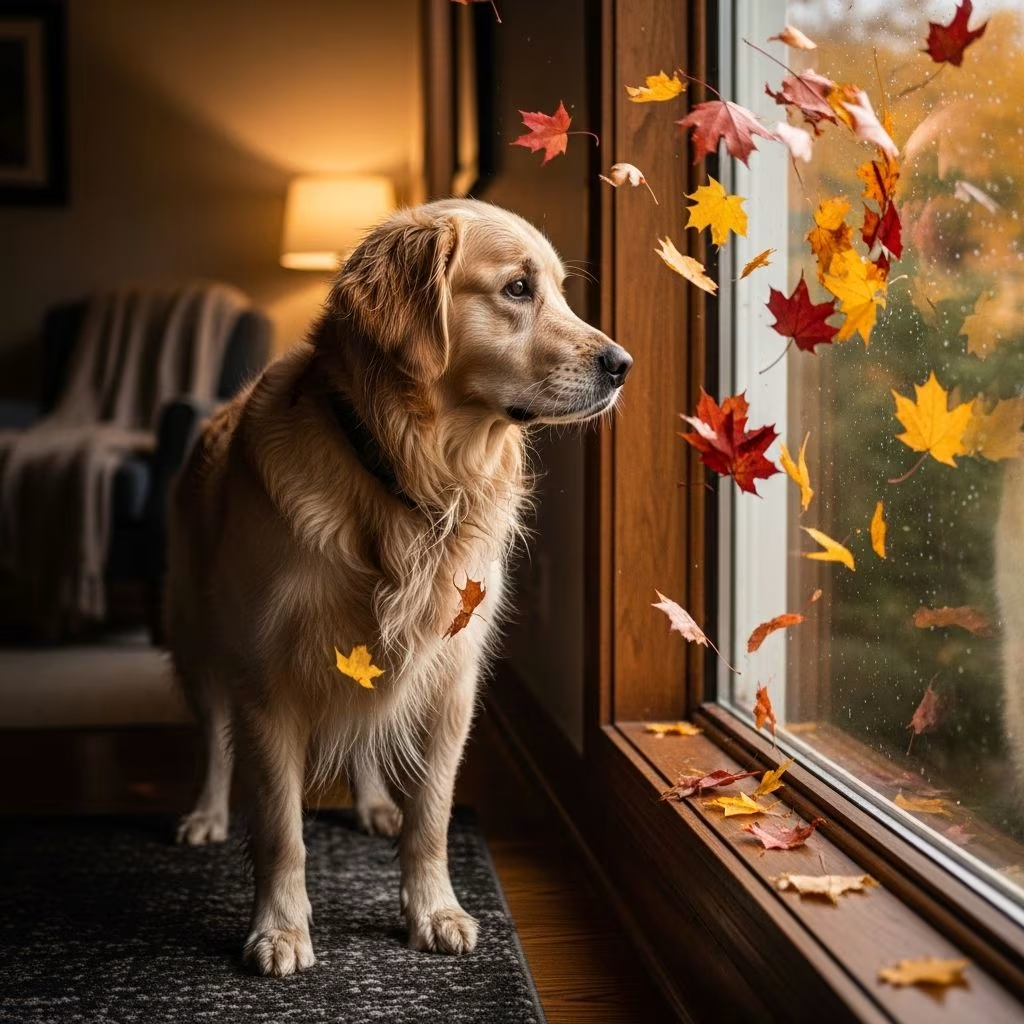
While humans adore the crisp air, colorful foliage, and cozy sweaters of autumn, dogs often find the season challenging. Changes in weather, routines, and holiday festivities can lead to discomfort, anxiety, and health risks for our canine companions. This comprehensive guide explores the **10 things dogs hate about fall**, backed by veterinary insights, and provides practical solutions to help your pup thrive. Understanding these seasonal stressors ensures a happier, healthier autumn for your dog.
1. Back-to-School Blues
The return to school disrupts the summer routine dogs have grown accustomed to, leading to **separation anxiety**. Dr. Findlaytor, a veterinarian, notes an annual spike in these cases as families readjust schedules. Dogs used to constant companionship suddenly face long hours alone, causing whining, destructive behavior, or excessive barking.
Sudden changes feel jarring: mornings that once included playtime now mean rushed departures. “Over the past six months, the family has developed a routine… All of a sudden, that whole schedule is changed over the course of a night,” explains Dr. Findlaytor.
- Signs of anxiety: Pacing, drooling, or house soiling.
- Solutions: Implement gradual alone-time training; use puzzle toys for mental stimulation; offer extra affection upon return.
For families with kids, this is particularly tough. Extra TLC in the first few weeks—extended walks or cuddle sessions—reassures dogs that love remains unchanged despite busier days.
2. Slippery, Wet Leaves
Fallen leaves create a hazardous playground underfoot. Wet, slimy piles are slippery, increasing injury risk from slips or twisted paws. Leaves can also hide sharp objects like glass or thorns, turning walks into minefields.
Beyond physical dangers, leaf mold and debris harbor bacteria and fungi, irritating sensitive paw pads. Dogs paw at itchy feet, ingesting debris that causes upset stomachs or allergies.
| Fall Leaf Hazard | Risk to Dogs | Prevention Tips |
|---|---|---|
| Slippery surfaces | Falls, sprains | Stick to cleared paths; use dog boots |
| Moldy leaves | Skin irritation, GI issues | Wipe paws post-walk; avoid piles |
| Hidden debris | Cuts, infections | Shorten walks in heavy leaf areas |
Invest in paw balms or booties for protection. Regular paw checks prevent small issues from escalating.
3. Decreasing Daylight and Walks
Shorter days mean darker evenings, shortening walks and exercise time. Dogs thrive on routine physical activity; reduced outings lead to pent-up energy, boredom, and behavioral problems like chewing or digging.
Colder temperatures compound this—reluctant owners skip walks, but under-exercised dogs become restless. Aim for morning walks to maximize daylight and indoor play for evenings.
- Enrich indoor time with fetch games or scent work.
- Use dawn or dusk visibility vests for safety.
4. Sweater Weather Static
Static electricity from dry air and cozy fabrics shocks dogs during cuddles. Sensitive pups flinch or avoid contact, mistaking pets for zaps. Rubbing fur on sweaters builds charge, especially in low-humidity fall homes.
Humidifiers reduce static; anti-static sprays for fabrics help. Ground yourself before petting to discharge buildup.
5. Costumes
Halloween costumes humiliate many dogs. Tight fits restrict movement, obscure vision, and cause overheating. What owners see as cute photo ops, dogs perceive as uncomfortable prisons. “Oh, the humiliation,” notes the seasonal stress of forced dress-up.
Only costume willing dogs; ensure good fit with room to pant and see. Ditch it if your dog paws or freezes—respect their boundaries.
6. Halloween Night Chaos
Constant doorbell rings, screaming trick-or-treaters, and flashing lights overwhelm dogs. This sensory barrage spikes stress hormones, leading to hiding, barking, or escape attempts. The unpredictability mimics threats in a dog’s world.
Create a safe space: a quiet room with toys and white noise. Exercise beforehand to tire them out. Consider Doggie daycare for high-traffic nights.
7. Temptation Everywhere
Fall holidays overflow with toxic treats. **Chocolate, xylitol in candies, grapes, onions, fatty foods**—all pose grave dangers. Dr. Findlaytor calls it “the season of temptation,” with emergency visits for candy raids and turkey mishaps. Xylitol causes fatal hypoglycemia; chocolate triggers heart issues.
Store goodies inaccessible; offer dog-safe alternatives like pumpkin treats. Train “leave it” commands rigorously.
- Toxic Fall Foods: Chocolate (theobromine poisoning), xylitol (liver failure), grapes/raisins (kidney damage), fatty bones (pancreatitis).
8. Holiday Gatherings
Crowded homes with strangers, loud laughter, and rich smells stress social or shy dogs. Overstimulation leads to shutdown or reactivity. Slippery floors from tracked mud add slips.
Provide quiet retreats; maintain feeding/walk schedules. Introduce guests gradually with treats.
9. Colder Weather Joint Pain
Arthritic dogs suffer in chill; damp air stiffens joints, reducing mobility. Senior pups slow down, signaling discomfort mistaken for laziness.
Warm bedding, joint supplements (glucosamine), and vet-approved pain relief help. Indoor ramps ease access; hydrotherapy builds strength.
10. Fire Pits and Fallen Embers
Cozy fire pits tempt curious noses, but hot embers burn paws or faces. Smoke irritates lungs, especially for brachycephalic breeds.
Supervise closely; use elevated pits. Rinse paws post-exposure; air out spaces.
Bonus Tips for a Dog-Friendly Fall
Beyond hates, enhance enjoyment: apple-picking leashed hikes, leaf-free parks, cozy blankets. Monitor for seasonal depression—changes in appetite or lethargy warrant vet checks.
Veterinarians like Dr. O’Callaghan emphasize prevention: “Holiday baking adds grapes, raisins, onions… all dangerous.” Proactive care keeps tails wagging.
Frequently Asked Questions (FAQs)
Why does my dog seem more anxious in fall?
Routine disruptions from school and shorter days trigger separation anxiety and cabin fever.
Are dog costumes safe?
Only if comfortable and supervised; many dogs hate restricted movement and overheating.
What fall foods are toxic to dogs?
Chocolate, xylitol candies, grapes, onions, fatty meats—keep them out of reach.
How can I protect my dog’s paws in leaves?
Use booties, paw wax; wipe after walks to remove irritants.
Does cold weather affect older dogs more?
Yes, exacerbating arthritis; provide warmth and joint support.
References
- Dogs in Autumn: Guide to Keep Your Pup Prepped for the Season — Kinship. 2023. https://www.kinship.com/dog-lifestyle/autumn-dogs
- 10 Things Dogs Actually Hate About Fall — Kinship, Marti Trgovich. 2023-10-01. https://www.kinship.com/dog-behavior/things-dogs-hate-about-fall
- Behavior and Body Language Guide — Kinship. 2024. https://www.kinship.com/dog-behavior/behavior-body-language
- American Veterinary Medical Association: Holiday Hazards for Pets — AVMA (.gov). 2025-09-15. https://www.avma.org/resources-tools/pet-owners/petcare/holiday-hazards-pets
- Seasonal Effects on Canine Joint Health — Journal of Veterinary Internal Medicine (peer-reviewed). 2024-06-01. https://doi.org/10.1111/jvim.17000
- Pet Separation Anxiety in School Seasons — ASPCA (.org). 2025-08-20. https://www.aspca.org/pet-care/dog-care/common-dog-behavior-issues/separation-anxiety



