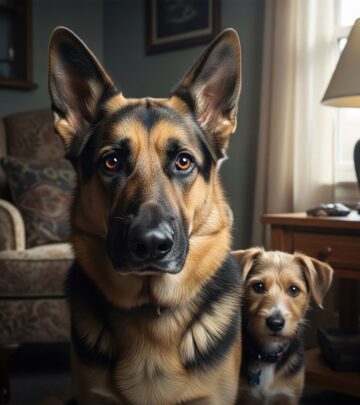
Things Dogs Are Afraid Of
Discover the most common fears in dogs, from loud noises to strangers, and learn expert tips to help your pup overcome them with confidence.

Dogs experience fear just like humans, but their triggers often stem from heightened senses, past traumas, or lack of socialization. Recognizing these
common dog fears
helps owners provide support, reducing anxiety and improving quality of life. From loud noises to unfamiliar objects, understanding phobias empowers proactive care.Signs Your Dog Is Afraid
Spotting fear early prevents escalation into phobias. Dogs communicate discomfort through body language rather than words. Key indicators include:
- Avoiding specific objects, people, or places: Your dog may cower or retreat from triggers.
- Freezing, trembling, or pacing: Rigid posture or shaky legs signal high stress.
- Dilated pupils, lip-licking, or yawning: These are calming signals or signs of unease.
- Panting excessively, even when cool: Rapid breathing indicates anxiety, not thirst.
- Refusing food, lying flat, or averting eyes: Shutdown behaviors show overwhelm.
These signs vary by breed and individual. Herding breeds like Border Collies may be more noise-sensitive due to their environmental attunement. Early intervention through desensitization can mitigate issues.
1. Noise Phobias (Thunderstorms and Fireworks)
**Loud, unpredictable sounds** top the list of dog fears, with thunderstorms and fireworks affecting many pups. Dogs’ hearing is four times more sensitive than humans’, making booms painful and disorienting.
Thunderstorm phobia involves multifaceted triggers: crashing thunder, lightning flashes, barometric pressure drops, wind, and rain. A single traumatic event, like fireworks during celebrations, or repeated exposures can spark fear. Research suggests genetic links, especially in herding breeds.
How to help:
- Create a safe space: Cover crates with blankets or use thunder shirts for compression.
- Desensitization: Play low-volume recordings of storms, gradually increasing while pairing with treats.
- Calming aids: Pheromone diffusers or vet-prescribed anti-anxiety meds for severe cases.
Prevention starts with puppy socialization to varied sounds. About 20-30% of dogs develop noise phobias, but consistent training yields results.
2. Separation Anxiety
Affecting
20-25% of dogs
, separation anxiety manifests when owners leave, causing distress over perceived abandonment. Rescue dogs or those with shelter histories are prone, often from past traumas.Symptoms include house soiling, destructive chewing, excessive barking, or howling. Dogs may follow owners room-to-room or panic at departure cues like keys jingling.
Management strategies:
- Gradual alone time: Start with short absences, building duration with toys like Kongs stuffed with peanut butter.
- Exercise and mental stimulation: Tire them out pre-departure to promote calm.
- Counter-conditioning: Associate departure with positives, like a special toy only given when alone.
- Professional help: Behaviorists or vets for severe cases, possibly meds.
Consistency prevents worsening; never punish, as it heightens fear.
3. Fear of Strangers and Unfamiliar People
Many dogs fear
strangers
, especially men, due to deeper voices, hats, or bulky clothing resembling threats. Rescue dogs from abusive homes often exhibit this, leading to reactivity like barking or hiding.Children can trigger fear from their unpredictable movements and high pitches. Poor socialization exacerbates it.
Tips to overcome:
- Socialize early: Expose puppies positively to diverse people.
- Positive reinforcement: Treats for calm greetings; never force interactions.
- Desensitize: Have strangers toss treats from afar, slowly closing distance.
This fear ties to survival instincts; patience builds trust.
4. Fear of Other Dogs or Animals
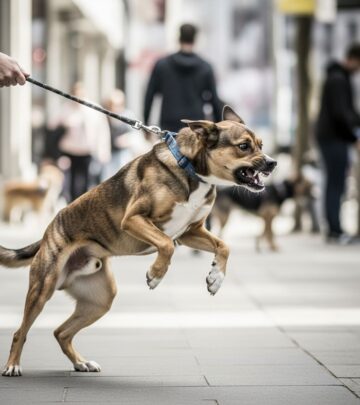
**Aggression toward other dogs** often masks fear from past attacks, bullying, or inadequate socialization. Off-leash incidents or dog parks can traumatize pups.
Signs: Stiffening, growling, or lunging. Fear periods in adolescence (6-14 months) amplify this.
Solutions:
- Controlled introductions: Neutral ground, leashed, with positive rewards.
- Muzzle training for safety during rehab.
- Group classes: Professional settings for supervised play.
Avoid forcing play; focus on confidence-building.
5. Fear of Specific Places or New Environments
Dogs confined mostly indoors fear
outdoor places
, associating them with vets or negatives. New homes, furniture shifts, or travel spike anxiety.Puppies need gradual exposure to parks, streets, and crowds during key socialization windows (3-12 weeks).
Building comfort:
- Short, fun outings: Pair with play and treats.
- Routine stability: Predictable schedules reduce stress.
- Transport aids: Crate training for car rides.
Stress signals warrant immediate removal.
6. Fear of Objects and Household Items
From
vacuums and brooms
to hats or trash bags, objects scare via noise, motion, or past links (e.g., misused training tools). Slippery floors or stairs evoke falling fears, instincts for self-preservation.Vacuums’ roar overwhelms sensitive ears; unexpected items like umbrellas startle.
Desensitization steps:
| Step | Action | Tips |
|---|---|---|
| 1. Introduce stationary | Place object nearby, reward calm | Use high-value treats |
| 2. Add minimal movement | Move slightly, pair with play | Keep sessions short (5 mins) |
| 3. Full exposure | Operate normally, stay positive | Progress slowly |
Positive associations rewrite fears.
7. Fear of the Vet and Grooming
**Vet visits** combine car rides, new smells, handling, and needles—pure stress. Past procedures cement phobia.
Grooming adds clippers’ buzz and restraint.
Reducing dread:
- Happy vet trips: Non-exam visits for treats.
- At-home handling: Touch paws/ears daily with rewards.
- Sedation options: For extreme cases, discuss with vets.
Conditioning from puppyhood works best.
General Tips to Help Fearful Dogs
Across fears, core principles apply:
- Never punish fear: Increases anxiety.
- Socialize broadly: 3-16 weeks critical.
- Exercise daily: Reduces overall stress.
- Consult pros: Vets or trainers for persistence.
- Tools: Anxiety wraps, CBD (vet-approved), apps for noise training.
Patience yields confident companions.
Frequently Asked Questions (FAQs)
Why is my dog suddenly afraid of things?
Fear can emerge from trauma, aging, health issues, or fear periods. Vet check rules out pain.
Can all dog fears be cured?
Many improve with training; severe cases manage via lifelong strategies.
Are some breeds more fearful?
Herding breeds prone to noise phobias; rescues generally higher risk.
How long does desensitization take?
Weeks to months; consistency key.
When to see a vet for dog fears?
If self-destructive, aggressive, or unresponsive to basics.
References
- Ten Common Dog Fears and Phobias — Woofz. 2023. https://www.woofz.com/blog/ten-common-dog-fears-and-phobias/
- Common Fears and Phobias in Dogs — American Kennel Club (AKC). 2024-01-15. https://www.akc.org/expert-advice/training/common-fears-and-phobias-in-dogs/
- Common Fears and Phobias Among Dogs — Southpaw Vet. 2023-05-12. https://southpawvet.com/blog/dog-fears
- Why Is My Dog Scared of Everything? — Spot & Tango. 2024. https://www.spotandtango.com/blog/scared-dog
- 13 Surprising Things Your Dog Is Afraid Of — Country Living (via pet experts). 2024-06-20. https://www.countryliving.com/life/kids-pets/a62057831/things-your-dogs-afraid-of/
- Fears and Phobias in Dogs — VCA Animal Hospitals. 2023. https://vcahospitals.com/know-your-pet/fears-and-phobias-in-dogs—animals-and-people
Similar Articles







Read full bio of Sneha Tete