

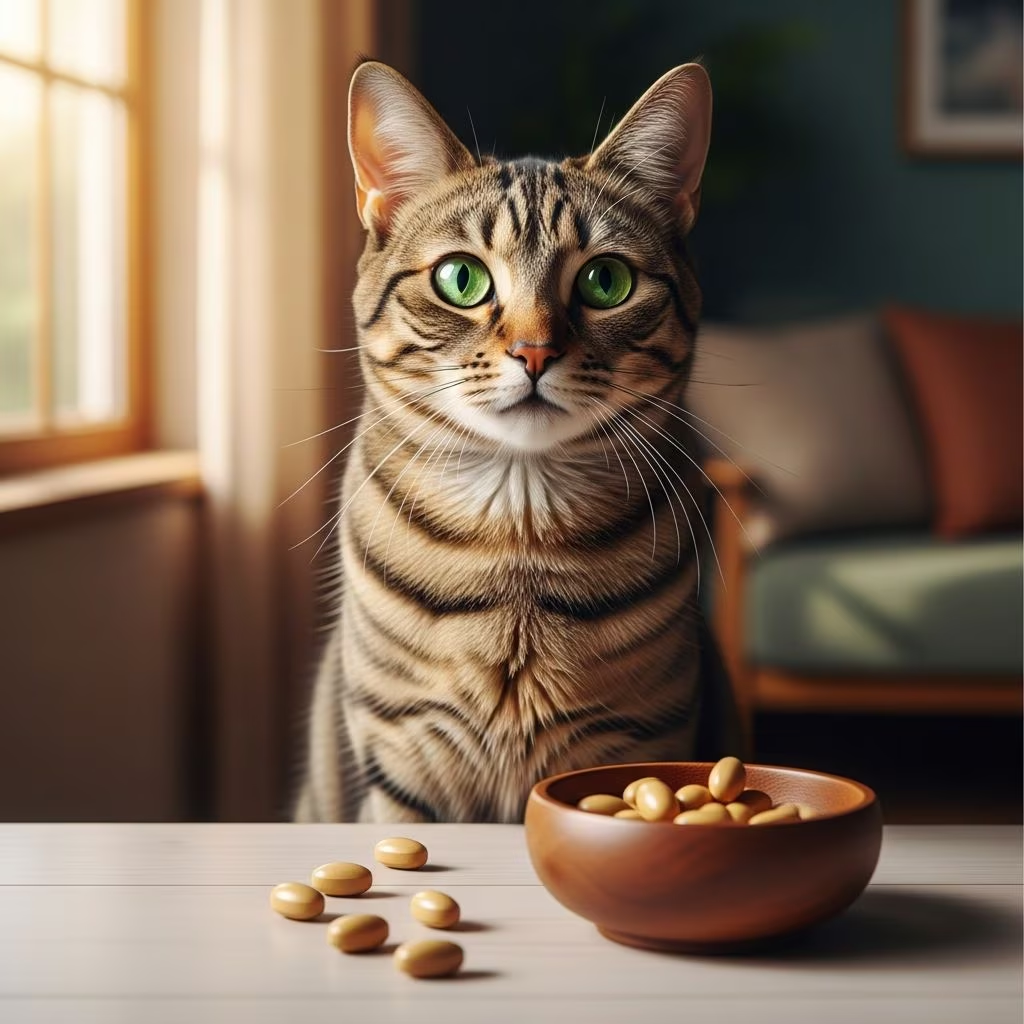
Thiamine, known as vitamin B1, plays a critical role in feline metabolism, energy production, and nerve function. Cats require significantly higher amounts of this water-soluble vitamin compared to other pets, making dietary sources essential for their well-being.
Why Cats Need More Thiamine Than Other Animals
Felines are obligate carnivores with unique nutritional demands. Unlike dogs, cats cannot synthesize thiamine and need about three to four times more per kilogram of food—specifically, the Association of American Feed Control Officials (AAFCO) mandates at least 5.6 mg per kg of dry matter in adult cat food. This elevated requirement stems from their high-protein diet and rapid metabolism of carbohydrates, which increases thiamine utilization.
Thiamine facilitates the conversion of food into usable energy, supports healthy brain and heart function, and aids neurotransmitter production. Without adequate levels, cats face severe health risks, as their bodies do not store large reserves of this vitamin.
Common Food Sources Rich in Thiamine for Felines
Incorporating thiamine-rich ingredients ensures balanced nutrition. While commercial cat foods are formulated to meet AAFCO standards, understanding natural sources helps owners make informed choices.
- Animal Proteins: Pork, beef, and fish top the list as primary thiamine providers. Liver, heart, and kidneys are particularly dense in B1, aligning perfectly with a cat’s carnivorous needs.
- Whole Grains: Brown rice, oats, and maize offer reliable plant-based thiamine, though cats should derive no more than 10% of calories from carbs to avoid imbalances.
- Legumes and Nuts: Cooked lentils, beans, and select nuts contribute modestly but must be unseasoned and minimal to suit feline digestion.
- Other Boosters: Brewer’s yeast, dairy products like milk, eggs, and certain vegetables provide supplementary amounts.
| Food Source | Thiamine Density | Best Use in Cat Diet |
|---|---|---|
| Pork/Beef/Liver | High | Main protein ingredient |
| Fish (cooked) | High | Occasional treat |
| Whole Grains (oats/rice) | Moderate | Small portions in kibble |
| Legumes (cooked lentils) | Moderate | Minimal, in commercial foods |
| Brewer’s Yeast | High | Supplement if vet-approved |
Opt for foods listing meats first on labels, as they deliver thiamine alongside essential proteins.
Recognizing Thiamine Deficiency: Early Warning Signs
Deficiency develops quickly without consistent intake, often within weeks. Initial symptoms include reduced appetite, lethargy, and weight loss. As it progresses, cats exhibit neurological issues like ataxia (wobbling gait), seizures, dilated pupils, and vestibular disturbances—such as circling or head tilting.
Severe cases lead to heart failure, coma, or death if untreated. Anorexic cats or those on unbalanced diets are especially vulnerable. Prompt veterinary intervention with thiamine injections can reverse early stages effectively.
Risks from Improper Diets and Processing
Not all foods deliver promised thiamine. High-heat canning destroys up to 34% over 18 months of storage, and sulfite preservatives inactivate it. A study of 90 U.S. canned cat foods found 13-15% below AAFCO/NRC levels despite label claims.
- Raw Fish Dangers: Species like herring, cod, and carp contain thiaminase enzymes that degrade thiamine, risking deficiency in raw-food enthusiasts.
- Homemade or Alternative Diets: Vegetarian, high-carb, or raw regimens often fall short without precise supplementation.
- Other Factors: Medications (e.g., diuretics), gastrointestinal diseases, or excessive cereal/soy intake exacerbate losses.
Stick to AAFCO-approved commercial options or vet-formulated homemade recipes with nutritional analysis.
Meeting Daily Thiamine Requirements
Adult cats need 5.6 mg/kg dry matter daily, scaling with food intake—not body weight. Kittens and pregnant queens require more. Most quality kibble and wet foods meet this, but verify labels.
For at-risk cats, veterinarians may recommend B-complex supplements, tablets, or injectables. Always consult a professional before adding extras, as thiamine is safe but excesses are unnecessary in balanced diets.
Safe Feeding Practices to Prevent Shortages
Prevent deficiency through variety and freshness:
- Choose human-grade, meat-first foods rotated regularly.
- Avoid all-raw-fish diets; cook fish thoroughly to neutralize thiaminase.
- Store food properly to minimize degradation—cool, dry places away from light.
- Monitor for symptoms and transition slowly if changing diets.
- For homemade meals, use recipes with proven thiamine analysis.
Veterinary liquid diets generally suffice for critical care.
Supplementation: When and How
Supplements are for diagnosed deficiencies or high-risk cases, not routine use. Forms include orals, injectables, and B-vitamins. Thiamine’s water-soluble nature prevents overdose toxicity.
Recent recalls highlight vigilance—check FDA alerts for low-thiamine products.
Frequently Asked Questions (FAQs)
Can cats get too much thiamine?
No, as a water-soluble vitamin, excess is excreted safely.
Is raw fish safe for thiamine intake?
No—thiaminase destroys B1; always cook fish.
How do I know if my cat food has enough thiamine?
Look for AAFCO statements guaranteeing complete nutrition.
What are the first signs of thiamine deficiency?
Anorexia, poor coordination, and circling behavior.
Should I supplement my cat’s diet?
Only if vet-recommended; balanced foods suffice.
Conclusion: Prioritize Thiamine for Feline Thriving
Ensuring adequate thiamine safeguards your cat’s energy, nerves, and overall vitality. By selecting quality meats, grains, and avoiding pitfalls like raw fish, you support lifelong health.
References
- Thiamine Deficiency in Cats — NASC. Accessed 2026. https://www.nasc.cc/pet-university/thiamine-deficiency-cats/
- 3 Food Sources of Thiamine for Cats (Vitamin B1) — Catster. Accessed 2026. https://www.catster.com/cat-health-care/food-sources-of-thiamine-for-cats/
- Thiamine (Vitamin B1) for Cats — WagWalking. Accessed 2026. https://wagwalking.com/wellness/thiamine-vitamin-b1-for-cats
- The Role of Thiamine and Effects of Deficiency in Dogs… — PMC (NIH). 2018-01-11. https://pmc.ncbi.nlm.nih.gov/articles/PMC5753639/
- 10 Signs Your Cat May Be Suffering From Thiamine… — Bark and Whiskers. Accessed 2026. https://www.barkandwhiskers.com/cat-thiamine-deficiency/
- Vitamin B1 (Thiamine) Deficiency in Cats — PetMD. Accessed 2026. https://www.petmd.com/cat/conditions/digestive/c_ct_vitamin_b1_thiamine_deficiency



