

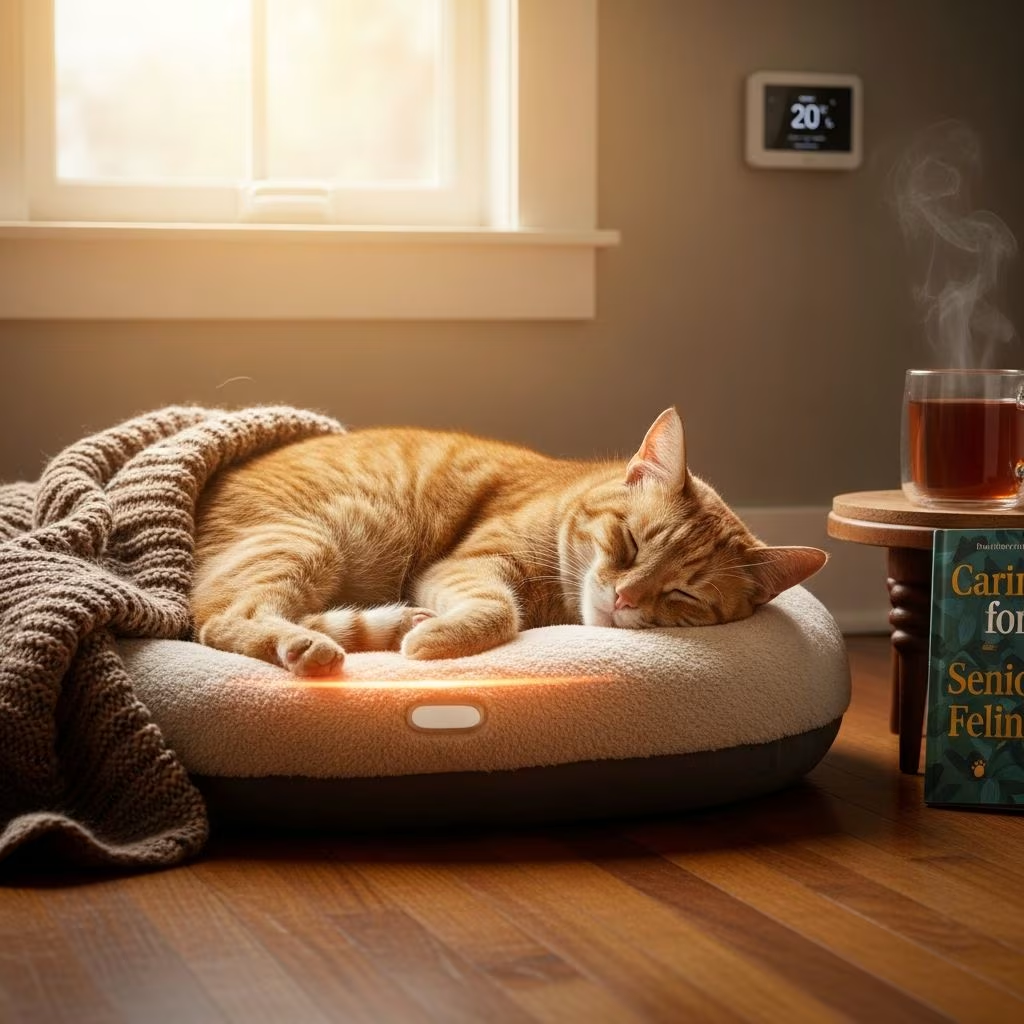
The advancing years bring inevitable changes to our beloved feline companions, just as they do for humans. Among the most common challenges senior cats face is the development of joint-related conditions that limit their mobility and cause persistent discomfort. Understanding how to properly support an aging cat through these health transitions is essential for maintaining their quality of life. This guide explores the role of thermal therapy in managing feline arthritis and offers a comprehensive approach to keeping your senior cat comfortable and active.
Understanding Degenerative Joint Disease in Felines
Osteoarthritis, commonly referred to as degenerative joint disease, represents a progressive condition affecting the cartilage, bone, and surrounding soft tissues within joints. This chronic ailment develops gradually, causing inflammation, pain, and a noticeable reduction in how freely your cat can move. While the condition predominantly affects older cats due to natural wear on joints over time, younger felines can also develop arthritis when genetic predispositions or previous injuries create vulnerability.
Cats are particularly skilled at masking pain and discomfort, which means arthritis often progresses undiagnosed until symptoms become severe. Pet parents may mistakenly attribute behavioral changes—such as reluctance to jump, decreased activity, or altered litter box habits—to normal aging rather than recognizing them as signs of joint deterioration. Early recognition and intervention can significantly improve a cat’s comfort and functional mobility throughout their senior years.
The Mechanics of Therapeutic Warmth for Joint Support
Heat therapy functions through several interconnected physiological pathways that collectively reduce arthritis-related discomfort. When warmth is applied to affected areas, it enhances blood circulation, allowing oxygen and nutrients to reach stressed tissues more efficiently. This improved circulation also facilitates the removal of inflammatory byproducts that accumulate in arthritic joints, contributing to pain and stiffness.
Beyond circulation benefits, therapeutic warmth directly reduces muscle tension surrounding affected joints. Tight, protective muscle contractions—which develop naturally as the body attempts to immobilize painful areas—can themselves become a source of secondary pain and reduced mobility. Heat helps relax these protective spasms, making movement less painful and more fluid.
Heat therapy additionally improves the flexibility of connective tissues, including tendons and ligaments that support joint function. This enhanced tissue elasticity allows cats to achieve greater ranges of motion and engage in normal activities with less effort and discomfort.
Heating Pad Applications: Benefits and Important Considerations
While heating pads represent an accessible and relatively simple intervention for arthritis management, understanding their realistic capabilities is crucial for appropriate expectations. Superficial heating from standard pads primarily affects surface muscles and soft tissues rather than penetrating deeply into joint structures themselves. This means heating pads function best as comfort measures and pain management tools rather than as direct treatments for the underlying joint condition.
Most cats genuinely enjoy the comfort of warm surfaces, finding psychological and physical solace in curling up on heated bedding. This behavioral preference, combined with the legitimate physiological benefits of improved circulation and muscle relaxation, makes heating solutions a worthwhile component of comprehensive arthritis care.
Critical Safety Protocols
Pet-specific heating devices differ significantly from human heating pads in their temperature regulation and insulation design. Human heating pads can reach temperatures far exceeding what feline skin can safely tolerate, resulting in serious thermal burns. This distinction makes selecting appropriate equipment non-negotiable for your cat’s safety.
Essential safety practices include:
- Selecting only heating pads explicitly designed and approved for pet use
- Maintaining appropriate temperature settings that feel warm but not hot to the touch
- Avoiding leaving your cat unattended while actively using heating devices
- Ensuring adequate insulation between the heat source and your cat’s skin
- Regularly inspecting equipment for damage or malfunction
Specialized Thermal Products for Arthritic Felines
The pet wellness market offers several heating solution categories, each with distinct advantages for arthritic cats:
| Product Type | Heat Source | Key Advantages | Considerations |
|---|---|---|---|
| Heated Orthopedic Beds | Electric with temperature control | Integrated support foam, consistent warmth, pet-safe design | Requires electrical outlet, higher initial cost |
| Self-Heating Pads | Body heat reflection technology | No electricity required, portable, durable | Provides moderate warmth, effectiveness varies |
| Microwaveable Heat Discs | Thermal gel activation | Portable, reusable, no electricity, quick heating | Requires periodic reheating, limited duration |
| Radiant Heat Sources | Ceramic heat emitters (reptile equipment) | Creates warm microenvironments, long-lasting, no contact burns | Requires secure mounting, initial setup effort |
Designing a Comprehensive Comfort Strategy Beyond Heat
While thermal solutions provide valuable relief, addressing arthritis comprehensively requires a multifaceted approach incorporating environmental, nutritional, and activity-based interventions.
Environmental Modifications
Creating an arthritis-friendly home environment removes unnecessary obstacles and reduces your cat’s pain levels during daily activities. Strategic placement of essential resources—food, water, litter box, and resting areas—on a single floor minimizes the climbing and jumping that exacerbate joint stress. Elevated platforms and ramps provide pathways to favorite resting spots without requiring high jumps that stress arthritic joints.
Maintaining consistent, comfortable temperatures throughout your home becomes increasingly important for arthritic cats. Cold weather and drafty areas intensify joint stiffness and pain, making temperature management a genuine therapeutic consideration. Positioning beds in warm, protected areas away from exterior walls and air conditioning vents helps maintain your cat’s comfort levels.
Litter Box Accessibility
Traditional high-sided litter boxes present significant challenges for cats with compromised mobility. Providing boxes with lower entry points, larger interior spaces, and non-slip surfaces accommodates decreased flexibility and balance. Some cats benefit from multiple boxes placed conveniently throughout the home to minimize distance traveled during bathroom trips.
Weight Management
Excess body weight substantially amplifies arthritis symptoms by increasing stress on already-compromised joints. Consulting with your veterinarian about appropriate caloric intake and feeding strategies specifically tailored to your senior cat’s condition can alleviate this compounding factor. Weight reduction, when medically appropriate, often produces measurable improvements in mobility and comfort levels.
Gentle Movement and Exercise
Paradoxically, controlled physical activity supports joint health and arthritis management. Gentle exercise maintains synovial fluid production, which lubricates joints and reduces friction-related pain. Interactive play sessions designed to encourage natural movement—without excessive jumping or running—help preserve joint function and prevent the stiffness that comes from complete inactivity. Short, frequent play sessions often prove more beneficial than intense activity sessions.
Nutritional Support
Dietary adjustments can support joint health from within. Consulting your veterinarian about joint supplements containing glucosamine and chondroitin may provide additional pain relief and support for joint structure, though research on effectiveness continues to evolve. Omega-3 fatty acids and other anti-inflammatory compounds present in specialized senior cat foods can complement thermal and environmental interventions.
Frequently Asked Questions
Can I use my own heating pad for my arthritic cat?
Human heating pads reach temperatures that can cause serious burns on feline skin. Always select heating products explicitly approved for pet use, which are engineered with appropriate temperature controls and insulation.
How often should my cat use a heating pad?
Many arthritic cats benefit from having access to heated bedding throughout the day, particularly during cooler months or when stiffness is most pronounced. However, avoid continuous use without monitoring, and allow rest periods to prevent overheating.
Are there alternatives to electric heating pads?
Yes. Microwaveable heat discs, self-heating beds that reflect body heat, and even carefully managed hot water bottles offer alternatives to electric solutions. Some veterinarians recommend radiant heat sources like ceramic heat emitters used in reptile setups for creating warm resting areas.
When should I consult a veterinarian about my cat’s arthritis?
If you notice decreased mobility, reluctance to jump, changes in litter box habits, or behavioral alterations, scheduling a veterinary examination is essential. A professional assessment can confirm arthritis diagnosis and identify appropriate treatment combinations for your individual cat.
Can heating pads cure my cat’s arthritis?
No. Heating pads manage symptoms and improve comfort but do not reverse the underlying degenerative joint disease. They function best as one component of comprehensive arthritis management alongside environmental modifications, appropriate exercise, and veterinary guidance.
Creating a Warm, Comfortable Environment
Caring for an aging cat with arthritis requires compassion, attention to detail, and a commitment to their comfort and dignity. Thermal solutions, when selected appropriately and applied safely, provide genuine relief from joint-related pain and stiffness. When combined with environmental modifications, weight management, gentle exercise, and nutritional support, heat therapy becomes part of a holistic approach that meaningfully improves your senior cat’s quality of life.
The goal extends beyond simply managing symptoms; it encompasses preserving your cat’s ability to engage in normal behaviors, maintain independence, and experience the comfort they deserve during their advancing years. Working collaboratively with your veterinarian ensures that your thermal interventions and other supportive strategies align with your individual cat’s specific needs and health status. The extra attention and care you provide during these later years deepens the bond between you and your feline companion, creating a foundation of comfort and security during a vulnerable life stage.
References
- Will a Heating Pad Help My Senior Cat’s Arthritis? Vet-Reviewed — Catster. 2024. https://www.catster.com/cat-health-care/heating-pad-for-cats-with-arthritis/
- Therapeutic Heated Cat Bed by Knead Cats – Orthopedic & Nano — Knead Cats. 2024. https://kneadcats.com/products/the-knead-bed
- How to Make Your Arthritic Cat More Comfortable — Zoetis Petcare. 2024. https://www.zoetispetcare.com/blog/article/make-arthritic-cat-comfortable
- Life Changing Tips for Cats with Arthritis — Cambridge Cat Clinic. 2024. https://www.cambridgecatclinic.co.uk/life-changing-tips-for-cats-with-arthritis/
- Feline Arthritis — Cat Clinic of Roswell. 2024. https://www.catclinicofroswell.com/feline-arthritis/



