
Therapy Dogs: Roles and Pathways
Discover how therapy dogs bring comfort to people in need, from certification steps to real-world impact in hospitals and schools.
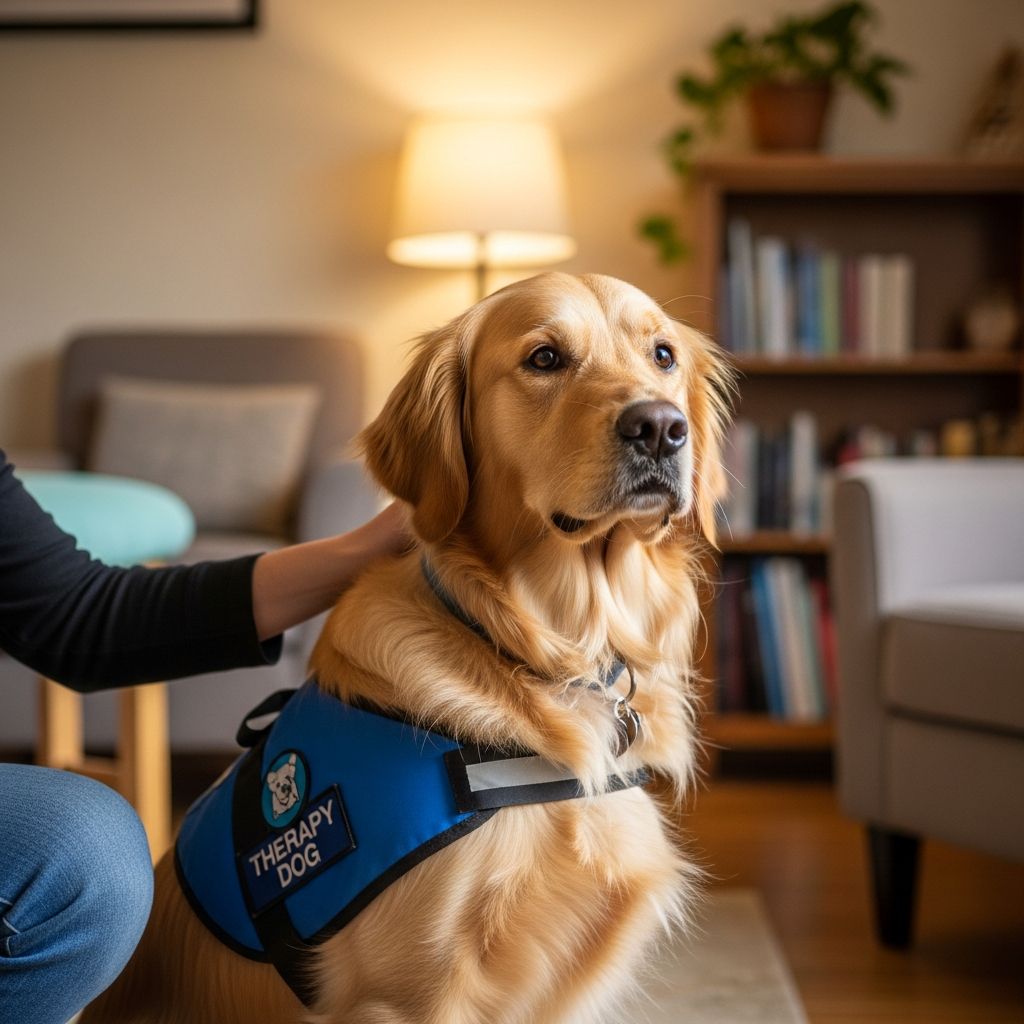
Therapy dogs offer comfort, affection, and emotional support to individuals in various settings, such as hospitals, schools, and nursing homes. These canine companions differ from service dogs by focusing on general interactions rather than task-specific assistance for one person.
Defining the Therapy Dog
A therapy dog is trained to interact positively with multiple people, promoting physical, social, emotional, or cognitive improvements through animal-assisted interventions. Unlike service dogs, which perform specific tasks for disabled individuals with public access rights, therapy dogs work in group or individual settings without such privileges.
These dogs thrive on providing unconditional love, helping reduce stress and anxiety. They participate in animal-assisted activities (AAA) like casual visits or animal-assisted therapy (AAT) integrated into professional treatments, such as speech therapy sessions.
Distinguishing Therapy Dogs from Other Canines
Understanding distinctions is crucial for handlers. Here’s a comparison:
| Type | Purpose | Training Focus | Access Rights |
|---|---|---|---|
| Therapy Dog | Comfort multiple people in facilities | Obedience, temperament for groups | No public access privileges |
| Service Dog | Task-specific aid for one disabled person | Specialized tasks (e.g., guiding blind) | Full public access |
| Emotional Support Dog | Daily emotional comfort at home | Minimal; no tasks required | Housing/travel accommodations only |
This table highlights key differences, ensuring handlers pursue the right path.
Essential Qualities for Success
Ideal therapy dogs exhibit calm demeanor, friendliness, and resilience in diverse environments. They must remain composed amid wheelchairs, medical equipment, and crowds. Breeds vary, but any dog with stable temperament qualifies, provided they meet age and health standards.
- Calmness: Unfazed by noise or sudden movements.
- Friendliness: Enjoys petting from strangers without overwhelm.
- Obedience: Responds reliably to basic commands.
- Health: Up-to-date vaccinations and parasite-free.
Building a Strong Foundation: Basic Training
Start with foundational obedience to prepare for therapy work. The American Kennel Club’s Canine Good Citizen (CGC) program is a recommended benchmark, testing skills like sitting politely, loose-leash walking, and stranger interactions.
Handlers should practice daily, exposing dogs to urban sounds, crowds, and medical props. Consistency builds confidence, ensuring the dog performs under stress.
Certification Organizations and Their Standards
Several groups oversee therapy dog evaluation, each with tailored criteria. Certification boosts credibility, opening doors in facilities wary of liability.
- Therapy Dogs International (TDI): Requires dogs over one year old, obedience/temperament tests, and handler background checks.
- Alliance of Therapy Dogs (ATD): Minimum one-year age, good manners evaluation, three supervised visits.
- Canine Companions: Specific to their bred/released dogs, mandates 24 volunteer hours yearly and handler proficiency.
- AKC Therapy Dog Program: Builds on CGC, for dogs volunteering in settings like schools.
Choose based on location and dog type; most emphasize safety and effectiveness.
Step-by-Step Certification Journey
The path involves progressive stages:
- Age and Ownership Check: Dog at least one year old; handler owned for 6+ months.
- Basic Skills Mastery: Pass CGC or equivalent for manners.
- Socialization Exposure: Habituate to hospitals, wheelchairs, diverse people.
- Formal Evaluation: Test temperament, commands, handler control.
- Supervised Visits: Complete trial sessions in facilities.
- Registration: Background check, credentials issued.
This structured process ensures teams are ready for real-world demands.
Common Settings and Real-World Applications
Therapy dogs shine in targeted environments:
- Hospitals/Nursing Homes: Ease patient anxiety, aid recovery.
- Schools/Libraries: Promote reading, reduce test stress.
- Disaster Sites: Offer comfort post-trauma.
- Mental Health Facilities: Support therapy sessions.
Handlers coordinate with staff, respecting hygiene protocols like paw washes.
Handler Responsibilities and Preparation
Handlers are integral, managing dogs and interactions. Key duties include:
- Background checks for safety.
- 24+ volunteer hours annually.
- Health maintenance and behavior monitoring.
- Facility rule adherence.
Training enhances team synergy, with handlers learning cues and debriefing post-visits.
Health and Wellness Considerations
Regular vet checks prevent zoonotic risks. Organizations require rabies vaccination proofs and health exams. Monitor for stress signs like panting or avoidance, rotating duties to prevent burnout.
Benefits Backed by Evidence
Studies affirm therapy dogs lower cortisol, boost oxytocin, and improve moods in vulnerable groups. In pediatric oncology, they reduce pain perception during procedures.
Challenges and Solutions
Handlers face unpredictability, like fearful reactions. Solutions: Gradual desensitization, backup plans, and evaluator feedback. Insurance covers liabilities in registered teams.
Getting Started: Practical Tips
Assess your dog’s aptitude via temperament tests. Join local groups for mentorship. Track progress with logs, celebrating milestones like first evaluations.
Frequently Asked Questions
What age must a therapy dog be?
Typically at least one year to ensure maturity.
Is certification mandatory?
Not always, but recommended for facility access and liability.
Can any breed qualify?
Yes, focused on temperament over breed.
How to prepare for evaluations?
Practice CGC skills, socialize extensively.
What if my dog fails a test?
Retrain and retest; persistence pays off.
Enriching Lives Through Partnership
Therapy dog work fosters profound bonds, benefiting dogs, handlers, and recipients alike. With dedication, any qualified team can contribute meaningfully.
References
- The Evaluation and Certification Process for Therapy Dogs — Carrara Treatment. 2023. https://carraratreatment.com/the-evaluation-and-certification-process-for-therapy-dogs/
- What Requirements Do Therapy Dogs Have to Meet? — AcuCare PT. 2023. https://acucarept.com/pet-therapy-requirements/
- Therapy Dogs — Canine Companions. 2025-01-15. https://canine.org/get-involved/therapy-dogs/
- Therapy dog — Wikipedia. 2026-03-01. https://en.wikipedia.org/wiki/Therapy_dog
- Therapy Dogs — AAHA. 2021-06-01. https://www.aaha.org/resources/2021-aaha-working-assistance-and-therapy-dog-guidelines/therapy-dogs/
- Therapy Dog Types: Understanding the Difference — UDS Foundation. 2024. https://udservices.org/therapy-dog-types-understanding-the-difference/
- Three Steps to Making Your Dog a Therapy Dog — American Kennel Club. 2023-05-10. https://www.akc.org/products-services/training-programs/canine-good-citizen/articles/three-steps-to-making-your-dog-a-therapy-dog/
Similar Articles








Read full bio of Sneha Tete




