

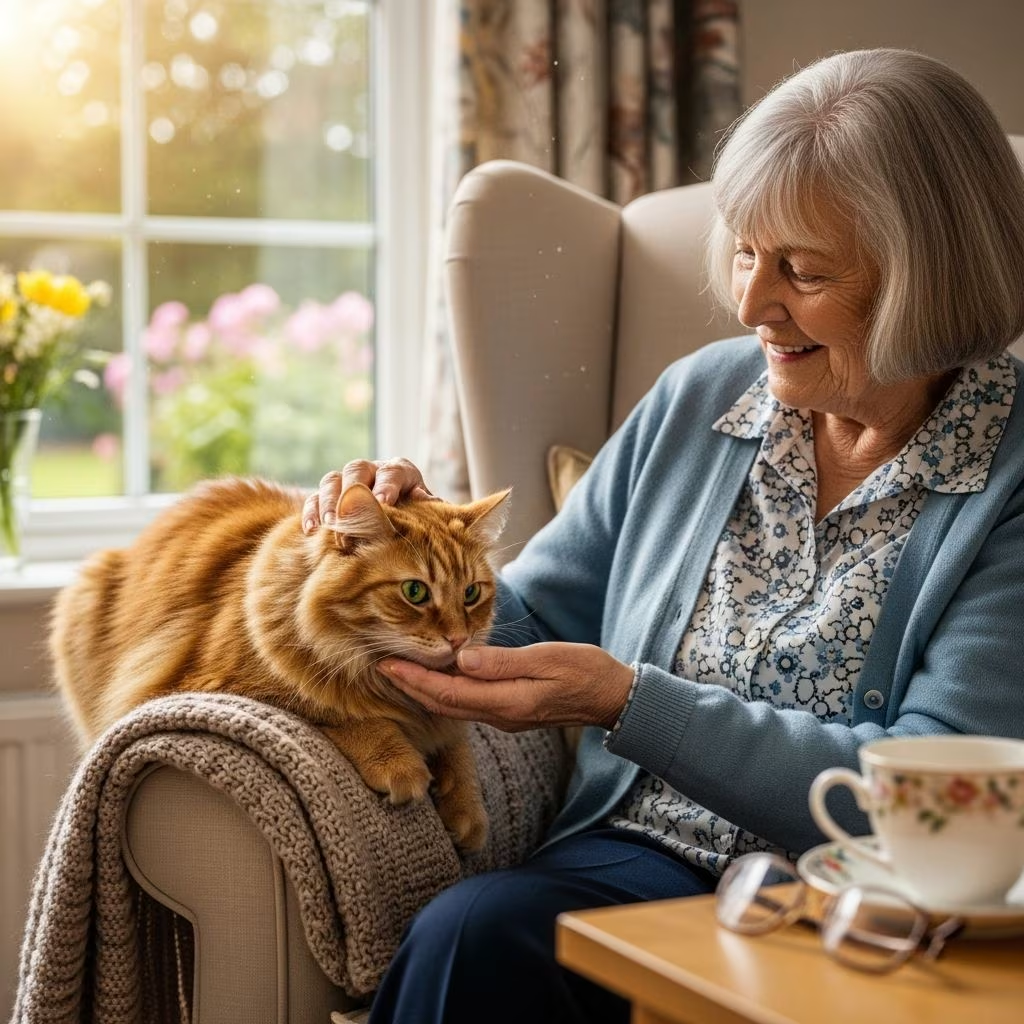
Introducing cats as resident companions or therapy animals in nursing homes offers a simple yet powerful way to uplift the lives of elderly individuals. These feline friends provide emotional support, reduce feelings of isolation, and contribute to overall well-being, as supported by various studies on animal-assisted interventions.
The Growing Role of Feline Companions in Elder Facilities
In long-term care settings, where residents often face emotional challenges like loneliness and anxiety, cats have emerged as ideal companions. Unlike visiting therapy dogs, resident cats live on-site, allowing for consistent interactions that build trust and routine. Facilities may adopt shelter cats or foster them temporarily, creating a symbiotic relationship that benefits both humans and animals.
Programs pairing seniors with foster cats demonstrate measurable improvements. For instance, a feasibility study involving older adults fostering shelter cats reported significant drops in loneliness scores after four months, with over 95% opting for permanent adoption. This model addresses key barriers such as pet fees and supplies, making it accessible for independent seniors and potentially adaptable to communal living environments.
Psychological Advantages for Aging Populations
Cats excel in providing quiet, calming companionship that aligns perfectly with the needs of nursing home residents. Petting a cat triggers oxytocin release, which lowers cortisol levels and eases stress. Residents engaging with cats show reduced agitation, particularly those with cognitive impairments, as physical contact promotes calmness and sensory comfort.
- Combating Loneliness: Interaction with cats fosters a sense of purpose and connection, countering the isolation prevalent in care facilities.
- Mood Enhancement: Daily routines involving cat care improve emotional states and decrease depressive symptoms.
- Social Stimulation: Cats act as conversation starters, encouraging interactions among residents and staff.
Qualitative insights reveal that residents feel more engaged and less withdrawn when cats are present, leading to prosocial behaviors and better participation in group activities.
Physical Health Improvements Linked to Cat Interactions
Beyond mental perks, cat ownership correlates with tangible physical benefits. Research indicates lower risks of cardiovascular events among cat owners, possibly due to reduced stress and increased daily activity from pet care tasks like feeding and grooming.
In nursing homes, these interactions encourage gentle movement, such as reaching to pet or play, which supports mobility without strain. Studies also note fewer reports of headaches, back pain, and minor illnesses among those living with cats. The therapeutic purr of a cat, vibrating at frequencies between 25-150 Hz, may aid in reducing inflammation and promoting bone healing, though further research is ongoing.
| Health Aspect | Benefit from Cats | Supporting Evidence |
|---|---|---|
| Mental Health | Decreased anxiety and depression | Feasibility study on fostering |
| Cardiovascular | Lower heart attack risk | Correlational studies |
| Mobility | Increased light activity | Observational data from facilities |
| Immune Response | Fewer colds and pains | Resident surveys |
Practical Ways to Integrate Cats into Care Environments
Facilities considering cats should start with a pilot program, selecting sociable, low-maintenance breeds or mixed rescues vetted for health. Designate cat-friendly zones with litter boxes, scratching posts, and resting areas to minimize disruptions.
Training staff on hygiene protocols ensures safety: regular vet check-ups, flea prevention, and waste management prevent allergen spread or zoonotic risks. Partnerships with local shelters provide cats needing homes, turning facilities into adoption hubs.
- Assess resident allergies and preferences via surveys.
- Secure administrative buy-in with benefit data.
- Implement trial periods with monitoring.
- Train volunteers for handling and socialization.
Some homes use robotic pets as alternatives for high-risk cases, offering similar comfort without biological hazards.
Navigating Potential Drawbacks and Safety Measures
While benefits abound, challenges exist. Allergies affect about 10-20% of seniors, requiring zoned access or air filtration. Cats may scratch if stressed, so temperament testing is crucial. Infection risks, though rare with healthy animals, demand rigorous veterinary oversight.
To mitigate:
- Conduct health screenings for cats quarterly.
- Educate residents on gentle handling.
- Monitor for signs of overstimulation in animals or humans.
Facilities report that proper management outweighs issues, with boosted resident morale justifying the effort.
Real-World Examples of Feline Success Stories
Across the U.S., nursing homes feature resident cats like those in foster programs, where seniors form deep bonds. One study highlighted participants gaining companionship that rivaled human interactions, with cats providing non-judgmental support during vulnerable times.
In dementia units, cats reduce wandering and vocalizations by offering tactile anchors. Therapy cats also visit hospitals, aiding recovery by lowering blood pressure during treatments.
Future Directions for Animal-Assisted Care
Emerging research explores prescribing pet fostering for loneliness, akin to medical interventions. Larger trials could standardize protocols, integrating cats into holistic care plans. With 16 million U.S. seniors living alone, scalable programs could transform elder care while saving shelter cats.
Interdisciplinary efforts, combining veterinary, geriatric, and psychological expertise, promise evidence-based expansions.
Frequently Asked Questions
Are therapy cats safe for nursing home residents?
Yes, when vetted and monitored. Healthy cats pose minimal risk, with benefits far outweighing rare issues like scratches or allergies.
How do cats help with dementia?
They provide calming touch, reduce agitation, and encourage engagement, improving quality of life.
Can any cat become a therapy cat?
No, they need gentle temperaments, enjoy handling, and pass health/behavior evaluations.
What about costs for facilities?
Initial setup is low; partnerships with rescues offset food and care via donations.
Do cats improve social interactions?
Absolutely, serving as icebreakers that spark conversations and group activities.
References
- Cats in Nursing Homes: Vet-Reviewed Benefits, Risks & FAQ — Catster. 2023. https://www.catster.com/lifestyle/cats-in-nursing-homes/
- New study offers promising results for both shelter cats and older adults — American Animal Hospital Association (AAHA). 2023. https://www.aaha.org/newstat/publications/new-study-offers-promising-results-for-both-shelter-cats-and-older-adults/
- Pets In Nursing Homes: Positives & Negatives — California Elder Abuse Lawyer. 2021-08-01. https://www.californiaelderabuselawyer.com/blog/2021/august/pets-in-nursing-homes-positives-negatives/
- Pets in Nursing Homes | Tips on Policies, Benefits & Visits — Nursing Home Abuse Center. 2023. https://www.nursinghomeabusecenter.com/blog/pets-in-nursing-homes/
- What are the effects of animals on the health and wellbeing of residents in care homes? — PubMed Central (PMC). 2023. https://pmc.ncbi.nlm.nih.gov/articles/PMC10038779/



