

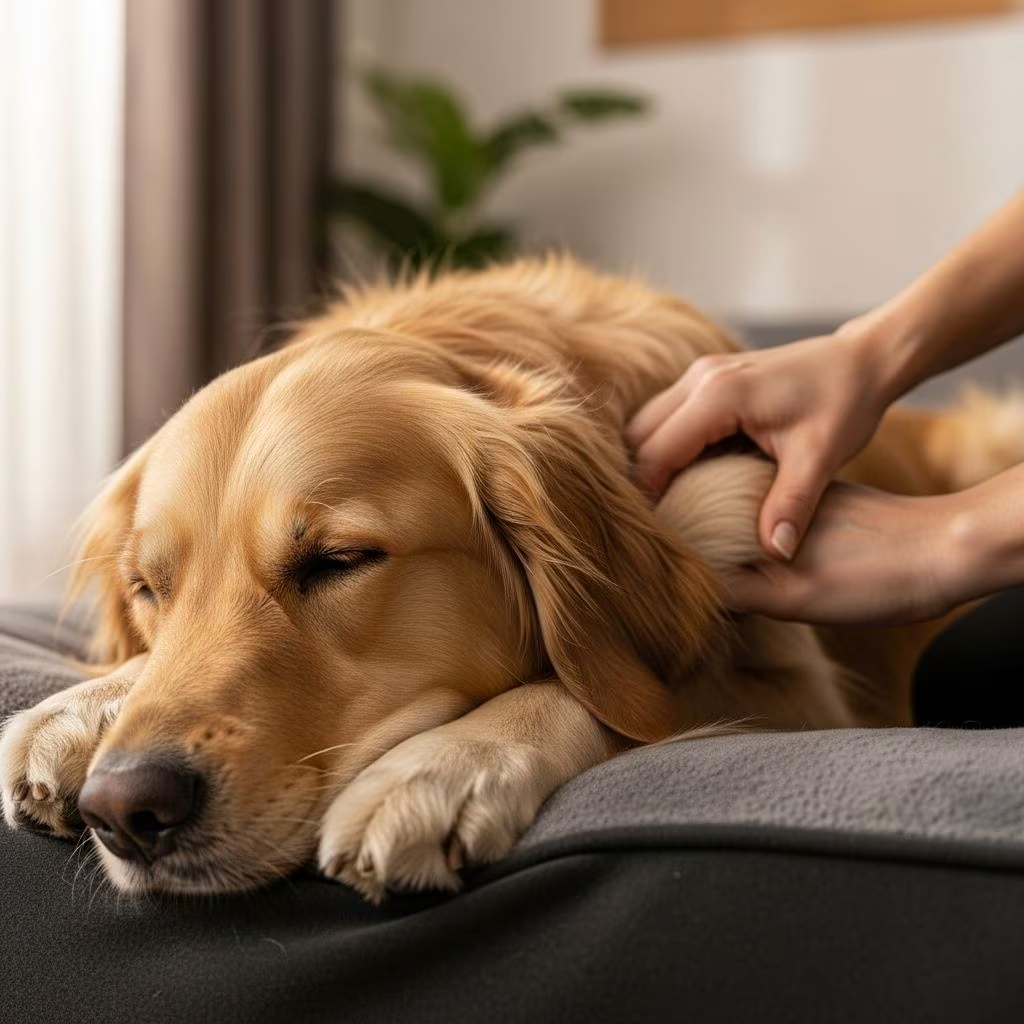
Over the past several years, veterinary medicine has increasingly recognized the value of complementary therapies alongside conventional treatment protocols. Among these emerging modalities, massage therapy has emerged as a particularly promising intervention for dogs experiencing various musculoskeletal and behavioral challenges. Rather than serving as a replacement for veterinary care, massage represents an evidence-based supplementary approach that addresses multiple dimensions of canine health simultaneously. This comprehensive examination explores what contemporary research reveals about therapeutic massage for dogs, including documented outcomes, physiological mechanisms, and practical applications across different canine populations.
Understanding the Foundation: What Massage Accomplishes
Canine massage operates through several interconnected physiological pathways that work together to produce measurable improvements in dog health and behavior. Unlike casual petting or grooming, clinical massage employs deliberate techniques targeting specific muscle groups and soft tissue structures. When practitioners apply precise pressure to affected areas, they stimulate multiple bodily systems simultaneously, creating cascading benefits throughout the animal’s body.
The fundamental mechanisms involve enhanced circulatory function, nervous system modulation, and biochemical changes. Massage stimulates blood flow, enabling more efficient oxygen delivery to cells and tissues throughout the body. This increased circulation proves particularly valuable for aging dogs and those with sedentary lifestyles. Additionally, therapeutic touch activates the lymphatic system, facilitating the removal of metabolic waste products and potentially strengthening immune responsiveness.
At the neurological level, massage techniques engage the parasympathetic nervous system—often called the “rest and digest” pathway—shifting dogs from heightened alert states toward relaxation and recovery modes. This nervous system rebalancing has profound implications for anxious animals and those exhibiting stress-related behavioral issues.
Documented Pain Reduction: What the Research Shows
Perhaps the most compelling evidence for canine massage comes from a landmark investigation conducted collaboratively by the Canine Massage Guild and the University of Winchester. This study represents the first large-scale quantitative analysis of massage therapy efficacy in dogs, examining 527 cases across diverse breeds and age groups. The research was subsequently published in the Veterinary Record, the official journal of the British Veterinary Association, lending substantial credibility to the findings.
The study methodology involved collecting owner and practitioner-rated pain severity assessments before and after massage interventions. Practitioners employed the Lenton Method®, a specific technique designed for treating muscular and myofascial conditions across dogs of varying ages and breed types. Dogs presented with veterinary-diagnosed musculoskeletal conditions, chronic pain, lameness, signs of aging, athletic performance concerns, and subtle pain indicators identified by their owners.
Key Findings from the Research
- Out of 527 dogs receiving treatment, 492 responded positively to massage therapy—representing a 93% response rate
- Pain severity scores showed significant reduction after just a single massage session
- Each subsequent treatment session produced further meaningful decreases in reported pain levels
- Overall, dogs progressed from “moderate” pain ratings to “mild” pain classifications
- Dogs displayed increased mobility and behavioral improvements often apparent immediately after initial treatment
- Post-treatment assessments indicated dogs were significantly more likely to demonstrate positive quality of life indicators
These outcomes held consistently across diagnostic categories and patient variables, suggesting that massage therapy benefits diverse canine populations regardless of breed, age, or specific condition type.
Mobility Enhancement and Movement Restoration
Beyond pain reduction, research documents substantial improvements in how dogs move and function physically. A separate 2020 veterinary study revealed that dogs receiving regular massage demonstrated 30% improvement in mobility compared to those receiving only conventional treatment. This metric proves especially significant for senior dogs, animals recovering from surgical procedures, and those with degenerative joint conditions.
Massage addresses mobility limitations through multiple mechanisms. By reducing muscle tension and stiffness, massage allows dogs to move with greater ease and confidence. The therapeutic manipulation helps prevent muscle imbalances that commonly develop when animals unconsciously favor painful limbs. For athletic or working dogs engaging in regular strenuous activity, massage prevents injuries by maintaining optimal tissue flexibility and promoting balanced muscle development.
Dogs with arthritis or age-related joint stiffness particularly benefit from this mobility restoration. Increased blood flow to affected joints promotes nutrient delivery and reduces inflammatory responses that restrict movement. Many owners report that previously reluctant or limping dogs show renewed enthusiasm for activities such as walking, playing, and climbing stairs following consistent massage treatments.
Stress Reduction and Behavioral Improvement
The psychological and behavioral benefits of massage therapy emerge through measurable physiological changes in the canine nervous system. When practitioners apply gentle, intentional pressure, a dog’s body releases endorphins—natural mood elevators that counteract stress hormones like cortisol. This biochemical shift produces real, observable changes in anxious or reactive animals.
Research substantiates these behavioral improvements with concrete measurements. A 2018 study found that dogs receiving just 15 minutes of massage showed significantly lower cortisol levels compared to control animals, providing objective evidence of stress reduction. Dogs receiving regular massage demonstrate reduced anxiety, increased relaxation capacity, and more restful sleep patterns.
High-energy breeds such as Border Collies and Jack Russell Terriers—animals that naturally struggle with settling down—benefit tremendously from consistent massage sessions. The rhythmic stroking techniques activate the parasympathetic nervous system, helping hyperactive dogs transition into calmer mental states. This effect directly addresses behavioral issues including excessive barking, destructive chewing behaviors, and separation anxiety manifestations.
Common Canine Stress Indicators and Massage Response
| Stress Manifestation | Physical Display | How Massage Helps |
|---|---|---|
| Excessive Panting | Rapid breathing, open mouth posture | Calms the nervous system and reduces stress hormone production |
| Trembling or Shivering | Visible muscle tremors or shaking | Relaxes tense muscles and promotes overall bodily calm |
| Lip Licking or Drooling | Frequent licking or excessive saliva production | Encourages relaxation and establishes psychological safety |
| Avoidance or Hiding | Retreating from social interaction or hiding behavior | Builds trust and strengthens the owner-dog relationship bond |
| Rigid Body Posture | Stiff, tense movements and muscle rigidity | Loosens muscles and restores flexibility to the body |
Accelerated Healing from Injury and Surgery
Dogs recovering from orthopedic surgery, soft tissue injuries, or other trauma benefit substantially from therapeutic massage incorporated into their rehabilitation protocols. Massage promotes tissue healing by stimulating cellular regeneration and improving nutrient delivery to damaged areas. The gentle stretching and kneading of muscle fibers improves flexibility while reducing problematic scar tissue formation that can limit future mobility.
When coordinated with veterinary guidance, massage accelerates recovery timelines compared to rest alone. The improved circulation bathes healing tissues with oxygen-rich blood, supporting the inflammatory response phase while preventing chronic inflammation from developing. Dogs return to normal activities more quickly and with fewer complications when massage becomes part of their post-operative care plan.
Addressing Specific Canine Health Conditions
Arthritis and Degenerative Joint Disease
Senior dogs with arthritis represent one of the primary populations benefiting from massage therapy. As dogs age, joint cartilage degenerates, inflammation increases, and mobility progressively declines. Regular massage maintains circulation to affected joints, reduces inflammation, and improves the range of motion despite underlying degenerative changes. Dogs with arthritis often experience immediate symptom relief, translating into improved quality of life during their senior years.
Athletic and Working Dogs
Dogs engaged in high-intensity physical activities—whether competing in sports, working as service animals, or performing demanding jobs—require specialized maintenance to prevent injury and optimize performance. Massage prevents muscle imbalances, addresses inflammation before it becomes problematic, and promotes recovery between training sessions or work periods. These dogs benefit from regular preventive massage rather than waiting until injuries occur.
Anxious and Behaviorally Reactive Dogs
Dogs struggling with separation anxiety, noise phobias, or general reactivity respond remarkably well to massage’s calming effects. The combination of physical relaxation and the positive reinforcement of human touch creates a powerful therapeutic intervention. Many dogs exhibiting problematic behaviors show dramatic improvement when massage becomes part of their management protocol.
Comparing Treatment Approaches and Outcomes
| Treatment Aspect | Conventional Care Alone | Conventional Care + Massage |
|---|---|---|
| Pain Severity Reduction | Variable depending on medication efficacy | Significant reduction after first session, continuing improvement with subsequent treatments |
| Mobility Improvement | May stabilize but not typically improve dramatically | 30% documented improvement in mobility metrics |
| Quality of Life Assessment | Depends on underlying condition management | Significantly more likely to achieve positive quality of life ratings |
| Stress Hormone Levels | Baseline stress responses continue | Significantly lower cortisol levels after 15-minute sessions |
| Recovery Time Post-Surgery | Standard recovery timeline | Potentially accelerated healing and return to function |
The Holistic Impact on Canine Wellness
Massage therapy benefits extend far beyond isolated symptom management. By addressing pain, mobility, nervous system function, and emotional well-being simultaneously, massage supports comprehensive canine wellness. Dogs receiving therapeutic massage demonstrate improved sleep quality, enhanced appetite, better behavioral regulation, and increased enthusiasm for activities they previously avoided.
These improvements create positive feedback loops. As pain decreases and mobility increases, dogs become more active, which strengthens muscles and improves cardiovascular function. Reduced stress enables better learning and social interaction. Improved sleep supports immune function and tissue repair. The cumulative effect represents a genuine enhancement in daily life quality rather than merely masking symptoms.
Integrating Massage into Veterinary Care Plans
Professional canine massage practitioners increasingly work collaboratively with veterinarians to create integrated treatment approaches. Veterinary approval and guidance ensure that massage complements rather than interferes with primary medical treatments. This collaborative model acknowledges that massage represents one component of comprehensive care rather than a standalone solution.
Dogs of all ages—from puppies through geriatric patients—can benefit from appropriately delivered massage therapy. The key involves matching massage intensity and techniques to individual dog needs, underlying health status, and specific conditions being addressed. Professional practitioners develop treatment plans tailored to each dog’s unique circumstances.
Practical Considerations for Dog Owners
Dog owners considering massage therapy should seek practitioners trained in canine-specific techniques rather than assuming human massage training translates directly to animal care. The Canine Massage Guild and similar professional organizations maintain standards and certifications ensuring practitioner competency. Consulting with a veterinarian before beginning massage therapy ensures appropriateness for the individual dog and allows coordination with existing medical treatments.
Owners should maintain realistic expectations while remaining alert to positive changes. Some dogs show dramatic improvements after single sessions, while others demonstrate gradual benefits accumulating over several treatments. Consistency typically produces better results than sporadic sessions, with regular massage appointments providing sustained benefits.
Why Evidence-Based Massage Matters
The rigorous research establishing massage effectiveness matters because it elevates the practice from anecdotal observation to evidence-based medicine. When hundreds of dogs across diverse backgrounds demonstrate consistent measurable improvements in pain, mobility, and quality of life, the therapeutic value becomes scientifically defensible. Veterinarians can recommend massage with confidence, and dog owners can pursue this treatment knowing it rests on solid research foundation.
The 527-dog study particularly demonstrates that real-world clinical practice produces genuine therapeutic benefits. These were not laboratory animals in controlled artificial settings but actual companion dogs with genuine health challenges, treated by practicing professionals using established techniques. The diversity of breeds, ages, and conditions represented in the research cohort suggests that benefits apply broadly across different canine populations.
Looking Forward: The Role of Massage in Canine Healthcare
As veterinary medicine increasingly integrates complementary therapies into treatment protocols, canine massage occupies an increasingly central position. The convergence of scientific evidence, practitioner expertise, and documented patient outcomes creates a compelling case for massage as a legitimate therapeutic modality. Dogs experiencing musculoskeletal pain, behavioral challenges, mobility limitations, or stress-related conditions have access to a proven intervention supported by rigorous research.
The future likely involves even greater integration of massage therapy into standard veterinary practice, particularly for pain management, post-operative rehabilitation, and behavioral treatment. As more practitioners receive formal training and more research documents specific outcomes, massage will increasingly become recognized as an essential component of comprehensive canine healthcare rather than an optional luxury.
References
- Clinical Canine Massage Significantly Reduces Pain Severity in Dogs: Study by University of Winchester — K9 Massage Guild. 2021-06-15. https://www.k9-massageguild.co.uk/clinical-canine-massage-significantly-reduces-pain-severity-in-dogs-study-by-university-of-winchester-finds/
- Effect of massage therapy on pain and quality of life in dogs — Veterinary Record, published by John Wiley & Sons Ltd on behalf of British Veterinary Association. 2021. https://pubmed.ncbi.nlm.nih.gov/34120345/
- The Role of Canine Massage in Pet Wellness — UAH Veterinary Medicine. https://www.uah-vet.com/the-role-of-canine-massage-in-pet-wellness/
- Using canine massage to enhance your dog’s well-being — Wisdom Panel. https://www.wisdompanel.com/en-us/blog/canine-massage
- The Benefits Of Canine Massage – Dog Health — Halo Collar. https://www.halocollar.com/blog/dog-health/benefits-of-canine-massage/
- Does Your Dog Need a Massage? Benefits of the Canine Massage — American Kennel Club. https://www.akc.org/expert-advice/health/dog-massage/
- Massage therapy for dogs and cats — PubMed, National Center for Biotechnology Information. https://pubmed.ncbi.nlm.nih.gov/25454377/
- Should my pet get a massage? — American Animal Hospital Association. https://www.aaha.org/resources/should-my-pet-get-a-massage/



