

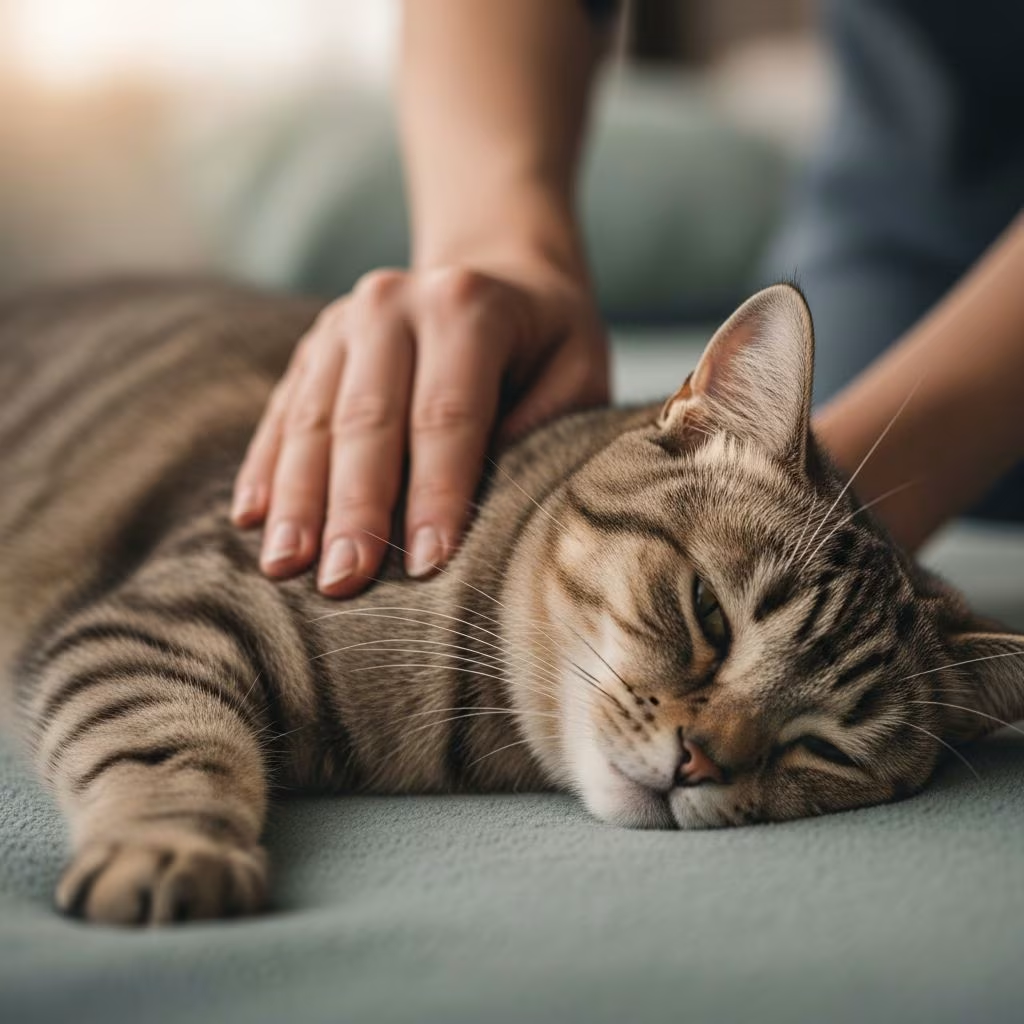
Understanding Therapeutic Massage for Cats
Therapeutic massage has been recognized for thousands of years as a powerful healing practice for both humans and animals. For feline companions, massage represents a gentle, non-invasive approach to promoting physical health and emotional well-being. When performed correctly by trained professionals or educated pet owners, massage therapy can address various aspects of your cat’s health, from managing chronic pain to supporting recovery from injury or surgery.
Massage works by applying carefully controlled pressure to your cat’s muscles, joints, and soft tissues. The amount of pressure applied typically ranges from five grams to five pounds, depending on your cat’s size, specific needs, and the type of condition being addressed. Understanding the proper techniques and knowing when massage is appropriate is essential for ensuring your feline friend receives maximum benefit while avoiding potential complications.
How Feline Massage Works
The aging process naturally takes a toll on your cat’s body. Arthritis, joint problems, torn or over-extended muscles and ligaments, injury, and the aftermath of surgery are common ailments that can significantly benefit from therapeutic massage. The practice works by promoting increased flexibility, reducing both physical and mental stress, and enhancing the overall quality of life for aging cats.
During periods of confinement or restricted movement—such as recovery from surgery—muscles become inactive and stiff. When your cat resumes normal activities, these unused muscles need support to regain their function properly. Therapeutic massage improves muscle flexibility and aids in preventing re-injury as your cat returns to normal movement patterns. For cats that engage in repetitive activities, such as repeatedly jumping on a specific furniture piece, massage helps relax overworked muscles, reduces accumulated strain, and helps prevent injury from chronic overuse.
While medication alone helps control pain and inflammation associated with trauma to muscles, massage actively participates in the healing process itself. The manipulation of muscles strengthens them, allows your pet to release adhesions, and enables gradual, controlled use of previously injured tissues. A certified massage therapist can teach you techniques that you can safely perform at home between professional massage sessions, extending the therapeutic benefits.
Massage Techniques for Cats
Professional massage therapy employs various techniques, each designed to affect different body systems. A trained massage therapist evaluates your individual cat and determines which techniques are most appropriate for their specific condition. These techniques are typically performed three times during a session, with the direction of application varying based on therapeutic goals—sometimes moving toward and away from the heart, with muscle fibers, across muscle fibers, or in circular motions.
Effleurage (Light Stroking)
Effleurage involves long, light-touch stroking movements that serve multiple purposes in feline massage. By opening the massage with this technique, the therapist helps relax your cat and prepares them for deeper therapeutic work. This stroke also provides an opportunity to assess your cat’s tissue condition, noting areas of increased tension and detecting any lumps, swelling, or temperature variations across different body regions. Effleurage is generally oriented along the muscle lines and primarily affects superficial tissues. This technique assists with circulation of blood and lymph and may effectively resolve edema, the swelling caused by fluid accumulation in body tissues.
Petrissage (Kneading)
Petrissage, commonly known as kneading, directly increases circulation and nutrient flow to muscle tissues. Deep kneading affects muscle fibers by applying pressure directly to the muscle belly rather than the bone. This technique brings blood and vital nutrients to the muscle tissue, releases toxins, and alleviates muscle spasms. Petrissage encompasses several variations including compression, digital kneading, finger stripping, one and two-handed chucking, cross-fiber friction, and specialized techniques like the angel wing and V-spread methods. The different approaches within petrissage allow therapists to address various muscle groups and tissue depths with precision.
Friction Massage (Rubbing)
Friction massage involves brisk, often heat-producing compressive strokes that may be performed superficially on the skin or on deeper tissue layers. This technique can be applied with hands or fingers drawn over the skin in brisk back-and-forth motions, or it can involve deeper pressure where the finger applies sustained pressure and makes small movements in various directions—upward, downward, backward, forward, or circular. The benefits of friction massage include increasing circulation beyond what effleurage provides, loosening stiff muscles and joints, reorganizing collagen structure, reducing trigger point activity, and freeing restrictions caused by adhered tissues. However, if friction is applied too forcefully, it can become uncomfortable for your cat, so trained application is essential.
Shaking and Vibration
Shaking and vibration techniques involve gentle shaking motions that target specific muscle groups or entire limbs. These techniques are particularly effective for relaxing tense muscles and can be integrated throughout the massage session to provide relief and promote relaxation.
Tapotement (Percussive Strokes)
Tapotement includes chopping, tapping, and other concussive strokes that energize tissues and cause increased circulation of lymph and blood throughout the affected areas. These techniques may stimulate muscle tone and invigorate the body. However, tapotement techniques should never be used on cats with a history of abuse, as the percussive nature could trigger negative responses. Specific variations include cupping, used on the chest area to loosen mucus within the lungs, and hacking, applied to large muscle areas but never on the spine. Tapping may be used across the body and head as appropriate.
Benefits of Therapeutic Massage for Cats
The benefits of therapeutic massage for cats extend across physical, emotional, and behavioral dimensions of feline health. Understanding these benefits helps pet owners appreciate why massage therapy has become an increasingly popular complementary treatment for cats of all ages.
Physical Health Benefits
One of the primary benefits of therapeutic massage is improved blood circulation and lymphatic flow throughout your cat’s body. Enhanced circulation delivers oxygen and nutrients more effectively to tissues while facilitating the removal of waste products and toxins from muscles and organs. This improved circulation supports cellular function and accelerates healing processes.
For cats suffering from arthritis and joint stiffness, massage can provide significant relief. The increased flexibility that results from regular massage sessions helps cats move more comfortably and engage in normal activities with reduced pain. The therapy strengthens connective tissues, improves tendon elasticity, and reduces muscle spasms that often accompany joint problems and age-related conditions.
Massage also supports post-surgical and post-injury recovery by promoting healing and gradually restoring normal function to affected areas. The therapy reduces recovery time and helps prevent complications associated with prolonged inactivity.
Emotional and Behavioral Benefits
Beyond physical improvements, therapeutic massage provides significant emotional benefits. The calming effect of gentle touch reduces stress and anxiety in cats, promoting an overall sense of wellness and contentment. Regular massage sessions can enhance the human-animal bond, strengthening the connection between you and your feline companion. Massage may also help reduce problem behaviors stemming from tension, anxiety, or lack of physical activity.
Contraindications: When Massage Should Not Be Performed
While therapeutic massage offers numerous benefits, certain medical conditions and situations make massage inappropriate or potentially harmful. Understanding these contraindications protects your cat from inadvertent harm.
Conditions That Contraindicate Massage
Massage should not be performed in the following situations:
– Massage must not be performed over open wounds, as this could introduce infection or cause additional injury to healing tissue- Massage should be avoided around unstable fractures, as movement could worsen the fracture or cause additional damage- When your cat is experiencing pain that is not yet appropriately controlled, massage may exacerbate discomfort- Massage must never be performed directly over tumors or infected areas, as manipulation could spread infection or affect tumor integrity- Massage should be performed with extreme caution in cats with blood-clotting problems, as pressure and manipulation could trigger bleeding complications- Cats experiencing fever, shock, or systemic infection typically do not benefit from massage, and performing massage would delay necessary veterinary care- Cats with rashes, open sores, or immune system diseases should avoid massage until their condition stabilizes
When to Consult Your Veterinarian
Before beginning any massage therapy program, always consult your veterinarian, especially if your cat has existing health conditions. Your veterinarian can determine whether massage is appropriate for your cat’s specific situation and may recommend modifications to standard techniques or advise against massage entirely if your cat’s health is at risk.
Can You Perform Massage on Your Cat at Home?
Yes, you can perform therapeutic massage on your cat at home, though certain considerations apply. While formal, full-body professional massage requires specialized training and certification, pet owners can learn basic techniques from certified practitioners or through structured educational resources. A certified massage therapist may teach you specific techniques that you can safely perform during intervals between professional sessions.
The key to successful home massage is remembering that the muscles will only respond and allow manipulation if your cat is comfortable and the touch is light and gentle. A firm, harsh, or controlling touch is counterproductive and may cause your cat to resist future massage attempts. The goal is to create a pleasant, relaxing experience that your cat looks forward to rather than dreads.
Frequently Asked Questions About Feline Massage
How often should I massage my cat?
Experts recommend performing gentle massages as frequently as needed based on your cat’s comfort and responsiveness. However, the frequency of deeper muscle massages should be established through consultation with your veterinarian or a certified veterinary massage therapist. They can provide recommendations tailored to your cat’s specific condition and needs.
How can I tell if my cat is enjoying the massage?
Cats communicate their comfort level through specific behaviors. If your cat remains still during the massage, purrs, or falls asleep, these are excellent indicators that your massage is working and your cat is enjoying the experience. Since cats are generally less expressive than dogs, these subtle signs are particularly meaningful indicators of contentment.
What pressure should I use when massaging my cat?
The appropriate pressure ranges from five grams to five pounds, depending on your cat’s size, specific needs, and the type of condition being addressed. Generally, lighter pressure is more appropriate for most home massage sessions. Start gently and observe your cat’s response before increasing pressure.
Is massage therapy safe for all cats?
While massage therapy is generally safe for most cats, some felines may be more sensitive to massage than others. Cats with specific health conditions may not be suitable candidates for massage. Always consult your veterinarian before beginning massage therapy, particularly if your cat has any existing health concerns.
Can massage help with behavioral issues?
Yes, therapeutic massage may help reduce certain problem behaviors by promoting relaxation, reducing stress and anxiety, and strengthening the bond between you and your cat. The calming effect of massage combined with improved physical comfort can lead to behavioral improvements in many cases.
Conclusion
Therapeutic massage represents a valuable complementary therapy for feline health and wellness. Whether your cat is dealing with age-related arthritis, recovering from injury or surgery, or simply needs stress relief and relaxation, massage therapy offers documented benefits that span physical, emotional, and behavioral dimensions. By understanding proper techniques, recognizing contraindications, and consulting with qualified professionals, you can safely incorporate massage into your cat’s health routine. Whether performed by certified professionals or learned by dedicated pet owners, therapeutic massage strengthens the bond between you and your feline companion while promoting their overall well-being and quality of life.
References
- What Is Cat Massage Therapy? Types, Pros & Cons — Hepper. Accessed November 28, 2025. https://articles.hepper.com/what-is-cat-massage-therapy/
- Therapeutic Massage and Your Cat — VCA Animal Hospitals. Accessed November 28, 2025. https://vcahospitals.com/know-your-pet/therapeutic-massage-and-your-cat
- The Benefits of Massage Therapy for Cats — PetPlace. Accessed November 28, 2025. https://www.petplace.com/article/cats/pet-health/massage-therapy-for-cats
- Physical rehabilitation of cats: 2. Treatment therapies and rehabilitation techniques — PubMed Central. 2025. https://pmc.ncbi.nlm.nih.gov/articles/PMC12227875/
- Massage, heat, and cold therapy in feline rehabilitation — DVM360. Accessed November 28, 2025. https://www.dvm360.com/view/massage-heat-and-cold-therapy-in-feline-rehabilitation
- Massage Therapy in Cats – Conditions Treated, Procedure — Wag Walking. Accessed November 28, 2025. https://wagwalking.com/cat/treatment/massage-therapy



