Therapeutic Massage and Your Cat
Discover the healing benefits of therapeutic massage for your feline companion.
Understanding Therapeutic Massage for Cats
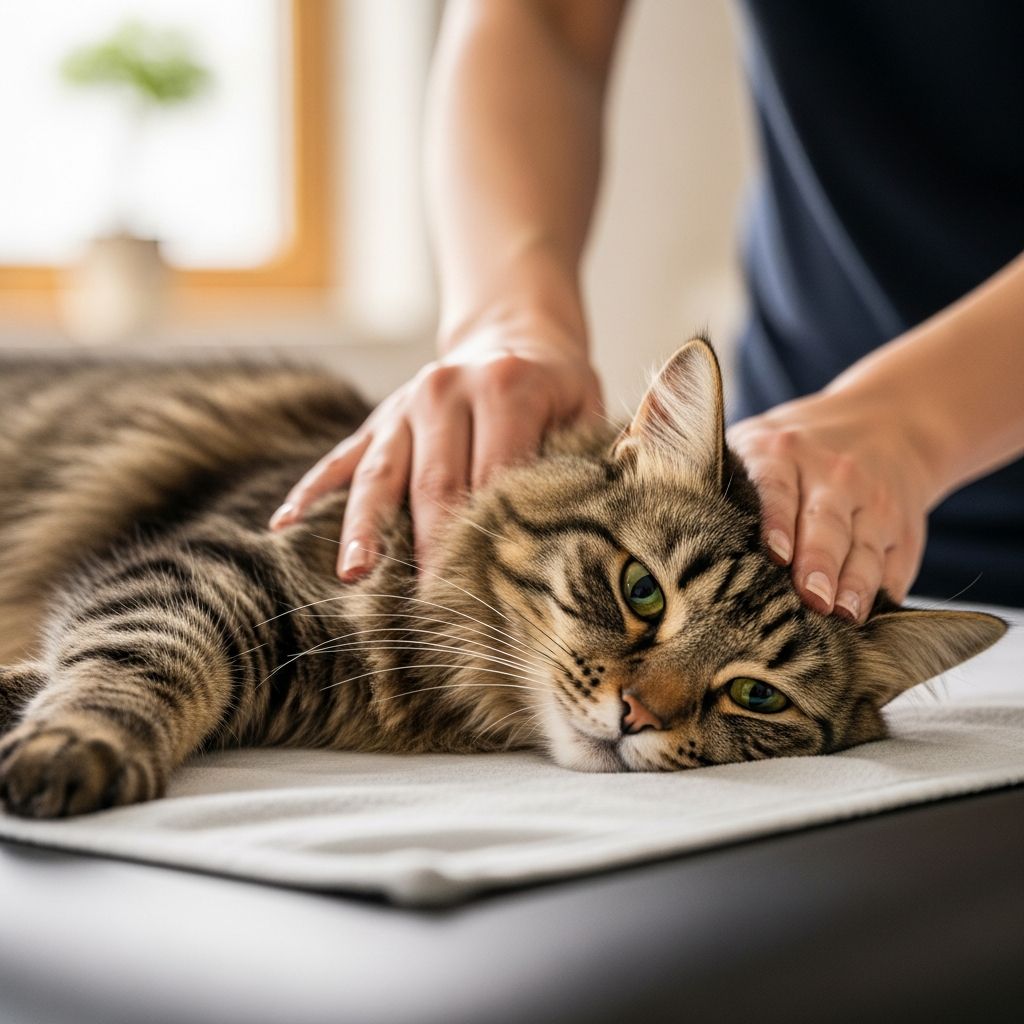
Therapeutic massage is a form of veterinary physiotherapy that involves treating your cat’s skin and muscles with gentle hand techniques. Unlike casual petting, therapeutic massage is a structured approach designed to promote healing, improve circulation, and enhance your feline companion’s overall quality of life. This ancient healing practice, which has benefited humans for thousands of years, has proven equally valuable for our beloved cats.
The primary goals of therapeutic massage for cats include relaxing tense muscles, stimulating blood circulation, relieving pain and discomfort, loosening tight muscles, and offsetting low muscle tone. Whether your cat is recovering from surgery, dealing with arthritis, or simply experiencing the stresses of daily life, massage therapy can provide significant therapeutic benefits.
Key Benefits of Therapeutic Massage
Therapeutic massage offers numerous advantages for cats of all ages. The most immediate benefit is improved circulation, as massage stimulates blood flow to various tissues, helping reduce stiffness and improve overall mobility. This enhanced circulation brings vital oxygen and nutrients to muscles and organs, supporting the body’s natural healing processes.
Beyond physical benefits, massage provides significant emotional and psychological advantages. The calming touch of therapeutic massage helps reduce anxiety and stress, promoting a profound sense of relaxation and well-being. Many cat owners report that their pets become more affectionate and trusting after regular massage sessions, as the gentle touch strengthens the bond between human and feline.
For cats dealing with specific health challenges, massage therapy can be particularly transformative. Senior cats suffering from arthritis, joint problems, torn or overextended muscles and ligaments, or recovery from injury and surgery all benefit from increased flexibility and reduced physical stress. Medication alone may control pain and inflammation, but massage actually facilitates the healing process by manipulating muscles, strengthening them, and helping pets release adhesions that limit movement.
Additionally, massage therapy can enhance skin and coat health by distributing natural oils across the skin surface, resulting in a healthier appearance and improved coat condition. For cats in periods of confinement or restricted movement, massage helps prevent muscle atrophy and improves flexibility when normal activities resume.
Common Massage Techniques for Cats
Professional massage therapists employ several evidence-based techniques to provide therapeutic benefits to cats. Understanding these techniques helps you appreciate what your cat experiences during a massage session and may enable you to safely perform some techniques at home under professional guidance.
Effleurage: The Foundation Technique
Effleurage is the fundamental massage stroke that typically opens and closes most massage sessions. This technique involves long, light-touch stroking movements, usually oriented along the lines of the muscles. Effleurage serves multiple purposes: it helps relax the cat and sets the stage for deeper work, allows the therapist to gauge tissue condition, and helps identify areas of increased tension, lumps, swelling, or temperature variations.
This gentle stroking technique affects primarily the superficial tissues and is used to assist with circulation of blood and lymph. Effleurage may be particularly effective at resolving edema, which is swelling caused by fluid accumulation in the body. Because of its gentle nature, effleurage is often the ideal starting point for cats who are nervous or unfamiliar with massage therapy.
Petrissage: Deep Muscle Work
Petrissage consists of kneading and rolling movements, particularly useful for massaging larger muscle groups. This deeper technique involves using your fingertips to gently knead the muscles along your cat’s back and shoulders. Deep kneading directly affects the muscle fibers, bringing blood and nutrients to the belly of the muscle while releasing toxins and muscle spasms.
Petrissage encompasses several variations including compression, digital kneading, finger stripping, one-handed and two-handed chucking, cross-fiber friction, angel wing techniques, and V-spread methods. Each variation targets slightly different muscle groups and tissue types, allowing therapists to customize treatment based on your cat’s specific needs and condition.
Friction Massage: Targeted Relief
Friction massage involves small, circular movements with the fingertips, targeting specific areas of tension. This technique employs stronger pressure than effleurage, applied either with or perpendicular to muscle fibers. Friction is excellent for relieving muscle knots and stiffness, and it may help break down fascial adhesions that restrict movement.
Because friction involves stronger pressure, therapists must apply it carefully to avoid causing discomfort. Professional massage therapists often alternate between friction and petrissage during a treatment session, using each technique strategically to address different tissue layers and problem areas.
Shaking or Vibration Techniques
Gentle shaking or vibration movements are used to relax muscles and may target specific muscle groups or entire limbs. This technique involves a gentle shaking motion that can be remarkably effective at releasing tension and promoting relaxation in cats who find gentle stroking most beneficial.
Concussive Strokes: Energizing Techniques
Concussive strokes include chopping, tapping, and tapotement movements that energize tissues and cause increased circulation of lymph and blood. These techniques may stimulate muscle tone and improve tissue response. The different variations allow therapists to vary the intensity and focus of treatment:
- Cupping: Used on the chest area to loosen mucus within the lungs
- Hacking: Applied to large muscle areas but never on the spine
- Tapping: May be used over the body and head to stimulate tissues
It’s important to note that tapotement and other stimulating techniques should never be used on cats with a history of abuse, as these energizing movements may trigger stress responses.
When Massage Is Not Appropriate
While therapeutic massage offers tremendous benefits for most cats, there are specific situations where massage should not be performed. Understanding these contraindications ensures your cat’s safety and prevents massage from delaying necessary veterinary care.
Massage should not be performed directly over open wounds, around unstable fractures, or when a cat is experiencing pain that is not yet appropriately controlled. The massage pressure could cause additional injury or exacerbate existing problems.
Additionally, massage should never be performed directly over tumors or areas that are infected, as this could spread infection or cause complications. Cats with blood-clotting problems require special caution, as massage may increase bleeding risk.
Cats suffering from fever, shock, infection, rashes, lumps, or immune disease typically do not benefit from massage, and attempting massage in these situations delays essential veterinary care. A certified practitioner of animal massage is trained in anatomy, movement, and observation, and will decline to proceed with treatment if they determine it poses any health risk to your cat.
Safety Considerations and Best Practices
When receiving or providing massage, several safety guidelines help ensure a positive and beneficial experience for your cat. Always be observant of your cat’s body language during massage. If your cat shows signs of discomfort—such as tail twitching, ear flattening, or attempting to move away—stop immediately and try again at a different time.
A cat that becomes agitated during a massage may bite or scratch, which can be associated with dangerous infections such as cat-scratch disease, caused by Pasteurella multocida bacteria, and other complications depending on the location and depth of injuries. Never force a massage on an unwilling cat.
Keep initial massage sessions short, starting with sessions of five to ten minutes and gradually increasing duration as your cat becomes more comfortable with the experience. Consistency matters significantly—regular short sessions are more beneficial than infrequent, lengthy ones. Most cats benefit from massage once or twice weekly, though frequency should be adjusted based on your cat’s individual response and needs.
Always consult your veterinarian before starting any new health practices, especially if your cat has existing health issues, is recovering from surgery, or has experienced recent trauma. Your vet can assess whether massage is appropriate for your cat’s specific situation and may recommend working with a certified animal massage therapist.
Working with Professional Massage Therapists
While some techniques can be performed at home after professional instruction, many cat owners benefit from working with certified animal massage therapists who have formal training in feline anatomy, movement, and assessment techniques. These professionals understand how to safely manipulate feline tissues, recognize when massage is contraindicated, and tailor treatments to individual cats’ needs.
A certified practitioner may teach you specific techniques that you can safely perform between professional massage sessions, extending the therapeutic benefits and deepening your connection with your cat. This collaborative approach combines professional expertise with the convenience and cost-effectiveness of home care.
Specialized Massage Methods
Beyond traditional massage techniques, several specialized methods have been developed specifically for feline health and wellness. The Tellington Touch Method, for example, involves specific circular touches, slides, and lifts used in conjunction with other physical therapy methods to address both physical and behavioral problems.
Connective tissue massage is another specialized approach, involving long slow strokes using the fingertips to stretch connective tissue. This reflex massage not only releases tension and relieves strains but also stimulates metabolism and positively influences organ function.
Stimulating massage, by contrast, aims at addressing muscle tension through nerve stimulation to strengthen muscles. This form is particularly important for cats with diseases that lead to muscle atrophy. Therapists may use aids such as porcupine balls or brushes to intensify the effects of stimulating massage.
Frequently Asked Questions
Can all cats benefit from massage?
Most cats can benefit from massage, but it’s essential to consider your cat’s individual temperament and health status. Some cats may not enjoy extensive touching, while others may have specific health conditions requiring a tailored approach. Senior cats, cats recovering from surgery, and cats with arthritis often show remarkable improvement with regular massage therapy.
How often should I massage my cat?
Start with massage once or twice weekly and adjust based on your cat’s response. Regular short sessions are more effective than infrequent, lengthy ones. Your veterinarian or certified massage therapist can provide specific recommendations based on your cat’s age, health status, and individual needs.
What should I do if my cat doesn’t like being massaged?
Respect your cat’s preferences and never force a massage. Try again at a different time or modify your technique to be gentler or focus on different areas. If your cat consistently dislikes massage, it may not be suitable for them, and that’s perfectly acceptable—not all cats enjoy this type of therapy.
Are there any risks associated with cat massage?
When done gently and correctly by a trained individual, cat massage is generally safe. However, always avoid massaging over injured areas, sore spots, lumps, or infected regions. Be particularly cautious with cats having blood-clotting disorders. Always consult your veterinarian if you’re unsure whether massage is appropriate for your cat’s specific situation.
How does massage help with arthritis and joint problems?
Massage improves flexibility, reduces physical stress on joints, enhances circulation to affected areas, and helps reduce pain and inflammation. While medication alone may control symptoms, massage actively facilitates healing by strengthening muscles that support joints and helping cats gradually return to normal movement patterns.
Can massage help cats recovering from surgery?
Yes, massage can significantly aid post-surgical recovery by improving circulation, reducing swelling, preventing muscle atrophy during periods of restricted activity, and helping cats regain flexibility and strength. However, wait until your veterinarian clears your cat for massage, as it should not be performed over surgical sites that are still healing.
Conclusion
Therapeutic massage represents a valuable addition to comprehensive feline health care. By promoting circulation, relieving pain, reducing stress, and strengthening the human-animal bond, massage therapy contributes significantly to your cat’s overall well-being and quality of life. Whether your cat is a senior dealing with arthritis, a young cat recovering from injury, or a healthy cat simply benefiting from stress relief, therapeutic massage offers gentle, drug-free benefits that complement veterinary care.
The key to successful massage is understanding your individual cat’s preferences, learning proper techniques from certified professionals, respecting your cat’s body language, and maintaining regular sessions. When combined with veterinary care and appropriate for your cat’s health status, therapeutic massage can be a transformative practice that enhances your cat’s physical health and emotional happiness.
References
- Therapeutic Massage and Your Cat — VCA Animal Hospitals. 2025. https://vcahospitals.com/know-your-pet/therapeutic-massage-and-your-cat
- The Benefits of Massage Therapy for Cats — PetPlace.com. 2025. https://www.petplace.com/article/cats/pet-health/massage-therapy-for-cats
- Massage, Heat, and Cold Therapy in Feline Rehabilitation — DVM360. 2024. https://www.dvm360.com/view/massage-heat-and-cold-therapy-in-feline-rehabilitation
- The Benefits of Pet Massage — Brandner Veterinary Hospital. 2024. https://brandnervet.com/articles/general/551121-the-benefits-of-pet-massage
- Manual Therapy for Cats — AniCura Deutschland. 2025. https://www.anicura.de/en/leistungen/katze/manual-therapy/
Similar Articles




Read full bio of Sneha Tete