

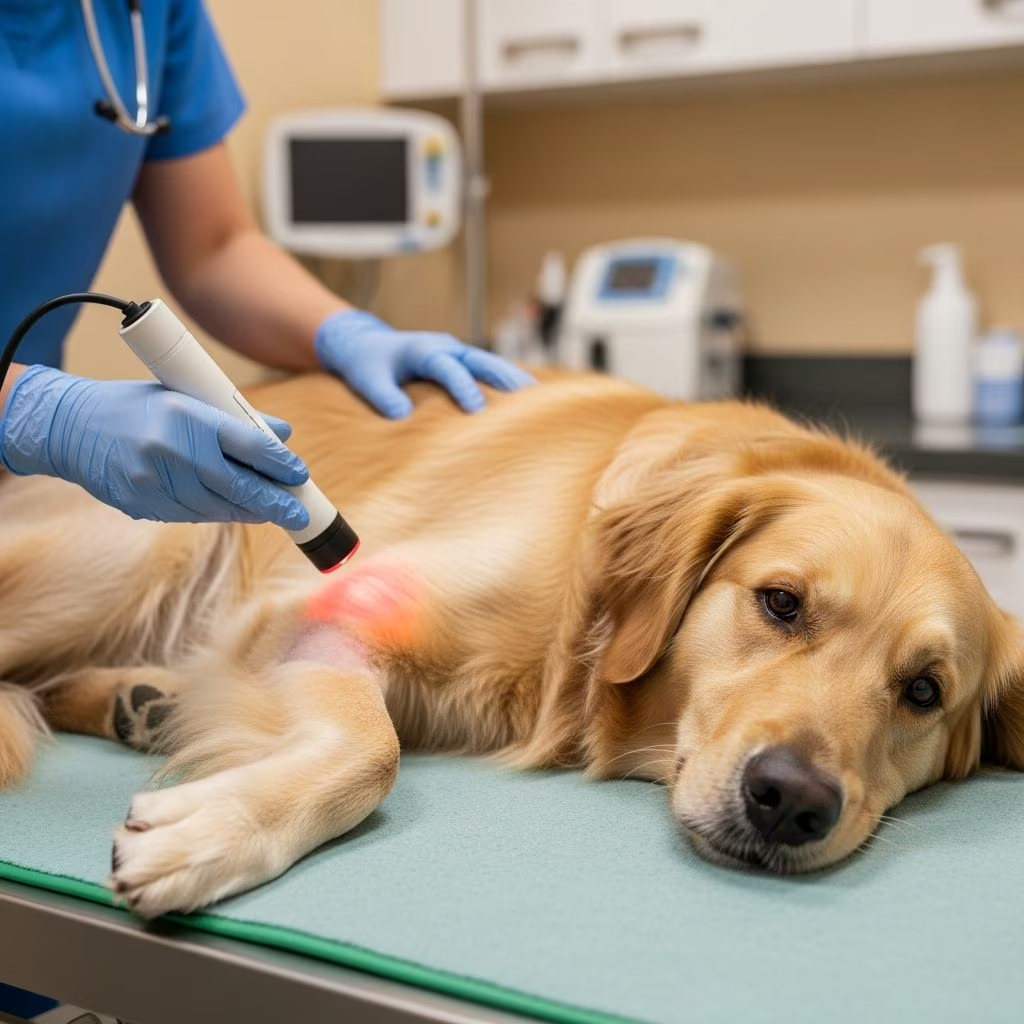
Understanding Therapeutic Laser Treatment for Pets
Therapeutic laser therapy has emerged as one of the most innovative non-invasive treatment options in modern veterinary medicine. This advanced technology uses specific wavelengths of light to penetrate deep into tissues, stimulating cellular activity and promoting healing without the need for surgery or medication. Pet owners and veterinarians alike have embraced therapeutic laser as a complementary or alternative approach to traditional pain management, offering remarkable results in treating various acute and chronic conditions.
The growing popularity of therapeutic laser therapy reflects its effectiveness, safety profile, and the positive outcomes experienced by countless pets across diverse age groups and health conditions. Whether your pet is recovering from surgery, suffering from chronic joint pain, or dealing with traumatic injuries, therapeutic laser treatment may offer a path toward improved quality of life and faster healing.
What Is Therapeutic Laser and How Does It Work?
Therapeutic laser operates through a process called photobiomodulation (PBM), which represents the interaction between laser light and living tissue. This sophisticated mechanism works at the cellular level, where laser light penetrates the skin and is absorbed by the mitochondria within cells, the powerhouse organelles responsible for energy production.
When the laser light reaches the cellular level, it triggers a cascade of biological responses. The primary effect involves boosting ATP (adenosine triphosphate) production, the cellular energy currency that fuels all biological processes. This increased cellular energy initiates a chain reaction of therapeutic effects throughout the affected tissues.
The Science Behind Pain Reduction
Therapeutic laser reduces pain through multiple mechanisms working synergistically. First, it decreases inflammation at the treatment site, which is often the root cause of pain in many conditions. Additionally, the laser decreases tissue chemicals that normally stimulate pain signals, providing dual relief. Perhaps most importantly, therapeutic laser affects nerve conduction, altering how pain signals travel through the nervous system, thereby reducing the pet’s perception of discomfort.
Enhancing Healing and Recovery
Beyond pain relief, therapeutic laser significantly enhances the body’s natural healing processes. The treatment increases microcirculation—the blood flow through the smallest blood vessels—ensuring that oxygen and nutrients reach damaged tissues more efficiently. This improved circulation is crucial for tissue repair and regeneration. Furthermore, therapeutic laser stimulates cellular activity and increases growth factors, specialized proteins that signal cells to grow, divide, and repair damaged tissue.
Conditions That Benefit from Therapeutic Laser
Therapeutic laser therapy has a remarkably broad range of applications in veterinary medicine. The most common uses include treating musculoskeletal conditions, post-operative recovery, and wound healing. However, the benefits extend far beyond these typical applications.
Primary Therapeutic Laser Applications
The most frequent clinical conditions treated with therapeutic laser include:
- Muscular sprains and strains, along with associated pain
- Osteoarthritis, with laser applied over affected joints and muscles
- Post-operative applications around surgical incisions
- Wounds requiring stimulation and accelerated healing
- General musculoskeletal pain in pets of any age
Additional Clinical Applications
Beyond the most common uses, therapeutic laser proves effective in treating a diverse array of conditions including:
- Bone fracture healing
- Lick granulomas (self-inflicted wounds from excessive licking)
- Tendon injuries and inflammation
- Complementary therapy alongside acupuncture treatments
- Joint and muscle conditions like hip dysplasia and elbow dysplasia
- Inflammatory bowel disease
- Post-surgical recovery and pain management
- Skin conditions including dermatitis and abrasions
Key Benefits of Therapeutic Laser Therapy
Pets receiving therapeutic laser treatment experience numerous scientifically-documented benefits that contribute to improved health outcomes and enhanced quality of life.
Accelerated Healing and Tissue Repair
One of the most impressive benefits of therapeutic laser is its ability to dramatically speed up the healing process. Research indicates that laser-treated wounds heal 30-50% faster than wounds healing through traditional methods alone. This accelerated healing applies to surgical wounds, traumatic injuries, and chronic wounds, making therapeutic laser particularly valuable in post-operative settings where quick recovery is essential.
Effective Pain Management
Therapeutic laser provides robust pain relief through multiple pathways, making it an excellent alternative to pharmaceutical pain management. The treatment reduces inflammation, decreases pain-signaling chemicals, and modulates nerve transmission, resulting in comprehensive pain relief that many pet owners notice after just a single session. This non-pharmaceutical approach is particularly valuable for pets with sensitivities to medications or those requiring long-term pain management.
Reduced Inflammation and Swelling
By enhancing blood flow and lymphatic drainage, therapeutic laser effectively reduces edema (swelling) and inflammation throughout the affected area. This reduction in swelling not only provides comfort but also facilitates better tissue function and mobility.
Improved Circulation
Enhanced blood perfusion ensures that healing tissues receive adequate oxygen and nutrients necessary for repair and regeneration. Improved circulation also supports the removal of metabolic waste products, further accelerating the healing process.
Strengthened Immune Function
Therapeutic laser can boost the immune system, enhancing the body’s natural defense mechanisms and promoting overall wellness. This benefit extends beyond the directly treated area, contributing to systemic health improvements in some cases.
Non-Invasive and Medication-Free
As a completely non-invasive treatment requiring no sedation, anesthesia, or medication, therapeutic laser offers a stress-free experience for pets. Most pets find the gentle warmth of the laser soothing, and treatments can be performed without shaving or clipping the area. This accessibility makes it an excellent option for senior pets, those with medication sensitivities, or situations where surgery isn’t feasible.
Treatment Process and What to Expect
Understanding the treatment process helps pet owners feel confident about choosing therapeutic laser for their companions. The procedure is straightforward and generally well-tolerated by pets of all temperaments.
The Therapy Session
During a therapeutic laser session, the veterinarian positions the laser device over the affected area. The laser emits a beam of light that generates a gentle, soothing warmth as it penetrates the tissues. The specific wavelengths used in therapeutic laser work at the cellular level without damaging healthy tissue, making the procedure completely safe for pets.
Treatment Frequency and Duration
While some pets experience noticeable improvement after a single laser treatment, particularly in reducing swelling and accelerating post-operative healing, more chronic and severe conditions typically require multiple treatment sessions to achieve full benefits. The exact treatment protocol depends on the specific condition being addressed, the severity of the problem, and the individual pet’s response to therapy.
Recovery and Results
One of the remarkable aspects of therapeutic laser therapy is that there is no downtime or recovery period required. Pets can return to their normal activities immediately following treatment. Many pet owners report that their companions show improvements in comfort and mobility within the first few sessions, with continued improvement over subsequent treatments.
Safety and Side Effects
Pet owners naturally want assurance about the safety of any treatment they consider for their companions. Therapeutic laser therapy has an excellent safety profile backed by extensive research and clinical use.
Proven Safety Record
Therapeutic laser therapy has no known negative side effects when administered by trained veterinary professionals. The treatment is non-invasive, requires no downtime, and poses no habit-forming risks unlike many pharmaceutical pain relievers and anti-inflammatory medications. Modern therapeutic lasers, particularly advanced multiwave systems, offer a higher safety profile than earlier generation Class IV therapy lasers, with enhanced design features that minimize the risk of thermal collateral tissue damage.
Who Can Receive Laser Therapy
Most pets can safely receive therapeutic laser treatment. Dogs don’t typically need to be sedated unless they’re anxious or easily excitable, and the area doesn’t require shaving or clipping beforehand. This accessibility makes therapeutic laser suitable for pets across different age groups, from young animals with traumatic injuries to senior pets with chronic degenerative conditions.
Comparing Therapeutic Laser to Other Treatment Options
| Treatment Option | Invasiveness | Recovery Time | Medication Required | Cost Range | Best For |
|---|---|---|---|---|---|
| Therapeutic Laser | Non-invasive | None | No | $$ | Pain relief, inflammation, healing |
| Surgical Intervention | Highly invasive | Weeks to months | Yes | $$$ | Structural damage, urgent conditions |
| Pharmaceutical Pain Management | Non-invasive | N/A | Yes | $-$$ | Pain relief (ongoing) |
| Physical Rehabilitation | Non-invasive | Varies | Sometimes | $$ | Mobility and strength |
Research and Clinical Evidence
The effectiveness of therapeutic laser therapy isn’t merely anecdotal—it’s supported by rigorous scientific research from respected institutions worldwide. A 2020 study demonstrated that dogs with arthritis receiving laser therapy showed significantly less pain as measured by veterinary assessment and pet parent observations. Parents in this study reported improvements in their dogs’ quality of life after the first session, with continued improvement over an eight-week treatment period.
Advanced therapeutic laser systems have undergone extensive biomedical and clinical research. Studies from Italy’s University of Turin and Brazil’s University of Padova have verified that advanced laser therapy systems provide more efficient biostimulatory results using less energy in considerably reduced treatment times compared to traditional low-level laser therapy.
When to Consider Therapeutic Laser for Your Pet
Therapeutic laser therapy can be valuable in numerous situations. Consider this treatment option if your pet experiences musculoskeletal pain, has limited surgical candidacy, requires post-operative pain management, needs wound healing acceleration, or suffers from chronic conditions like osteoarthritis. It’s also an excellent complementary treatment when used alongside traditional veterinary care and medications.
Frequently Asked Questions
Q: Is therapeutic laser therapy painful for my pet?
A: No, therapeutic laser therapy is completely painless. Most pets find the gentle warmth of the laser soothing and relaxing. The treatment causes no discomfort and doesn’t require sedation in most cases.
Q: How many laser therapy sessions will my pet need?
A: The number of sessions depends on your pet’s specific condition, its severity, and individual response to therapy. While some conditions show improvement after a single session, chronic conditions typically require multiple treatments. Your veterinarian will recommend an appropriate treatment plan based on your pet’s needs.
Q: Can therapeutic laser therapy be used alongside other treatments?
A: Yes, therapeutic laser therapy works excellently as a complementary treatment alongside traditional medications, physical rehabilitation, and other veterinary interventions. It can enhance overall treatment effectiveness and may reduce dependence on medications in some cases.
Q: How quickly will I see results from therapeutic laser therapy?
A: Many pet owners notice improvements in their pet’s comfort and mobility within the first few sessions. Laser-treated wounds heal 30-50% faster than untreated wounds, and some pets show dramatic improvement in pain levels after just one treatment.
Q: Are there any pets that shouldn’t receive therapeutic laser therapy?
A: Therapeutic laser therapy is safe for most pets. However, your veterinarian should be consulted about individual circumstances, particularly regarding certain medications or medical conditions. Generally, the treatment is accessible to pets of all ages and temperaments.
Q: What’s the difference between therapeutic laser and other laser treatments?
A: Therapeutic or Class IV lasers use specific wavelengths optimized for tissue penetration and cellular stimulation. They differ from other laser systems in their wavelength selection, power output, and safety features designed specifically for therapeutic purposes in veterinary medicine.
Q: Can therapeutic laser therapy prevent chronic conditions from developing?
A: While therapeutic laser is primarily used to treat existing conditions, its ability to boost the immune system and improve overall range of motion and strength suggests it may have preventive potential. Discuss with your veterinarian whether preventive laser therapy might benefit your pet’s health.
Conclusion
Therapeutic laser therapy represents a significant advancement in veterinary medicine, offering pet owners a safe, non-invasive, and highly effective treatment option for pain management, inflammation reduction, and accelerated healing. Whether your pet is recovering from surgery, managing chronic joint pain, or dealing with traumatic injuries, therapeutic laser therapy may provide the relief and improved quality of life your companion deserves. Consult with your veterinarian to determine whether therapeutic laser therapy is appropriate for your pet’s specific health needs and condition.
References
- Illuminating the Benefits of Laser Therapy in Veterinary Medicine — DVM 360. Accessed 2025. https://www.dvm360.com/view/illuminating-the-benefits-of-laser-therapy-in-veterinary-medicine
- Warm Veterinary Laser Therapy for Cats & Dogs — Oak Glen Animal Hospital. Accessed 2025. https://www.oakglenanimalhospital.com/site/veterinary-services-yucaipa/warm-laser-therapy
- Veterinary MLS Laser Therapy Science — Class 4 Lasers. Accessed 2025. https://celasers.com/veterinary-mls-laser-therapy/
- Laser Therapy at Hidden Valley Animal Hospital — Hidden Valley Animal Hospital. Accessed 2025. https://www.hiddenvalleyanimalhospital.com/services/laser-therapy
- Therapeutic Laser — VCA Animal Hospitals. Accessed 2025. https://vcahospitals.com/know-your-pet/therapeutic-laser
- Laser Therapy for Dogs — PetMD. 2025. https://www.petmd.com/dog/procedure/laser-therapy-for-dogs
- Laser Therapy in Pets: Your Questions Answered — Dove Mountain Veterinary. Accessed 2025. https://www.dovemountainvet.com/blog/laser-therapy-for-pets-your-questions-answered



