

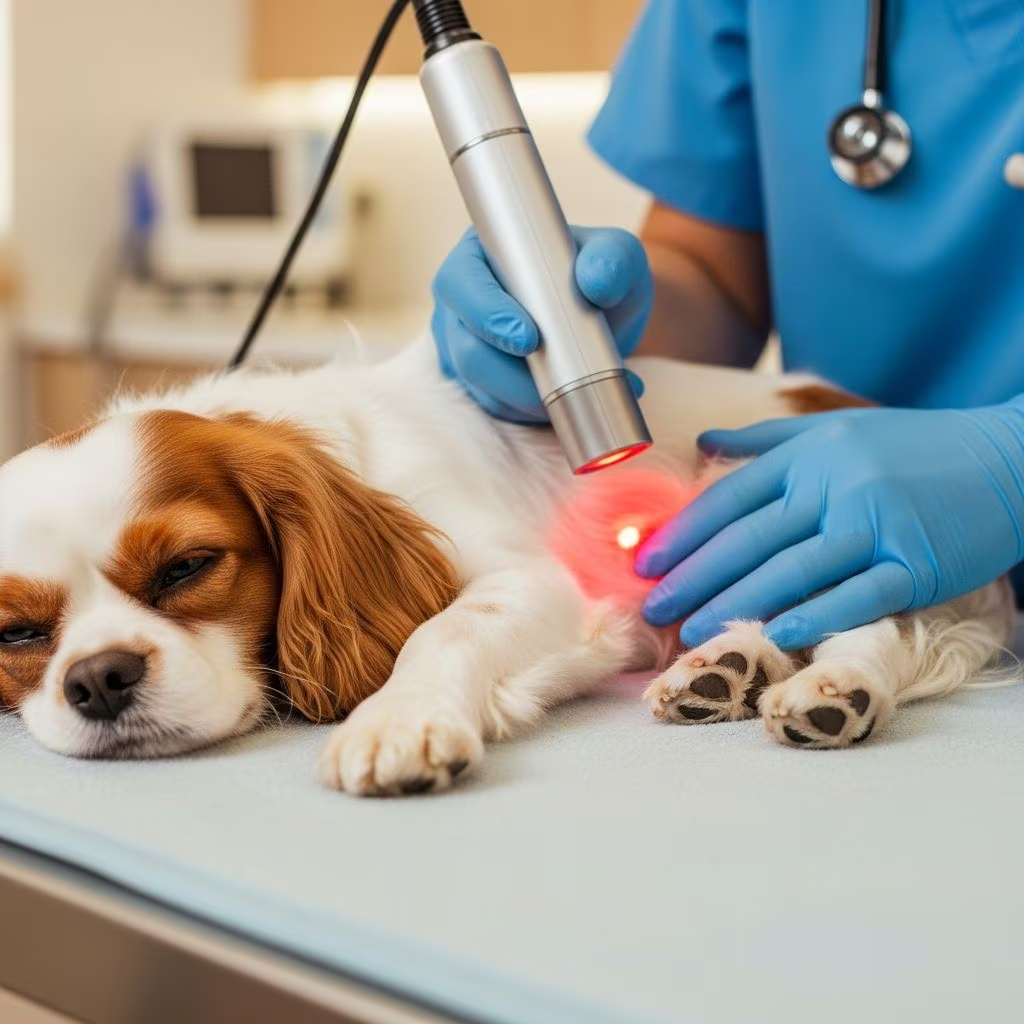
Understanding Therapeutic Laser for Pets
Therapeutic laser has emerged as one of the most innovative and effective non-invasive treatment options available in modern veterinary medicine. This advanced technology uses specific wavelengths of light to stimulate the body’s natural healing processes, providing relief from pain and promoting tissue repair without the need for surgery or long-term medication. Pet owners and veterinarians increasingly turn to therapeutic laser as a safe, drug-free alternative for managing various health conditions in companion animals.
The growing popularity of therapeutic laser reflects a broader shift toward holistic pet care approaches that prioritize the animal’s overall well-being while minimizing potential side effects associated with traditional treatments. Whether your pet is recovering from surgery, dealing with chronic arthritis, or healing from an injury, therapeutic laser offers a promising solution backed by scientific research and clinical experience.
How Therapeutic Laser Works
Therapeutic laser operates through a sophisticated biological process known as photobiomodulation, which represents the interaction between laser light and living tissue. Understanding this mechanism helps pet owners appreciate why this treatment has become such an effective tool in veterinary care.
The Photobiomodulation Process
When therapeutic laser light penetrates the skin and reaches affected tissues, it interacts with the mitochondria within cells, triggering a cascade of beneficial biological effects. The laser light stimulates the production of adenosine triphosphate (ATP), which is essentially the energy currency of cells. This increased cellular energy initiates multiple healing responses throughout the body.
The process creates several critical consequences in the body’s cells. First, it reduces pain through multiple mechanisms: decreasing inflammation, lowering tissue chemicals that stimulate pain signals, and affecting nerve conduction itself. Second, it enhances healing by increasing microcirculation—the blood flow through the smaller blood vessels throughout the body—stimulating cellular activity, and increasing growth factors that support tissue regeneration.
Cellular and Physiological Effects
Beyond the basic ATP production, therapeutic laser triggers numerous secondary effects that compound its healing benefits:
- Increased production of RNA and cellular proteins
- Enhanced cellular proliferation and differentiation
- Release of growth factors that support fibroblast activity
- Increased production of extracellular matrix molecules
- Modulation of inflammatory processes at the cellular level
- Remodeling of damaged tissue structures
- Induction of lymphatic and vascular regeneration
- Stimulation of endothelial function for improved circulation
- Reduction of swelling and edema reabsorption times
- Prevention of scar tissue formation
These interconnected effects work synergistically to accelerate tissue repair, improve circulation, and reduce inflammation—the three pillars of therapeutic laser’s effectiveness.
Conditions That Benefit from Therapeutic Laser
Therapeutic laser has proven effective for treating a wide range of veterinary conditions, making it a versatile tool in modern pet healthcare. The most common applications include:
Musculoskeletal Pain and Injuries
Muscular sprains and strains are among the most frequent reasons pet owners seek therapeutic laser treatment. These injuries often result from overexertion, falls, or accidents, causing inflammation and pain that limits a pet’s mobility. Therapeutic laser reduces pain and accelerates healing of damaged muscle tissue, helping pets return to normal activity more quickly.
Osteoarthritis and Joint Conditions
Osteoarthritis represents one of the most common chronic conditions affecting pets, particularly as they age. Therapeutic laser treatment targets painful joints and surrounding muscles, reducing inflammation and improving mobility. By decreasing pain and promoting tissue repair, laser therapy helps arthritic pets maintain better quality of life and increased activity levels. Studies have demonstrated that dogs receiving laser therapy for arthritis showed measurable improvements in pain levels and overall quality of life, with pet parents reporting noticeable improvements after the first session.
Post-Operative Recovery
After surgical procedures, therapeutic laser accelerates healing around incisions by stimulating tissue repair and reducing post-operative pain and swelling. This application helps minimize discomfort during recovery and reduces the need for prolonged pain medication, allowing pets to resume normal activities sooner.
Wound Healing and Tissue Repair
Therapeutic laser stimulates and accelerates the healing process for various types of wounds, including cuts, burns, and abrasions. The treatment promotes new blood vessel formation and collagen production, which strengthens healing tissue and reduces scarring. This makes laser therapy particularly valuable for injuries that might otherwise heal slowly or result in significant scarring.
Additional Clinical Applications
Beyond these primary uses, therapeutic laser has demonstrated effectiveness for:
- Bone fracture healing and repair
- Lick granulomas and chronic skin lesions
- Tendon and ligament injuries
- Complementary treatment alongside acupuncture
- Inflammatory conditions affecting various tissues
Key Benefits of Therapeutic Laser
The advantages of therapeutic laser treatment extend far beyond simple pain relief, offering comprehensive benefits that improve pets’ overall health and quality of life.
Pain Reduction
Therapeutic laser reduces pain through multiple mechanisms: decreasing inflammation, lowering pain-stimulating tissue chemicals, and affecting nerve conduction pathways. This multi-faceted approach to pain management makes laser therapy effective even for chronic pain conditions that may not respond well to medications.
Inflammation Reduction
Decreased inflammation represents a primary clinical benefit of therapeutic laser use in pets. By modulating inflammatory processes at the cellular level, laser therapy addresses the root cause of many pet health problems rather than just treating symptoms.
Accelerated Healing
Through increased blood flow, enhanced cellular activity, and stimulated growth factors, therapeutic laser dramatically speeds up the body’s natural healing processes. This acceleration benefits wounds, surgical sites, fractures, and any tissue damage that requires repair.
Improved Circulation
Vasodilation—the widening of blood vessels—is a direct result of therapeutic laser treatment. This increased blood flow delivers oxygen and healing cells to damaged tissues, supporting the repair process and improving overall tissue health.
Non-Invasive and Drug-Free
Unlike surgery or long-term medication protocols, therapeutic laser offers a completely non-invasive, drug-free treatment option with no known negative side effects and no downtime required. This makes it particularly valuable for pets that cannot tolerate certain medications or for those requiring long-term pain management.
Ease of Administration
Therapeutic laser treatment is remarkably easy to administer. Most pets don’t require sedation unless they’re too excited or stressed to remain still. The veterinarian doesn’t need to shave or clip the treatment area, and dogs typically respond well to the therapy with minimal stress.
Ideal Candidates for Therapeutic Laser Treatment
Certain categories of pets benefit especially from therapeutic laser therapy, particularly those with limited treatment options through conventional methods.
Pets with Liver Disease
Pets diagnosed with liver disease often cannot safely take pain medications or anti-inflammatory drugs that are metabolized by the liver. For these animals, therapeutic laser provides a safe treatment alternative that bypasses hepatic processing entirely.
Cats with Limited Pain Options
Cats present unique challenges in pain management, as only a limited number of pain-control medications have been approved for feline use. Therapeutic laser offers cats access to effective pain relief without pharmaceutical interventions that may carry feline-specific risks.
Exotic Pets
Exotic pet species often have limited approved medications and difficult medication administration protocols. Therapeutic laser provides these animals with an effective treatment option that doesn’t depend on oral, injectable, or other medication routes that may be challenging or impossible to use.
Senior and Geriatric Pets
Older pets frequently develop diminished organ function, making them poor candidates for long-term medication use. Therapeutic laser addresses their pain and healing needs without taxing compromised organ systems, making it an ideal choice for geriatric animal care.
Safety and Side Effects
One of the most compelling advantages of therapeutic laser is its exceptional safety profile. Modern therapeutic laser systems, particularly those using patented Multiwave Locked System technology, offer higher safety standards than many other Class IV therapy lasers available on the market.
Therapeutic laser therapy has no known negative side effects, requires no downtime, and is completely non-habit-forming—a significant advantage over pharmaceutical pain management options that may lead to dependency issues. The treatment can be safely administered using various application methods, including scanning or point-to-point techniques, without risk of thermal collateral tissue damage.
The safety profile of therapeutic laser has been established through rigorous scientific research, including in vitro testing, in vivo studies, and controlled clinical trials conducted by major state-of-the-art health organizations. Major universities, including Italy’s University of Turin and Brazil’s University of Padova, have studied and verified the clinical effectiveness of therapeutic laser technology, confirming both its efficacy and safety.
Frequently Asked Questions About Therapeutic Laser
Q: How long does a typical therapeutic laser treatment session last?
A: Treatment duration varies depending on the condition being treated, the size of the treatment area, and the specific laser system used. Sessions typically range from 10 to 20 minutes, making it a quick and convenient option for busy pet owners.
Q: How many therapeutic laser sessions will my pet need?
A: The number of sessions required depends on the specific condition, its severity, and how quickly your pet responds to treatment. Some acute conditions may improve with just a few sessions, while chronic conditions like arthritis may benefit from ongoing periodic treatments.
Q: Does therapeutic laser hurt or cause discomfort?
A: No, therapeutic laser treatment is completely painless. Most pets find the experience pleasant, and many show immediate signs of relaxation during treatment. The warm sensation of the laser light is generally well-tolerated by animals of all types.
Q: Can therapeutic laser be used alongside other treatments?
A: Yes, therapeutic laser works well as a complementary treatment alongside other veterinary therapies, including acupuncture, physical rehabilitation, and targeted medication protocols when necessary.
Q: When will I see results from therapeutic laser treatment?
A: Many pet owners report seeing improvements after the first session, particularly regarding pain and mobility. Continued improvement typically occurs over subsequent sessions as healing progresses.
Q: Is therapeutic laser appropriate for all ages of pets?
A: Yes, therapeutic laser can be safely used for pets of all ages, from young animals recovering from injuries to senior pets managing chronic conditions. The non-invasive nature and safety profile make it suitable across the entire lifespan.
Q: Can therapeutic laser prevent future injuries or degenerative conditions?
A: While primarily used for treatment, some veterinarians recommend therapeutic laser as a maintenance therapy for pets prone to recurring injuries or showing early signs of degenerative conditions. Discuss preventative options with your veterinarian.
Getting Started with Therapeutic Laser for Your Pet
If you believe your pet might benefit from therapeutic laser treatment, the first step is to consult with your veterinarian. During this consultation, your vet will evaluate your pet’s condition, discuss the potential benefits of laser therapy, and develop a personalized treatment plan tailored to your pet’s specific needs.
Your veterinarian can determine whether therapeutic laser is appropriate for your pet’s condition, estimate the likely number of treatments needed, and establish a schedule that works for your family. As with any veterinary treatment, early intervention often yields the best results, so discussing this option with your vet as soon as you notice pain, mobility issues, or other treatable conditions is advisable.
Therapeutic laser represents a significant advancement in veterinary medicine, offering pet owners and their veterinarians a powerful tool for pain management and tissue healing. By harnessing the body’s natural healing processes through photobiomodulation, therapeutic laser provides effective, safe, and humane care for a wide range of pet health conditions.
References
- Laser Therapy for Pets: Benefits and Uses — Animal Cove. 2025. https://animalcove.com/laser-therapy-for-pets-benefits-and-uses/
- What is veterinary laser therapy? — American Animal Hospital Association (AAHA). https://www.aaha.org/resources/laser-therapy/
- Veterinary MLS Laser Therapy Science — Cutting Edge Lasers. https://celasers.com/veterinary-mls-laser-therapy/
- Therapeutic Laser Treatment For Pain Relief & Healing — Lone Tree Veterinary Medical Center. https://lonetree.vet/pet-therapy-laser-omaha-ne/
- Therapeutic Laser — VCA Animal Hospitals. https://vcahospitals.com/know-your-pet/therapeutic-laser
- Laser Therapy for Dogs — PetMD. https://www.petmd.com/dog/procedure/laser-therapy-for-dogs
- Therapeutic Laser Therapy for Pets: Safe, Fast Healing Option — Greenpoint Veterinary Care. https://www.greenpointvetcare.com/how-therapeutic-laser-therapy-supports-faster-healing-in-pets/



