

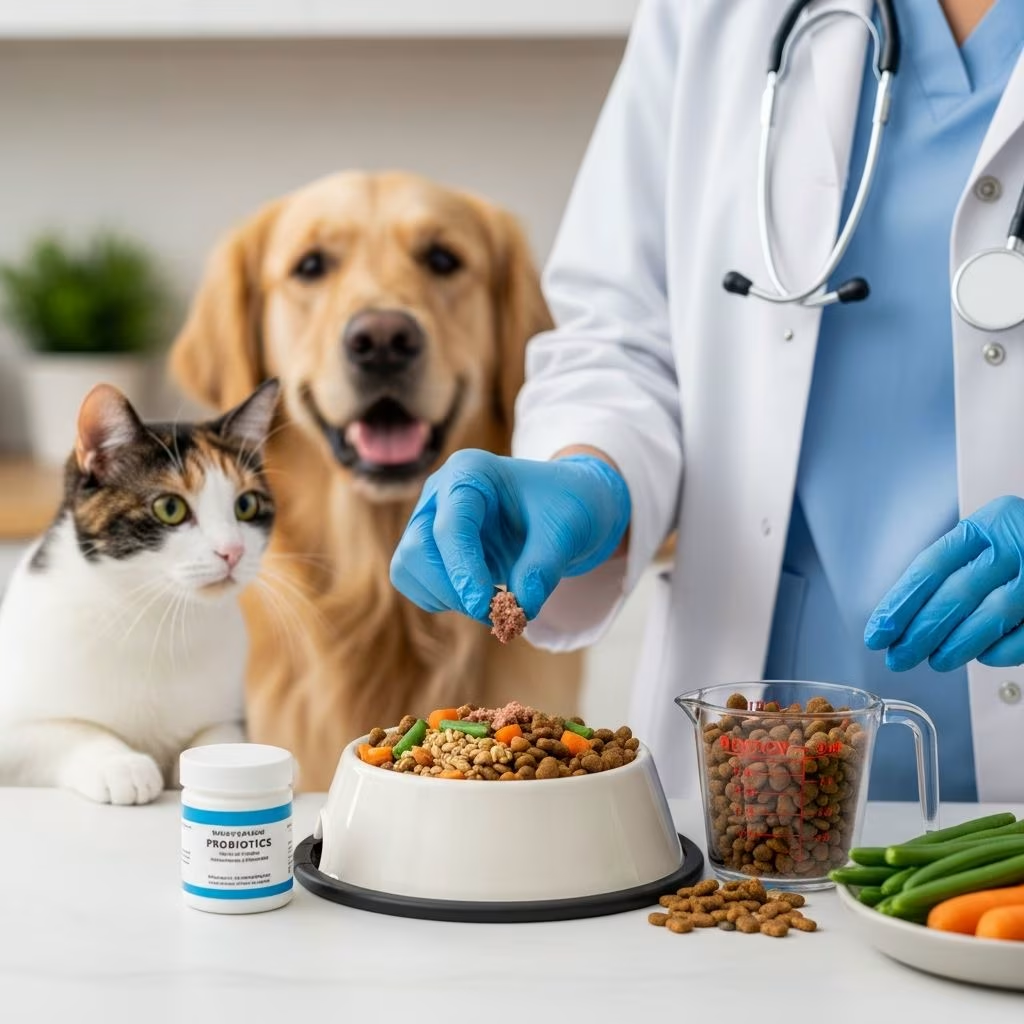
Understanding Nutrition’s Role in Animal Healthcare
While many pet owners assume that diet alone can resolve health issues, the reality is more nuanced. Nutritional intervention serves as a complementary component of comprehensive disease management rather than a standalone cure. For dogs and cats experiencing various health challenges, the relationship between feeding practices, disease progression, and recovery outcomes involves multiple interconnected factors that require careful consideration.
The complexity of treating sick animals lies in understanding that nutritional demands shift during illness. Although the fundamental nutrient categories needed by healthy pets remain consistent, the quantities and ratios of these nutrients may change significantly. Some conditions demand increased amounts of specific nutrients to support healing and immune function, while others necessitate strict reduction or elimination of certain dietary components that might exacerbate symptoms or trigger adverse reactions.
Identifying and Managing Food-Related Sensitivities
One of the most common reasons veterinarians recommend specialized feeding protocols involves suspected adverse reactions to food. These reactions can manifest through various clinical presentations, making diagnosis challenging without systematic investigation. The gold standard for determining food sensitivities involves conducting controlled dietary trials, which require strict adherence to specific feeding protocols.
Duration and Structure of Elimination Trials
The timeframe for conducting elimination trials varies depending on the primary symptoms the animal is experiencing. Gastrointestinal manifestations typically respond more rapidly to dietary changes, with observable improvements often occurring within two to four weeks. In contrast, dermatological issues—such as chronic itching, skin inflammation, or recurring infections—demand extended observation periods, generally ranging from eight to twelve weeks, because skin conditions often take considerably longer to improve after dietary modifications begin.
During the trial period, the feeding approach must be exceptionally strict. The animal should receive only a single novel protein source that it has not previously consumed, or alternatively, a hydrolyzed protein formulation. Before implementing any elimination diet, obtaining a comprehensive dietary history from the pet owner proves essential for selecting the most appropriate trial diet and identifying all potential problematic ingredients.
Novel Protein Diets Versus Hydrolyzed Formulations
Two primary dietary approaches address food sensitivities, each with distinct advantages and considerations:
- Novel Protein Diets: These formulations feature protein sources the animal has never consumed, preventing prior sensitization. The selection should be based on the animal’s complete dietary history. These diets maintain intact protein structures but avoid triggering allergens through unfamiliar sources.
- Hydrolyzed Protein Diets: These specialized diets break down protein molecules into smaller peptide fragments through enzymatic processing. Since allergic reactions require intact protein chains to bridge immunoglobulin E (IgE) molecules and trigger histamine release, the fragmented proteins in hydrolyzed formulations cannot initiate this cascade. However, the extent of protein breakdown varies among commercial products, and some animals may still react depending on hydrolysis levels.
The choice between these approaches should be individualized based on the animal’s history, the owner’s preferences, cost considerations, and veterinary recommendation. Hydrolyzed diets, while effective for many animals, typically carry a higher price point due to specialized processing and quality control requirements.
Maintaining Trial Diet Integrity
One of the most frequent causes of failed elimination trials involves inadvertent exposure to problematic ingredients through unexpected sources. Beyond the primary diet, all treats, snacks, table scraps, and flavored medications must be eliminated unless they contain identical ingredients or hydrolyzed proteins. Many supplements and chewable medications contain standard pet food proteins and additives that can sabotage an otherwise rigorous trial.
Product formulation consistency also matters significantly. Selecting diets with fixed formulations—where ingredient composition remains identical between production batches—ensures reliability and reduces the risk of contamination from manufacturing processes. Though these carefully controlled products cost more than standard options, the additional expense reflects superior quality control and cross-contamination prevention protocols.
Interpreting Trial Results and Long-Term Management
Following the completion of an elimination trial, veterinarians may recommend systematic reintroduction of individual suspected ingredients to confirm which components trigger adverse reactions. Clinical signs from reintroduced ingredients can appear within twelve hours or may take up to ten days to manifest. Once problematic ingredients are positively identified, lifelong dietary avoidance becomes the treatment strategy, though this approach presents challenges if the offending substances remain unidentified.
Concurrent treatments, including hyposensitization therapy and aggressive flea control programs, often prove necessary alongside dietary management, particularly when animals have multiple concurrent conditions contributing to their clinical signs.
Strategic Weight Management Through Therapeutic Nutrition
Obesity represents one of the most prevalent nutritional disorders in companion animals, contributing to numerous secondary health conditions and reducing quality of life. However, weight reduction requires specialized approaches that maintain overall health while restricting caloric intake.
Why Standard Maintenance Diets Fall Short
A common mistake involves feeding standard maintenance diets in reduced quantities to achieve weight loss. These formulations are designed to meet the nutritional needs of moderately active adults at normal feeding levels. When portions are restricted to reduce calories, the resulting intake of essential micronutrients becomes inadequate, creating nutritional deficiencies despite perceived adequate feeding. Research has documented numerous micronutrient deficiencies—including vitamins, minerals, and amino acids—when animals are fed standard diets in calorically restricted amounts.
Characteristics of Therapeutic Weight Loss Formulations
Specialized weight management diets address this challenge through deliberate nutritional modifications:
| Dietary Component | Modification | Rationale |
|---|---|---|
| Calories | Reduced overall energy density | Supports weight loss while maintaining portion sizes |
| Protein | Elevated levels | Preserves lean muscle mass during weight reduction |
| Fiber | Increased content | Promotes satiety and reduces hunger perception |
| Amino Acids | L-carnitine supplementation | Supports fat metabolism and muscle preservation |
| Micronutrients | Balanced and concentrated | Ensures adequate intake despite reduced portions |
Feeding Frequency and Portion Management
Beyond diet selection, meal frequency significantly influences weight loss success and hunger management. Rather than feeding a single large meal containing the total daily caloric allowance, dividing intake across multiple smaller meals helps stabilize blood sugar, maintain satiety between feedings, and reduce excessive hunger that often leads to owners providing additional food or treats.
Specialized Considerations for Therapeutic Feeding
Beyond elimination diets and weight management, veterinary nutrition addresses numerous other disease states and health conditions. Animals recovering from surgery, experiencing critical illness, or managing chronic metabolic diseases benefit from nutrition services that extend beyond simple diet selection.
Critical Care and Assisted Nutrition Support
Animals unable to consume adequate nutrition voluntarily require specialized feeding support. Board-certified veterinary nutritionists design customized feeding plans utilizing various delivery methods, from temporary assisted feeding tubes providing enteral nutrition to intravenous nutritional formulations for animals with digestive system compromise. These specialized interventions require careful monitoring and adjustment based on individual response.
Home-Prepared Diet Considerations
While some conditions may necessitate home-prepared diets when appropriate commercial alternatives don’t exist, these formulations carry significant risk of nutritional imbalance. Surveys examining home-cooked diets frequently reveal deficiencies in calcium, trace minerals, vitamin D, and essential fatty acids. During growth periods, such deficiencies can cause permanent skeletal and metabolic damage, including nutritional secondary hyperparathyroidism and osteopenia in both puppies and kittens.
Consultation with board-certified veterinary nutritionists provides the most accurate dietary analysis and formulation guidance. These specialists can ensure appropriate nutrient ratios, mineral balances, and vitamin supplementation that home preparation might otherwise fail to provide.
Key Principles for Successful Therapeutic Feeding
- Obtain comprehensive dietary histories before implementing any elimination or therapeutic diet
- Select diets with fixed formulations and demonstrated quality control procedures
- Maintain absolute dietary trial integrity by eliminating all potential sources of problematic ingredients
- Use breed-appropriate and condition-specific feeding recommendations rather than generic approaches
- Monitor animals regularly and adjust nutritional plans based on clinical response and body condition scoring
- Combine dietary management with other necessary treatments such as medications or behavioral modifications
- Consult board-certified veterinary nutritionists for complex cases, home-prepared diets, or animals with multiple concurrent conditions
- Educate pet owners about the importance of strict adherence to prescribed feeding protocols
Frequently Asked Questions About Therapeutic Feeding
How quickly should I expect to see improvements after changing my pet’s diet?
Gastrointestinal symptoms often improve within two to four weeks, while skin conditions typically require eight to twelve weeks of consistent feeding before meaningful improvement occurs. Some animals show dramatic changes within days, while others progress more gradually.
Can I use treats during an elimination diet trial?
Only treats manufactured from identical ingredients as the trial diet or containing hydrolyzed proteins are permitted. All flavored medications and supplements must be evaluated for compatibility with the trial diet, as most contain proteins and additives that could compromise the trial.
Why are prescription weight loss diets so expensive?
Therapeutic weight management formulations cost more because they maintain adequate micronutrient levels while restricting calories, require specialized ingredient sourcing, and utilize quality control procedures to ensure consistent formulations between production batches.
What should I do if my pet doesn’t improve on the elimination diet?
Consult with your veterinarian about alternative diagnoses, concurrent diseases, or environmental factors contributing to clinical signs. Some conditions aren’t primarily food-related and may require different management approaches.
Is home cooking better than commercial therapeutic diets?
While home-cooked diets may be necessary for animals with multiple concurrent conditions, they require expert formulation to avoid nutritional deficiencies. Commercial therapeutic diets have undergone quality testing and contain appropriate nutrient balances. A veterinary nutritionist should evaluate any home-prepared diet.
References
- Nutrition in Disease Management in Small Animals — Merck Veterinary Manual, University of Georgia College of Veterinary Medicine. 2024. https://www.merckvetmanual.com/management-and-nutrition/nutrition-small-animals/nutrition-in-disease-management-in-small-animals
- Nutrition in Disease Management in Small Animals — MSD Veterinary Manual. 2024. https://www.msdvetmanual.com/management-and-nutrition/nutrition-small-animals/nutrition-in-disease-management-in-small-animals
- Novel Trends in Small Animal Nutrition: A Practical Guide — Today’s Veterinary Practice. 2024. https://todaysveterinarypractice.com/nutrition/novel-trends-in-small-animal-nutrition-a-practical-guide/
- Global Guidelines — World Small Animal Veterinary Association (WSAVA). 2024. https://wsava.org/global-guidelines/global-nutrition-guidelines/
- Nutrition Matters — American Veterinary Medical Association (AVMA). 2024. https://www.avma.org/resources-tools/animal-health-and-welfare/animal-health/nutrition-matters



