

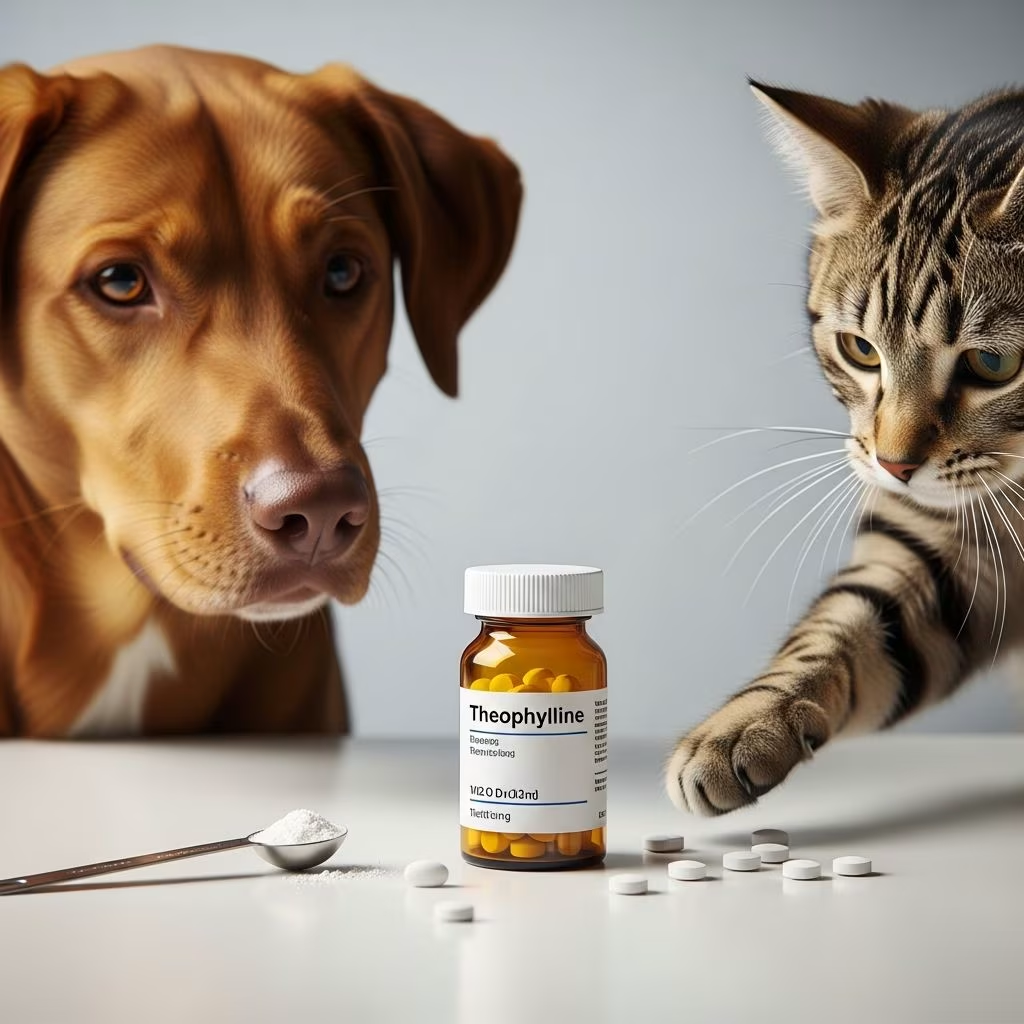
Theophylline for Pets: A Comprehensive Guide to This Bronchodilator Medication
Theophylline is a prescription medication commonly used to treat respiratory conditions in dogs and cats. As a bronchodilator, it works by opening the airways to improve breathing and reduce chronic coughing. This medication has been safely used in veterinary practice for many years, helping pets with various respiratory diseases lead more comfortable lives. Understanding how theophylline works, its uses, dosing, and potential side effects is essential for pet owners whose animals have been prescribed this medication.
What Is Theophylline?
Theophylline is a phosphodiesterase inhibitor bronchodilator that belongs to a class of drugs called xanthine bronchodilators. It is chemically similar to theobromine found in chocolate and caffeine, making it part of a family of compounds with multiple pharmacologic effects. While theophylline is FDA-approved for human use under brand names such as Theo-Dur®, Elixophyllin®, and Theo-24®, it is not officially approved by the FDA for veterinary use. However, veterinarians can legally prescribe theophylline to pets as an off-label or extra-label medication, a practice that is considered safe and effective in veterinary medicine.
How Theophylline Works
Theophylline functions through a well-understood mechanism of action that targets specific enzymes in the body. The medication works by inhibiting phosphodiesterase enzymes inside cells, which leads to increased levels of cyclic adenosine monophosphate (cAMP) and endogenous epinephrine. This biochemical action results in several beneficial effects for pets with respiratory issues:
– Airway relaxation: Theophylline relaxes smooth muscles in the bronchial tubes and airways, allowing them to widen and improve airflow into the lungs- Anti-inflammatory effects: The medication reduces inflammation in the trachea and lungs, which can occur at lower doses than those needed for muscle relaxation- Enhanced mucus clearance: Theophylline helps cilia (tiny hairs lining the respiratory tract) beat faster, enabling them to remove debris and mucus from the lungs more effectively- Mild diuretic action: The medication has a mild diuretic effect, which can be helpful in managing certain heart conditions- Cardiac and nervous system stimulation: Theophylline provides gentle stimulation to heart activity and the central nervous system
Common Uses of Theophylline in Pets
Veterinarians prescribe theophylline to treat various respiratory and cardiac conditions in dogs and cats. The medication is particularly effective for chronic conditions that require long-term management. Common uses include:
– Canine bronchitis: Chronic bronchitis in dogs, characterized by persistent coughing and airway inflammation- Feline asthma: Asthma in cats, where airways become constricted and inflamed- Tracheal collapse: A condition where the trachea (windpipe) becomes weakened and collapses- Intrathoracic airway collapse: Collapse of airways within the chest cavity- Congestive heart failure: Used as adjunct therapy to help manage fluid accumulation and improve breathing- Pulmonary edema: Fluid buildup in the lungs- Chronic obstructive pulmonary disease (COPD): Long-term airway obstruction in pets
In some cases, theophylline may be used alongside corticosteroids, allowing veterinarians to potentially reduce steroid doses while maintaining therapeutic benefits.
Dosage and Administration
Theophylline is available in several formulations to accommodate different treatment needs and pet sizes. Your veterinarian will determine the appropriate form and dosage based on your pet’s weight, age, health status, and the specific condition being treated.
Available Forms
Theophylline comes in multiple delivery formats:
– Tablets: Available in various strengths for precise dosing- Capsules: Often used for extended-release formulations- Extended-release preparations: Designed for longer duration of action- Liquid formulations: Useful for pets that have difficulty swallowing pills or for dose adjustments- Injectable forms: Reserved for emergency situations when oral administration is not possible
Dosing Schedule
Theophylline is available in two main formulations with different dosing frequencies:
| Formulation Type | Frequency | Duration |
|---|---|---|
| Immediate-release | Every 6 to 8 hours | Shorter-acting |
| Sustained-release | Once or twice daily | Longer-acting |
You can administer theophylline with or without food, though giving it with a meal may help reduce stomach upset in some pets. Always follow your veterinarian’s specific instructions regarding dosage and administration schedule, as individual pet requirements may vary.
Potential Side Effects
While theophylline is generally well-tolerated in pets, some animals may experience side effects. Understanding these potential reactions helps pet owners recognize when veterinary attention is needed.
Common Side Effects
Many mild side effects occur early in treatment but typically resolve as the pet’s body adjusts to the medication:
– Gastrointestinal upset: Nausea, vomiting, and diarrhea are the most frequently reported side effects- Loss of appetite: Some pets may eat less than usual- Central nervous system stimulation: Anxiety, restlessness, and nervousness- Stomach irritation: General digestive discomfort
Less Common but Serious Side Effects
Some pets may experience more serious reactions that require immediate veterinary attention:
– Cardiac stimulation: Increased heart rate or arrhythmias- Seizures: Can occur with overdose or in sensitive individuals
Some veterinarians recommend starting pets on a lower dose and gradually increasing to the therapeutic level over the first week to minimize initial side effects. If your pet experiences any adverse reactions, contact your veterinarian promptly to discuss whether dose adjustment or medication discontinuation is necessary.
Drug Interactions
Theophylline can interact with other medications your pet may be taking. It’s crucial to inform your veterinarian about all supplements and medications your pet receives. Medications that may interact with theophylline include:
– Certain antibiotics- Phenobarbital- Propranolol- Caffeine- Acetaminophen- Furosemide
Your veterinarian will carefully review your pet’s complete medication list to ensure theophylline is safe to use alongside any other treatments.
Precautions and Considerations
Before starting theophylline, inform your veterinarian if your pet has a history of:
– Heart disease or cardiac arrhythmias- Liver disease (as theophylline is metabolized by the liver)- Seizure disorders- Severe kidney disease- Hypersensitivity to xanthine drugs
Theophylline is absorbed well when taken orally and is processed through the liver. Pets with compromised liver function may require dose adjustments. Regular monitoring by your veterinarian ensures the medication remains effective and safe for your pet.
Monitoring Your Pet
When your pet first starts theophylline, monitor them closely for any signs of adverse reactions. Keep track of:
– Appetite and eating habits- Gastrointestinal symptoms- Behavior changes- Coughing frequency and severity- Breathing improvements- Any signs of nervous system stimulation
Report any concerns to your veterinarian. Regular follow-up appointments allow your veterinarian to assess whether the medication is working effectively and to adjust doses if needed.
Comparison with Alternative Treatments
While theophylline is effective, other treatment options may be available depending on your pet’s condition:
| Treatment Option | Primary Use | Benefits | Considerations |
|---|---|---|---|
| Theophylline | Bronchodilation and anti-inflammatory effects | Multiple modes of action, affordable, established safety profile | Multiple daily dosing possible, requires monitoring |
| Corticosteroids | Inflammation reduction | Highly effective for inflammation, can be combined with theophylline | Long-term use requires monitoring, potential side effects |
| Beta-2 agonists | Acute airway dilation | Rapid action, useful for acute episodes | Not ideal for chronic management alone |
Frequently Asked Questions About Theophylline
Q: Is theophylline safe for long-term use in pets?
A: Yes, theophylline is considered safe for long-term use when prescribed and monitored by a veterinarian. Many pets take theophylline for extended periods to manage chronic respiratory conditions.
Q: Can theophylline be used in both dogs and cats?
A: Yes, theophylline is prescribed for both dogs and cats. It’s particularly common in cats with asthma and dogs with chronic bronchitis or tracheal collapse.
Q: What should I do if I miss a dose?
A: If you miss a dose, give it as soon as you remember. However, if it’s almost time for the next dose, skip the missed dose and continue with the regular schedule. Never double-dose.
Q: How long does it take for theophylline to work?
A: Some pets show improvement within a few days, while others may take 1-2 weeks to demonstrate the full benefits of the medication. Your veterinarian can advise on what to expect for your pet.
Q: Can theophylline be stopped suddenly?
A: It’s best to follow your veterinarian’s instructions regarding discontinuation. Abruptly stopping may result in return of respiratory symptoms. Your veterinarian may recommend gradual dose reduction.
Q: Are there any dietary restrictions while taking theophylline?
A: No specific dietary restrictions are necessary, but avoid giving your pet foods or treats containing chocolate, which contains theobromine, a compound chemically similar to theophylline.
Q: How much does theophylline cost?
A: Cost varies based on formulation, strength, and quantity. Generic theophylline is generally affordable. Ask your veterinarian about pricing and whether generic options are available.
Conclusion
Theophylline is a valuable medication for managing chronic respiratory and cardiac conditions in dogs and cats. By relaxing airway muscles, reducing inflammation, and improving mucus clearance, this bronchodilator helps pets breathe more easily and reduces chronic coughing. While generally well-tolerated, theophylline requires careful monitoring and adherence to your veterinarian’s dosing instructions. Work closely with your veterinary team to determine if theophylline is the right treatment for your pet’s condition and to monitor your pet’s response to therapy. With proper use and monitoring, theophylline can significantly improve your pet’s quality of life.
References
- Theophylline for Dogs: A Medication to Stop the Cough — GoodRx. 2024. https://www.goodrx.com/pet-health/dog/theophylline-for-dogs
- Theophylline (Theo-Dur®) for Dogs and Cats — PetPlace.com. 2024. https://www.petplace.com/article/drug-library/drug-library/library/theophylline-theo-dur-for-dogs-and-cats
- Theophylline — PetMD. 2024. https://www.petmd.com/pet-medication/theophylline
- Theophylline for Veterinary Use — Wedgewood Pharmacy. 2024. https://www.wedgewood.com/professional-monographs/theophylline-for-veterinary-use/
- Theophylline & Aminophylline in Veterinary Patients — SpaceCraft. 2024. https://static.spacecrafted.com/f3c79db4abf343fb890063dd9c6efd12/r/ba3b1bc1e91346e499c59778af8109ca/1/99367_MCCO_TheophAminoph_Vet.pdf



